Haiti Cultural Guide: Etiquette, Customs, and Tips
Essential do's and don'ts, greeting customs, dress codes, local phrases, and cultural tips for Haiti.
By Hello Travel Team
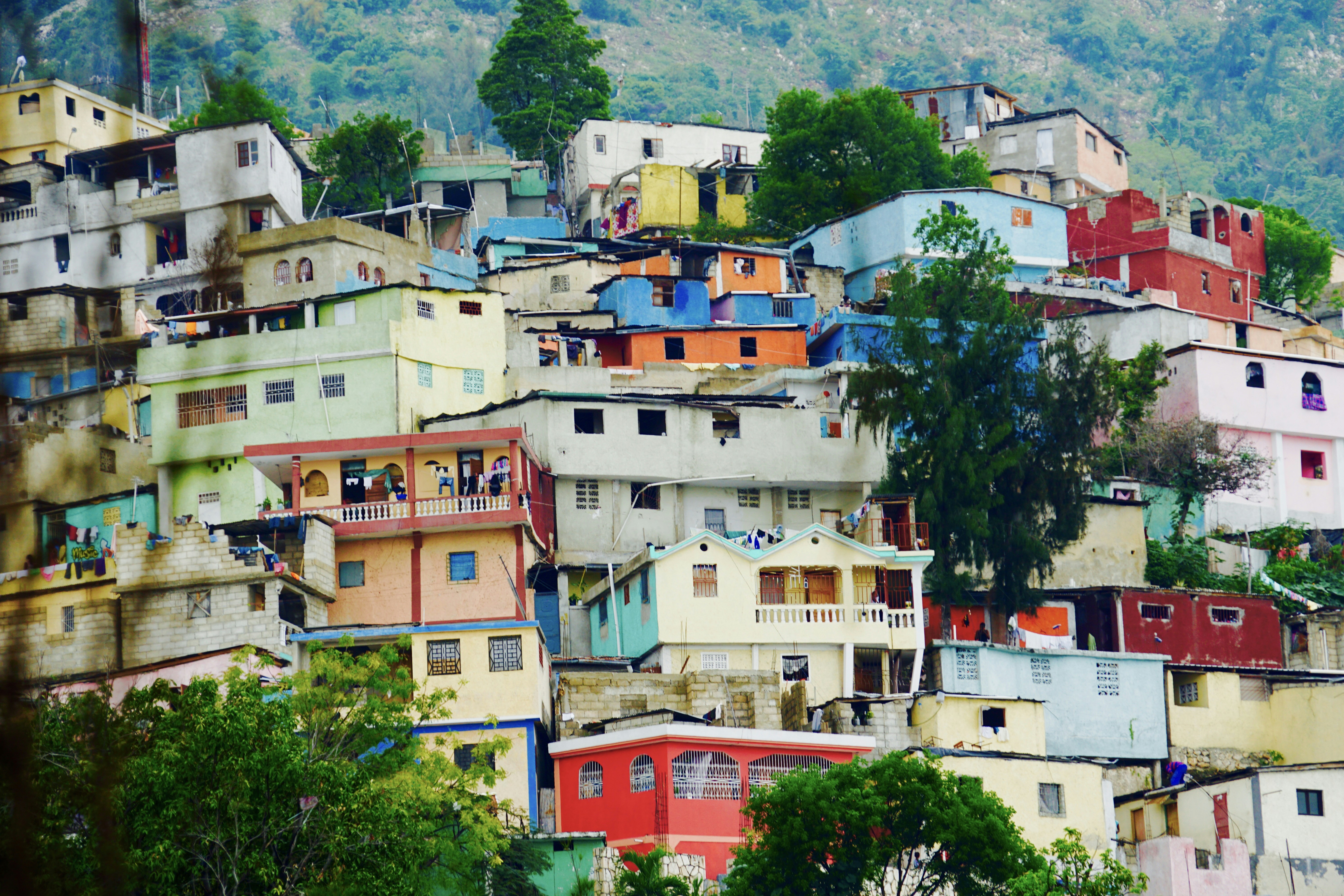
TL;DR: Haiti Culture, Etiquette, and Essential Dos and Don’ts
Haiti’s culture is warm, proud, and community-focused, and respecting greetings, modest dress, and local customs will make your trip smoother and more rewarding. Learn basic Creole phrases, ask before taking photos, and plan around major holidays to avoid surprises in transport and business hours.
Haiti is a vibrant mix of African, French, and Caribbean influences, with strong traditions around family, faith, and community. To navigate Haiti etiquette respectfully, focus on politeness, patience, and small gestures of courtesy—like greeting people properly and dressing modestly in public and religious spaces.
The country welcomed around 700,000 international visitors in 2018, according to the Caribbean Tourism Organization, and while numbers have fluctuated due to political and security conditions, cultural hospitality remains a hallmark of Haitian life. As a visitor, you’re often treated as a guest, but locals appreciate travellers who make an effort to understand Haiti customs rather than just passing through.
For connectivity, an eSIM from Hello lets you arrive with mobile data ready, so you can navigate Port-au-Prince, Cap-Haïtien, and Jacmel without hunting for SIM vendors or public Wi‑Fi. This makes it much easier to respect local norms—for example, using maps to find the correct church entrance or checking holiday schedules in advance.
Below, you’ll find practical Haiti dos and don’ts, greeting customs and phrases, dress code guidance, photography rules, business etiquette, holiday insights, and gift‑giving tips, all shaped to help you travel with confidence and cultural sensitivity.
Haiti Cultural Basics: Values, Social Norms, and Everyday Respect
Haiti’s everyday culture is grounded in respect, community, and faith, so travellers who greet people, dress modestly, and show patience with local rhythms will fit in far more easily. A few core Haiti culture basics go a long way in avoiding accidental disrespect.
Haitian society is highly community-oriented: family ties are strong, elders are respected, and people often spend time in the street or courtyard chatting with neighbors. French and Haitian Creole (Kreyòl Ayisyen) are the official languages, but Creole is the language of daily life for over 95% of Haitians, according to linguistics studies. In cities like Port-au-Prince, you’ll find a mix of French signage, Creole speech, and occasional English in tourist areas.
Religion is central to Haiti customs. Around 54–55% of Haitians identify as Catholic, 28–29% as Protestant, and many also practice Vodou alongside Christianity, according to Pew Research Center data from the 2010s. That layered spirituality shows up in everyday life: you’ll see churches full on Sundays, crosses on tap-taps (shared minivans), and Vodou symbols or altars in some homes.
In social interactions, politeness matters more than speed. Rushing, snapping at staff, or speaking loudly can be seen as rude. Instead:
- Say hello to shop staff before asking questions.
- Use titles (Madame, Madem, Mesye) with elders.
- Avoid public arguments or displays of anger.
Staying connected with a Hello eSIM for Haiti helps you respect these norms, letting you message contacts, check church service times, or confirm local customs with your host rather than guessing.
Greetings, Local Phrases, and Key Dos and Don’ts in Haiti
In Haiti, greeting people properly, using simple Creole phrases, and following basic dos and don’ts around politeness and personal space are some of the easiest ways to show respect and avoid misunderstandings. A handful of words and habits will instantly improve your interactions.
Haitians usually greet with a warm "bonjou" (good morning) or "bonswa" (good afternoon/evening) before any request. Skipping this greeting and jumping straight into questions can feel abrupt. Handshakes are common in formal settings; among friends, you might see cheek kisses or hugs, but follow the local lead.
Here are useful everyday phrases:
- Bonjou / Bonswa – Good morning / Good afternoon or evening
- Mèsi – Thank you
- Souple – Please
- Koman ou ye? – How are you?
- Eskize mwen – Excuse me / Sorry
Core Haiti dos and don’ts:
- Do greet shopkeepers and neighbors when entering small spaces.
- Do ask permission before entering courtyards or private land.
- Do keep voices moderate; loud volume can be read as aggression.
- Don’t point at people or camera phones aggressively.
- Don’t discuss politics or Haiti’s history in a judgmental way unless invited.
- Don’t assume Vodou is "dark" or "taboo"; locals may find this offensive.
Many prices, including tap-tap fares (often under $1 per short ride in 2026) and street food (from $2–4 per snack), are negotiable or informal; politely asking "Konbyen sa koute?" (How much does this cost?) plus a smile is better than demanding a discount.
Dress Codes, Religious Sites, and Photography Etiquette in Haiti
In Haiti, modest, neat clothing and careful photography etiquette are key signs of respect, especially around churches, Vodou sites, and rural communities where traditional values remain strong. Dress more conservatively than at a resort and always ask before taking someone’s photo.
Day-to-day dress in cities like Port-au-Prince and Cap-Haïtien is informal but tidy: jeans, polos, and dresses are common. Many Haitians dress smartly for church and work—clean, pressed clothes signal self-respect. For visitors, knee-length shorts, trousers, and tops that cover shoulders are widely acceptable in town.
Religious sites demand more care. For churches:
- Wear long trousers or skirts and covered shoulders.
- Avoid low-cut tops or beachwear, even if it’s hot.
- Remove hats inside and keep phones silent.
In spaces connected with Vodou (houmforts, altars, ceremonies), dress modestly, follow your host’s guidance, and never film or photograph rituals without explicit permission. Treat these spaces with the same reverence you would a church or temple.
Photography etiquette matters everywhere:
- Always ask before photographing people, especially children.
- Avoid photographing police, military, or government buildings.
- Be cautious around markets—some vendors dislike cameras.
Approximate costs for guided cultural tours (such as heritage walks in Jacmel or Cap-Haïtien) range from $25–50 per person in 2026, and many guides will explain where photos are acceptable, saving you from missteps. Using an eSIM from Hello for maps and translator apps can also help you politely ask, "Èske mwen ka pran foto ou?" (Can I take your photo?).
Business Etiquette, Tipping, and Everyday Money Manners in Haiti
Business etiquette in Haiti blends formality with personal connection, so punctuality, polite greetings, and respect for hierarchy matter, while tipping and cash handling follow local norms shaped by lower average incomes and informal economies. A little structure in how you pay, tip, and greet goes a long way.
For meetings, Haitians appreciate punctuality, though traffic in Port-au-Prince can be unpredictable, so arriving 10–15 minutes early is wise. Start with a handshake, eye contact, and a verbal greeting—"Bonjou Mesye" or "Bonjou Madame"—before diving into business. Titles and formal dress (collared shirts, dresses, closed shoes) are standard in offices.
Business cards are appreciated in formal settings, and conversations may include some personal small talk before discussing contracts or deals. Direct confrontation is often avoided; criticism tends to be indirect, so reading tone and context matters.
Tipping and money manners:
- In casual restaurants, a 5–10% tip is appreciated when service isn’t already included.
- In hotels, tipping housekeeping $1–2 per night in 2026 is considerate.
- Taxi drivers (including private drivers) may expect to round up the fare rather than a separate tip.
Haiti’s minimum wage for some sectors has been reported under $6–7 per day in recent years, according to labor analyses, so even small tips carry weight. Avoid flashing large sums of cash in public and try not to haggle aggressively; respectful negotiation is fine, but remember many vendors work long hours for modest margins.
Using Hello’s expense tracking and AI receipt scanning lets you log tips and shared costs (like hiring a driver) in Haitian gourdes and US dollars, with automatic exchange rates so you can stay fair and transparent when splitting bills with friends.
Local Holidays, Festivals, and Travel Timing in Haiti
Major Haitian holidays like Carnival, Independence Day, and religious feast days can bring street celebrations, traffic disruptions, and altered business hours, so travellers should plan carefully around these dates to avoid surprise closures or transport delays while enjoying unique cultural experiences.
Haiti celebrates a mix of national and religious holidays that deeply shape local life. Key dates include:
- January 1 – Independence Day: Celebrates Haiti’s 1804 independence; expect patriotic events and the traditional pumpkin soup (soup joumou).
- January 2 – Ancestors’ Day: Honoring those who fought for freedom, with ceremonies and cemetery visits.
- Carnival (Kanaval): Usually in February, with major street parades in cities like Jacmel and Port-au-Prince, though dates and scale can vary depending on security and government decisions.
- Easter and Catholic feast days: Bring church services, processions, and some business closures.
During big festivals, banks and government offices may close, and roadblocks or processions can slow travel. According to regional tourism reports, Carnival periods often see higher accommodation prices—guesthouses in Jacmel may rise from $40–60 per night to $70–90 in 2026. Booking early is essential.
Here’s a simple comparison of how holidays can affect travel:
| Holiday / Period | Impact on Transport | Impact on Businesses |
|---|---|---|
| Independence Day | Moderate | Many offices closed |
| Ancestors’ Day | Moderate | Government offices closed |
| Carnival (Jacmel, P‑a‑P) | High (parades, crowds) | Hotels busier, some shops closed |
| Easter weekend | Moderate | Shortened hours, church focus |
With Hello’s trip planning and budget tracking, you can map out holiday dates, forecast higher costs, and split festival expenses with friends, ensuring your Haiti culture experience is fun rather than chaotic.
Gift-Giving Customs and Common Questions About Haiti Etiquette
In Haiti, small, thoughtful gifts and respectful questions tend to be more appreciated than expensive items, and common etiquette questions center on tipping, dress codes, greetings, and whether it’s appropriate to bring donations or presents to locals or hosts.
Gift-giving in Haiti is usually modest and personal. When visiting someone’s home, bringing fruit, sweets, or a small household item is a kind gesture. In more formal contexts—such as meeting a community leader or pastor—a book, locally made craft from your home country, or tasteful stationery works well. Avoid overly expensive gifts, which can cause discomfort or obligations.
If you want to support local communities, it’s generally better to donate through reputable organizations or purchase directly from artisans—buying handmade metalwork from Croix-des-Bouquets or paintings in Jacmel helps sustain traditional crafts. According to cultural NGOs, artisan sales have been a vital income source in the wake of economic challenges and natural disasters.
Q&A: Common Haiti Etiquette Questions
-
Is it okay to bring school supplies or clothes to give away? Yes, but coordinate with a local organization or your host, rather than handing items out randomly, which can create tension.
-
Can I give cash to children who ask? It’s better not to. Support structured programs or buy from family-run stalls instead.
-
How should I greet elders? Use a respectful tone, say "Bonjou" plus their title, and wait for them to offer a handshake.
-
Is beachwear acceptable in towns? Keep swimwear for the beach; wear light, modest clothing in markets, bus stations, and churches.
Staying connected with Hello’s eSIM plans means you can quickly look up local customs, message hosts about appropriate gifts, and avoid cultural missteps while enjoying Haiti’s rich, resilient culture.
Explore These Destinations
Stay Connected
Make the most of Haiti
From eSIM connectivity to expense tracking, Hello is the all-in-one companion that keeps your trip stress-free.
Related Articles
Haiti Currency & Money Guide: Exchange, Cards, and Tips
Currency exchange, credit card acceptance, ATM tips, tipping culture, and money-saving advice for Haiti.
27 July 2026
Haiti Safety Guide: Tips for a Safe Trip
Safety tips, health advisories, emergency contacts, common scams, and travel insurance advice for Haiti.
18 July 2026
Haiti Visa & Entry Requirements for Singapore Passport Holders
Visa requirements, passport validity, customs allowances, and entry tips for Singapore citizens travelling to Haiti.
9 July 2026