Guinea-Bissau in 5 Days: The Perfect Extended Itinerary
A detailed 5-day itinerary for Guinea-Bissau with daily activities, costs, neighborhoods, and transport tips for an extended stay.
By Hello Travel Team
This article contains affiliate links. If you book through them, Hello may earn a commission at no additional cost to you. Our editorial recommendations are independent. Learn more.
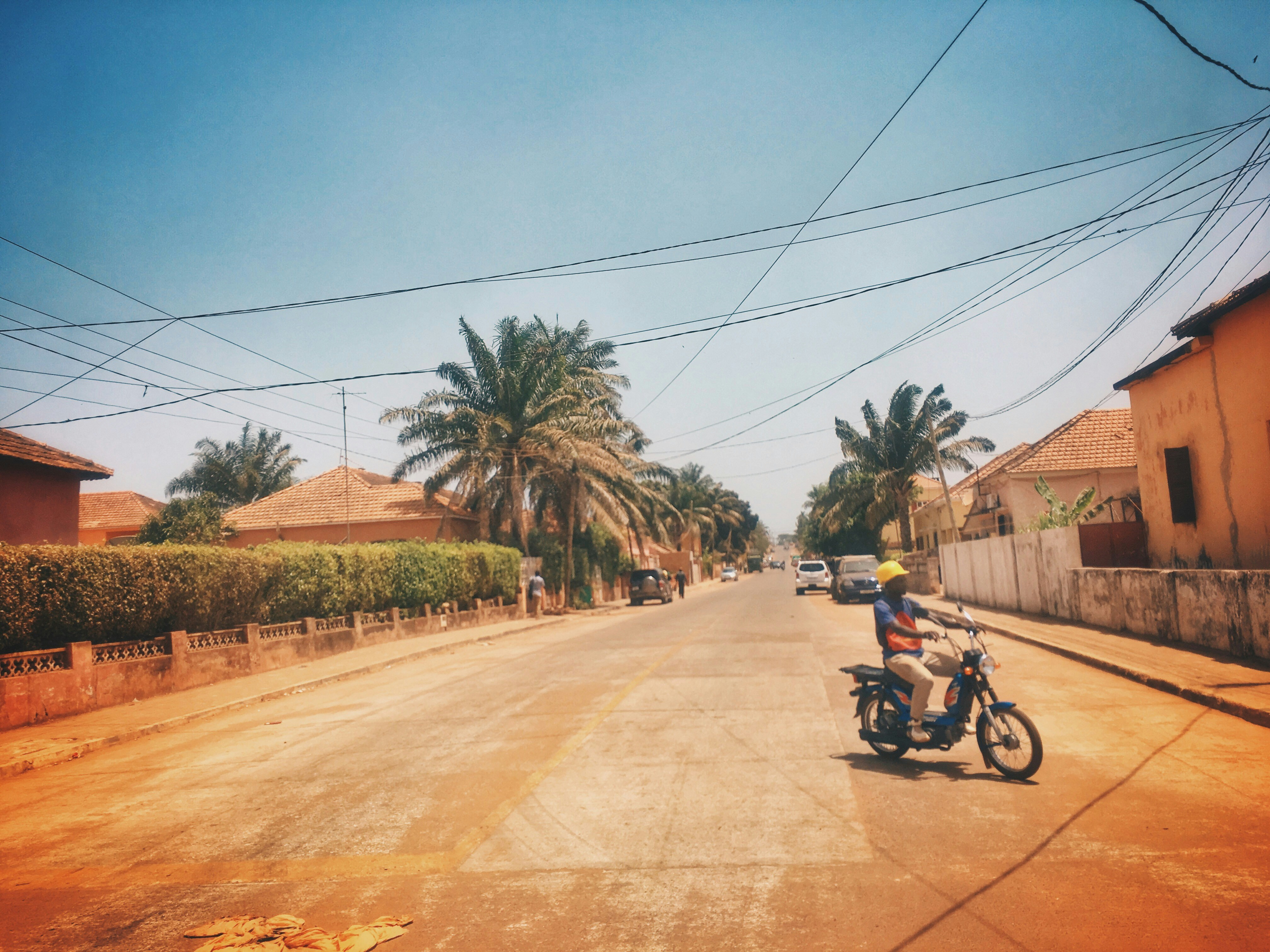
- 1
Bissau Velho, Fortaleza de São José da Amura, and the city centre
- MorningBissau Velho walking tour
- AfternoonFortaleza de São José da Amura~$5
- EveningLocal pinto dinner~$15
Bissau VelhoPort AreaCentral DistrictUse local blue-and-white taxis at about $3 per ride for short city hops.
Budget$40Mid-range$80Luxury$200 - 2
Rubane Island beach day in the Bijagós
- MorningFerry or speedboat to Rubane~$25
- AfternoonBeach relaxation
- EveningSeafood dinner at eco-lodge~$25
Rubane Island lodge areaBijagós beach zoneBook the ferry or private speedboat in advance; return times may vary by sea conditions.
Budget$60Mid-range$150Luxury$350 - 3
Orango National Park wildlife experience
- MorningBoat transfer to Orango Island~$50
- AfternoonSaltwater hippo trekking or wildlife guide~$30
- EveningSunset back at island lodge~$10
Orango IslandOrango National ParkExpect hired motorboat transfers between islands rather than standard road transport.
Budget$80Mid-range$200Luxury$500 - 4
Bolama colonial ruins and return to Bissau
- MorningExplore Bolama colonial ruins~$15
- AfternoonLocal lunch in Bolama~$10
- EveningReturn boat to Bissau~$25
Bolama IslandWaterfront areaUse the return ferry or arrange a private boat depending on your comfort and schedule.
Budget$50Mid-range$140Luxury$400 - 5
Bandim Market, National Arts Museum, and departure
- MorningMercado de Bandim shopping~$20
- AfternoonNational Arts Museum~$5
- EveningAirport transfer to Osvaldo Vieira International Airport~$15
BandimSanta LuziaCity centreLeave extra time for the airport transfer and keep cash available for taxis and small purchases.
Budget$40Mid-range$90Luxury$250
Trip Summary
Trip starter
Turn this 5-day itinerary into a Hello trip
Start with a prefilled trip for Guinea-Bissau, then add dates, invite friends, track expenses, and pick an eSIM before you land.
Name and destination carried into the app.
Split costs and settle up during the trip.
Choose data for the destination before departure.
TL;DR: A practical Guinea-Bissau 5 day itinerary for first-time visitors
A well-paced Guinea-Bissau 5 day itinerary should center on Bissau and the Bijagós Archipelago, because that gives you the best mix of colonial history, markets, beaches, and island culture in one trip. If you want an extended Guinea-Bissau travel plan without rushing, split your time between the capital, a classic island overnight, and a final market-and-departure day in Bissau.
This version is built for travellers who want a realistic budget, simple transport advice, and enough structure to book confidently. It also works well with Hello’s trip tools: use the Hello app to track spending, split costs with friends, and stay connected with a Hello eSIM before you land, so you arrive ready for taxis, ferries, and last-minute hotel messages.
Day 1 in Bissau: Old Town, markets, and your first taste of the capital
Your first day in Bissau should focus on Bissau Velho, the city’s historic core, plus a relaxed evening near the port or central district. Start in the morning with a walking tour through Bissau Velho and nearby colonial streets, then continue to Fortaleza de São José da Amura for one of the city’s most recognisable historic stops.
In the afternoon, move by local blue-and-white taxi, which is commonly priced at about $3 per ride in this itinerary context, and keep lunch simple with grilled fish, rice, or a plate of pinto for around $10–15. For a first-day Guinea-Bissau itinerary, aim to stay in or near the city centre / port area so you can keep transfers short and manageable.
In the evening, enjoy an early dinner and use the Hello app to log transport and meal costs in real time, especially if you are splitting taxis or dinner with travel companions. A practical daily budget is about $40 budget, $80 mid-range, or $200 luxury, depending on how private you want your transport and hotel to be.
Day 2 in the Bijagós: Ferry to Rubane Island for beaches and island time
Day 2 is your island reset: take a morning ferry or speedboat to Rubane in the Bijagós for beaches, quiet water, and a slower pace. The ride is commonly priced at about $25, and it is the easiest way to turn your Guinea-Bissau 5 day trip into something that feels truly special.
After arrival, spend the afternoon unwinding on the beach, swimming, or reading at an eco-lodge rather than trying to over-plan the day. Lunch and dinner can both stay fresh and simple, with seafood being the obvious choice; a lodge dinner may cost around $25, while a budget lunch can be much less if you stick to local dishes.
For neighbourhood-style planning, think in terms of Rubane Island lodge area and the nearby beach zone rather than urban districts. This is also a good day to go offline-light but not offline-completely: a Hello eSIM helps you check ferry times, message your lodge, and keep a live record of island expenses without hunting for Wi‑Fi.
A realistic daily budget is about $60 budget, $150 mid-range, or $350+ luxury, mostly depending on boat type and accommodation.
Day 3 in the Bijagós: Orango National Park, wildlife, and saltwater hippos
Day 3 should be your nature day, with a boat transfer to Orango Island and a wildlife-focused visit to Orango National Park. The itinerary context puts the boat ride at about $50, which is the biggest transport cost of the trip but also one of the most memorable experiences in any Guinea-Bissau travel plan.
In the morning, depart early and aim to arrive before the heat builds. In the afternoon, join a guided visit focused on saltwater hippos and island ecosystems; the activity cost is estimated at about $30, and that usually makes sense only if you already have transport and lodging sorted. Keep dinner relaxed back near your island base, and if you are travelling with friends, the Hello app’s expense splitting is especially useful here because boat costs and guide fees are often shared unevenly.
For a practical base, stay on Orango Island or return toward Rubane if your operator combines the two. Budget roughly $80 budget, $200 mid-range, or $500 luxury for the day, with the higher tiers mainly reflecting private boat charters and upgraded eco-lodges.
Day 4 in Bolama: Colonial ruins, local lunch, and a scenic return route
Day 4 is best spent in Bolama, where the ruins and faded colonial architecture give the trip a different, more historical edge. The itinerary context suggests a morning exploring the Bolama colonial ruins for about $15, followed by a local lunch around $10 and an evening boat return to Bissau for roughly $25.
This day works well if you want to balance island scenery with culture rather than doing nonstop beach time. Bolama is less about major sightseeing and more about atmosphere, so take your time photographing the old buildings, talking to locals, and walking slowly through the waterfront areas.
For transport, expect a mix of ferry or hired boat logistics rather than simple point-to-point taxis. The most comfortable travellers should budget for private transfers or better-organised boat services, while budget travellers can keep costs down by using group transport and eating locally.
A good estimate for the day is $50 budget, $140 mid-range, or $400 luxury, and this is another point in the trip where the Hello app helps keep the numbers under control, especially if you are tracking multiple currencies or dividing boat costs across a group.
Day 5 in Bissau: Bandim Market, arts, and departure-day logistics
Your final day should be light, central, and practical: shop at Bandim, visit a museum or cultural stop, then head to the airport with plenty of buffer time. Start in the morning at Mercado de Bandim, where the itinerary context places shopping around $20 if you buy snacks, souvenirs, and a few small gifts.
In the afternoon, visit the National Arts Museum for around $5, which is a simple way to round out the trip before departure. If you have extra time, stay near the Santa Luzia or central district so your airport transfer is easy; the itinerary context estimates the ride to Osvaldo Vieira International Airport at about $15.
For meals, keep it straightforward with a late breakfast and a light lunch rather than a full sit-down feast, especially if you’re flying out that evening. This is also the moment to reconcile your trip budget in the Hello app, since its expense tracking supports receipt scanning, voice entry, and multi-currency conversion when you need a clean record of the trip.
Expect about $40 budget, $90 mid-range, or $250 luxury for the day, depending on how much shopping and comfort you want before you leave.
Guinea-Bissau itinerary costs, transport tips, and common questions
The most efficient Guinea-Bissau 5 day itinerary keeps transport simple, uses boats strategically, and concentrates most spending on island nights rather than city sightseeing. A solid rule of thumb from the itinerary sources is that budget days can run around $25–$60, mid-range days around $80–$150, and luxury days can rise to $200–$500 when private boats and higher-end lodges are involved.
| Category | Budget | Mid-range | Luxury |
|---|---|---|---|
| Transport | $3–$15 | $15–$50 | $50–$200+ |
| Meals | $10–$20 | $20–$40 | $50–$100 |
| Activities | $5–$20 | $20–$50 | $50–$150 |
| Daily total | $40–$80 | $90–$180 | $250–$500 |
Common Questions
- Is 5 days enough for Guinea-Bissau? Yes, if you focus on Bissau and one or two Bijagós stops, which is exactly why many 5-day plans use the capital as the anchor.
- What is the best base city? Bissau is the most practical base because it keeps airport transfers, markets, and boat departures manageable.
- Do I need mobile data? Yes, especially for ferry timing, lodge coordination, and transport apps; a Hello eSIM is the easiest way to stay connected on arrival.
- What’s the smartest way to track spending? Use the Hello app’s budget tracker and expense splitting so ferry tickets, taxis, and shared dinners do not get messy.
For a smooth trip, book island transport in advance, keep cash handy for local taxis, and allow extra time on transfer days since boat schedules can shift with weather and sea conditions.
Explore These Destinations
Book this trip
Compare options on trusted travel sites
Plan stays for this trip
Continue to a reviewed booking partner to check current property details and terms.

Make the most of Guinea-Bissau
From eSIM connectivity to expense tracking, Hello is the all-in-one companion that keeps your trip stress-free.
Related Articles
Guinea-Bissau Currency & Money Guide: Exchange, Cards, and Tips
Currency exchange, credit card acceptance, ATM tips, tipping culture, and money-saving advice for Guinea-Bissau.
26 July 2026
Guinea-Bissau Safety Guide: Tips for a Safe Trip
Safety tips, health advisories, emergency contacts, common scams, and travel insurance advice for Guinea-Bissau.
18 July 2026
Guinea-Bissau Visa & Entry Requirements for Singapore Passport Holders
Visa requirements, passport validity, customs allowances, and entry tips for Singapore citizens travelling to Guinea-Bissau.
9 July 2026