Guatemala Safety Guide: Tips for a Safe Trip
Safety tips, health advisories, emergency contacts, common scams, and travel insurance advice for Guatemala.
By Hello Travel Team
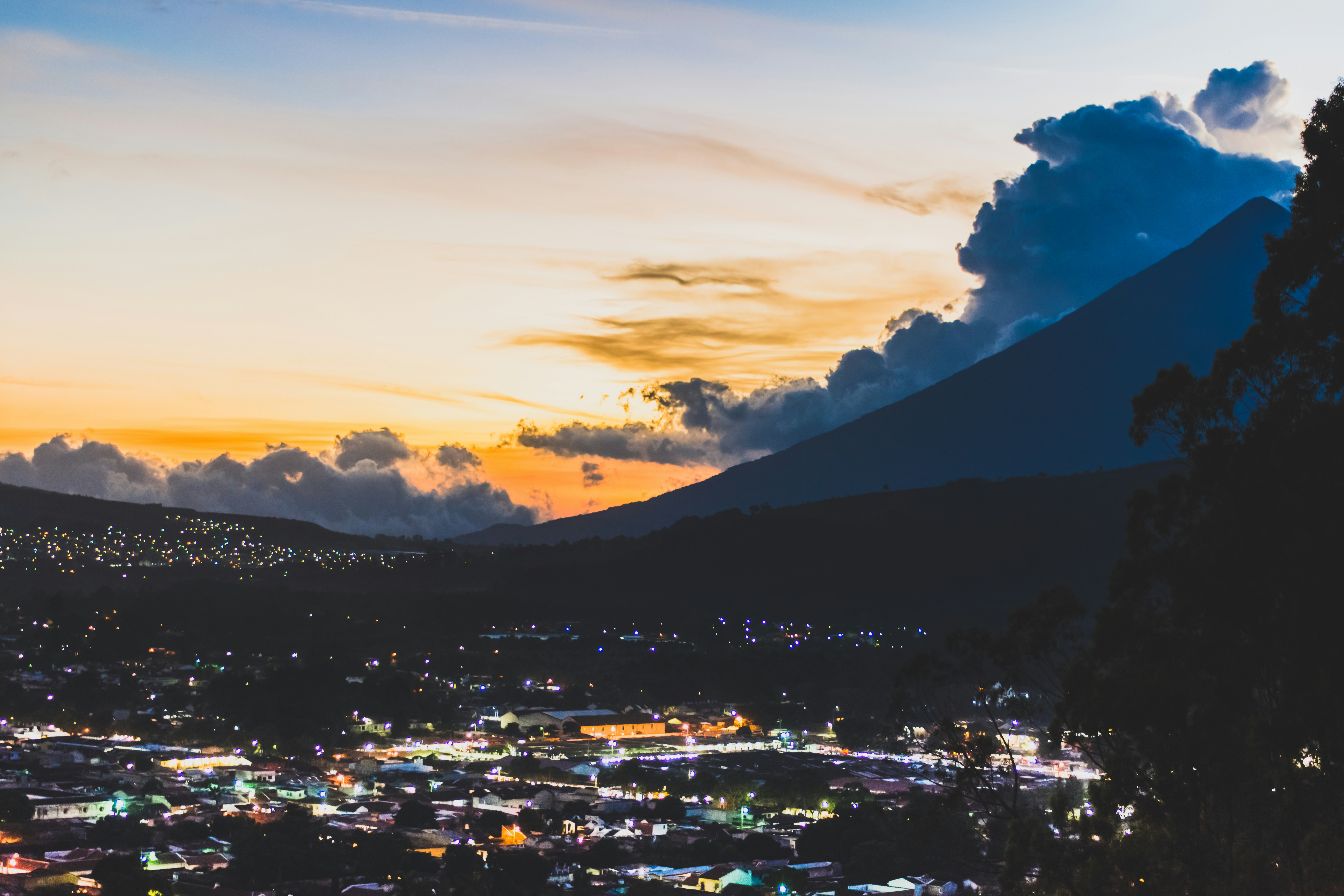
TL;DR: Is Guatemala Safe for Travellers?
Guatemala can be a rewarding and safe destination when travellers plan carefully, use reputable transport, avoid isolated areas after dark, and stay alert in busy public spaces. The country is not uniformly dangerous, but official advisories recommend increased caution because opportunistic crime, scams, gang activity, and armed robbery occur in some areas. Keep valuables discreet, use hotel-arranged taxis or trusted ride services, and avoid travelling on high-risk routes at night. Save Guatemala emergency numbers before departure: police 110 or 120, ambulance and fire services 122 or 123, and tourist assistance through ASISTUR at 1500 or +502 2290-2810. Travel insurance with medical treatment, evacuation, theft, and trip interruption cover is strongly recommended. For reliable mobile data after landing, consider Hello eSIM for Guatemala, which can be activated before departure.
Guatemala Travel Safety: Areas, Transport, and Everyday Precautions
Guatemala travel safety is manageable for most visitors who choose established routes, stay aware of local conditions, and treat transport planning as part of the itinerary rather than an afterthought. Current international advisories classify Guatemala as a destination requiring increased caution, with higher risks in certain departments and urban areas. Popular stops such as Antigua, Lake Atitlán, Flores, Tikal, and Guatemala City have well-developed visitor infrastructure, but crime can still occur.
Use these practical habits:
- Prefer hotel-arranged transfers, registered taxis, or reputable ride-hailing services over flagging down vehicles on the street.
- Avoid chicken buses for long-distance travel if you are unfamiliar with local routes; tourist shuttles and private transfers are generally easier to manage.
- Do not walk alone in unfamiliar parts of Guatemala City, especially after dark. Ask your accommodation which zones and routes to avoid.
- Keep phones, cameras, and jewellery out of sight. Carry a photocopy or secure digital copy of your passport and store the original safely when appropriate.
- If threatened during a robbery, do not resist. Personal safety matters more than replacing a phone or wallet.
At markets, ruins, and transport terminals, keep bags zipped and positioned in front. Share your itinerary with someone at home and check weather or road updates before journeys, particularly during the rainy season.
Guatemala Scams and How to Avoid Losing Money
The most effective way to avoid Guatemala scams is to slow down, verify unexpected requests independently, and never hand over your card, passport, PIN, or money because a stranger creates a sense of urgency. Travellers may encounter inflated taxi fares, unofficial guides, fake officials, ATM interference, distraction theft, and online financial or romance scams. Extortion-style calls can also target visitors or their relatives abroad.
Common warning signs include:
- Someone claiming to be an authority who demands immediate cash or asks to inspect your wallet.
- A stranger creating a distraction—such as spilling something, pointing out a supposed problem, or starting an argument—while an accomplice accesses your belongings.
- An ATM that appears altered or a person offering unsolicited help. Use machines inside banks, shopping centres, or reputable hotels, cover your PIN, and decline assistance.
- A driver refusing to use a meter or changing the agreed fare. Confirm the price before entering and use hotel-booked transport where possible.
- A new online acquaintance claiming they need money urgently in Guatemala. Do not transfer funds; contact relatives or authorities through independently verified numbers.
Keep small amounts of cash in an accessible wallet and store the rest separately. Track spending in the Hello app using receipt scanning, multi-currency conversion, and expense categorisation so suspicious charges are easier to spot.
Guatemala Emergency Numbers, Consular Help, and Connectivity
Save Guatemala emergency numbers offline before you travel because mobile coverage, battery life, and language barriers can complicate an urgent call. Guatemala’s commonly published emergency contacts are police 110 or 120, ambulance 122 or 123, and fire services 122 or 123. For tourist assistance, ASISTUR can be reached on 1500 from a Guatemalan phone or +502 2290-2810. Ask your accommodation to help communicate your location in Spanish if necessary.
| Situation | Number or action |
|---|---|
| National Police | 110 or 120 |
| Ambulance | 122 or 123 |
| Fire service | 122 or 123 |
| Tourist assistance, ASISTUR | 1500 or +502 2290-2810 |
| Lost passport | Contact Singapore’s nearest diplomatic mission and local police |
| Serious incident | Request a written report and notify your insurer |
Singapore does not maintain a resident embassy in Guatemala, so Singapore citizens should check the Ministry of Foreign Affairs directory for the latest non-resident accreditation and after-hours consular contact before departure. Do not rely solely on hotel Wi-Fi: Hello’s eSIM plans can provide mobile data in Guatemala after activation, helping you reach emergency services, access maps, translate messages, and contact family. Download essential documents and maps for offline use as a backup.
Guatemala Health Advice, Vaccinations, Food, and Water Safety
Good health preparation for Guatemala means arranging a travel-clinic consultation several weeks before departure, protecting yourself from mosquitoes, and being cautious with drinking water and food. Routine vaccinations should be current, and clinicians commonly discuss hepatitis A, hepatitis B, typhoid, and rabies according to itinerary and activities. Yellow fever is not generally transmitted in Guatemala, but proof may be required when arriving from a country with yellow-fever risk, including certain long airport transits.
Malaria occurs year-round in some regions, and preventive medicine may be considered for travel to departments including Alta Verapaz, Baja Verapaz, Escuintla, Izabal, and Petén, which includes Flores and Tikal. There is generally no malaria risk in Guatemala City, Antigua, or Lake Atitlán, but mosquito protection remains sensible because dengue and other insect-borne diseases occur.
- Use repellent containing DEET or picaridin and wear lightweight long sleeves at dawn and dusk.
- Drink sealed bottled, filtered, or properly treated water; avoid ice unless you know it was made with safe water.
- Choose busy restaurants where food turnover is high and eat meat, eggs, and seafood thoroughly cooked.
- Bring oral rehydration salts, prescription medicines, and a small first-aid kit.
Medical facilities are strongest in Guatemala City and more limited outside major centres. Seek professional advice before taking malaria medication or receiving travel vaccines.
Solo Female and LGBTQ+ Traveller Safety in Guatemala
Solo female and LGBTQ+ travellers can visit Guatemala successfully by using the same precautions as other visitors while choosing accommodation and transport with strong reviews and a clear safety record. Social attitudes vary by region, and conservative communities may be less accepting than international visitor hubs such as Antigua and parts of Guatemala City. Public harassment can occur, particularly in crowded transport areas, although experiences differ widely.
Solo travellers should:
- Book accommodation with a staffed reception, secure entry, and recent reviews mentioning location and transport.
- Avoid accepting drinks from strangers and keep control of personal belongings in bars and nightlife areas.
- Arrange airport transfers and intercity transport in advance rather than negotiating alone late at night.
- Share live location or arrival details with a trusted contact, especially when visiting remote lakes, volcano trails, or rural communities.
- Choose registered guides for volcano hikes and check weather, trail conditions, and return transport before setting out.
LGBTQ+ travellers may prefer discreet public displays of affection in conservative or rural areas and should research accommodation policies before booking. If discrimination, harassment, or a crime occurs, prioritise getting to a safe public place, contact local authorities or ASISTUR, and document the incident for your insurer and consular contacts.
Common Questions About Is Guatemala Safe?
Guatemala is neither uniformly unsafe nor risk-free: most organised trips are completed without serious incidents, but travellers should take crime, road safety, health, and regional differences seriously. The following answers address common planning questions.
Is Guatemala safe for first-time visitors? Yes, particularly on established itineraries through Antigua, Lake Atitlán, Flores, and Tikal, provided you use reputable transport, avoid isolated areas at night, and follow local advice. Guatemala City requires more careful neighbourhood selection and transport planning.
Is Guatemala safe for solo travel? It can be, but solo travellers should choose organised transfers, avoid night arrivals, share itineraries, and reconsider remote activities without a guide. Solo hiking should be avoided where local authorities or operators recommend guided travel.
Can I drink tap water in Guatemala? Many visitors choose bottled, filtered, or treated water rather than untreated tap water. Use sealed water for brushing teeth when uncertain and check that restaurant ice is made from safe water.
What should I do if robbed? Do not resist. Move to safety, call police, request a report, cancel cards, contact your insurer, and notify family or consular representatives if your passport or safety is affected.
Do I need travel insurance for Guatemala? Strongly recommended. Select cover for overseas medical expenses, emergency evacuation, theft, cancellations, adventure activities, and pre-existing conditions, checking exclusions and claim procedures before purchasing.
Explore These Destinations
Stay Connected
Ready for Guatemala?
eSIM data, expense splitting, budget tracking, and more. Everything you need for a smooth trip in one app.
Related Articles
Guatemala Currency & Money Guide: Exchange, Cards, and Tips
Currency exchange, credit card acceptance, ATM tips, tipping culture, and money-saving advice for Guatemala.
26 July 2026
Guatemala Visa & Entry Requirements for Singapore Passport Holders
Visa requirements, passport validity, customs allowances, and entry tips for Singapore citizens travelling to Guatemala.
9 July 2026
eSIM for Guatemala: Best Plans, Coverage, and Setup Tips
Everything you need to know about using eSIM in Guatemala. Best data plans, network coverage, and setup instructions.
30 June 2026