Greenland Cultural Guide: Etiquette, Customs, and Tips
Essential do's and don'ts, greeting customs, dress codes, local phrases, and cultural tips for Greenland.
By Hello Travel Team
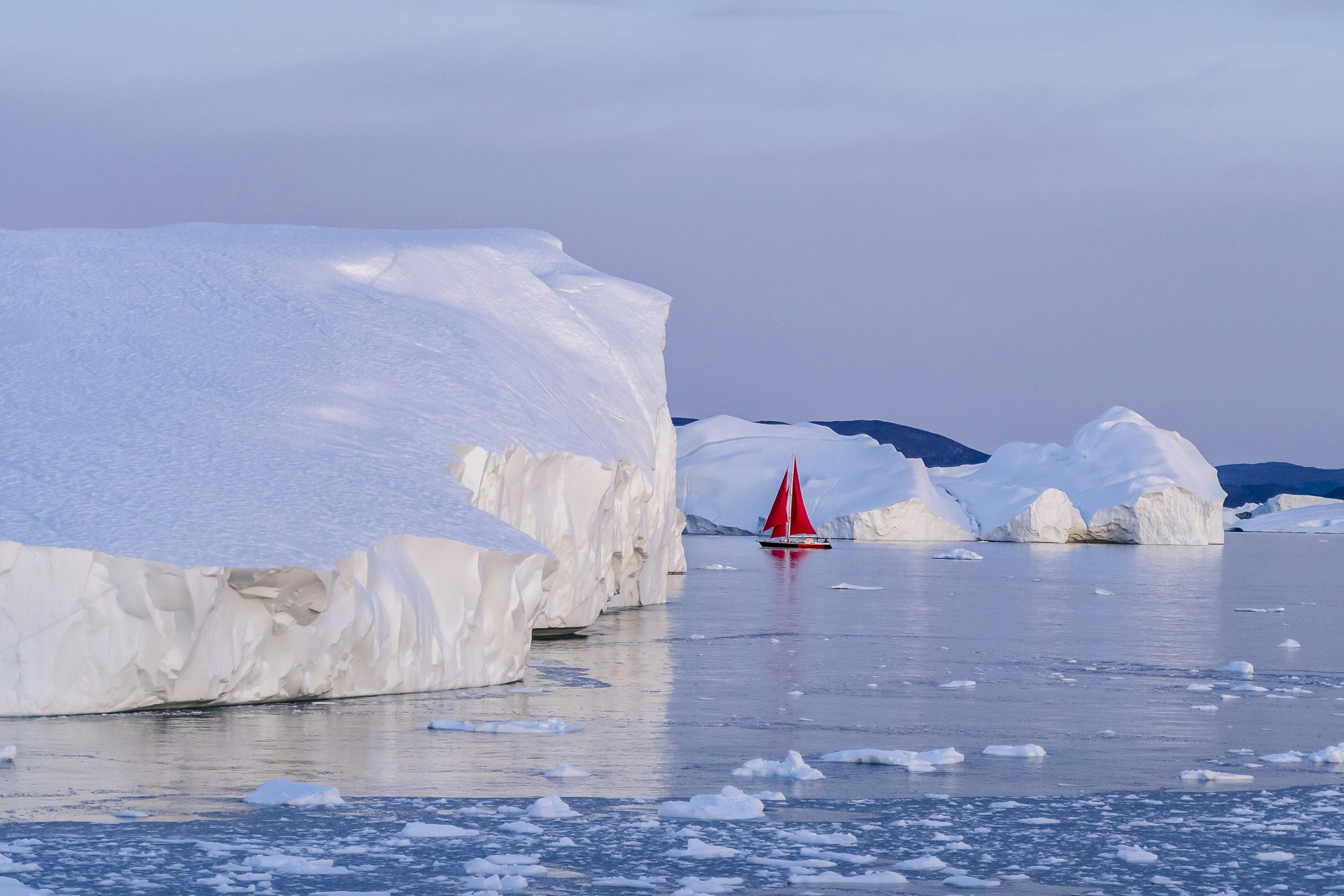
TL;DR: Essential Greenland Customs, Etiquette, and Dos and Don’ts
Greenland’s culture is relaxed, community‑oriented, and shaped by Arctic conditions, so good etiquette means being patient, modest, and respectful of local traditions, nature, and privacy while you explore its remote towns, ice fjords, and fishing communities.
In practice, Greenland etiquette is about small, thoughtful gestures: greeting people with a friendly “hej” or “aluu,” removing your shoes when entering homes, and avoiding loud or showy behavior. Most Greenlanders speak Danish and many speak English, especially in hotels and tour operations, but learning a few Greenlandic phrases goes a long way when visiting places like Nuuk, Ilulissat, or smaller settlements.
Tourism to Greenland remains relatively low compared with nearby Iceland, with Visit Greenland reporting under 120,000 international visitors in recent pre‑pandemic years, so you’ll often be interacting closely with local communities rather than mass‑tourism infrastructure. That makes understanding Greenland customs especially important: always ask before photographing people, be modest about wildlife encounters, and treat hunting and fishing as central parts of life rather than curiosities.
Weather can change rapidly even in summer, so it’s normal to see locals wearing practical outdoor gear rather than fashion‑focused outfits. Strong, reliable connectivity is limited outside main towns; downloading maps and using an eSIM from Hello for offline‑friendly apps and messaging can make independent travel less stressful while respecting local rhythms rather than constantly asking for Wi‑Fi.
Everyday Greenland Culture: How People Live, Interact, and Socialize
Everyday Greenland culture blends Inuit traditions with modern Danish influences, so you’ll notice a mix of quiet friendliness, strong family ties, and a deep respect for nature in how people live and interact.
Greenland is home to around 56,000 people spread over the world’s largest island, with almost a third living in Nuuk, according to Statistics Greenland in 2025. Daily life is shaped by the Arctic environment: hunting, fishing, and seasonal light changes all influence routines, festivals, and food. You’ll see sled dogs in northern towns, colorful houses on rocky shores, and people heading out in boats as readily as cars.
Socially, Greenlanders often appear reserved at first but are warm and humorous once conversation starts. It’s polite to:
- Make eye contact and smile when you enter a small shop or café.
- Keep your voice at a moderate volume in public spaces.
- Accept offers of coffee or snacks when visiting someone’s home.
Alcohol is available but controlled in some municipalities; in Nuuk a beer in a bar in 2026 typically costs the equivalent of USD $8–10, reflecting both import costs and local taxes per Visit Greenland and Nordic price comparisons.
Because communities are small, personal reputation and reliability matter. Showing up on time for tours, respecting your guide’s instructions on sea ice or near glaciers, and paying promptly in shops and cafés are all simple ways to fit smoothly into Greenland culture without standing out for the wrong reasons.
Greeting Customs, Local Phrases, and Communication Etiquette in Greenland
Greeting etiquette in Greenland is relaxed but polite, with simple verbal greetings, light handshakes, and a friendly smile being the norm in most social and travel situations.
In cities like Nuuk and Ilulissat, people commonly greet with “hej” (Danish for “hi”) or “aluu” in Greenlandic, often followed by a handshake in more formal settings. Cheek‑kissing is not standard for strangers, and hugs are generally reserved for friends and family. It’s polite to introduce yourself by first name and keep titles minimal unless you’re in a business context.
Useful basic phrases include:
- Aluu – Hello
- Qujanaq – Thank you
- Ajunngilaq – It’s okay / no problem
- Naamik / Aap – No / Yes
Danish is widely spoken, and a 2019 language survey referenced by Visit Greenland notes that a clear majority of residents are bilingual in Greenlandic and Danish. English is common in tourism, but less so among older people in remote settlements, so having a translation app and key phrases saved offline is helpful.
Communication style is typically calm and not overly expressive. Interrupting, speaking loudly, or dominating group conversations can be considered rude. Silence isn’t uncomfortable here; people may pause before answering, especially in Greenlandic.
If you’re using mobile data for translation, messaging guides, or confirming boat departure times, pre‑loading apps and using a Hello eSIM for Greenland lets you communicate smoothly without relying on spotty guest Wi‑Fi, especially in small harbors and marinas.
Dress Codes, Weather‑Smart Clothing, and Respectful Attire in Greenland
Greenland has no strict formal dress codes for visitors, but locals value practical, weather‑appropriate clothing and modest, non‑flashy outfits that respect both Arctic conditions and community norms.
Most of the time, Greenland customs around clothing are about safety and practicality rather than fashion. Even in July, coastal towns can hover around 5–10°C (41–50°F), according to Danish Meteorological Institute climate data, with wind chill on boats making it feel colder. Pack:
- A windproof, waterproof shell
- Warm mid‑layers (fleece or wool)
- Hat, gloves, and scarf, even in summer
- Sturdy shoes or light hiking boots for rocky terrain
Inside homes, it’s common to remove your shoes at the door. In guesthouses, you might see a pile of boots in the hallway and people moving around in socks or indoor slippers; following this habit is a small but meaningful sign of respect.
For cultural events, such as national day celebrations where locals may wear traditional beaded costumes (the kalaallisuut), choose simple, neat clothing—smart jeans or trousers and a clean sweater are perfectly acceptable. There are few religious buildings with strict dress requirements, but if you attend services in Lutheran churches, aim for modest, covered shoulders and avoid overly sporty or beachwear looks.
Because weather can change rapidly, locals may look casual even when going somewhere important. Don’t mistake practical outdoor gear for disrespect; in Greenland, being properly dressed for the elements is part of good etiquette and shows you understand life in the Arctic.
Photography, Nature Etiquette, and Respectful Behavior in Greenland
Responsible photography in Greenland means treating people, wildlife, and nature with respect, always asking before photographing individuals and keeping a safe distance from animals and private property.
Greenland’s landscapes—icebergs in Ilulissat Icefjord, colorful houses in Qaqortoq, and sled dogs in Disko Bay—are incredibly photogenic, but there are some essential Greenland dos and donts:
- Do ask permission before taking close‑up photos of people, children, or working hunters.
- Do be cautious around sled dogs; they are working animals, not pets, and owners may discourage touching.
- Don’t fly drones without checking local rules and your tour operator’s policies; some areas restrict drones to protect wildlife and peace.
Visit Greenland emphasizes respecting wildlife distances, particularly around whales and nesting birds. Many boat tours follow guidelines similar to Arctic Council recommendations, staying at least 50–100 meters from whales and avoiding sudden changes of direction or speed.
When visiting small settlements, avoid photographing interiors of homes, private boats, or someone’s drying fish racks without clear consent—these are integral parts of life, not open‑air museums. In cemeteries and at memorials, keep your camera low‑key or skip photos altogether unless you see locals doing the same.
Trash and footprints matter in fragile Arctic environments. Pack out waste, stick to marked paths when available, and don’t collect plants, bones, or artifacts as souvenirs. Respect for land and sea is central to Greenland culture, and visitors are expected to follow that lead.
Business Etiquette, Money Tips, and Using Hello for Expenses in Greenland
Business etiquette in Greenland blends Scandinavian formality with local straightforwardness, so being punctual, prepared, and modestly dressed will serve you well in meetings and professional settings.
In business contexts, people usually greet with a handshake, direct eye contact, and first names, similar to Denmark. Meetings tend to start on time, and agreeing on an agenda in advance is appreciated. Small talk might touch on weather, family, or outdoor activities, but avoid controversial topics around politics or complex autonomy issues unless your counterparts bring them up.
Cash and cards are both widely used in larger towns. The local currency is the Danish krone (DKK); in 2026, typical prices per Nordic Council and consumer data look like:
| Item (2026 estimate) | Typical Price in Nuuk (DKK) | Approx. USD Equivalent |
|---|---|---|
| Café coffee | 30–40 DKK | $4–6 |
| Simple lunch | 120–180 DKK | $17–26 |
| Mid‑range dinner | 220–350 DKK | $31–50 |
Tipping is not mandatory; service is usually included, though rounding up small amounts is appreciated in restaurants and for exceptional guiding.
If you’re splitting costs on boat charters, self‑catering cabins, or helicopter excursions—where prices can easily reach several hundred dollars per person—Hello’s expense splitting and budget tracking features can help keep group spending clear without awkward math. You can scan receipts in Danish or Greenlandic kroners, track in multiple currencies, and rely on automatic exchange rates, even if one friend paid with a foreign card while you reimbursed later.
Holidays, Gift‑Giving, and Social Dos and Don’ts in Greenland
Key holidays in Greenland center on national identity, seasons, and Christian traditions, and understanding them helps you plan around closures while participating respectfully in local celebrations.
Important dates include:
- June 21 – National Day: Celebrated with flags, music, and community events; according to Visit Greenland, this is one of the most important cultural days, marking self‑government and the summer solstice.
- Christmas and New Year: Widely observed, with many businesses closing or keeping reduced hours, especially from December 24–26 and December 31–January 1.
- First Day of School and local festivals: Dates vary by town, bringing parades, sports, and cultural performances.
Around major holidays, book accommodation and tours early; Tourism data for 2023 show Greenland’s bed capacity is limited compared with other Arctic destinations, so peak dates can fill quickly even with relatively modest visitor numbers.
Gift‑giving is simple and low‑key. If invited to a home, bringing chocolates, good coffee, or a small item from your country is appreciated. Overly expensive gifts can feel uncomfortable. Fresh fruit can also be a treat in remote areas where imports are costly.
Core Greenland dos and donts socially:
- Do be on time for social invitations.
- Do try local foods offered, such as fish or musk ox, unless you have dietary restrictions.
- Don’t criticize traditional dishes or hunting practices.
- Don’t boast about luxury or wealth; modesty is valued.
Respecting hosts’ efforts, offering to help clean up after meals, and showing genuine curiosity about daily life are the best ways to build warm connections.
Common Questions About Greenland Culture, Etiquette, and Connectivity
Most common etiquette questions about Greenland revolve around greetings, clothing, safety, and how to stay connected in remote areas without breaking cultural norms or your budget.
Is Greenland safe for solo travellers?
Yes, Greenland is generally very safe, with low crime rates similar to other Nordic regions according to Nordic Council reports. Most safety concerns relate to nature—cold, sea ice, and weather—rather than people. Always follow guide advice and check local forecasts before hiking or boating.
Do people in Greenland speak English?
Many people in tourism, especially in Nuuk and major visitor hubs like Ilulissat, speak English, while Greenlandic and Danish are the main languages. In small settlements, older residents may speak little English, so simple Greenlandic greetings and a translation app help a lot.
What are the top dos and don’ts for visitors?
Key Greenland dos and donts include: do dress for the weather, do ask before photographing people or sled dogs, do respect hunting traditions, and don’t litter, be loud in quiet communities, or ignore safety briefings on boats and glacier walks.
How can I stay connected in such a remote place?
Mobile coverage is concentrated around towns, with limited service in fjords and between settlements per Greenlandic telecom providers. Downloading offline maps and using Hello’s eSIM connectivity for essential data, messaging, and trip info lets you stay reachable while still embracing Greenland’s remoteness and slower rhythm.
Explore These Destinations
Stay Connected
Make the most of Greenland
From eSIM connectivity to expense tracking, Hello is the all-in-one companion that keeps your trip stress-free.
Related Articles
Greenland Currency & Money Guide: Exchange, Cards, and Tips
Currency exchange, credit card acceptance, ATM tips, tipping culture, and money-saving advice for Greenland.
26 July 2026
Greenland Safety Guide: Tips for a Safe Trip
Safety tips, health advisories, emergency contacts, common scams, and travel insurance advice for Greenland.
18 July 2026
Greenland Visa & Entry Requirements for Singapore Passport Holders
Visa requirements, passport validity, customs allowances, and entry tips for Singapore citizens travelling to Greenland.
9 July 2026