Getting Around Gibraltar: Transport Guide for Travellers
Airport transfers, public transport, ride-hailing apps, inter-city travel, and driving tips for Gibraltar.
By Hello Travel Team
This article contains affiliate links. If you book through them, Hello may earn a commission at no additional cost to you. Our editorial recommendations are independent. Learn more.
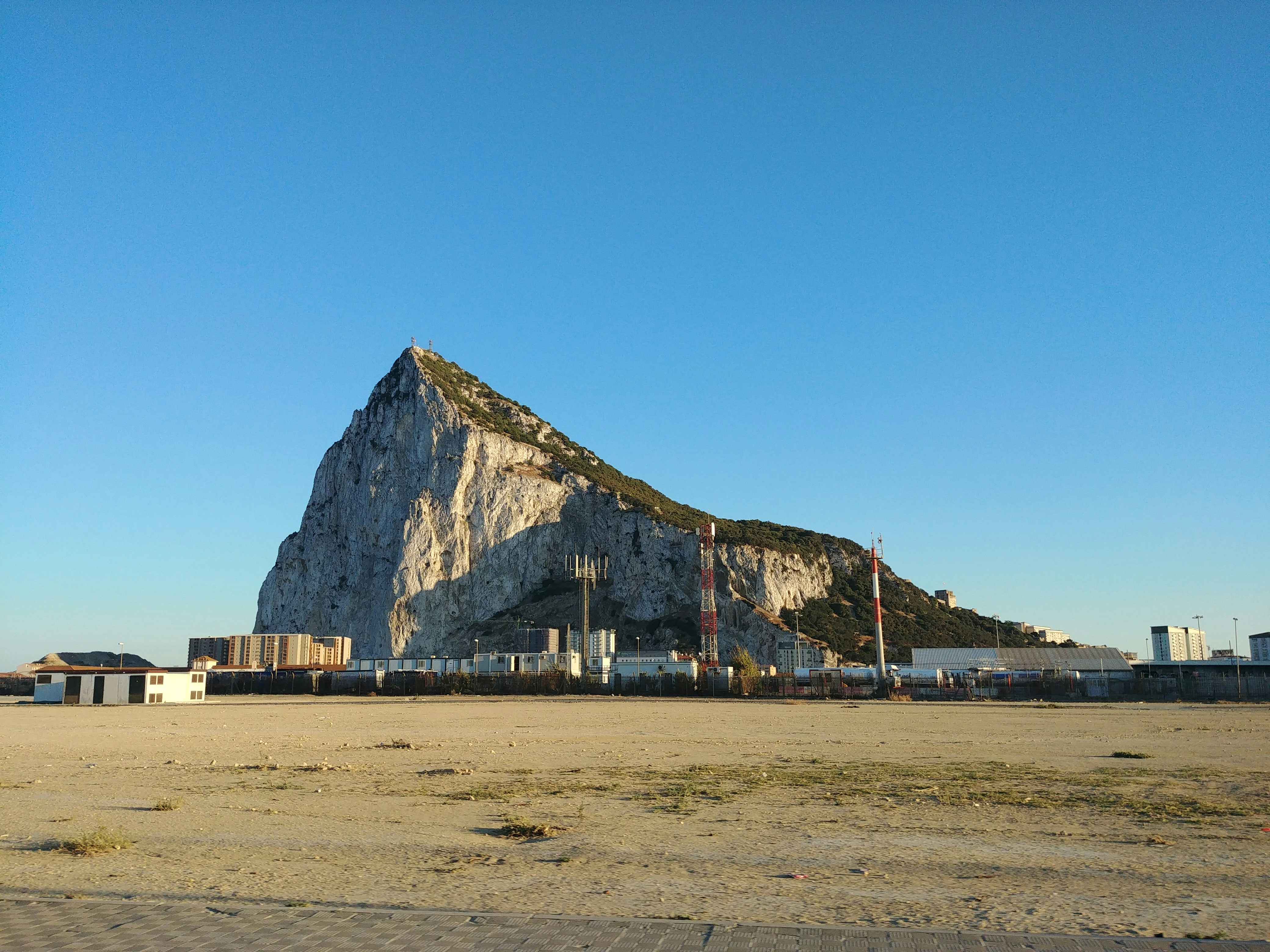
TL;DR: Quick Gibraltar Transport Guide for Travellers
Getting around Gibraltar is straightforward: the territory is tiny, buses are frequent, taxis are regulated, and most sights are walkable within 20–30 minutes. A prepaid Hello eSIM makes it easy to use maps, bus timetables, and border updates without worrying about roaming charges.
In practice, you will probably combine walking, a few local bus rides, and the occasional taxi or airport transfer. Gibraltar International Airport sits right by the land border, so transfers are quick: even in traffic, most rides to town or the cable car base take under 15 minutes. As of 2026, the territory has around 34,000 residents in just 6.8 square kilometres, according to the Gibraltar government, which explains why distances are so short and public transport can cover most needs easily.
You won’t find big-city systems like a metro, tram, or long-distance rail in Gibraltar, and ride-hailing apps such as Uber or Bolt are not yet established. Instead, you’ll rely on red local buses, blue cross-border buses, and licensed taxis waiting at key stands. For navigation, airport pickup coordination, and checking bus schedules, using an eSIM from Hello lets you land connected, split transport costs with friends, and keep all your trip expenses in one place.
If you plan to drive, expect dense traffic at peak times and very limited parking in the town centre and around the Upper Rock. Renting a car mainly makes sense if you’re touring wider Andalucía and just popping into Gibraltar for a day with Spanish plates.
Gibraltar Airport Transfers: Taxis, Walking, and Cross-Border Options
Gibraltar airport transfers are uniquely easy: the runway sits a short walk from town and the Spanish border, so most travellers spend under 15 minutes getting from plane to hotel or bus stop. That compact layout makes taxis, walking, and buses all realistic options.
Gibraltar International Airport is so close to the centre that some hotels are just a 20–30 minute walk away, crossing the famous runway and Winston Churchill Avenue. According to Gibraltar Tourist Board figures, the territory welcomed over 1.4 million visitor arrivals in 2023 (including cruise and day visitors), so the small airport can feel busy, but transfers remain quick thanks to the short distances.
For most visitors, taxis are the simplest option on arrival. Licensed Gibraltar taxis typically charge around £8–£12 (2026) from the airport to central Gibraltar (Casemates Square or Main Street area) and £12–£18 to the cable car base or Europa Point, depending on time of day and luggage. Fares are metered, with clear surcharges for nights and Sundays.
If you’re staying in La Línea de la Concepción (Spain), you simply walk out of the terminal, cross the border on foot in 5–10 minutes, and then take a Spanish taxi or local bus from the Spanish side. The blue bus line M-120 connects La Línea with Algeciras at around €2–€3 per trip in 2026, a handy link if you’re continuing along the Costa del Sol.
For meeting drivers, checking hotel directions, or updating friends, it helps to arrive with Hello eSIM already activated, so your phone connects to local data as soon as you land.
Gibraltar Public Transport: Buses, Passes, and Where They Go
Gibraltar’s public transport is bus-based only, but the red city buses and blue cross-border routes cover most places visitors need, from the border and airport to town, Rosia, and Europa Point. There is no metro or train, so buses and walking are your main tools.
The red Gibraltar Bus Company routes serve the main urban areas: popular lines include Route 5 (border–town–Rosia) and Route 2 (Crossroads–Europa Point). A single adult fare is typically around £1.40–£1.60 (2026) when paid on board in cash, with free travel for Gibraltar residents and concessions for local seniors and students. Visitor day passes are not always consistently offered, so most travellers just pay per ride.
You’ll also see blue buses, which run cross-border services operated from the Spanish side, especially between La Línea and nearby Andalusian towns. These are priced in euros and work like standard Spanish regional buses, with single fares around €2–€3 to Algeciras in 2026.
There are no trains or metro lines in Gibraltar, and the only nearby railway station is across the bay in Algeciras, which connects towards Málaga, Seville, and Madrid via Spain’s national rail network. That makes the local bus network and taxis the key parts of any Gibraltar transport guide.
To check bus timetables or live location pins, you’ll want mobile data. Using Hello eSIM for Gibraltar (via Hello eSIM for Japan as an example of how country plans work) lets you buy and activate a data plan before you fly, so maps and bus routes are ready the moment you arrive.
Taxis, Ride-Hailing Apps, and Getting Around Without Uber
Gibraltar does not currently have Uber, Bolt, or Grab, so you’ll rely on traditional taxis, buses, and walking instead of ride-hailing apps. Thankfully, the territory’s small size means taxi journeys are quick and surprisingly affordable by European city standards.
Licensed Gibraltar taxis are white and easy to spot at taxi ranks near the airport, border, Casemates Square, and the Cable Car station. Short hops within the town area typically cost £6–£10 (2026), with trips to outlying spots like Europa Point closer to £12–£18, depending on traffic and time of day. Official sightseeing tours of the Upper Rock by taxi are also popular, often starting around £30–£40 per person in 2026 for small-group circuits.
Because there is no Uber or similar service, taxis can be in high demand when cruise ships dock or during peak summer evenings. According to Port of Gibraltar statistics, cruise calls regularly exceed 200 ship visits per year, bringing sudden peaks in visitor numbers. In those hours, it’s wise to be patient or walk to a less busy rank.
Here’s a quick comparison of local options:
| Transport option | Typical cost (2026) | Best for | Notes |
|---|---|---|---|
| Taxi (short town ride) | £6–£10 | Evenings, steep hills | No ride-hailing apps; use ranks or phone bookings |
| Taxi (airport–town) | £8–£12 | Arrivals/departures | 10–15 minutes door to door |
| Bus (single ride) | £1.40–£1.60 | Daytime sightseeing | Pay driver in cash; no metro or tram |
Because you can’t rely on an app to hail rides, having Hello eSIM data helps with looking up taxi company numbers, checking opening hours, and navigating on foot using online maps.
Inter-City and Cross-Border Travel: Gibraltar to Spain and Beyond
For inter-city travel, Gibraltar acts more like a gateway than a hub: you walk or drive into Spain and then connect to regional buses and trains to reach Algeciras, Málaga, Seville, and the rest of Andalucía. There are no domestic trains or long-distance buses starting in Gibraltar itself.
Most travellers cross the land border to La Línea de la Concepción, a straightforward 5–10 minute walk from the airport or bus stands. From there, Spanish bus companies run frequent services to nearby cities. For example, the blue M-120 bus between La Línea and Algeciras costs about €2–€3 one way in 2026, and direct buses to Málaga typically cost €15–€25 depending on season and operator.
From Algeciras, Spain’s national rail operator connects to Madrid, Córdoba, and other major cities via regional and long-distance trains. If you are planning a wider Iberian itinerary, booking trains in advance can save money, particularly in high summer and around Easter, when Spain’s Ministry of Industry, Trade and Tourism reports some of the highest domestic travel volumes.
A typical pattern for visitors is: stay in Gibraltar for 1–2 nights, then base yourself in Málaga, Marbella, or Seville and visit Gibraltar as a day trip by bus or car. Because you may be juggling pounds and euros, the Hello app’s expense tracking and multi-currency exchange rates can be handy for keeping transport costs clear across borders.
Having reliable data via Hello eSIM makes it easier to check Spanish bus timetables, book tickets online, or adjust your route if there are border queues or roadworks reported on local news.
Driving in Gibraltar: Rental Cars, Parking, and IDP Requirements
Driving in Gibraltar is possible but often unnecessary, as the territory is compact, traffic can be dense, and parking is limited. For most visitors, it’s easier to park in Spain and walk in, or use taxis and buses once inside Gibraltar.
Gibraltar drives on the right-hand side of the road, like mainland Spain. If you’re renting a car in Spain (often cheaper than renting inside Gibraltar), you can usually drive it in with the correct insurance; always confirm cross-border permission with your rental company. Parking inside Gibraltar, especially near Main Street and the Upper Rock, is heavily regulated, with residents’ zones and paid spaces that can fill quickly in peak months.
An International Driving Permit (IDP) is generally not required for EU/EEA licence holders or UK licence holders visiting Gibraltar for tourism, as long as the licence is valid and written in the Latin alphabet. Travellers from other countries may need an IDP depending on their home licence format and rental company rules, so it’s best to check in advance with your agency.
Here’s how driving compares with other modes:
| Option | Pros | Cons |
|---|---|---|
| Driving your own/rental car | Flexibility for wider Andalucía; easy to reach trailheads | Tight streets, limited parking, border queues |
| Parking in La Línea + walking | Avoids Gibraltar parking stress | 15–25 minute walk including border formalities |
| No car (bus + taxi) | Simple, low-stress, no parking | Less flexible late at night |
If you do drive, use Hello eSIM data for real-time navigation, one-way street guidance, and to quickly check where parking is allowed or ticket zones start.
Common Questions About Getting Around Gibraltar (Q&A)
Most travellers get around Gibraltar by walking, using the red local buses, and taking taxis for steeper hills or late nights, since the territory is tiny and there are no metro or train lines. Planning ahead with maps and a Hello eSIM keeps everything simple and stress-free.
Is Gibraltar walkable for tourists?
Yes. With an area of just 6.8 km² and a population of around 34,000 residents according to the Gibraltar government, distances are short. You can walk from the border or airport to Casemates Square in about 20 minutes, and most central sights are within a 10–25 minute stroll.
Is there Uber in Gibraltar?
No, there is no Uber, Bolt, or Grab currently operating in Gibraltar. You’ll use licensed taxis from ranks or via phone bookings, plus the red city buses.
How much is public transport in Gibraltar?
Expect to pay roughly £1.40–£1.60 per bus ride (2026) on the red local buses, paid in cash to the driver. There is no metro or train, and no contactless transport card system like London’s Oyster.
How far is Gibraltar from Spain by foot?
The border with La Línea de la Concepción is just a short walk from the airport. Crossing usually takes 5–20 minutes, depending on queues and checks.
Do I need mobile data to get around?
While not essential, having Hello eSIM data is very useful for maps, bus timetables, and border updates. The Hello app also lets you split taxi fares with friends, scan receipts in multiple currencies, and keep your Gibraltar transport budget on track.
Explore These Destinations
Stay Connected
Stay connected in Gibraltar
Get an eSIM before you land. Hello gives you instant data in 200+ countries — no SIM swaps, no roaming fees.
Related Articles
Gibraltar Currency & Money Guide: Exchange, Cards, and Tips
Currency exchange, credit card acceptance, ATM tips, tipping culture, and money-saving advice for Gibraltar.
26 July 2026
Gibraltar Safety Guide: Tips for a Safe Trip
Safety tips, health advisories, emergency contacts, common scams, and travel insurance advice for Gibraltar.
18 July 2026
Gibraltar Visa & Entry Requirements for Singapore Passport Holders
Visa requirements, passport validity, customs allowances, and entry tips for Singapore citizens travelling to Gibraltar.
9 July 2026