Gibraltar Currency & Money Guide: Exchange, Cards, and Tips
Currency exchange, credit card acceptance, ATM tips, tipping culture, and money-saving advice for Gibraltar.
By Hello Travel Team
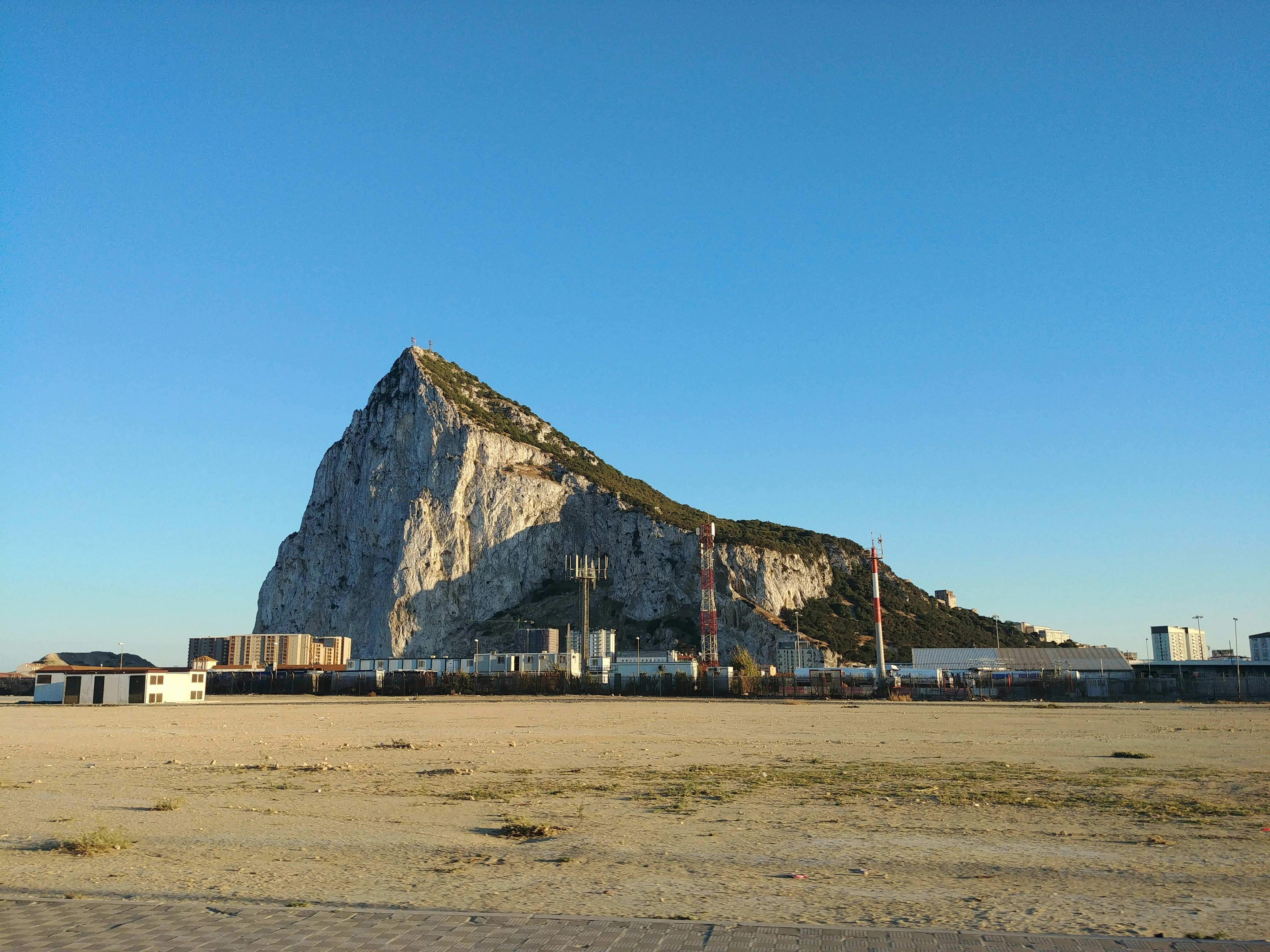
Gibraltar Currency & Money Tips: TL;DR
Gibraltar uses the Gibraltar pound (GIP), which is pegged 1:1 to the British pound (GBP), while GBP notes and coins are accepted throughout the territory. As a practical early-2026 guide, S$1 is approximately £0.60, although the live Gibraltar exchange rate changes daily. Cards and contactless payments work widely, but carrying £20–£40 in cash is sensible for small purchases, taxis, buses, and backup payments. Use local currency at ATMs and card terminals, decline dynamic currency conversion, and check whether restaurant service charges are already included. For a typical day, budget roughly £15 for buses and a low-cost lunch, or £60–£75 for a day including Upper Rock admission, transport, lunch, and drinks.
Gibraltar Currency Explained: GIP, GBP, Euros and SGD Exchange Rates
The official Gibraltar currency is the Gibraltar pound, but British pounds are accepted at the same one-to-one value, making sterling especially convenient for visitors arriving from the United Kingdom or Spain. Gibraltar banknotes are generally not accepted outside Gibraltar, so spend or exchange any remaining GIP before leaving. Euros may be accepted by some shops and tour operators, particularly near the border and in tourist areas, but change and exchange rates can be less favourable.
For Singapore travellers, a useful early-2026 planning rate is S$1 ≈ £0.60 GIP, equivalent to about S$1.67 for £1; live rates can differ, so check your bank or a reputable currency converter before departure. The Gibraltar exchange rate normally follows the pound sterling market because GIP is pegged to GBP.
| Currency or payment | Practical use in Gibraltar | Money-saving advice |
|---|---|---|
| Gibraltar pound (GIP) | Official local currency | Best choice when a terminal or ATM offers a currency option |
| British pound (GBP) | Accepted everywhere | Convenient, but avoid assuming leftover GIP can be spent in Britain |
| Euro (EUR) | Sometimes accepted in tourist areas | Confirm the exchange rate before paying |
| Singapore dollar (SGD) | Not normally accepted | Exchange only a modest amount, then use cards or ATMs |
Keep a note of the difference between the currency symbol £ and the currency code GIP. The symbol can represent either Gibraltar or British pounds, while GIP identifies local notes and coins.
Where to Exchange Money in Gibraltar and How to Avoid Poor Rates
The best Gibraltar money strategy is usually to exchange only a small amount before arrival, pay by card where practical, and withdraw modest sums from a reputable bank ATM when cash is needed. Airport, ferry-terminal, hotel, and border exchange desks may be convenient but often build their profit into wider spreads or commissions. Compare the final amount you receive rather than focusing only on a headline rate.
Central Gibraltar has banks, exchange counters, and ATMs, particularly around Main Street and the town centre. If you arrive via Spain, avoid exchanging a large amount of euros into GIP at the border without checking the rate. Because GBP is accepted, travellers who already hold sterling can often avoid an additional conversion altogether.
Useful steps include:
- Check the mid-market SGD-to-GBP rate before travelling and use it as a benchmark.
- Ask whether an exchange counter charges a fixed commission.
- Exchange only enough cash for buses, small cafés, taxis, and emergencies.
- Count your notes before leaving the counter.
- Keep receipts if exchanging a substantial amount.
- Never hand over your card or PIN to an unofficial money changer.
The Hello app can record cash exchanges and card spending in separate currencies, then automatically convert totals for a clearer trip budget. Its receipt scanning also helps preserve the original amount, currency, and category.
Cards, Contactless Payments and ATMs in Gibraltar
Gibraltar is highly card-friendly: chip-and-PIN, contactless cards, Apple Pay, and Google Pay work at most hotels, restaurants, shops, and tourist services, although cash remains useful for small or unexpected transactions. Contactless payment is widely available along Main Street and in the town centre, and most visitors can complete the majority of their trip without carrying much cash.
ATMs are easy to find in central Gibraltar and generally dispense GIP or GBP. Your own bank may apply an overseas transaction fee, while the ATM operator may add a withdrawal charge. Before confirming, review the displayed fee and select a smaller number of larger withdrawals rather than repeatedly taking out small amounts.
The most important ATM rule is to decline dynamic currency conversion. If the machine asks whether to charge your Singapore card in SGD or GIP, choose GIP, GBP, or “continue without conversion.” This lets your card issuer set the exchange rate instead of accepting the ATM’s marked-up conversion. Apply the same rule at card terminals: select the local currency whenever possible.
Carry a backup card separately from your main wallet and notify your bank of overseas travel if required. A sensible reserve is £20–£40 per person, particularly for a day involving buses, a taxi, or a visit to the Upper Rock.
Gibraltar Tipping Culture: Restaurants, Taxis and Tours
Gibraltar tipping is appreciated but not compulsory, and the usual approach follows British customs: check the bill first, then leave around 5–10% for good restaurant service when no service charge is included. A large American-style tip is unnecessary, and staff should not pressure you into paying one.
At restaurants, inspect the bill for “service charge,” “service included,” or a similar line before adding anything. If service was good and no charge appears, 10% is a straightforward guideline; 5% or simple rounding is reasonable for more casual meals. In cafés and takeaway shops, tipping is generally not expected, though rounding up is a friendly gesture.
For taxis, round the fare up to the nearest pound or add a small amount for helpful service. A guided Upper Rock tour may merit about £5–£10 per person when the guide is informative and professional. Hotel porters and housekeeping do not require automatic tipping, but a few pounds can be appropriate for extra assistance.
Keep small GIP or GBP notes for gratuities because not every small business offers a tip option on its terminal. If travelling with friends, Hello’s expense-splitting feature can divide a restaurant bill and tip across multiple currencies, with automatic exchange-rate conversion for each person.
Gibraltar Costs and Practical Ways to Save Money
The easiest way to control Gibraltar costs is to combine public transport, advance planning, card payments in local currency, and a daily spending limit that separates sightseeing from meals and drinks. Recent visitor price examples put a single bus journey at about £1.80, a return at £2.40, and an all-day Hopper ticket at approximately £8.80. Casemates parking has been reported at around £8.50 for eight hours, while an Upper Rock Nature Reserve entry ticket can cost roughly £30 per person; prices and ticket rules can change, so verify them before travel.
A low-cost day without the Rock may be around £15, covering simple transport and an inexpensive lunch. A standard sightseeing day with Upper Rock entry or a shuttle, lunch, and drinks can reach £60–£75 per person. Guided taxi tours may push the total above £100, especially when meals and additional attractions are included.
Save money by:
- Buying eligible attraction tickets online when an advance rate is available.
- Comparing the cost of a shuttle, cable-car journey, and guided taxi before booking.
- Using buses for short journeys instead of taxis.
- Choosing a set lunch or casual café over a waterfront restaurant.
- Carrying a refillable bottle where practical.
- Tracking spending as it happens rather than estimating at the end of the day.
Hello’s budget tracker supports AI receipt scanning, voice expense entry, bank-statement imports, and automatic categorisation, making it useful when several purchases are in GIP and your main budget is in SGD.
Common Questions About Gibraltar Money, Payments and Safety
Most visitors can manage Gibraltar with a contactless card plus a small cash reserve, but understanding local currency rules and conversion prompts prevents the most common payment mistakes. These answers cover frequent Gibraltar money tips and practical concerns.
Can I use British pounds in Gibraltar? Yes. GBP is accepted throughout Gibraltar at a one-to-one value with GIP. Gibraltar-issued notes may be difficult to spend in the United Kingdom, so exchange or spend them before departure.
Can I pay in euros? Sometimes, especially in tourist-focused businesses, but the conversion rate may be poor and change may be given in pounds. Ask for the total in GIP or GBP before paying.
Is Gibraltar cashless? No. Contactless is widespread, but keep cash for small cafés, some taxis, buses, tips, or a temporary card-terminal outage.
What scams should travellers watch for? The main risks are not usually elaborate local scams but poor exchange rates, unsolicited currency conversions, inflated taxi or tour quotes, and card-terminal prompts that charge in SGD. Confirm prices before tours, check receipts, shield your PIN, and decline dynamic currency conversion.
Do WeChat Pay or PayPay work in Gibraltar? Acceptance is not as dependable as contactless bank cards or Apple Pay and Google Pay. Carry a physical Visa or Mastercard and do not rely solely on a single app.
How can I stay connected while tracking expenses? An eSIM from Hello provides a practical way to access maps, banking apps, exchange-rate tools, and the Hello app after arrival. Hello offers connectivity in 200+ countries, and plans can be bought and activated before departure.
Explore These Destinations
Stay Connected
Track your Gibraltar trip budget
Split expenses with friends, track spending by category, and see real-time currency conversions — all in one app.
Related Articles
Gibraltar Safety Guide: Tips for a Safe Trip
Safety tips, health advisories, emergency contacts, common scams, and travel insurance advice for Gibraltar.
18 July 2026
Gibraltar Visa & Entry Requirements for Singapore Passport Holders
Visa requirements, passport validity, customs allowances, and entry tips for Singapore citizens travelling to Gibraltar.
9 July 2026
eSIM for Gibraltar: Best Plans, Coverage, and Setup Tips
Everything you need to know about using eSIM in Gibraltar. Best data plans, network coverage, and setup instructions.
29 June 2026