Gambia Safety Guide: Tips for a Safe Trip
Safety tips, health advisories, emergency contacts, common scams, and travel insurance advice for Gambia.
By Hello Travel Team
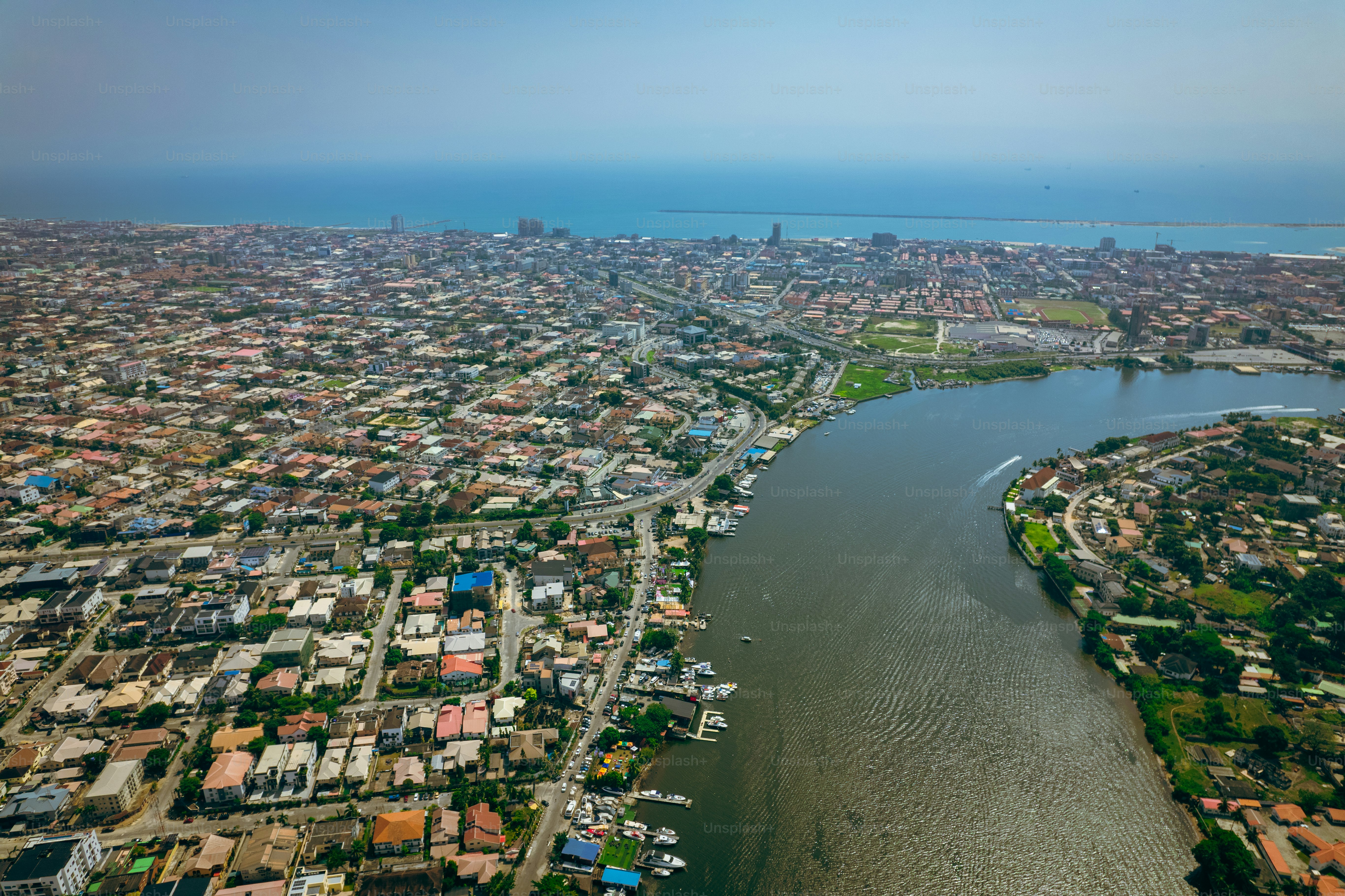
TL;DR: Is Gambia Safe for Travellers?
The Gambia can be a rewarding destination for travellers who use sensible precautions, especially in the coastal tourism area around Kololi, Kotu, Bakau and Senegambia. The main concerns are petty theft, scams, unsafe road travel after dark, limited emergency services and mosquito-borne illness rather than widespread violent crime. Keep valuables discreet, use reputable transport, avoid isolated beaches at night and arrange travel insurance with medical evacuation cover. Current travel guidance also highlights frequent road accidents and recommends avoiding road journeys after approximately 6 p.m. Emergency support can be inconsistent, so save local medical contacts before departure and carry copies of important documents. Staying connected with Hello eSIM for Gambia can help with maps, ride coordination, translation and contacting accommodation or insurers. Overall, Gambia travel safety depends on preparation, respectful behaviour and avoiding unnecessary risks.
Gambia Travel Safety: Main Risks and Practical Precautions
The safest approach in Gambia is to remain alert without treating the country as inherently dangerous: most visitors enjoy trouble-free holidays, but petty theft, opportunistic robbery and road accidents deserve serious attention. Tourism is concentrated around the Atlantic coast, including Senegambia, Kololi, Kotu and Bakau, where beach touts and unofficial guides may approach visitors. Keep phones, jewellery and cameras out of sight when not in use, especially in crowded markets, ferry terminals and busy nightlife areas. Avoid walking alone on quiet beaches or poorly lit roads after dark. Travel during daylight where possible; Spanish government travel advice warns that road accidents are frequent and recommends avoiding road journeys after 6 p.m. Use hotel-recommended taxis or registered tour operators, agree fares before leaving and avoid overcrowded vehicles. Carry only the cash needed for the day, splitting it between a wallet and a concealed backup. Keep passport scans, insurance details and emergency contacts in secure cloud storage and offline on your phone. Gambia is largely cash-based, so small dalasi notes are useful for taxis, markets and local meals; confirm change carefully and avoid displaying large amounts.
Gambia Scams: Common Tricks and How to Avoid Them
The easiest way to avoid Gambia scams is to be polite but firm: do not send money, surrender your passport or accept unsolicited services until identity, price and purpose are independently confirmed. Common approaches include unofficial guides offering tours, taxi drivers changing an agreed fare, inflated prices for visitors, fake charity requests and “friendship” or romance scams that later involve emergencies, business opportunities or requests for transfers. Online relationships deserve particular caution: Australian travel advice warns that visitors travelling to meet someone they met online may face robbery, assault or kidnapping. Never disclose banking details, passport images or accommodation information to a new contact, and do not pay a fee to release a parcel, fix an alleged immigration issue or access a lucrative investment. If someone claims to be an official, ask for identification and suggest resolving the matter at a police station. For taxis, confirm the destination and total price before departure; your hotel can call a trusted driver. At markets, bargaining is normal, but walk away calmly if a price becomes uncomfortable. Keep receipts and use your phone’s notes app to record agreed tour inclusions and costs.
Gambia Emergency Numbers, Police Help and Consular Support
In an emergency, call for help immediately, but expect response times and coverage to vary; private clinics may provide faster care than public services, and evacuation can be necessary for serious cases. Save these numbers before travelling and verify them with your accommodation after arrival, because local contacts can change: the national police emergency number is commonly listed as 116; Africmed’s 24-hour line is +220 733 2101, with an ambulance number of +220 1911; another ambulance contact listed by Spanish authorities is +220 776 7222. Edward Francis Small Teaching Hospital emergency services in Banjul are listed as +220 714 0627. For fire incidents, ask your hotel or host for the current local fire-service number, as published listings are inconsistent; do not rely on an unverified number during a crisis. Singapore does not maintain a resident embassy in The Gambia. Singapore citizens should contact Singapore’s Ministry of Foreign Affairs consular assistance channels or the nearest Singapore mission serving West Africa before departure and register their trip where available. In a police incident, prioritise personal safety, request a report number and contact your insurer promptly. Hello’s app can provide data for maps, messaging and emergency calls when a compatible phone has an active Hello eSIM.
Gambia Health Advice: Vaccinations, Malaria and Water Safety
A travel-health appointment four to eight weeks before departure is the best way to prepare for Gambia, because vaccine and malaria recommendations depend on your itinerary, season and medical history. Yellow fever vaccination is recommended for travellers to the region and may be required for entry if arriving from, or transiting through, a yellow-fever-risk country; the certificate generally becomes valid 10 days after vaccination. Ask a clinician about routine vaccines, hepatitis A, typhoid, hepatitis B, polio and meningococcal ACWY, particularly for longer stays or travel between December and June in the meningitis belt. Malaria is present, and travel-health authorities advise discussing preventive medication, using insect repellent, wearing long sleeves and sleeping under an insecticide-treated net or in screened, air-conditioned rooms. Dengue and chikungunya are also mosquito-borne risks. Drink sealed bottled water and check that the cap is intact; avoid ice unless you know it was made with treated water. Choose thoroughly cooked food, peel fruit yourself and wash hands frequently. Pack prescription medicines in original packaging, a basic first-aid kit, oral rehydration salts and sunscreen. Gambia’s health infrastructure is limited, pharmacies may not be consistently regulated, and serious cases may require evacuation.
Solo Female, LGBTQ+ and Family Travel Safety in Gambia
Solo female travellers can visit Gambia successfully by choosing reputable accommodation, planning transport and setting clear boundaries, while LGBTQ+ travellers should understand that same-sex sexual activity is criminalised and discretion is essential. Women may receive persistent attention from beach sellers, “bumsters” or men seeking relationships; a brief, confident “no, thank you” and moving toward hotel staff or a busy public area usually works better than prolonged conversation. Avoid accepting rides or invitations from strangers, do not reveal whether you are travelling alone and arrange airport transfers in advance. Families should use properly maintained vehicles and child restraints where available, keep children close in markets and supervise swimming because lifeguard coverage is limited. LGBTQ+ visitors should avoid public displays of affection and carefully vet accommodation, guides and social contacts. Online romance approaches can carry financial and personal-safety risks for any traveller. Dress respectfully outside beach and resort areas: lightweight clothing covering shoulders and knees is practical in villages, markets and religious settings. Ask before photographing people, ceremonies or military and government buildings. Travellers with accessibility needs should expect uneven pavements, limited wheelchair infrastructure and variable transport assistance, particularly outside the main resort corridor.
Travel Insurance, Connectivity and Common Questions About Gambia Safety
Travel insurance for Gambia should cover overseas medical treatment, emergency evacuation, repatriation, cancellation, baggage loss and activities such as boat trips or wildlife excursions; basic policies may not cover expensive evacuation from West Africa. Choose a policy with 24-hour assistance, check exclusions for alcohol-related incidents and pre-existing conditions, and save the policy number offline. Keep receipts, medical reports and police reports because insurers may require them. Hello’s app also helps travellers manage practical costs: its AI receipt scanner recognises different languages and currencies, while multi-currency tracking, bank-statement import and expense splitting can make shared taxis, tours and accommodation easier to reconcile. Plans and prices change, so check current details before buying an eSIM for Gambia.
| Common question | Practical answer |
|---|---|
| Is Gambia safe for a first-time visitor? | Generally yes, with daytime travel, secure valuables, reputable taxis and sensible health preparation. |
| Can I drink tap water? | Use sealed bottled or properly treated water, especially outside established hotels. |
| Should I walk on the beach at night? | Avoid isolated beaches and poorly lit areas after dark. |
| What should I do if scammed? | Stop contact, do not pay more, move to a safe public place and report serious incidents to police and your insurer. |
| Is travel insurance necessary? | Strongly recommended because local medical capacity and ambulance services are limited. |
Check official government travel and health advice shortly before departure, since entry rules, disease alerts and emergency contacts can change.
Explore These Destinations
Stay Connected
Ready for Gambia?
eSIM data, expense splitting, budget tracking, and more. Everything you need for a smooth trip in one app.
Related Articles
Gambia Currency & Money Guide: Exchange, Cards, and Tips
Currency exchange, credit card acceptance, ATM tips, tipping culture, and money-saving advice for Gambia.
26 July 2026
Gambia Visa & Entry Requirements for Singapore Passport Holders
Visa requirements, passport validity, customs allowances, and entry tips for Singapore citizens travelling to Gambia.
8 July 2026
eSIM for Gambia: Best Plans, Coverage, and Setup Tips
Everything you need to know about using eSIM in Gambia. Best data plans, network coverage, and setup instructions.
29 June 2026