eSIM for Afghanistan: Best Plans, Coverage, and Setup Tips
Everything you need to know about using eSIM in Afghanistan. Best data plans, network coverage, and setup instructions.
By Hello Travel Team
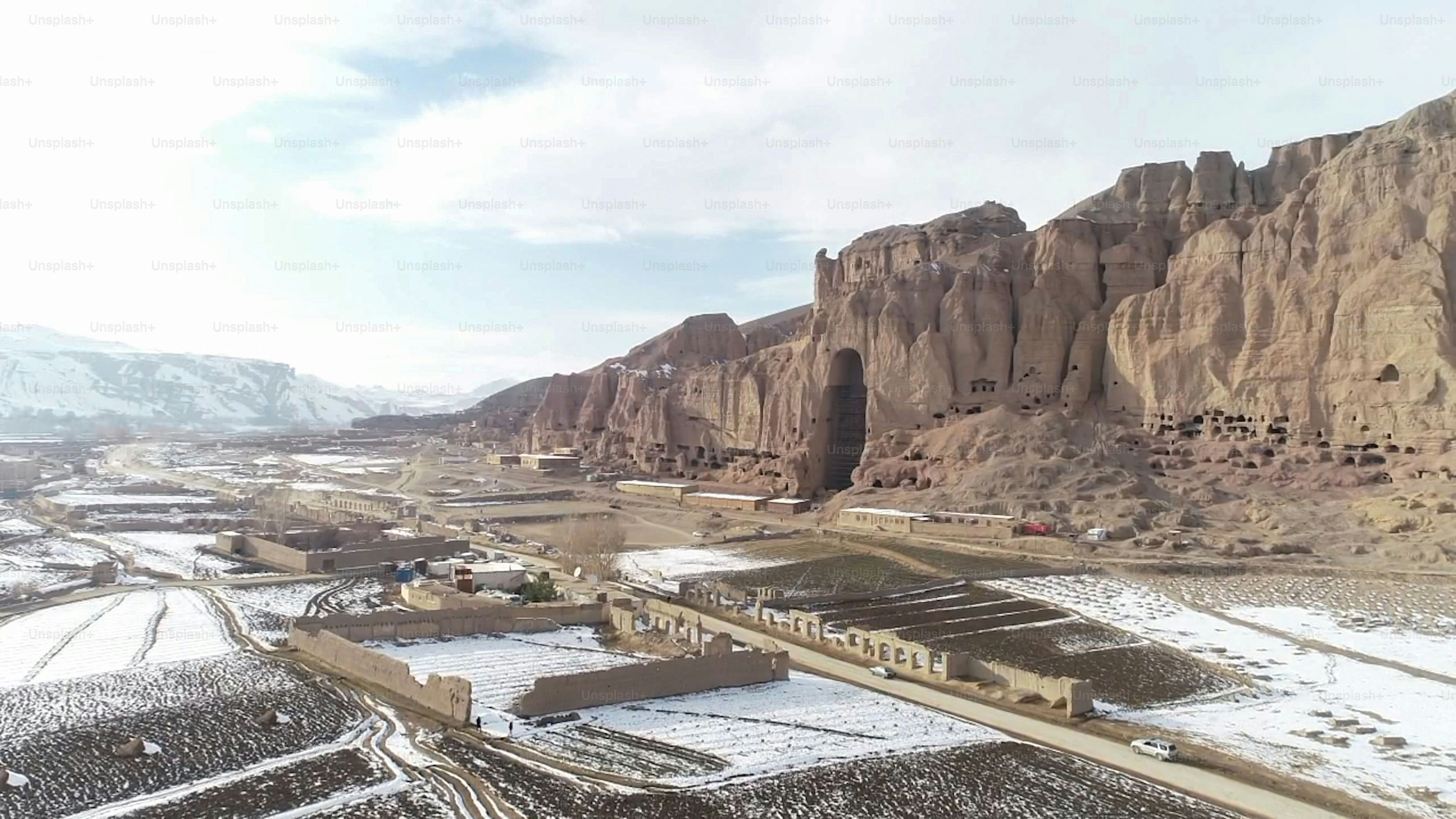
TL;DR: Is an eSIM for Afghanistan worth it?
An eSIM from Hello is a practical way to arrange Afghanistan travel internet before departure, but coverage and service reliability can vary sharply outside major cities. Hello offers prepaid eSIM connectivity in more than 200 countries, with Afghanistan plans available through the Hello app; plans start from 5GB and prices are updated live, so check the current Afghanistan eSIM plan before buying.
For a typical one-week visit, 5GB is suitable for maps, messaging, translation, email, and occasional social media. Download essential maps and documents before travelling, keep your phone unlocked, and activate the Hello eSIM while connected to Wi-Fi. Kabul and other provincial capitals generally offer the most usable mobile data, while remote roads and mountainous areas may have weak or intermittent service. Afghanistan’s telecom market includes AWCC, Roshan, Etisalat Afghanistan, and Salaam, with Roshan and AWCC commonly reported as strong urban networks. An eSIM provides data convenience, but it cannot guarantee coverage where local infrastructure or security conditions limit service.
Best Afghanistan eSIM Plan for Different Travel Styles
The best Afghanistan eSIM plan depends mainly on trip length, navigation needs, and whether you will use Wi-Fi at hotels or guesthouses. As a useful starting point, choose 5GB for light use, 10GB for frequent navigation and messaging, and more data only if you expect to tether a laptop or make regular video calls.
Hello’s Afghanistan plans start from 5GB, and prices are displayed live in the Hello app because availability and pricing can change. Use the following estimates to plan your usage rather than treating them as fixed prices:
| Trip style | Suggested data | Typical use | Planning note |
|---|---|---|---|
| 5–7 days, light use | 5GB | Maps, WhatsApp, email, translation | Best when accommodation has Wi-Fi |
| 7–14 days, regular use | 10GB | Daily navigation, uploads, social media | A comfortable choice for city travel |
| 2–4 weeks, heavier use | 15–20GB or more | Frequent calls, photos, hotspot use | Check live Hello pricing before purchase |
A 5GB allowance can last a week if you disable automatic photo backups and download offline maps. Video streaming consumes data quickly, so use Wi-Fi where available. For current availability, visit Hello eSIM for Afghanistan or check the Hello app before departure. Hello also includes trip planning and budget tools, which can help you monitor connectivity spending alongside transport and accommodation.
Afghanistan Mobile Network Coverage: Kabul, Cities, and Remote Routes
Afghanistan mobile data is generally most dependable in Kabul and other urban centres, while coverage becomes less predictable on rural roads, in valleys, and across mountainous regions. Current industry reports identify AWCC, Roshan, Etisalat Afghanistan, and Salaam as major operators, with Roshan and AWCC often described as reliable choices in Kabul’s urban core.
Kabul’s central neighbourhoods—including Wazir Akbar Khan, Shar-e-Naw, and Shahr-e-Naw—typically offer the best chance of usable 4G/LTE service. Coverage is also generally workable in larger cities such as Herat, Kandahar, and Mazar-i-Sharif, although speeds and uptime can vary. Reports indicate that Etisalat serves all 34 provinces and 182 districts, while broader network coverage claims should be treated as approximate because performance can change with outages, maintenance, congestion, and local restrictions.
Expect more variable service beyond city limits. Main highways may have intermittent connectivity between towns, but a signal is not guaranteed in remote areas. Before leaving Kabul, download offline maps, translation packs, accommodation details, and emergency contacts. Keep a power bank with you, since electricity interruptions can make it difficult to recharge a phone or portable hotspot. Hello eSIM data works only where its supported local network has usable coverage; it does not replace offline preparation.
How to Set Up Hello eSIM Afghanistan Before You Fly
Install your Hello eSIM before departure, but wait to enable its data line until you arrive in Afghanistan so setup is completed with reliable Wi-Fi and your main SIM remains available. Your phone must support eSIM technology and be carrier-unlocked; check both points before purchasing.
Recommended setup steps:
- Buy the Afghanistan plan in the Hello app while connected to stable Wi-Fi.
- Open the installation instructions or QR code provided by Hello.
- On iPhone, go to Settings → Cellular → Add eSIM; on Android, use Settings → Network & internet or Connections → SIMs → Add eSIM. Menu names vary by manufacturer.
- Label the new line “Afghanistan” and keep your primary number enabled if you need calls or text messages.
- Set the Hello eSIM as the mobile-data line after landing.
- Turn off data roaming on your primary line to avoid accidental roaming charges.
- If required by the installation instructions, enable data roaming on the Hello line and restart the phone.
Test the eSIM before leaving Wi-Fi by confirming that the profile installed correctly; full service may not appear until you reach Afghanistan. Do not delete the eSIM during troubleshooting. Instead, check that the correct line is selected for mobile data, airplane mode is toggled off, and network selection is set to automatic. If service is delayed, restart the phone and move outdoors or to a location with stronger reception.
Afghanistan Travel Internet: Data-Saving and Practical Connectivity Tips
The safest way to manage Afghanistan mobile data is to combine Hello eSIM connectivity with offline tools, conservative data settings, and a backup charging plan. Mobile service can be useful for navigation and communication, but network availability may change without warning, especially outside major cities.
Before your flight, download Google Maps or another navigation service for the places on your itinerary, plus Dari and Pashto translation packs if supported by your preferred app. Save hotel addresses in both English and the local script, and keep screenshots of permits, bookings, driver details, and meeting points. Avoid relying on a single messaging app for urgent communication.
To stretch a 5GB plan:
- Disable automatic updates and cloud-photo syncing over mobile data.
- Turn off autoplay for video and social-media feeds.
- Use downloaded music, podcasts, maps, and translation files.
- Send compressed photos rather than full-resolution files.
- Use Wi-Fi for backups and video calls when the connection is trusted.
Carry a power bank of at least 10,000mAh and a universal adapter. In Kabul, hotels, cafés, and offices may offer Wi-Fi, but connection quality and privacy vary. Avoid entering sensitive information on unfamiliar public networks. Hello’s expense tools can scan receipts in different languages and currencies, split costs among travel companions, and track spending using automatic exchange-rate conversion—useful when connectivity, transport, and cash expenses are difficult to reconcile.
Common Questions About eSIM Afghanistan
Most travellers can use an eSIM from Hello for Afghanistan data if their phone is unlocked and eSIM-compatible, but they should confirm current plan availability and prepare for uneven local coverage. The questions below address the issues travellers most often encounter.
Does an eSIM work in Afghanistan? Hello offers Afghanistan eSIM connectivity through plans shown in its app and destination eSIM catalogue. Service depends on supported local networks and their coverage at your location.
Can I buy an Afghanistan eSIM before travelling? Yes. Buying before departure lets you install the profile using home or hotel Wi-Fi and arrive with a data option ready. Hello supports instant activation for its international eSIM plans; follow the plan’s activation conditions carefully.
Will Hello eSIM provide a local Afghan phone number? A travel eSIM is primarily intended for mobile data. Do not assume it includes a local number, traditional voice service, or SMS unless the specific Hello plan explicitly says so. Keep messaging apps available for communication.
How much data do I need for Afghanistan travel? For a seven-day city trip, 5GB is a reasonable starting point. Choose 10GB or more if you frequently upload photos, use live navigation, tether another device, or spend much of the day away from Wi-Fi.
Is coverage guaranteed everywhere? No. Kabul and major cities generally have better service than remote routes, valleys, and rural districts. Download essential information before travelling beyond reliable coverage.
Using Hello for Connectivity, Trip Planning, and Travel Budgets
Hello is useful for Afghanistan trips because it combines prepaid eSIM connectivity with planning and expense-management tools in one travel companion app. Alongside Hello eSIM plans for 200+ countries, the app supports trip planning, budget tracking, and expense splitting for groups travelling across multiple currencies.
For example, two travellers spending a week in Kabul might use a 5GB plan for maps and messages, record accommodation and driver payments in the app, and split shared costs automatically even when expenses are entered in different currencies. AI receipt scanning can read receipts in various languages and currencies, while voice entry is helpful when typing is inconvenient. Bank-statement import supports CSV and PDF files, and AI-powered categorisation can separate transport, food, accommodation, and connectivity costs.
Check the live Afghanistan plan price in Hello before purchase because prices and available data allowances can change. Install the app, buy the plan, and complete setup over dependable Wi-Fi before departure. For destination planning, pair your connectivity checklist with the Afghanistan travel guide, then save offline copies of essential addresses and reservations. Connectivity should support your plans—not be the only way to access them—so keep printed or saved backups for important logistics.
Explore These Destinations
Stay Connected
🌍 eSIM Plans for Afghanistan
Stay connected in Afghanistan
Get an eSIM before you land. Hello gives you instant data in 200+ countries — no SIM swaps, no roaming fees.
Related Articles
Afghanistan Currency & Money Guide: Exchange, Cards, and Tips
Currency exchange, credit card acceptance, ATM tips, tipping culture, and money-saving advice for Afghanistan.
23 July 2026
Afghanistan Safety Guide: Tips for a Safe Trip
Safety tips, health advisories, emergency contacts, common scams, and travel insurance advice for Afghanistan.
15 July 2026
Afghanistan Visa & Entry Requirements for Singapore Passport Holders
Visa requirements, passport validity, customs allowances, and entry tips for Singapore citizens travelling to Afghanistan.
6 July 2026