Afghanistan Safety Guide: Tips for a Safe Trip
Safety tips, health advisories, emergency contacts, common scams, and travel insurance advice for Afghanistan.
By Hello Travel Team
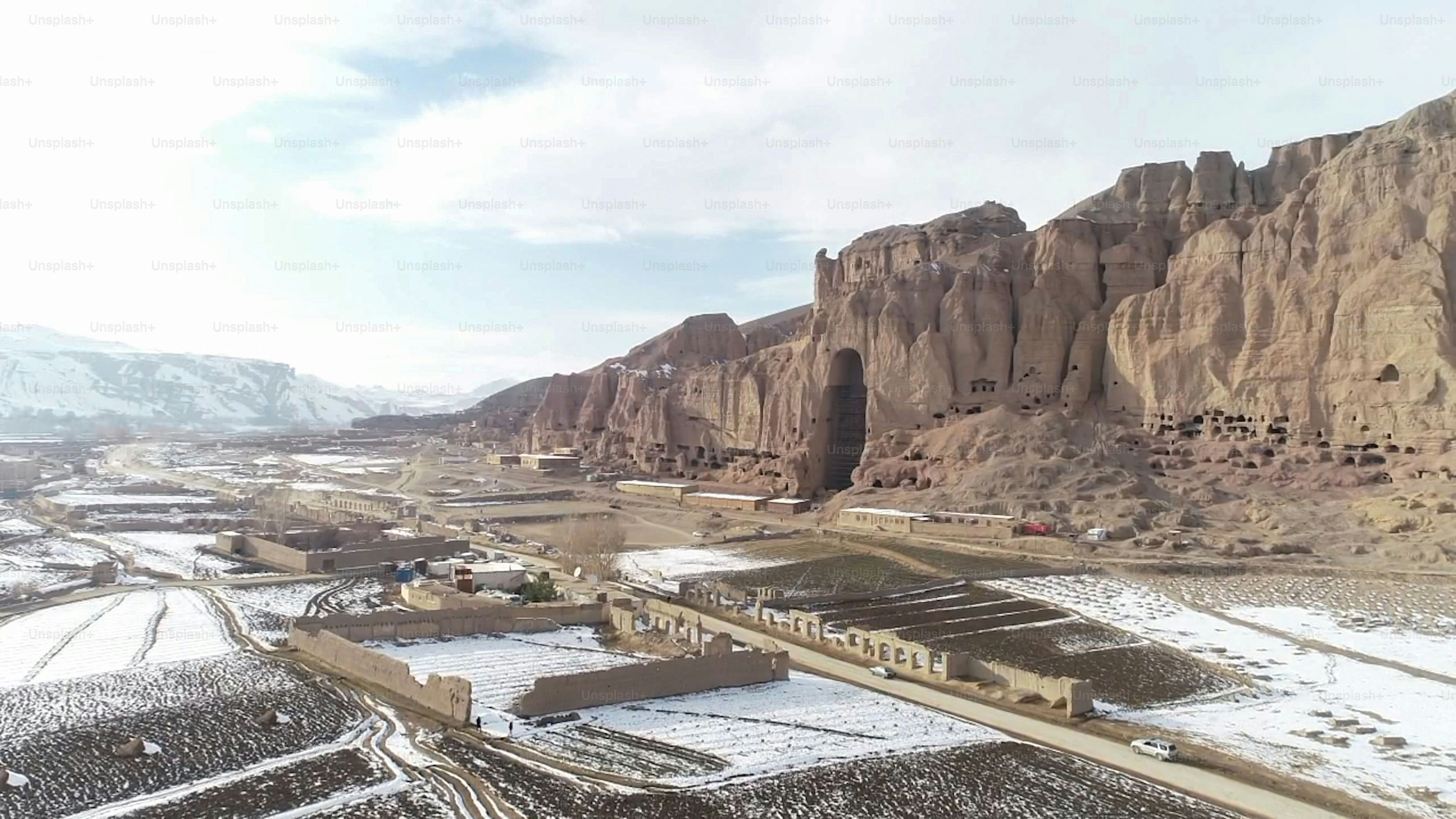
TL;DR: Is Afghanistan Safe for Travellers?
Afghanistan is currently not considered safe for tourism, and the most responsible answer to “is Afghanistan safe?” is no: Singapore’s Ministry of Foreign Affairs advises Singaporeans to defer all travel, while the U.S. Department of State rates the country Level 4—Do Not Travel. Risks include terrorism, kidnapping, wrongful detention, crime, civil unrest, limited medical care and rapidly changing local conditions. If travel is unavoidable, use professional security support, register with your government, carry comprehensive insurance and maintain a detailed evacuation plan. Singapore has no diplomatic presence in Afghanistan, so consular assistance is limited. This guide covers Afghanistan travel safety, health preparation, emergency numbers, scams and practical risk-reduction steps for essential visitors rather than ordinary holidaymakers.
Afghanistan Travel Safety: Main Risks and Practical Planning
Afghanistan is not a conventional independent-travel destination; visitors should travel only when the purpose is essential, professionally supported and covered by a specialist security plan. The U.S. advisory lists terrorism, kidnapping, crime, civil unrest, health risks, natural disasters and wrongful detention, while Singapore’s MFA advises Singaporeans to defer all travel and eRegister before departure.
Before going, confirm visa and entry requirements with the relevant authorities, obtain written permission for photography or sensitive work, and arrange airport transfers, accommodation and local security in advance. Avoid travelling alone between provinces, especially after dark. Keep a low profile, dress conservatively, do not photograph checkpoints, government buildings, military sites, airports or demonstrations, and follow instructions from local authorities.
| Situation | Recommended approach |
|---|---|
| Tourism or sightseeing | Postpone; official advisories recommend against travel |
| Essential business or humanitarian work | Use vetted security and medical evacuation providers |
| Road travel | Pre-arranged driver, daylight movement and route tracking |
| Accommodation | Secure compound with controlled access and contingency plans |
| Communications | Carry charged phones, backup power and offline contacts |
Conditions can change without warning. Share your itinerary with trusted contacts, establish check-in times and keep copies of your passport, visa, insurance policy and emergency plan separately from the originals.
Afghanistan Scams, Crime and Local Customs to Know
The safest way to handle Afghanistan scams is to avoid improvised arrangements, unsolicited guides and requests that draw attention to your money, documents or movements. Common problems can include inflated transport prices, unofficial “fees,” fake guides, fraudulent visa or permit assistance, currency-exchange manipulation, counterfeit currency and pressure to hand over phones or documents at informal checkpoints.
Use a reputable host, employer or security provider to arrange drivers, hotels and interpreters. Agree on fares before entering a vehicle and pay in small denominations where possible. Count change discreetly, use established exchange points, and never display large amounts of cash. Keep your passport secured unless an authorised official requires it, and ask for a receipt for legitimate payments. If someone claims an urgent fine or permit problem, request verification through your local sponsor rather than paying immediately.
Cultural awareness is a safety measure. Wear loose, conservative clothing; women should consider a head covering according to local expectations and the area visited. Ask before photographing people, avoid political or religious arguments, and do not assume that customs are identical across Kabul and the provinces. LGBTQ+ travellers face particularly serious legal and social risks and should obtain specialist advice before considering any travel. Solo female travellers should not move independently and should arrange a trusted female or professional escort where appropriate.
Afghanistan Emergency Numbers and Singapore Consular Help
Save emergency contacts before departure, but do not assume every number will connect reliably: Afghanistan’s emergency services can be inconsistent, language support varies and some lines may require a local phone connection. Published guidance commonly lists 119 or 100 for police, 102 for ambulance or medical assistance, and 112 for fire; verify numbers locally through your host, hotel or security provider before travelling.
Singaporeans should contact Singapore’s 24-hour Ministry of Foreign Affairs Duty Office at +65 6379 8800 or +65 6379 8855 for urgent consular assistance. Singapore has no diplomatic presence in Afghanistan, which limits the assistance available during detention, evacuation or a major crisis. Singaporean travellers should eRegister with MFA and monitor official advisories.
Keep these details in several formats:
- Local host, driver, security provider and medical evacuation contact
- Hotel or compound emergency desk
- Nearest hospital identified by your security or medical provider
- MFA Duty Office numbers written on paper
- Insurance assistance number and policy reference
- Passport, visa and emergency-contact copies stored offline
In a crisis, move away from crowds and checkpoints if safe, follow local security instructions, avoid posting live locations online and contact your provider before attempting independent evacuation. Emergency numbers are not a substitute for a professional crisis plan.
Afghanistan Health Advice: Vaccinations, Water and Medical Care
Afghanistan requires medical preparation well before departure because healthcare access, medicines, diagnostics and emergency evacuation can be limited outside major urban areas. The CDC advises travellers to be current on routine vaccines, polio and measles protection, and recommends hepatitis A vaccination for unvaccinated travellers; malaria prevention may also be needed for certain areas. See a travel-medicine clinician at least one month before departure.
Discuss itinerary-specific protection for typhoid, hepatitis B, rabies, meningitis, influenza, COVID-19 and other vaccines or medicines with a qualified clinician. Carry prescriptions in original packaging, a medical letter, spare supplies and a compact first-aid kit. Include oral rehydration salts, hand sanitiser, insect repellent, sunscreen and water-purification supplies.
Drink factory-sealed or properly treated water, including when brushing your teeth. Avoid ice unless its source is reliable, and choose food that is thoroughly cooked and served hot. Wash hands frequently and be cautious with raw salads, unpeeled fruit and dairy products. Do not touch stray dogs or other animals; seek urgent medical advice after any bite or scratch because rabies treatment may not be readily available locally.
Comprehensive insurance should include medical treatment, emergency evacuation, repatriation, political evacuation where available, kidnapping-related support if appropriate, and cover for the destination’s advisory level. Many standard policies exclude travel against government advice, so obtain written confirmation before paying for the trip.
Solo Female, LGBTQ+ and Connectivity Safety Tips
Solo female and LGBTQ+ travellers should treat Afghanistan as a high-risk environment rather than a destination suitable for independent exploration. Women may face restrictions on movement, dress, employment, photography and access to services that vary by location and can change quickly. LGBTQ+ people may face severe legal, social and personal danger, and public disclosure of identity or relationships can increase risk.
If essential travel cannot be postponed, use a vetted organisation, a trusted local security adviser and pre-arranged transport. Avoid walking alone, public demonstrations, nightlife and isolated areas. Keep accommodation details private, use conservative clothing, limit social-media posting and never share real-time routes publicly. Establish a daily check-in protocol with a person outside the country and agree what action follows a missed check-in.
Reliable communication is part of contingency planning, but mobile coverage and internet access can vary. Hello’s travel companion app offers Hello eSIM plans for 200+ countries, with plans starting from 5GB and instant activation before departure; check Hello eSIM for Afghanistan for current availability and pricing. Download essential maps, translations, contacts and documents before arrival because connectivity may fail. Hello also supports multi-currency expense tracking, AI receipt scanning and expense splitting, useful when several travellers share transport or security costs; keep a cash backup because digital payments may not work.
Common Questions About Afghanistan Travel Safety
The short answer to the most common questions is that Afghanistan is currently unsuitable for ordinary tourism, and even essential travel requires professional planning, specialist insurance, reliable local support and a realistic evacuation strategy.
Is Afghanistan safe for tourists? No. Singapore’s MFA advises Singaporeans to defer all travel, and the U.S. advisory says Do Not Travel. These warnings reflect terrorism, kidnapping, wrongful detention, crime, unrest and limited healthcare.
What are Afghanistan’s emergency numbers? Commonly published numbers are 119 or 100 for police, 102 for ambulance and 112 for fire. Confirm them locally because availability and routing may vary.
Can Singaporeans get help from an embassy in Afghanistan? Singapore has no diplomatic presence in Afghanistan. Contact the MFA Duty Office at +65 6379 8800 or +65 6379 8855 and eRegister before departure.
Is tap water safe? Treat it as unsafe unless a trusted medical or accommodation provider confirms otherwise. Use sealed or purified water, including for brushing teeth.
What insurance is needed? Choose specialist cover that explicitly accepts the destination and advisory conditions and includes medical evacuation, repatriation and crisis assistance. Obtain the exclusions in writing.
Can women or LGBTQ+ travellers visit alone? Independent travel carries serious risks. Arrange professional support and obtain current specialist advice; LGBTQ+ travellers should be especially cautious because legal and social protections are extremely limited.
Explore These Destinations
Stay Connected
🌍 eSIM Plans for Afghanistan
Ready for Afghanistan?
eSIM data, expense splitting, budget tracking, and more. Everything you need for a smooth trip in one app.
Related Articles
Afghanistan Currency & Money Guide: Exchange, Cards, and Tips
Currency exchange, credit card acceptance, ATM tips, tipping culture, and money-saving advice for Afghanistan.
23 July 2026
Afghanistan Visa & Entry Requirements for Singapore Passport Holders
Visa requirements, passport validity, customs allowances, and entry tips for Singapore citizens travelling to Afghanistan.
6 July 2026
eSIM for Afghanistan: Best Plans, Coverage, and Setup Tips
Everything you need to know about using eSIM in Afghanistan. Best data plans, network coverage, and setup instructions.
27 June 2026