Czech Republic Travel Budget Guide: Daily Costs and Money Tips
How much does it cost to travel in Czech Republic? Daily budget breakdowns for budget, mid-range, and luxury travellers.
By Hello Travel Team
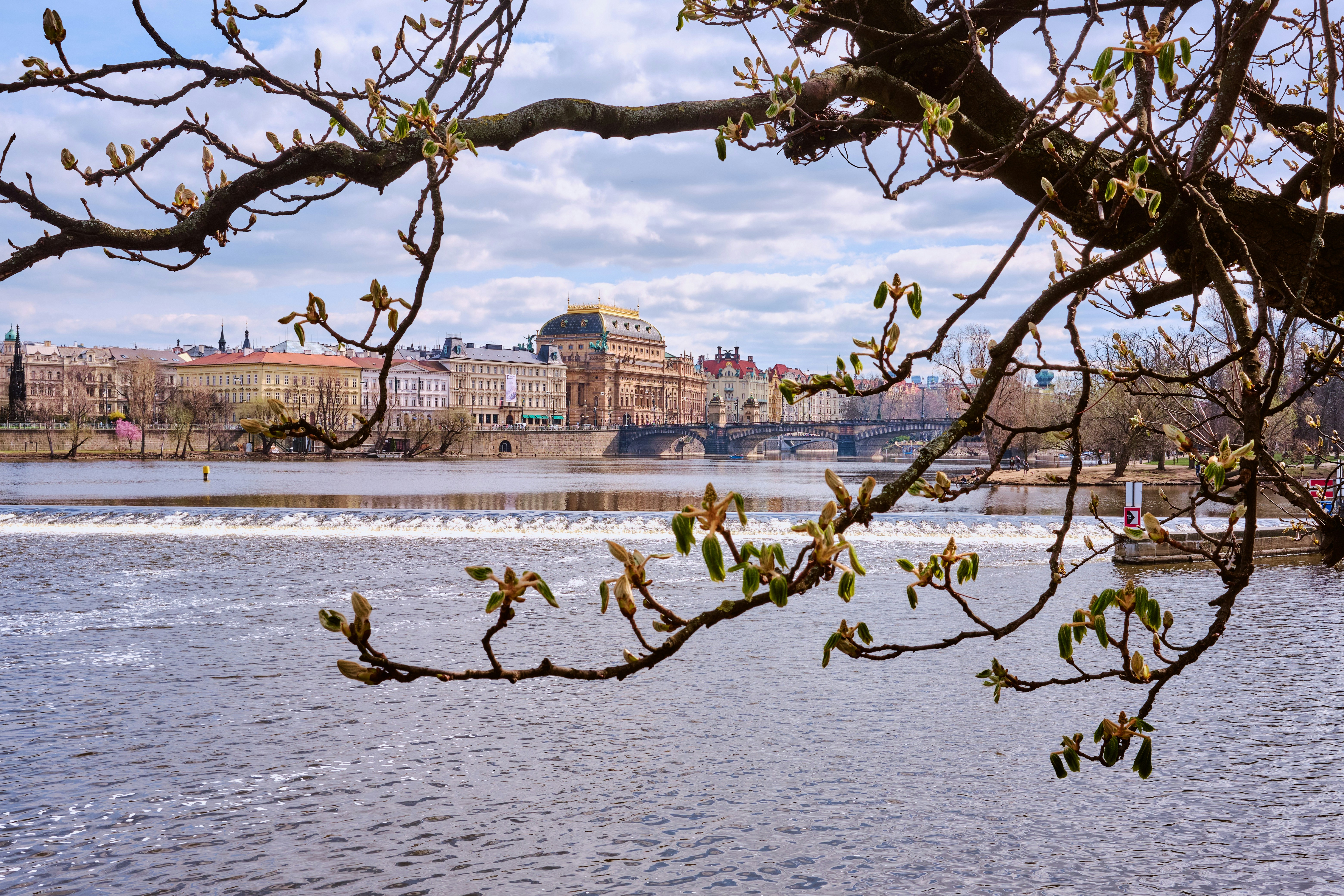
TL;DR: Czech Republic Travel Cost at a Glance
A realistic Czech Republic travel budget is approximately $45–70 per person per day for budget travel, $90–160 for a comfortable mid-range trip, and $220 or more for luxury, using 2026 prices. Prague costs more than regional destinations, but affordable public transport, local restaurants, and free sightseeing keep the overall Czech Republic travel cost manageable. In Prague, a 24-hour public-transport ticket costs CZK 150, while a 72-hour ticket costs CZK 350, according to Prague’s public transport authority. For a seven-day trip, plan roughly $315–490 on a budget, $630–1,120 mid-range, or $1,540-plus for luxury, excluding international flights.
Czech Republic Daily Expenses: Budget, Mid-Range, and Luxury
Most travellers should budget $45–70 daily for a hostel-based trip, $90–160 for a comfortable holiday, or $220–400-plus for premium hotels, private transport, and high-end dining in 2026. Your biggest variable is accommodation: Prague’s central districts can cost twice as much as smaller Czech cities or neighbourhoods outside the historic centre.
| Travel style | Accommodation | Food | Transport and activities | Total per day |
|---|---|---|---|---|
| Budget | $20–35 | $15–25 | $10–15 | $45–70 |
| Mid-range | $55–95 | $25–45 | $10–20 | $90–160 |
| Luxury | $140–280+ | $60–120+ | $25–80+ | $220–400+ |
A budget traveller might stay in a dorm, eat breakfast from a bakery, have lunch at a casual Czech pub, and walk between attractions. A mid-range traveller could choose a three-star hotel, mix cafés with sit-down restaurants, and take occasional day trips. Luxury costs rise quickly with five-star accommodation, private transfers, tasting menus, and spa experiences. Prices are estimates in US dollars; exchange rates fluctuate, so track spending in Czech koruna, written as Kč or CZK.
Accommodation Costs in Prague and Beyond
Accommodation usually determines how much a Czech Republic trip costs, with Prague’s Old Town and Lesser Town commanding the highest rates and regional cities offering better value. In 2026, expect dorm beds from $20–35 per night, simple private rooms from $45–80, and comfortable central hotels from $90–180, while luxury properties can exceed $250 nightly.
Prague’s most expensive areas include Staré Město, Malá Strana, and the streets around Charles Bridge and Wenceslas Square. Staying near Vinohrady, Žižkov, Holešovice, or Karlín can reduce costs while keeping you close to trams and metro stations. For a quieter and often cheaper base, consider Brno, Olomouc, Český Krumlov, or Plzeň, although Český Krumlov can become expensive during peak summer weekends.
Book spring, summer, and December dates early, particularly if your itinerary includes Prague or Český Krumlov. A useful saving strategy is to stay near a tram or metro line rather than directly beside an attraction. Prague’s transport network makes this practical: a 24-hour ticket costs CZK 150, and a 72-hour ticket costs CZK 350. Regional guesthouses may also include breakfast, making them good value for travellers managing Czech Republic daily expenses.
Food, Drinks, and Everyday Czech Republic Budget Guide
Food can cost $15–25 per day on a tight budget, $25–45 for comfortable dining, or $60–120-plus for upscale restaurants in 2026. Local Czech food is generally better value away from the most tourist-focused streets, where menus may carry higher prices and service charges can be less transparent.
A bakery breakfast with coffee may cost CZK 100–180, while a casual lunch special, or polední menu, often ranges from CZK 160–250. A traditional meal such as svíčková, goulash, or roast duck in a neighbourhood hospoda commonly costs CZK 220–400. Expect CZK 50–90 for a half-litre of local beer in a casual pub, though central Prague venues may charge substantially more. Coffee and cake usually cost CZK 120–220 in a popular café.
For savings, eat lunch as your main restaurant meal, shop at supermarkets for breakfast supplies, and look for daily menus displayed in Czech. Tipping is customary but not compulsory; rounding up or leaving around 5–10% for good service is reasonable. Always check whether a cover charge or service fee appears on the bill, and pay in Czech koruna when possible to avoid unfavourable dynamic currency conversion.
Transport, Attractions, and Day-Trip Costs
Public transport and self-guided sightseeing make Czech Republic travel costs surprisingly manageable: many of Prague’s most memorable experiences are free, while paid attractions and intercity trains form the main activity expenses. In Prague, 30-minute and 90-minute tickets cost CZK 39 and CZK 50, while app-purchased fares can be slightly cheaper, according to Prague City Tourism.
Budget approximately CZK 150–300 daily for attractions if you choose one or two paid sights. Prague Castle buildings, museums, observation towers, and river cruises vary by ticket type, so confirm current prices before visiting. Charles Bridge, Old Town Square, Letná Park, Petřín viewpoints, and many historic streets can be explored without admission.
For travel between cities, reserve roughly CZK 200–600 each way for common train or bus journeys, depending on distance, operator, booking time, and seat class. A Prague–Kutná Hora day trip is usually cheaper than a guided excursion, while Český Krumlov often costs more because of its popularity. Buy tickets from official railway or bus channels, validate local transport tickets correctly, and remember that airport taxis or private transfers can quickly exceed the cost of a public-transport journey.
Money-Saving Tips and Staying Connected in Czechia
The easiest way to lower your Czech Republic daily expenses is to combine free sightseeing, lunch specials, public transport, and accommodation outside the historic core while keeping a small amount of cash for smaller businesses. Czechia uses the Czech koruna rather than the euro, although some tourist businesses display euro prices; paying in koruna is usually clearer.
Avoid currency exchange offices advertising “0% commission” without checking the final rate, and decline card-terminal conversion into your home currency when offered. Carry a backup card and a modest amount of cash for market stalls, public toilets, lockers, or small pubs. ATMs attached to established banks are generally preferable to standalone tourist machines.
Connectivity also helps with budgeting. An eSIM from Hello for Czech Republic can provide mobile data for maps, transport apps, translation, reservations, and contactless travel planning as soon as you arrive. The Hello app also supports multi-currency budget tracking, AI receipt scanning, bank-statement imports, and expense splitting in different currencies—useful when friends share accommodation, meals, or train tickets. Before departure, set a daily spending limit and record costs in CZK so exchange-rate changes do not hide overspending.
Common Questions About Czech Republic Travel Cost
Travellers commonly ask whether Czechia is cheap, how much cash to carry, and whether Prague or other cities offer better value. The short answer is that Czechia remains affordable by many European standards, but central Prague, peak-season accommodation, and tourist-oriented restaurants can significantly increase the final bill.
How much does a seven-day Czech Republic trip cost? Budget travellers should plan approximately $315–490 per person, mid-range travellers $630–1,120, and luxury travellers at least $1,540, excluding international flights.
Is Prague expensive compared with the rest of Czechia? Yes. Prague generally has the country’s highest accommodation and restaurant prices. Brno, Olomouc, Ostrava, and smaller towns can offer better value, although major festivals and peak weekends affect prices everywhere.
Is Czechia cashless? Cards are widely accepted in hotels, supermarkets, transport apps, and established restaurants, but cash remains useful for small pubs, markets, public toilets, and rural businesses.
How much should I budget for food? Allow $15–25 daily for simple meals, $25–45 for a comfortable mix of cafés and restaurants, or $60-plus for premium dining and drinks.
How much do Prague transport tickets cost? Current official fares include CZK 39 for 30 minutes, CZK 50 for 90 minutes, CZK 150 for 24 hours, and CZK 350 for 72 hours.
Explore These Destinations
Stay Connected
🇨🇿 eSIM Plans for Czech Republic
Track your Czech Republic trip budget
Split expenses with friends, track spending by category, and see real-time currency conversions — all in one app.
Related Articles
Czech Republic Currency & Money Guide: Exchange, Cards, and Tips
Currency exchange, credit card acceptance, ATM tips, tipping culture, and money-saving advice for Czech Republic.
25 July 2026
Czech Republic Safety Guide: Tips for a Safe Trip
Safety tips, health advisories, emergency contacts, common scams, and travel insurance advice for Czech Republic.
17 July 2026
Czech Republic Visa & Entry Requirements for Singapore Passport Holders
Visa requirements, passport validity, customs allowances, and entry tips for Singapore citizens travelling to Czech Republic.
8 July 2026