Cameroon Safety Guide: Tips for a Safe Trip
Safety tips, health advisories, emergency contacts, common scams, and travel insurance advice for Cameroon.
By Hello Travel Team
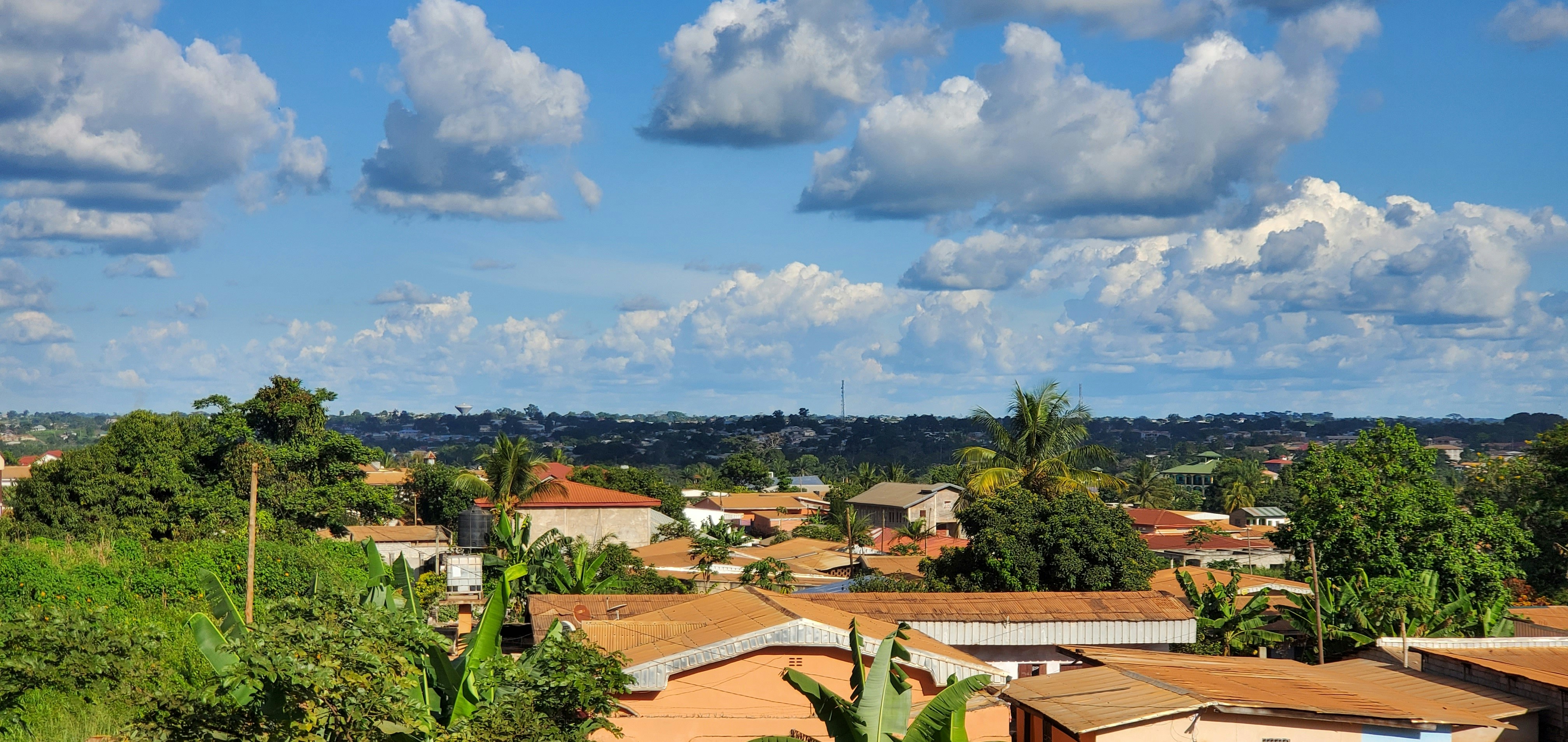
TL;DR: Is Cameroon Safe to Visit?
Cameroon can be a rewarding destination for experienced travellers, but it comes with real security and health risks, especially in specific regions, so smart planning and situational awareness are essential for a safe trip. Focus on safer areas, follow official advisories, and invest in good insurance.
According to recent travel advisories, Cameroon is generally rated Level 2 – Exercise Increased Caution, with some regions elevated to Do Not Travel due to crime, kidnapping, terrorism, and armed conflict, especially in the Far North, Northwest, and Southwest regions as well as parts of the East and Adamawa Regions (per the U.S. State Department and other government sources). This means many travellers visit without major issues, but risk is significantly higher than in more typical holiday destinations.
If you’re wondering “is Cameroon safe?”, the short answer is: it can be, if you avoid high‑risk areas, stick to cities and regions with better security, use trusted transport, stay in secure accommodation, and keep a low profile. Reliable connectivity, such as a Hello eSIM, and strong travel insurance further increase your safety margin.
This guide covers practical Cameroon travel safety tips, common scams, emergency numbers, health advice (including yellow fever and malaria), solo female and LGBTQ+ traveller considerations, plus how tools like the Hello app can help you stay connected, track expenses, and handle unexpected situations more confidently.
Overall Cameroon Travel Safety: Where You Go Matters Most
Cameroon offers vibrant culture and wildlife, but overall safety depends heavily on where you travel, with some regions considered unsafe and best avoided altogether by tourists. Focus your itinerary on more stable areas and stay updated on official security advisories.
Government advisories consistently classify Cameroon as Exercise Increased Caution, with explicit Do Not Travel warnings for the Far North, Northwest, Southwest, and certain parts of the East and Adamawa Regions, due to armed violence, crime, kidnapping, and terrorism (as noted by the U.S. State Department and OSAC country security reports). In contrast, cities like Yaoundé and Douala are widely used by business travellers and NGOs, though petty crime, mugging, and carjacking can still occur.
Practical tips for safer Cameroon travel:
- Choose reputable hotels or guesthouses with visible security, locked gates, and 24/7 reception.
- Avoid walking or driving at night, particularly between cities and in poorly lit neighbourhoods.
- Keep valuables out of sight, and carry bags on the side away from the street to deter drive‑by snatching.
- Use pre‑arranged, trusted taxis rather than street‑hailed ones.
According to multiple safety assessments, foreign visitors can and do travel successfully in Cameroon, but it’s not a destination for carefree, last‑minute trips. Treat safety planning as part of your itinerary—checking advisories, registering with your embassy, and staying connected via a Hello eSIM for real‑time updates and navigation all help reduce risk.
Emergency Numbers, Embassies and Staying Connected in Cameroon
In Cameroon, knowing the right emergency numbers, embassy contacts, and how to stay connected can make a major difference if something goes wrong, especially given variable response times and infrastructure. Save key contacts before you land and keep them accessible offline.
Cameroon uses separate numbers for emergency services:
- Police: 117
- Ambulance/medical: 112
- Fire brigade: 119
These numbers are reported by multiple travel safety sources, though reliability and response speed can vary, especially outside major cities. In an emergency, many travellers also contact their hotel or local host, who may be able to coordinate faster help.
Singapore does not currently maintain a resident embassy in Cameroon; Singaporean travellers are generally assisted by regional embassies (often in neighbouring countries like Nigeria) or via the Ministry of Foreign Affairs in Singapore. It is wise to check the latest MFA guidance before travel, register your trip, and note emergency consular contacts that apply to Cameroon.
Because Cameroon lacks a robust public alert system (no nationwide SMS warning network), most updates on unrest, strikes, or security incidents are shared via radio, TV, and online channels. Having reliable mobile data through Hello’s eSIM plans for Cameroon lets you:
- Use maps to avoid protest sites or unsafe neighbourhoods.
- Check embassy alerts and news in real time.
- Keep WhatsApp contact with local guides and family.
You can buy and activate a Hello eSIM for Cameroon before departure, arrive connected, and store your emergency numbers, hotel details, and scanned documents directly in your phone for quick access.
Health Advisories, Vaccinations, and Water Safety in Cameroon
Health risks in Cameroon mainly revolve around infectious diseases like yellow fever and malaria, plus food and water hygiene, so pre‑trip vaccinations and preventive habits are essential for a safe, healthy visit. Plan a travel clinic appointment several weeks before you fly.
Yellow fever vaccination is mandatory for entry to Cameroon for travellers over 9 months old, and you must carry an official certificate (often called a “yellow card”). Travel medicine sources and government advisories stress that this is checked at the border. Major health organisations also recommend being up to date on routine vaccines plus hepatitis A, typhoid, and meningitis, and sometimes rabies depending on your activities.
Cameroon is classified as a high‑risk malaria country year‑round, so most travellers are advised to take chemoprophylaxis (anti‑malarial tablets), use DEET‑based repellent, sleep under nets, and wear long sleeves in the evening. Malaria prevention remains critical even for short city stays.
Water and food safety tips:
- Drink only bottled or filtered water; avoid ice unless you trust the source.
- Stick to well‑cooked food; be cautious with roadside grills and salads washed in tap water.
- Carry a basic medical kit: oral rehydration salts, antiseptic, painkillers, and any personal meds.
If you become ill, larger cities like Yaoundé and Douala have private clinics used by expats, but standards vary and serious cases are often stabilised for medical evacuation. Comprehensive travel insurance with emergency medical and evacuation cover is important here, especially since hospital deposits may be required in cash.
Common Scams, Crime Risks and How to Avoid Them in Cameroon
Most visitors to Cameroon encounter petty crime and opportunistic scams rather than violent attacks, but issues like express kidnappings in taxis, bag snatching, and overcharging are serious enough to warrant careful precautions. The best defence is using trusted transport and keeping a low profile.
Travel safety reports describe several common Cameroon scams and crime risks:
- Taxi scams and express kidnapping: In some cases, drivers or accomplices may rob or briefly abduct passengers to force ATM withdrawals.
- Street theft and bag snatching: Motorbike taxis can grab bags from pedestrians; crowded markets see frequent pickpocketing.
- Fake helpers and “guides”: At bus stations or tourist sites, people may insist on helping with luggage or tickets, then demand high tips or steal items.
- Overcharging tourists: In markets and informal taxis, prices can be inflated several‑fold.
To reduce your risk:
- Arrange taxis via your hotel; avoid street‑hailed vehicles and bush taxis or overcrowded minibuses, which safety sources consistently advise against.
- Negotiate fares before rides, and avoid sharing taxis with unknown passengers.
- Keep phones and wallets in zipped pockets; carry only small cash amounts.
- In markets like Mokolo in Yaoundé or New Bell in Douala, stay alert, go during daytime, and avoid wearing visible jewellery.
A simple safety routine—no night travel, no roadside taxis, no display of wealth—dramatically lowers your risk of Cameroon scams. Using Hello’s budget tracking and expense splitting features can also help you monitor spending and quickly spot suspicious charges from shared trips or group payments.
Solo Female and LGBTQ+ Traveller Safety in Cameroon
Solo female and LGBTQ+ travellers can visit Cameroon, but should take extra precautions, adopt conservative behaviour in public, and be prepared for limited legal protections and social conservatism. It’s a destination better suited to confident, experienced travellers rather than first‑time solo explorers.
Solo female travellers face similar risks to other visitors—petty crime, unsafe transport, and harassment—but may also encounter extra unwanted attention, especially when alone at night or in bars. Safety guidance for women strongly recommends:
- Staying in mid‑range or higher hotels with good security rather than remote guesthouses.
- Avoiding walking alone after dark; use trusted taxis booked by your accommodation.
- Dressing modestly, particularly outside major cities and in religious areas.
- Being cautious with alcohol and always watching your drink.
For LGBTQ+ travellers, Cameroon’s legal and social context is conservative; same‑sex relations are criminalised and social attitudes can be hostile. Public displays of affection—regardless of gender—can attract unwanted attention, and many visitors choose to keep their relationship status private in public spaces. This doesn’t mean you cannot travel, but it does mean you should:
- Avoid overt LGBTQ+ expressions in public, especially in smaller towns.
- Use discretion when discussing partners or sharing photos with strangers.
- Prioritise safe, international‑style accommodation options where staff are used to diverse guests.
Because some areas can feel isolating, staying connected via a Hello eSIM helps solo travellers share live locations with trusted contacts, check routes before heading out, and quickly look up neighbourhood safety or embassy contact details if a situation feels uncomfortable.
Common Questions on Cameroon Safety, Insurance, and Practical Logistics
Most travellers’ questions about Cameroon safety focus on crime levels, regional risk, health issues, and whether travel insurance is truly necessary; the short answer is that thorough preparation, strong insurance, and cautious behaviour are non‑negotiable for this destination.
Q: Is Cameroon safe for tourists in 2026?
According to aggregated advisories, Cameroon is rated around Level 2 – Exercise Increased Caution, but with Level 4 – Do Not Travel warnings for regions like the Far North, Northwest, and Southwest. Many visitors travel safely in selected areas, but risks—especially crime and unrest—are higher than in typical holiday countries.
Q: What emergency numbers should I know?
Save 117 (police), 112 (ambulance), and 119 (fire) in your phone and on paper. Response times can vary; it’s wise to also note your hotel’s number and your embassy or consular contact.
Q: Do I really need travel insurance for Cameroon?
Yes. Comprehensive insurance with medical, evacuation, trip interruption, and theft coverage is strongly recommended. Hospitals may require cash deposits, and medical evacuation costs can easily run to tens of thousands of dollars.
Q: What vaccinations and health steps are recommended?
Yellow fever vaccination is required for entry, and health agencies advise malaria prophylaxis plus routine and travel vaccines (hepatitis A, typhoid, meningitis). Use repellent, nets, and bottled water.
Q: How can I keep track of costs in a cash‑heavy environment?
Cameroon is still largely cash‑based. Using the Hello app’s budget tracking, AI receipt scanning, and multi‑currency expense splitting helps you log cash payments, share group costs in CFA francs and other currencies, and avoid money disputes.
| Safety Topic | Key Takeaway for Travellers | Practical Tip |
|---|---|---|
| Overall risk | Increased caution; avoid conflict regions | Check advisories before booking & before departure |
| Crime & scams | Petty theft and taxi risks are common | Use hotel‑arranged taxis; keep valuables hidden |
| Health | Yellow fever & malaria are major concerns | Get vaccines early; take malaria tablets; use repellent |
| Emergencies | Separate numbers for police, ambulance, fire | Save 117, 112, 119 and embassy contacts in your phone |
| Insurance | Strongly recommended, not optional | Choose a policy with medical evacuation and theft cover |
| Connectivity | Supports navigation and real‑time updates | Activate a Hello eSIM before arrival to stay online |
Explore These Destinations
Stay Connected
🇨🇲 eSIM Plans for Cameroon
Ready for Cameroon?
eSIM data, expense splitting, budget tracking, and more. Everything you need for a smooth trip in one app.
Related Articles
Cameroon Currency & Money Guide: Exchange, Cards, and Tips
Currency exchange, credit card acceptance, ATM tips, tipping culture, and money-saving advice for Cameroon.
25 July 2026
Cameroon Visa & Entry Requirements for Singapore Passport Holders
Visa requirements, passport validity, customs allowances, and entry tips for Singapore citizens travelling to Cameroon.
7 July 2026
eSIM for Cameroon: Best Plans, Coverage, and Setup Tips
Everything you need to know about using eSIM in Cameroon. Best data plans, network coverage, and setup instructions.
28 June 2026