Cameroon Food Guide: Must-Try Dishes, Prices, and Tips
Best local dishes, street food, restaurant prices, dietary options, and food safety tips for Cameroon.
By Hello Travel Team
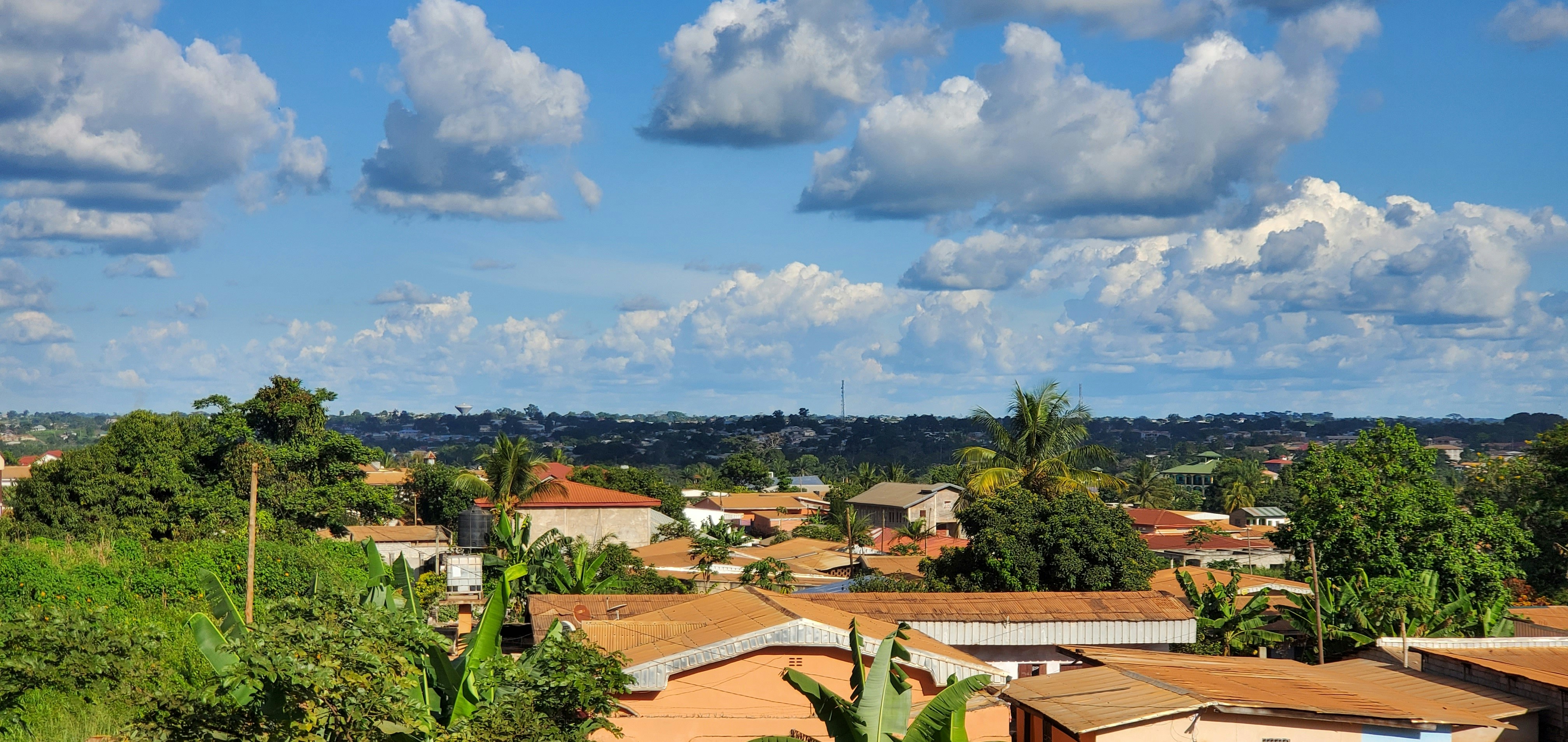
TL;DR: What to Eat in Cameroon and How Much It Costs
Cameroon’s food scene blends West and Central African flavors, with hearty stews, grilled meats, and street snacks costing as little as 500–1,500 XAF ($0.80–$2.50) in 2026 for a filling meal. For most travelers, a realistic daily food budget in Cameroon ranges from 6,000–15,000 XAF ($10–$25) depending on where and what you eat.
According to the World Bank, Cameroon’s inflation has hovered around 6–8% since 2023, so prices in 2026 can feel slightly higher than older guidebooks suggest, especially in major cities like Douala and Yaoundé. Local street food and neighborhood restaurants remain very affordable though, with generous portions and plenty of variety.
The biggest takeaway for any Cameroon food guide is this: you’ll find must-try dishes like ndolé (bitterleaf stew), grilled fish with plantains, and ndjapché (spiced pasta or rice) almost everywhere, from roadside stalls to mid-range restaurants. Expect to pay 1,500–3,500 XAF ($2.50–$6) in simple eateries and 4,000–8,000 XAF ($7–$13) in nicer spots.
To keep track of what you’re spending on food across multiple cities, the Hello app’s AI receipt scanning (in any language and currency) makes it easy to log everything from a 700 XAF ($1.15) beignet breakfast to a 10,000 XAF ($16.50) splurge dinner. You can also split bills with friends in different currencies while the app handles automatic conversion.
Cameroon Must-Try Food: Essential Dishes for First-Time Visitors
Cameroon’s must-try food list revolves around rich stews, grilled meats, and starches like plantain and fufu, with typical restaurant plates costing 2,000–5,000 XAF ($3.30–$8.30) in 2026 in major cities. If you remember just a few names, you’ll eat very well almost anywhere.
Some of the most beloved dishes you’ll hear about from locals include:
-
Ndolé: A thick stew made with bitterleaf, peanuts, spices, and often beef or shrimp. It’s a national favorite, commonly served with plantains or rice. In Douala or Yaoundé, a generous plate in a casual restaurant usually runs around 2,500–4,000 XAF ($4–$6.60).
-
Achu and yellow sauce: Originating from the Northwest region, this dish pairs pounded cocoyam with a vibrant yellow sauce made from palm oil and spices. It’s especially popular in Bamenda and other Anglophone areas, typically 2,000–3,500 XAF.
-
Poulet DG (Director General’s chicken): A festive one-pan meal of fried chicken, plantains, and vegetables in a rich sauce. It’s widely available in city restaurants, with prices between 3,000–5,000 XAF ($5–$8.30).
-
Grilled fish with plantains: Often seasoned with local spices and served with a spicy pepper sauce, this is a coastal staple in cities like Kribi and Limbe. Street grills and simple beach restaurants may charge 2,500–4,500 XAF depending on fish size.
According to Cameroon’s Ministry of Tourism, domestic tourism has been steadily growing since 2022, and food culture is a big draw in cities like Douala, Yaoundé, and Buea. Exploring local eateries is one of the most rewarding—and affordable—ways to experience everyday life.
Street Food vs Restaurants in Cameroon: Prices, Portions, and What to Expect
Cameroon street food is significantly cheaper than restaurant dining, with full meals for under 1,500 XAF ($2.50) compared to 3,000–8,000 XAF ($5–$13) in sit-down restaurants in 2026. Both are worth exploring, but your daily budget will feel very different depending on which you choose most often.
Street food is everywhere: around bus stations, markets, and university areas in Douala, Yaoundé, Buea, and Garoua. Popular options include:
- Beignets and beans (often called “BB” or “beans and puff”): Fried dough and stewed beans, 300–700 XAF ($0.50–$1.15).
- Soya (grilled meat skewers): 100–200 XAF per skewer, or roughly 1,000–1,500 XAF for a filling portion.
- Bouillie (millet porridge) and pap: 200–500 XAF for a breakfast cup.
- Street grilled fish or chicken: 1,500–3,000 XAF for fish, 2,000–3,500 XAF for half a chicken.
Sit-down restaurants vary widely:
| Type of Place (2026) | Typical Meal Price (XAF) | Approx. USD | What You Get |
|---|---|---|---|
| Local “chop house” | 1,500–3,000 | $2.50–$5 | Hearty plate of stew + starch |
| Mid-range restaurant | 3,500–8,000 | $6–$13 | Larger portions, nicer setting |
| Hotel restaurant | 6,000–12,000 | $10–$20 | International options, service charge |
According to the African Development Bank, urban food costs in Central Africa have risen roughly 10–15% since 2021, so travelers in 2026 should allow some wiggle room in their food budgets. The Hello app’s budget tracking and AI-powered categorization can help you see at a glance how much you’re spending on street food vs restaurant dining over a week-long trip.
Regional Flavors Across Cameroon: From Coastal Seafood to Sahel Grills
What you eat in Cameroon changes dramatically by region, with coastal cities focusing on seafood, the western highlands on hearty stews, and the north on grilled meats and millet-based dishes—plan to spend 2,000–5,000 XAF ($3.30–$8.30) per meal across regions in 2026.
In coastal areas like Kribi, Limbe, and Douala, grilled fish, prawns, and seafood soups are everyday staples. Beachside grills often charge by size and type, but you can expect 3,000–6,000 XAF for a whole fish plus sides. Freshness is the main selling point—many stalls are just steps from the water.
In the Western Highland regions (Bamenda, Bafoussam, and around Mount Cameroon near Buea), dishes like achu, koki (steamed bean cakes), and eru (leafy vegetable stew) are more common. These are often served in informal eateries for 1,500–3,000 XAF, with portions large enough to share.
Heading to the North and Far North, you’ll encounter more Sahel-influenced cooking with millet, sorghum, and grilled meats. Brochettes (meat skewers) and couscous-based dishes are typical, and prices remain low—often 1,000–2,500 XAF for a plate in local restaurants.
The World Tourism Organization notes that sub-Saharan Africa’s tourism arrivals grew by over 30% between 2022 and 2023, and Cameroon is looking to attract more regional travelers by highlighting its diverse culinary heritage. That means new restaurants and food options appearing in secondary cities too, especially around major transport hubs.
Dietary Options in Cameroon: Halal, Vegetarian, and Vegan-Friendly Choices
Halal food is relatively easy to find in Cameroon’s larger cities, while vegetarian options are moderately available and strictly vegan eating requires more effort and clear communication with cooks. Expect to rely on plantain, beans, rice, and vegetables if you avoid meat or dairy.
Cameroon has a significant Muslim population, especially in the North and in cities like Garoua and Maroua, so halal food is common there and fairly accessible in parts of Douala and Yaoundé. Look for “Restaurant Halal” signs or ask at kebab-style or grilled meat spots. Prices don’t differ much from standard eateries—2,000–4,000 XAF for meat-and-rice plates.
For vegetarians, many staples are naturally meat-free: fried plantains, beans in tomato sauce, boiled yams, cassava, and vegetable sauces. However, broths and sauces may contain stock or smoked fish, so it’s important to specify “no meat, no fish, no stock” and be ready to repeat it.
Vegan travelers can eat well but should expect less variety. You’ll find simple plates like rice with tomato sauce, sautéed greens, plantains, and beans for 1,500–3,000 XAF. In expat-frequented neighborhoods of Douala (Bonapriso, Akwa) and Yaoundé (Bastoss, Hilton area), some cafés and fusion restaurants offer salads, grain bowls, and more clearly labeled options.
According to a 2024 report from the African Union on urbanization and food systems, demand for diversified diets—including vegetarian and health-focused menus—is growing in major African cities, but labeling and awareness still lag European standards. Using the Hello app’s expense tags, you can mark vegetarian or halal meals to see how often—and where—you’re finding suitable options across your trip.
Food Safety, Water, and Hygiene Tips for Eating in Cameroon
Eating safely in Cameroon comes down to choosing busy vendors, sticking to freshly cooked food, and drinking treated or bottled water, which typically costs 300–600 XAF ($0.50–$1) for a 1.5L bottle in 2026. With a few habits, you can enjoy street food with minimal stomach issues.
Tap water quality varies by city, and even locals often drink sachet or bottled water. International health organizations advise travelers in Central Africa to avoid untreated tap water and ice unless you know it’s filtered. Boiled tea and coffee are generally safe because of the high temperatures.
When it comes to street food and markets:
- Choose stalls with high turnover; if locals are lining up, food is likely fresher.
- Favor grilled, fried, or boiled items served piping hot, rather than food that’s been sitting.
- Avoid raw salads and unpeeled fruits in basic eateries; instead, choose peelable fruit like oranges, bananas, or mangoes.
The World Health Organization highlights that foodborne diseases remain a concern in many low- and middle-income countries, but notes that simple measures like hand hygiene and eating freshly cooked food dramatically reduce risk. Carry hand sanitizer or wipes, especially when eating finger foods like soya or plantains.
If you do get an upset stomach, pharmacies in cities like Douala and Yaoundé are used to travelers and can recommend basic remedies. Logging these unexpected pharmacy runs in the Hello app using voice expense entry helps you keep an accurate record of your total trip costs, not just your meals.
Staying Connected, Food Delivery Apps, and Tracking Your Food Budget in Cameroon
Staying connected in Cameroon makes it much easier to order food delivery, look up restaurant reviews, and navigate markets, and a local data connection via a Hello eSIM can help you avoid hunting for Wi‑Fi in busy cities like Douala and Yaoundé. Reliable mobile data also lets you manage your food budget in real time.
Several Cameroonian cities now have food delivery apps and messaging-based ordering systems, especially in urban centers with growing middle-class populations. While coverage isn’t as universal as in Europe or Asia, you’ll find delivery services focused on city cores, bringing jollof rice, poulet DG, pizzas, and burgers to apartments and hotels for modest delivery fees.
Using an eSIM from Hello, you can pre-purchase data for Cameroon before you land, activate it instantly, and have coverage ready as soon as you switch off airplane mode. Plans start from 5GB and pricing is updated live, so you can match your data needs to your stay length. If you’re visiting multiple countries in the region, multi-country connectivity means you don’t have to juggle physical SIM cards.
On the budgeting side, the Hello app’s AI receipt scanning and multi-currency tracking let you:
- Snap a photo of any food receipt in XAF and have it converted automatically to your home currency.
- Import bank statements (CSV/PDF) if you pay by card in higher-end restaurants.
- Split group meals with friends—even if they’re paying in another currency—thanks to automatic exchange rate conversion.
According to the GSMA’s 2023 report on mobile adoption in Africa, smartphone penetration and mobile internet usage have increased rapidly across Central Africa, making app-based services far more accessible to travelers than a few years ago.
Common Questions: What to Eat in Cameroon, Tipping, and Daily Budgets
Most travelers in Cameroon can expect to spend 6,000–15,000 XAF ($10–$25) per day on food in 2026, combining street food breakfasts, simple lunches, and one nicer restaurant dinner. Below are answers to common Cameroon food guide questions to help you plan.
Q: What is the best Cameroon street food for first-timers? A: Start with beignets and beans for breakfast, soya (grilled meat skewers) at night, and grilled fish with plantains near markets or bus stations. These are widely available, affordable (typically under 2,000 XAF per serving), and give a great introduction to Cameroon street food culture.
Q: How much does a typical meal cost in Cameroon in 2026? A: A basic local meal in a “chop house” is usually 1,500–3,000 XAF ($2.50–$5), mid-range restaurant meals are 3,500–8,000 XAF ($6–$13), and hotel or expat-oriented places can run 6,000–12,000 XAF ($10–$20). Your city, neighborhood, and drink choices will influence the total.
Q: Is tipping expected in Cameroon restaurants? A: Tipping is appreciated but not strictly mandatory. In everyday eateries, people often round up the bill or leave 200–500 XAF on small checks. In mid-range and higher-end restaurants frequented by tourists, a tip of about 5–10% is common if service is good.
Q: How can I keep track of my food budget and split bills? A: The Hello app lets you track expenses by category (like “Food & Dining”), scan receipts in XAF, and split bills with friends. This is especially useful if you’re visiting multiple cities and want to see whether Douala or Yaoundé ended up costing you more for eating out.
Explore These Destinations
Stay Connected
🇨🇲 eSIM Plans for Cameroon
Make the most of Cameroon
From eSIM connectivity to expense tracking, Hello is the all-in-one companion that keeps your trip stress-free.
Related Articles
Cameroon Currency & Money Guide: Exchange, Cards, and Tips
Currency exchange, credit card acceptance, ATM tips, tipping culture, and money-saving advice for Cameroon.
25 July 2026
Cameroon Safety Guide: Tips for a Safe Trip
Safety tips, health advisories, emergency contacts, common scams, and travel insurance advice for Cameroon.
16 July 2026
Cameroon Visa & Entry Requirements for Singapore Passport Holders
Visa requirements, passport validity, customs allowances, and entry tips for Singapore citizens travelling to Cameroon.
7 July 2026