Brunei Cultural Guide: Etiquette, Customs, and Tips
Essential do's and don'ts, greeting customs, dress codes, local phrases, and cultural tips for Brunei.
By Hello Travel Team
This article contains affiliate links. If you book through them, Hello may earn a commission at no additional cost to you. Our editorial recommendations are independent. Learn more.
TL;DR: Brunei Cultural Do’s and Don’ts in a Nutshell
Brunei is a welcoming, conservative Muslim monarchy where respectful dress, polite speech, and observing local Islamic customs go a long way, and travellers who greet with a smile, dress modestly, and avoid public drinking or overt affection will generally have a smooth, enjoyable visit.
Brunei Darussalam is small but culturally rich, blending Malay traditions with Islamic values and royal protocol. For most travellers, the key to good Brunei etiquette is simple: keep things modest, polite, and low-key. Alcohol is banned, public behaviour is expected to be restrained, and religious observance shapes everyday life.
You’ll be fine if you:
- Dress modestly, especially at mosques and government buildings
- Avoid public displays of affection
- Ask before photographing people or religious sites
- Respect prayer times and Friday mosque services
- Keep conversations about politics and the Sultan respectful and low-key
Brunei welcomed around 300,000 visitors in 2019, according to ASEAN tourism reports, and while tourism is growing more slowly than in neighbours like Malaysia, the country is prized for its calm atmosphere, safety, and preserved culture. In 2026, a mid-range traveller can expect to spend about $50–80 per day on food and local transport. Staying culturally aware doesn’t mean you need to be stiff or anxious – just treat Bruneian norms as you would house rules in a friend’s home, and you’ll be warmly received.
Essential Brunei Culture: Core Etiquette, Do’s and Don’ts
Brunei’s culture is rooted in Malay Islamic Monarchy, so the main etiquette rule is simple: behave modestly, speak politely, and be mindful that Islam shapes daily life, public behaviour, and what is considered respectful or offensive.
Brunei’s national philosophy – Melayu Islam Beraja (Malay Islamic Monarchy) – combines Malay traditions, Islamic law, and loyalty to the Sultan. In practice, this means social norms are conservative compared to nearby Singapore or Thailand, but locals are generally kind and patient with visitors who try to be respectful.
Key Brunei dos and donts:
- Do dress modestly in public: shoulders and knees covered is a safe rule.
- Do remove shoes when entering homes and some offices.
- Do use your right hand for giving, receiving, and eating (the left hand is considered less clean).
- Don’t engage in public affection – kissing and hugging in public can cause discomfort.
- Don’t drink alcohol in public; sales are banned and private import is strictly limited.
- Don’t criticize the royal family, the Sultan, or religion; speech laws are taken seriously.
According to Brunei’s tourism board, the country consistently ranks as one of Southeast Asia’s safest destinations, with low crime rates and orderly public spaces, making it ideal for solo travellers and families in 2026. If you treat local customs as your guide, you’ll find everyday interactions surprisingly relaxed and friendly.
Greetings, Basic Malay Phrases, and Everyday Interaction Tips
The easiest way to show respect in Brunei is to greet with a soft smile, a gentle “Salam” or “Selamat pagi,” and a light handshake using the right hand only, avoiding overly firm grips or overly casual body language.
Bruneians generally speak Malay (Bahasa Melayu) and English is widely understood in Bandar Seri Begawan, hotels, and major sights, but learning a few phrases signals interest in local culture. Formal greetings often start with an Islamic salutation – “Assalamualaikum” (peace be upon you) – with the reply “Waalaikumussalam.” You’ll also hear:
- “Selamat pagi” – Good morning
- “Selamat petang” – Good evening
- “Terima kasih” – Thank you
- “Sama-sama” – You’re welcome
Handshakes are usually light and may be accompanied by a slight bow of the head. Between men and women, physical contact is often avoided unless clearly initiated; when in doubt, place your right hand on your chest and nod instead of reaching out for a handshake.
Titles matter. Address older people or officials with Encik (Mr.), Puan (Mrs.), or Cik (Miss) plus their name, and use “Yang Mulia” for more formal contexts. According to regional etiquette guides, Bruneians tend to be indirect and avoid confrontation, so keep your tone calm and your volume low, especially in public.
If you’re splitting expenses with friends during group outings, the Hello app’s expense splitting and multi-currency tracking make it simple to log cash, card, and shared taxi fares while you focus on connecting with locals rather than doing math at the table.
Dress Codes, Mosque Visits, and Photography Rules in Brunei
Brunei’s dress codes are modest but straightforward: cover shoulders and knees in public, wear conservative clothing at religious sites, and always ask permission before taking photos of people, prayer areas, or government buildings.
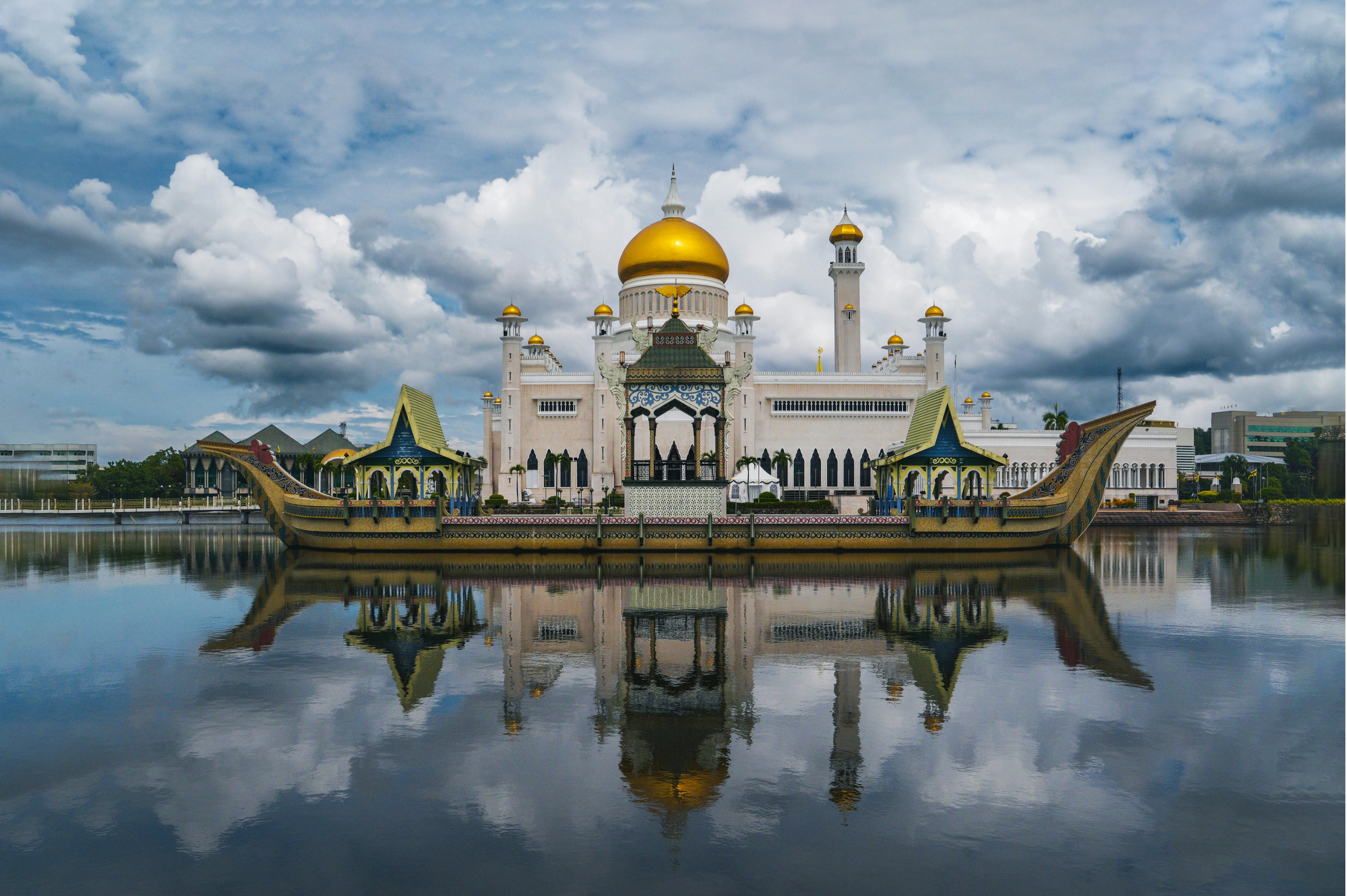
As a Muslim-majority country, Brunei places particular importance on respectful attire, especially at mosques like the Omar Ali Saifuddien Mosque in Bandar Seri Begawan and Jame’ Asr Hassanil Bolkiah Mosque. For mosque visits:
- Men should wear long trousers and shirts with sleeves.
- Women should wear long skirts or trousers, long sleeves, and a headscarf; some mosques provide additional coverings.
- Shoes must be removed before entering prayer halls.
Outside religious sites, smart-casual modest clothing is fine; shorts that reach the knee are often acceptable for tourists in non-formal settings, but shorter or tight clothing may attract unwanted attention.
Photography etiquette:
- Avoid photographing people without asking, especially women and religious figures.
- Do not photograph military sites, security checkpoints, or some government buildings.
- Inside mosques, photography is usually restricted during prayers and in certain areas.
A simple way to remember Brunei customs around cameras: if it feels like a private or sacred moment, it’s probably better experienced without a lens. In 2026, many iconic spots like Kampong Ayer (the water village) are happy to be photographed, but residents appreciate a quick “Boleh ambil gambar?” (“Can I take a photo?”) before you snap.
Business Etiquette, Meetings, and Gift-Giving Customs in Brunei
Business etiquette in Brunei is formal, relationship-focused, and guided by Islamic values, so patience, respectful dress, and small gestures of courtesy matter more than aggressive negotiation or fast-paced decision-making.
If you’re meeting Bruneian colleagues, arrive on time, dress conservatively (a long-sleeved shirt and trousers for men, modest blouse and skirt or trousers for women), and be prepared for polite small talk before business starts. According to regional business councils, Brunei ranks high in ease-of-doing-business metrics in ASEAN, but key decisions often involve consultation and may take longer than expected.
Key business etiquette points:
- Exchange business cards with the right hand; receive and take a moment to look at the card.
- Avoid overly firm handshakes or direct eye contact that feels confrontational.
- Use titles and family names; don’t jump to first names unless invited.
- Discussions around religion, politics, and the monarchy should be avoided unless raised by your Bruneian hosts.
Gift-giving is appreciated but not mandatory. Suitable gifts include:
- Quality sweets or chocolates
- Books or tasteful items representing your home country
- Branded corporate gifts that are not overly expensive
Avoid alcohol, pork products, and anything with suggestive imagery. Present gifts with the right hand, and don’t be surprised if they are not opened immediately – it’s common to open them later. For tracking business trip costs in 2026, you can use Hello’s AI receipt scanning in any currency, plus voice expense entry, to keep client dinners (around $15–30 per person in mid-range restaurants) clearly logged without juggling paper receipts.
Holidays, Friday Prayers, and How Brunei’s Calendar Affects Travel
Brunei’s Islamic and royal calendar shapes opening hours, traffic, and public events, so travellers should plan around Friday prayers, major Muslim festivals, and royal celebrations when scheduling sightseeing or business.
The work week in Brunei is typically Monday to Thursday plus Saturday, with Friday reserved for the Jumu’ah (Friday congregational prayer). Many businesses close or operate shorter hours around midday on Friday to allow attendance at the mosque, so avoid planning key meetings or long transfers during that time.
Important dates that may affect travel:
-
Ramadan: During the Islamic fasting month, eating and drinking in public during daylight is discouraged. Restaurants may adjust hours, but hotels usually maintain service. According to regional tourism data, visitor numbers dip slightly in Ramadan, making it a quieter time to visit.
-
Hari Raya Aidilfitri (Eid al-Fitr): Marking the end of Ramadan, this is one of Brunei’s biggest celebrations, often involving open houses hosted by officials and citizens. Government offices and many businesses close, but cultural experiences are rich.
-
National Day (23 February): Expect parades, ceremonies, and possible road closures in Bandar Seri Begawan.
-
Sultan’s Birthday (15 July): Celebrations, fireworks, and official events may affect access to central areas.
In 2023, Brunei’s government reported steady domestic participation in these events, and while international tourism numbers remain modest compared to neighbours, visitors who align their itinerary with major holidays gain unique insight into Brunei customs. Check local announcements and hotel notices for up-to-date timing and any special entry rules for palace or mosque events.
Common Questions About Brunei Etiquette, Culture, and Connectivity
Most travellers’ questions about Brunei etiquette boil down to three things: dress modestly, respect Islamic customs, and keep public behaviour calm and private, with mobile connectivity and cash handling easily managed through modern tools like Hello’s eSIM and budget tracking.
Is Brunei strict for tourists?
Brunei is conservative but generally relaxed with respectful visitors. You won’t face trouble for minor missteps, but public drinking, loud behaviour, or disrespectful talk about religion or the Sultan can attract serious attention. Think of it as similar in tone to conservative regions of Indonesia.
Can I drink alcohol in Brunei?
Public sale of alcohol is banned. Non-Muslim visitors may be allowed to bring in limited quantities for private consumption under specific regulations, but most travellers opt to skip alcohol entirely while in the country.
What should I wear?
Modest, lightweight clothing: covered shoulders and knees in public, more conservative outfits at mosques. Swimwear is fine at private hotel pools, but use cover-ups when moving through shared areas.
Is Brunei expensive?
Compared with nearby Singapore, Brunei is moderate: in 2026 you might pay $3–6 for local meals at hawker-style spots and $60–120 per night for mid-range hotels, based on typical regional price surveys.
How do I stay connected?
Mobile data coverage is good around Bandar Seri Begawan and main towns. An eSIM from Hello lets you arrive connected and manage 5GB+ data plans easily, and you can track shared taxi and food costs via Hello’s multi-currency expense splitting. To set this up in advance, explore Hello eSIM for Brunei.
Quick reference table for Brunei etiquette
| Topic | Recommended Behaviour |
|---|---|
| Dress code | Modest; shoulders and knees covered in public |
| Greetings | Light handshake, right hand, Islamic salutation acceptable |
| Public affection | Keep minimal; avoid kissing or hugging in public |
| Photography | Ask permission; avoid prayer areas and government sites |
| Alcohol | Not sold publicly; avoid visible consumption |
| Friday midday | Respect prayer times; expect limited business hours |
Explore These Destinations
Stay Connected
Book this trip
Compare options on trusted travel sites
Plan activities for this trip
Continue to a reviewed booking partner to check schedules, inclusions, and terms.

Make the most of Brunei
From eSIM connectivity to expense tracking, Hello is the all-in-one companion that keeps your trip stress-free.
Related Articles
Brunei Currency & Money Guide: Exchange, Cards, and Tips
Currency exchange, credit card acceptance, ATM tips, tipping culture, and money-saving advice for Brunei.
24 July 2026
Brunei Safety Guide: Tips for a Safe Trip
Safety tips, health advisories, emergency contacts, common scams, and travel insurance advice for Brunei.
16 July 2026
Brunei Visa & Entry Requirements for Singapore Passport Holders
Visa requirements, passport validity, customs allowances, and entry tips for Singapore citizens travelling to Brunei.
7 July 2026