Brunei Safety Guide: Tips for a Safe Trip
Safety tips, health advisories, emergency contacts, common scams, and travel insurance advice for Brunei.
By Hello Travel Team
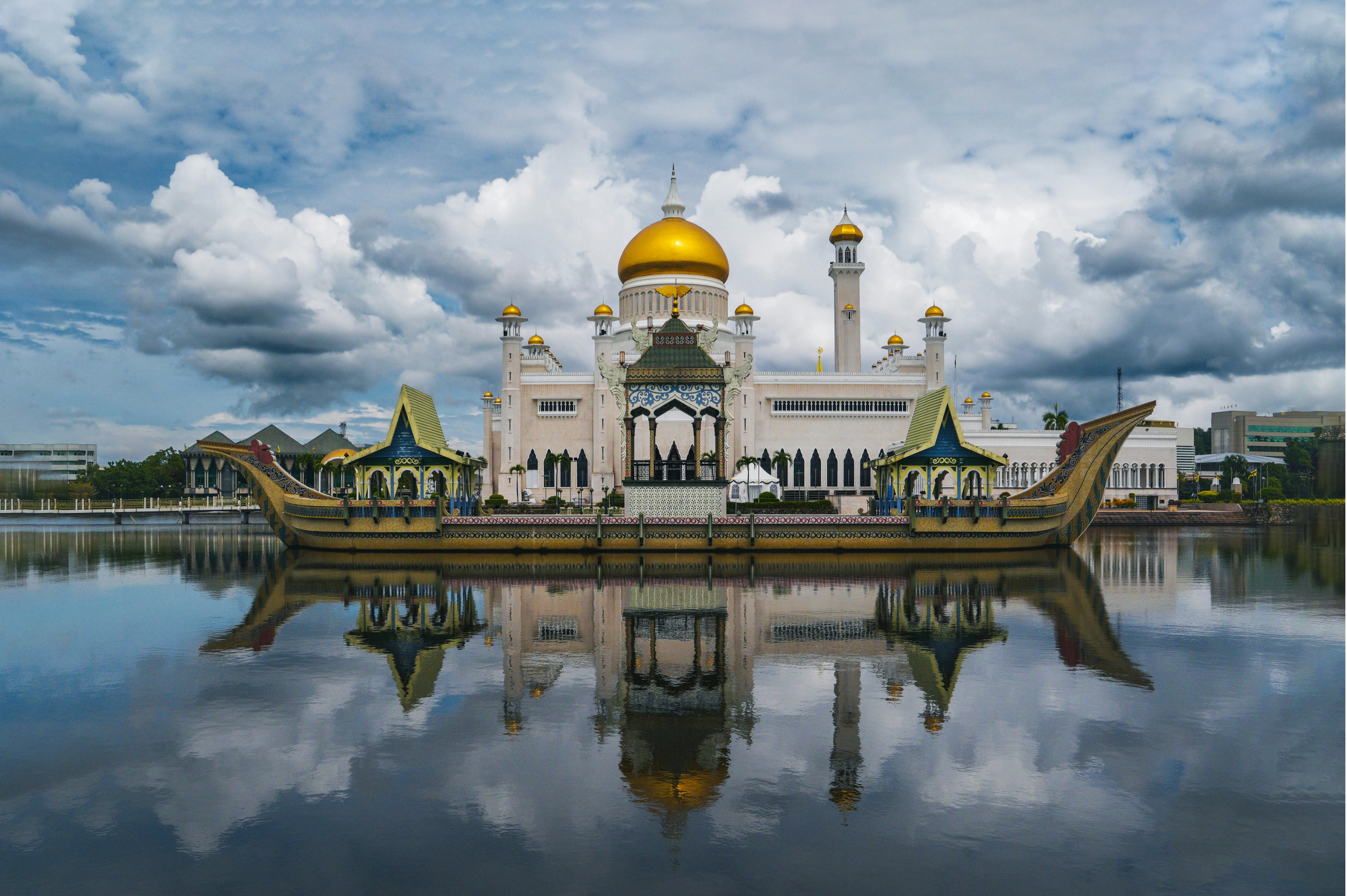
TL;DR: Is Brunei Safe for Travellers?
Yes—Brunei is generally considered a safe destination when visitors take normal precautions, respect local laws, and prepare for tropical health risks. The U.S. Department of State advises travellers to exercise normal precautions, while Canada’s travel advice notes that petty theft and break-ins can occur. Keep valuables secure, use reputable transport, avoid isolated areas late at night, and arrange travel insurance with medical evacuation cover.
Brunei’s main practical risks are road accidents, heat, mosquitoes, occasional credit-card fraud, and limited medical response times outside urban areas. Save the country’s emergency numbers before departure: police 993, ambulance 991, fire and rescue 995, and search and rescue 998. Travellers can also stay connected with Hello eSIM for Brunei, which provides mobile data after arrival for maps, transport, translation, and emergency calls where network coverage is available.
Brunei Travel Safety: Crime, Transport, and Local Laws
Brunei is a low-crime destination, but travellers should still protect belongings, drive cautiously, and follow strict local laws because small lapses can create serious problems. Petty theft, vehicle break-ins, and credit-card fraud are possible, with risks sometimes increasing during school holidays in July and the December holiday period, according to Canada’s travel advice.
Practical precautions include:
- Keep passports, phones, and wallets out of sight in parked cars and hotel rooms.
- Use hotel safes for spare cash and important documents.
- Choose licensed taxis, hotel-arranged cars, or established ride services rather than accepting unsolicited lifts.
- Avoid walking alone on poorly lit roads after dark, particularly around quiet waterfront or suburban areas.
- Wear seat belts and avoid driving quickly on rural roads, where lighting, animals, flooding, and unpredictable traffic can be hazards.
- Never drive after drinking; Brunei is a Muslim country with strict alcohol rules and no legal sale of alcohol to Muslims.
Dress modestly at mosques and government buildings, ask before photographing people, and avoid public behaviour that could be considered disrespectful. Laws concerning drugs, public conduct, religion, and immigration are strictly enforced. Check current entry and customs rules before departure rather than relying on advice from other travellers.
Brunei Scams and How to Avoid Losing Money
The most useful response to Brunei scams is simple: slow down, verify requests independently, and never share banking details or transfer money because someone claims to be an official. Brunei is not known for widespread tourist scams, but card fraud, fake payment requests, overpriced informal services, and online impersonation can affect visitors.
Common warning signs include:
- Someone claiming to be police, immigration, a bank, or an embassy and demanding immediate payment.
- A phone call requesting your card number, one-time password, bank login, or passport details.
- An online accommodation, tour, or vehicle listing that requires payment to a personal account before you have verified the business.
- An ATM that looks tampered with or is located in an isolated area.
- A taxi or informal driver refusing to agree on the fare or changing the price at the destination.
Use ATMs inside banks or shopping centres, monitor card notifications, and keep a second payment method separately. The Singapore High Commission specifically warns that government officials will not ask people to transfer money or disclose bank login details by phone. If a transaction seems suspicious, contact your bank using the number on its official website or card—not a number supplied by the caller.
Brunei Emergency Numbers, Embassies, and Staying Connected
Save Brunei’s emergency contacts before travelling: police 993, ambulance 991, fire and rescue 995, and search and rescue 998. Response times can be longer in rural areas, so travellers heading into forests, waterways, or remote districts should tell someone their plans and carry charged phones, water, and offline directions.
| Service | Number | When to call |
|---|---|---|
| Police | 993 | Theft, assault, traffic collision, or immediate danger |
| Ambulance | 991 | Serious injury or urgent medical assistance |
| Fire and rescue | 995 | Fire, trapped person, or rescue incident |
| Search and rescue | 998 | Water, wilderness, or missing-person emergency |
Brunei does not have a Singapore embassy; Singapore’s diplomatic mission in Bandar Seri Begawan is the High Commission of Singapore. Its published after-hours consular duty number is +673 875 1778, while its main telephone numbers are +673 226 2741, +673 226 2742, and +673 226 2743. Other nationalities should save their own embassy or consulate contact and register travel plans where their government provides that service.
An eSIM from Hello can help keep maps, translation, ride bookings, and emergency communication available without relying only on hotel Wi-Fi. Download important documents and contacts offline as a backup.
Brunei Health Advisories, Vaccinations, and Water Safety
Most visitors can enjoy Brunei safely with routine vaccinations, mosquito protection, careful food and water choices, and a medical consultation several weeks before departure. Canada advises visiting a travel-health professional preferably six weeks before travel, while the CDC recommends checking vaccine and medicine needs at least a month before departure.
Ensure routine protection against measles, tetanus, diphtheria, pertussis, polio, influenza, and COVID-19 is current. Hepatitis B is recommended for unvaccinated travellers, and Hepatitis A, typhoid, Japanese encephalitis, or rabies may be appropriate depending on itinerary, season, rural exposure, food activities, animal contact, and trip length. Ask a clinician about malaria and dengue risk for your specific route; mosquito precautions remain important even when medication is not advised.
Use bottled, filtered, or reliably treated water if uncertain, and choose busy food stalls where dishes are cooked hot and turnover is high. Carry oral rehydration salts, sunscreen, insect repellent, and any prescription medicine in original packaging. Avoid swimming in unfamiliar rivers or coastal waters after heavy rain, and do not enter fast-moving water. Brunei’s tropical heat and humidity can cause dehydration quickly, especially during hikes or mosque visits where modest clothing is required.
For serious care, major facilities include RIPAS Hospital in Bandar Seri Begawan and Jerudong Park Medical Centre. The UK government notes that healthcare standards are generally acceptable but supplies can occasionally be limited.
Solo Female Traveller and LGBTQ+ Safety in Brunei
Solo women generally find Brunei calm and orderly, but conservative dress, discreet behaviour, and sensible transport choices make travel more comfortable and reduce unwanted attention. Wear clothing that covers shoulders and knees in public areas and carry a lightweight scarf for mosque visits; swimwear should be limited to appropriate beaches or hotel facilities.
Useful habits for solo travellers include:
- Share your accommodation and daily route with someone at home.
- Arrange airport transfers or taxis through your hotel, especially after dark.
- Keep your phone charged and avoid isolated trails or waterfront areas alone.
- Sit in the rear of taxis where practical and confirm the destination before departure.
- Choose accommodation with a staffed reception and secure entry.
- Avoid accepting drinks, rides, or invitations from strangers when you are unsure of the situation.
LGBTQ+ travellers should understand that Brunei’s laws and social environment are conservative, and same-sex sexual activity is criminalised. Public displays of affection may attract unwanted attention, and gender expression or relationship details should be handled discreetly. Laws can apply to visitors as well as residents, so review current official guidance, avoid discussing sensitive matters with strangers, and seek confidential advice from your embassy before travelling if you have concerns. Safety planning should prioritise legal awareness rather than assuming protections familiar from home.
Travel Insurance and Common Questions About Brunei Safety
Travel insurance is strongly recommended for Brunei because a relatively safe trip can still involve expensive treatment, hospital transfer, cancelled transport, or medical evacuation. Choose a policy that covers the full itinerary, emergency medical care, repatriation, adventure activities, lost belongings, and pre-existing conditions where relevant.
Does travel insurance need medical evacuation cover? Yes. Basic treatment is available, but response times may be limited outside urban areas and serious cases could require transfer or repatriation. Check the policy’s maximum medical limit and whether you must contact the insurer before admission.
Is tap water safe to drink in Brunei? Standards vary by location and building. Many travellers choose sealed bottled or filtered water, particularly outside established hotels, and avoid ice when its source is uncertain.
Is Brunei safe at night? Generally, urban areas are quiet and orderly, but use a hotel-arranged taxi, avoid empty streets, and do not walk alone through poorly lit areas.
What should I do if my passport is stolen? Report the theft to police on 993, contact your embassy or high commission, and keep a digital and paper copy of your passport separately.
How can I manage costs? Brunei’s meals can range from about BND 3–8 at casual food courts to BND 15–35 or more at mid-range restaurants in 2026. Hello’s app can scan receipts, convert currencies automatically, import bank statements, and split group expenses, helping travellers monitor spending without carrying large amounts of cash.
Explore These Destinations
Stay Connected
Ready for Brunei?
eSIM data, expense splitting, budget tracking, and more. Everything you need for a smooth trip in one app.
Related Articles
Brunei Currency & Money Guide: Exchange, Cards, and Tips
Currency exchange, credit card acceptance, ATM tips, tipping culture, and money-saving advice for Brunei.
24 July 2026
Brunei Visa & Entry Requirements for Singapore Passport Holders
Visa requirements, passport validity, customs allowances, and entry tips for Singapore citizens travelling to Brunei.
7 July 2026
eSIM for Brunei: Best Plans, Coverage, and Setup Tips
Everything you need to know about using eSIM in Brunei. Best data plans, network coverage, and setup instructions.
28 June 2026