Bolivia in 5 Days: The Perfect Extended Itinerary
A detailed 5-day itinerary for Bolivia with daily activities, costs, neighborhoods, and transport tips for an extended stay.
By Hello Travel Team
- 1
Arrival, Historic La Paz, and Mercado de las Brujas
- MorningAirport transfer from El Alto to La Paz~$15
- Late morningPlaza Murillo and Calle Jaén~$5
- AfternoonMercado de las Brujas~$5
- Midday and eveningAlmuerzo and casual dinner~$20
CentroSan FranciscoSopocachiUse a registered airport taxi for about $10–$20. Walk slowly in the historic center and take a taxi after dark.
Budget$45Mid-range$120Luxury$300 - 2
Mi Teleférico, Valle de la Luna, and Calacoto
- MorningMi Teleférico scenic ride~$2
- Late morningCalacoto or San Miguel café stop~$8
- AfternoonValle de la Luna~$20
- EveningDinner in Sopocachi~$20
CentroCalacotoSan MiguelSopocachiMi Teleférico costs about Bs 3 per line, with transfers around Bs 2. A taxi to Valle de la Luna commonly costs $8–$20 each way.
Budget$55Mid-range$140Luxury$350 - 3
Travel to Uyuni and Salt-Flat Sunset
- MorningFlight or overnight bus connection to Uyuni~$100
- AfternoonTrain Cemetery and Colchani~$15
- Late afternoon and eveningSalar de Uyuni sunset tour~$120
- EveningDinner and Uyuni accommodation~$45
Uyuni townColchaniA flight may cost approximately $70–$180 one way; an overnight bus is often around $20–$45. Shared multi-day tours listed for 2026 start around $290.
Budget$85Mid-range$220Luxury$600 - 4
Salar de Uyuni Sunrise and Return to La Paz
- Early morningSalt-flat sunrise
- MorningIncahuasi Island or central salt-flat viewpoint~$15
- MiddayLunch and return to Uyuni~$10
- Afternoon or eveningFlight or overnight bus to La Paz~$100
Salar de UyuniUyuni townCentro La PazConfirm whether park fees, meals, water, accommodation, and return transport are included in the tour. Keep warm clothing and cash for rural stops.
Budget$80Mid-range$220Luxury$550 - 5
Final La Paz Views and Departure
- MorningBreakfast and flexible morning~$8
- Late morningFinal cable-car ride or market visit~$5
- MiddaySouvenirs and lunch~$20
- Afternoon or eveningAirport transfer~$15
CentroSan FranciscoSopocachiAllow at least three hours before an international departure. A private transfer is most reliable; a taxi to El Alto generally costs about $10–$20.
Budget$35Mid-range$90Luxury$200
Trip Summary
Trip starter
Turn this 5-day itinerary into a Hello trip
Start with a prefilled trip for Bolivia, then add dates, invite friends, track expenses, and pick an eSIM before you land.
Name and destination carried into the app.
Split costs and settle up during the trip.
Choose data for the destination before departure.
TL;DR: The Best Bolivia 5 Day Itinerary
A well-paced Bolivia 5 day itinerary should focus on La Paz, with one unforgettable overnight excursion to the Uyuni Salt Flats rather than trying to cover the entire country. Spend the first two days acclimatizing and exploring La Paz, travel to Uyuni on day three, experience the salt flats on day four, and return to La Paz on day five. La Paz sits at roughly 3,650 meters above sea level, while El Alto International Airport is about 4,061 meters, so a slower first day is essential. Mi Teleférico fares cost about Bs 3 per line in 2026, making it both practical transport and one of the city’s best viewpoints. Plan approximately $180–$260 for a budget trip, $450–$750 for a mid-range trip, or $1,200–$2,000 for a luxury version, excluding international flights. For exact exchange rates and group costs, Hello’s travel companion app can track multi-currency spending, split bills, and scan receipts in different languages. Use the main Bolivia destination guide alongside this Bolivia travel plan for pre-trip preparation.
Day 1: La Paz Arrival, Plaza Murillo, and Mercado de las Brujas
The first day of this Bolivia itinerary is designed for altitude adjustment: keep activities gentle, drink water, eat lightly, and explore central La Paz on foot rather than scheduling strenuous excursions. After landing at El Alto International Airport, allow 45–90 minutes for the transfer into La Paz depending on traffic. A registered airport taxi usually costs around $10–$20, while a private hotel transfer may cost $25–$40. Check into accommodation in Sopocachi, Centro, or near San Francisco. Sopocachi is comfortable and restaurant-rich; Centro is more convenient for sightseeing.
In the late morning, walk slowly through Plaza Murillo to see the Presidential Palace, Cathedral Basilica, and Congress buildings. Continue to Calle Jaén, a colorful colonial street with small museums. In the afternoon, browse Mercado de las Brujas, where vendors sell dried herbs, textiles, charms, and traditional ceremonial items. Ask before photographing people or stalls. For lunch, try a set almuerzo of soup, main course, and drink for roughly $3–$7; popular choices include silpancho, pique macho, or vegetarian quinoa dishes. Dinner in Sopocachi costs about $8–$18 per person at a casual-to-mid-range restaurant. Finish early, avoid alcohol, and remember that altitude symptoms can worsen at night. A short taxi ride after dark is preferable to walking steep streets.
Day 2: Mi Teleférico, Valle de la Luna, and La Paz Neighborhoods
Day two is the ideal time to see La Paz from above, combining Mi Teleférico with Valle de la Luna and the city’s distinctive neighborhoods. Begin with breakfast around 8:00 a.m., then ride the Red or Yellow Line from the city toward El Alto or the southern connections; a standard line costs approximately Bs 3, with transfers around Bs 2. The network is useful for avoiding traffic and offers dramatic views over the canyon-like city. Ride during daylight and keep phones and bags secure at busy stations.
Around late morning, visit the southern neighborhood of Calacoto or San Miguel for cafés and a calmer atmosphere. Continue to Valle de la Luna by taxi, ride app, or hired driver; allow approximately $8–$20 each way depending on where you start. The eroded clay formations can usually be visited in one to two hours. Entry prices change, so carry small boliviano notes and confirm the current fee locally. Return to Sopocachi or Centro for lunch, budgeting $5–$12. In the late afternoon, take a relaxed walk along Avenida Arce or browse local craft shops. For dinner, order trout, llama, or a contemporary Andean tasting menu for approximately $12–$30. This is also a good evening to confirm your Uyuni departure and download offline maps. Hello’s eSIM plans provide mobile data on arrival, while the Hello app can record transport and meal expenses automatically through receipt scanning or voice entry.
Day 3: La Paz to Uyuni and Sunset on the Salt Flats
The most efficient way to include Uyuni in a Bolivia 5 day trip is to use a morning flight or an overnight bus, then join a shared 4x4 tour from Uyuni. A domestic flight generally saves time but may cost approximately $70–$180 one way; an overnight bus is often cheaper, commonly around $20–$45, but takes roughly 8–12 hours and can be tiring. Confirm baggage rules and departure times directly with the airline or bus company because schedules can change.
For a daytime plan, fly from La Paz to Uyuni, arrive by late morning, and leave luggage at your hotel or tour office. Shared salt-flat excursions commonly begin around late morning or early afternoon. Tour prices vary widely by season, vehicle, group size, and accommodation, but published 2026 listings show multi-day Uyuni tours from about $290, with premium and private options significantly higher. A typical afternoon includes the Train Cemetery, Colchani village, salt workshops, and the first vast white landscapes of Salar de Uyuni. Expect basic facilities and bring sunscreen, sunglasses, warm layers, and water.
Watch sunset from the salt flats before staying in Uyuni or at a salt hotel, depending on your tour. Budget travelers should expect $25–$50 for lodging and meals outside a package; mid-range travelers should allow $70–$150. Dinner may be a simple set meal featuring soup, rice, chicken, or quinoa. Keep your phone charged because services become limited outside town.
Day 4: Salar de Uyuni Sunrise, Incahuasi Island, and Return Travel
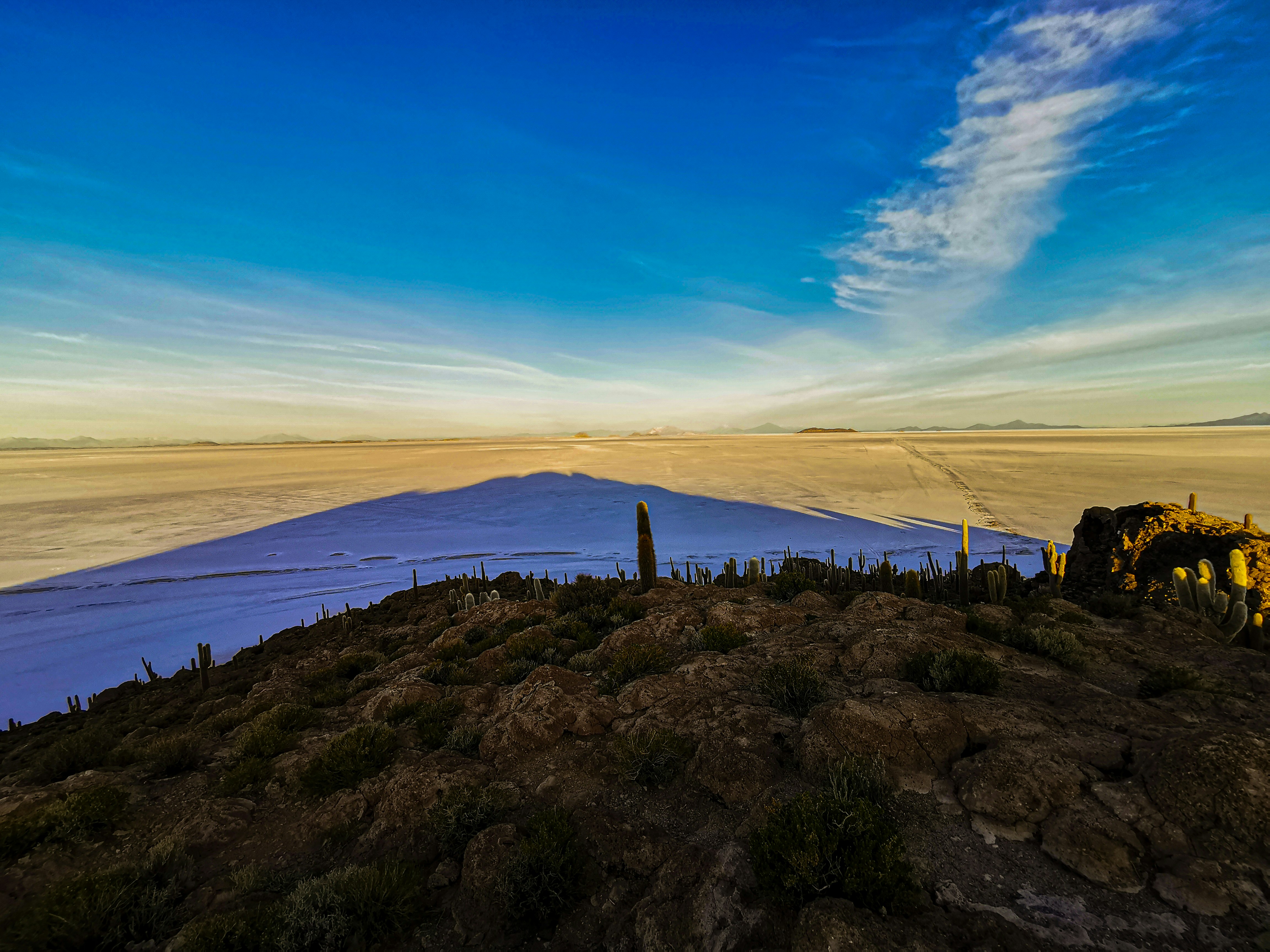
Day four delivers the headline experience of this Bolivia travel plan: sunrise across Salar de Uyuni, followed by Incahuasi Island or another central salt-flat viewpoint before returning toward La Paz. Leave before dawn if weather and tour conditions permit. The salt crust can reflect intense light, and the high-altitude desert becomes cold before sunrise, so wear thermal layers, gloves, a hat, and shoes that can handle wet or salty ground. During the rainy season, usually around January to March, a thin layer of water can create the famous mirror effect, but road access and visibility are less predictable.
A full-day or multi-day shared tour generally includes 4x4 transport and some meals. Published 2026 tour listings show three-day experiences from approximately $290, while private and premium tours can cost $400–$600 or more. Verify what is included before paying: park fees, accommodation, meals, drinking water, transfers, and return transport may be separate. After Incahuasi Island, return to Uyuni for lunch, budgeting $5–$12 if food is not included.
For a five-day schedule, take an afternoon or evening flight back to La Paz where possible. If flying is unavailable, use an overnight bus and book a rest-friendly final morning. In La Paz, stay near your original neighborhood and choose a quiet dinner such as soup, quinoa, or pasta. The Hello app is useful here for reconciling tour deposits, shared 4x4 costs, and currency conversions with travel companions.
Day 5: La Paz Viewpoints, Souvenirs, and Departure
The final day should stay flexible, with a short La Paz experience close to your accommodation and enough time for airport logistics. If you returned overnight, skip strenuous sightseeing and prioritize breakfast, a shower, and a late checkout. Otherwise, ride a convenient Mi Teleférico line for one last panorama, visit the Witches’ Market for textiles and small souvenirs, or take a guided walk through San Francisco and the historic center. Short cable-car rides cost about Bs 3 per line in 2026, while a taxi to El Alto airport generally costs approximately $10–$20 depending on traffic and pickup location.
Allow at least three hours before an international departure because the airport is high, traffic can be unpredictable, and weather may affect operations. A private transfer provides the most reliable option for travelers with luggage; agree on the price before leaving. For breakfast, budget $4–$10 for coffee, bread, eggs, or pastries. Lunch near the center may cost $5–$15, while a final dinner in Sopocachi or San Miguel ranges from $10 to $30.
Before leaving, review expenses in Hello’s app, which supports automatic exchange-rate conversion, AI categorization, bank-statement imports, and expense splitting across multiple currencies. If your itinerary continues beyond Bolivia, Hello’s eSIM connectivity for 200+ countries can keep the same travel setup useful on the next destination. Activate an Hello eSIM for Bolivia before departure so maps, translation, transport updates, and family messages work as soon as you land.
Bolivia 5 Day Trip Costs, Transport, and Neighborhood Guide
A realistic five-day Bolivia budget depends primarily on flights, Uyuni tour style, accommodation, and whether you share transport; local La Paz transport remains inexpensive, with cable cars around Bs 3 per line and minibuses commonly around Bs 3–3.50 in 2026. The table below excludes international airfare and shows practical per-person estimates for five days.
| Travel style | Accommodation | Transport and tours | Food | Estimated total |
|---|---|---|---|---|
| Budget | $60–$140 | $80–$180 | $50–$90 | $180–$410 |
| Mid-range | $180–$400 | $180–$400 | $120–$220 | $480–$1,020 |
| Luxury | $500–$1,200 | $500–$1,000 | $250–$500 | $1,250–$2,700 |
Stay in Centro for walkable access to Plaza Murillo, Calle Jaén, San Francisco, and Mercado de las Brujas. Choose Sopocachi for restaurants, cafés, nightlife, and a more relaxed evening atmosphere. Calacoto or San Miguel offer modern hotels and restaurants but require longer taxi rides to the historic center. Use Mi Teleférico by day, registered taxis after dark, and minibuses only if you understand the route. Costs can rise during festivals, peak dry-season travel, or private Uyuni departures. Keep some bolivianos for markets, bathrooms, small eateries, and rural stops, and retain a cash reserve because card acceptance is less consistent outside major hotels.
Common Questions About a Bolivia Itinerary
The best Bolivia 5 day itinerary balances altitude, transport, and Uyuni travel by limiting the route to La Paz and the salt flats; adding Sucre, Potosí, or Lake Titicaca usually makes the trip rushed. Here are the most common planning questions.
Is five days enough for Bolivia? Five days is enough for a focused introduction, not a complete country tour. La Paz plus Uyuni provides the strongest combination of culture, scenery, and practical logistics.
Should Uyuni be visited from La Paz? Yes, but compare flights and overnight buses. Flights save time, while buses reduce costs. A three-day salt-flats tour may exceed this schedule, so choose a condensed shared itinerary or treat the salt flats as the main priority.
How should travelers handle altitude? Rest during the first day, drink water, avoid heavy alcohol consumption, and increase activity gradually. Seek medical advice for severe or persistent symptoms; do not assume every headache is ordinary altitude sickness.
What should visitors eat? Try salteñas in the morning, a local almuerzo at midday, silpancho or pique macho for a filling meal, and quinoa or trout for lighter options. Avoid unfiltered water and use reputable restaurants for raw foods.
Is La Paz safe for first-time visitors? Use registered taxis, keep valuables concealed, avoid isolated streets at night, and check current local advice. Do not photograph people or ceremonial objects without permission.
How can friends divide costs? Hello supports expense splitting, receipt scanning, voice entries, automatic currency conversion, and budget tracking, making shared taxis, tours, hotels, and meals easier to settle.
Explore These Destinations
Stay Connected
Make the most of Bolivia
From eSIM connectivity to expense tracking, Hello is the all-in-one companion that keeps your trip stress-free.
Related Articles
Bolivia Currency & Money Guide: Exchange, Cards, and Tips
Currency exchange, credit card acceptance, ATM tips, tipping culture, and money-saving advice for Bolivia.
24 July 2026
Bolivia Safety Guide: Tips for a Safe Trip
Safety tips, health advisories, emergency contacts, common scams, and travel insurance advice for Bolivia.
16 July 2026
Bolivia Visa & Entry Requirements for Singapore Passport Holders
Visa requirements, passport validity, customs allowances, and entry tips for Singapore citizens travelling to Bolivia.
7 July 2026