Getting Around Bahrain: Transport Guide for Travellers
Airport transfers, public transport, ride-hailing apps, inter-city travel, and driving tips for Bahrain.
By Hello Travel Team
This article contains affiliate links. If you book through them, Hello may earn a commission at no additional cost to you. Our editorial recommendations are independent. Learn more.
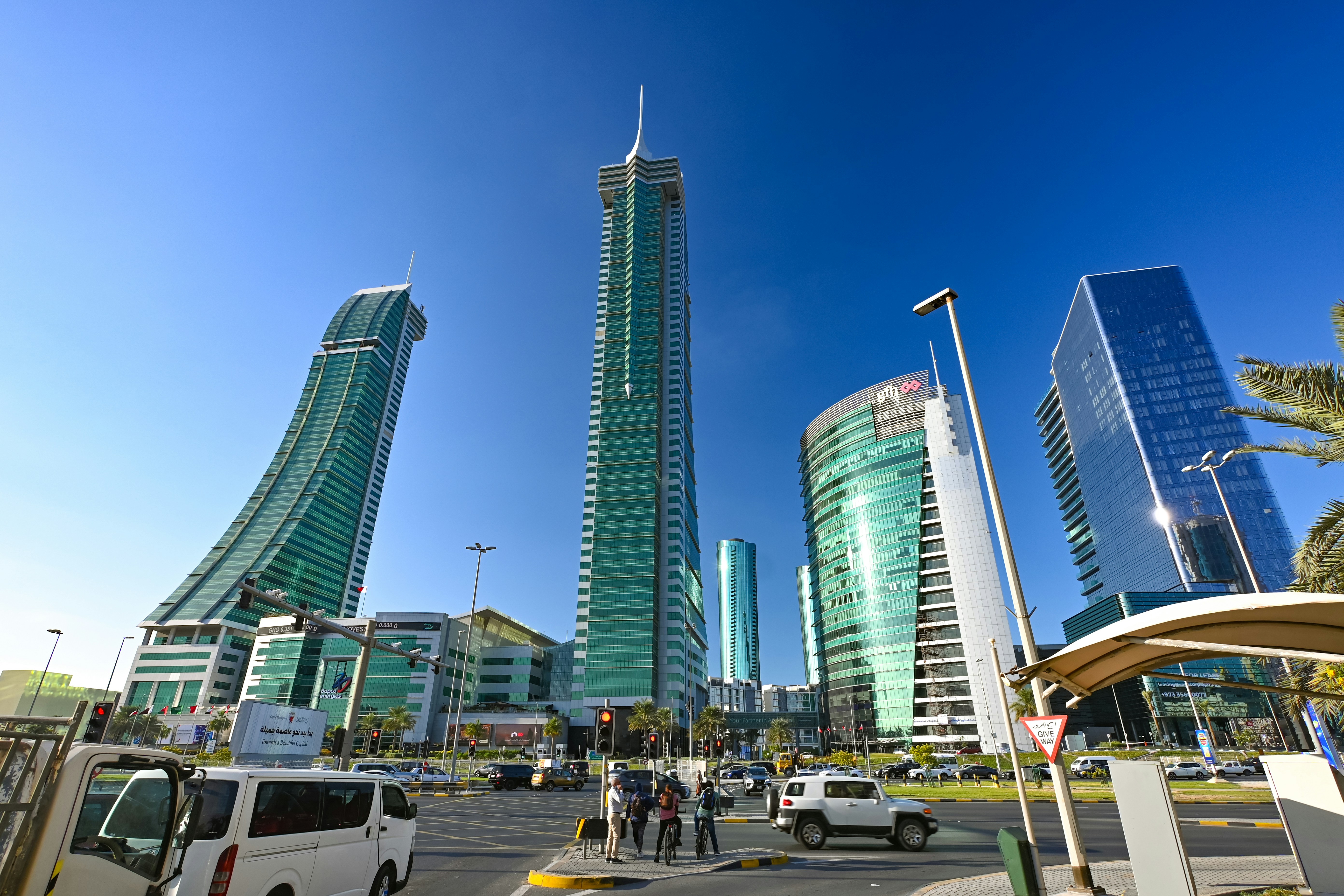
TL;DR: How to Get Around Bahrain as a Visitor
Getting around Bahrain is straightforward: use taxis or ride-hailing from the airport, combine public buses with ride-hailing for city trips, and rent a car if you want maximum flexibility across the islands. Mobile data is essential for maps and apps, so consider a Hello eSIM before you land.
Bahrain is a compact island nation, only about 765 km² in area according to Bahrain’s Information & eGovernment Authority, so most journeys are quick and relatively affordable. That makes it easy to base yourself in Manama and do day trips to places like Muharraq, Riffa, and the Bahrain International Circuit.
From Bahrain International Airport, travellers typically choose between metered airport taxis, pre-booked private transfers, and ride-hailing apps, with fares to central Manama usually in the range of 5–8 BHD (about $13–21) in 2026 depending on traffic and time of day. Public buses are modern and air-conditioned but have limited late-night coverage, so they’re best for daytime sightseeing rather than very early or late flights.
There is currently no metro or inter-city train network in Bahrain, so most public transport is by bus, taxi, or car. For navigation, real-time traffic, and ride-hailing, having a local data connection via a Hello eSIM for Bahrain means you can land, book a ride, and pull up your hotel address in Arabic and English without hunting for Wi‑Fi.
If you plan to drive, roads are generally good, and many visitors use their home-country licence (or an International Driving Permit) for rentals, but you’ll need to be comfortable with multi-lane highways and assertive local driving styles.
Bahrain Airport Transfers: From the Runway to Manama
The easiest way to get from Bahrain International Airport to Manama is by taxi or ride-hailing, with typical 2026 fares around 5–8 BHD ($13–21) for the 15–20 minute trip depending on traffic and time of day. Having mobile data ready on arrival makes booking and navigation far smoother.
Bahrain International Airport sits on Muharraq Island, about 7–10 km from central Manama, and handled over 9 million passengers in 2023 according to Bahrain Airport Company, so ground transport options are well developed for visitors. You will find an official taxi rank outside arrivals with metered cabs; there is usually a minimum airport flag fall plus per‑kilometre charge, so short trips into Manama tend to fall in the 5–8 BHD range in 2026.
If you prefer to lock in a price, many travellers pre-book private transfers through hotels or agencies, which often cost 10–15 BHD ($26–40) per car one-way for up to three passengers in 2026. This can be worthwhile if you’re arriving late at night, carrying bulky luggage, or travelling with kids.
Budget-conscious visitors can also use the public bus from the airport to Manama via Bahrain’s modern red-and-white buses, which are air-conditioned and equipped with electronic displays. Single rides generally cost around 0.3–0.4 BHD ($0.80–$1.10) when paid with a rechargeable transport card in 2026, but note that late-night services are limited.
Because ride-hailing pickups and map apps require data, many travellers buy and activate a Hello eSIM for Bahrain before flying, so they can order a ride and share their live location with their hotel as soon as they step out of arrivals.
Bahrain Public Transport: Buses, Cards, and Costs Explained
Bahrain’s public transport is centred on a modern bus network rather than metro or trains, with air-conditioned buses linking the airport, Manama, and major suburbs; fares in 2026 are typically under 0.5 BHD ($1.30) per ride when using a rechargeable card. Buses are reliable by day but limited late at night.
According to Bahrain Public Transport Company, the country operates over 20 bus routes across Manama, Muharraq, Isa Town, Riffa, and other key areas, using low-floor, air-conditioned buses that are accessible for most travellers. Routes usually run every 20–40 minutes during the day, with reduced frequency in the evenings and on Fridays.
Fares are designed to be simple and affordable. As of 2026, a single bus trip paid with a reloadable smart card (often sold at main bus terminals and some supermarkets) typically costs around 0.3–0.4 BHD ($0.80–$1.10), while cash fares may be slightly higher. Many residents use daily or monthly passes for commuting, but short-term visitors usually stick to pay‑as‑you‑go credit on their card.
At present, Bahrain does not have a metro or inter-city railway system, though future rail projects have been discussed as part of wider Gulf Cooperation Council transport plans. That means buses, taxis, and ride-hailing apps remain the main ways to get around.
For planning bus journeys, travellers usually rely on map apps and real-time arrival tools, which work best with a stable data connection. An eSIM from Hello lets you check routes, save offline maps, and track your stop in real time without juggling paper timetables or searching for station Wi‑Fi.
Ride-Hailing, Taxis, and Mobile Data: Getting Around Bahrain’s Cities
Within Manama and surrounding areas, most visitors combine metered taxis with ride-hailing apps for fast, door-to-door transport, typically paying 2–5 BHD ($5–13) for short urban rides in 2026. Stable mobile data is essential for booking rides, sharing locations, and navigating to less-known places.
Official taxis are easy to find at malls, major hotels, and tourist hotspots such as Bahrain City Centre, The Avenues, and Bab Al Bahrain. They operate on meters, with base fares plus per‑kilometre charges; quick trips within central Manama usually fall in the 2–3 BHD range, while cross-town rides to areas like Riffa or Saar might reach 5–7 BHD in 2026.
Ride-hailing services are widely used by residents for everyday journeys and late-night returns from dining districts like Adliya’s Block 338. Pricing is dynamic but often similar to or slightly cheaper than regular taxis, especially during off-peak times. The ability to pin your exact pickup point and see the driver’s details is particularly helpful if you’re unfamiliar with local street names.
To use these apps effectively, you need mobile data for registration, fare estimates, and live driver tracking. A Hello eSIM, which you can buy and activate before departure via the Hello app or at Hello eSIM for Bahrain, means you arrive already connected and can immediately order a car without relying on airport Wi‑Fi.
Tip: Always double-check that the licence plate matches the car shown in the app, and keep your hotel name and address in both English and Arabic script (your hotel confirmation email often includes this) to avoid confusion when being dropped off.
Inter-City Travel and Driving in Bahrain: Do You Need a Rental Car?
Because Bahrain is compact and well-connected by highways, many visitors get by with taxis and ride-hailing, but renting a car offers maximum flexibility for day trips to the desert, beaches, and Bahrain International Circuit. Daily rental rates in 2026 start around 12–20 BHD ($32–53) for basic compacts.
The main island is criss-crossed by multi-lane highways linking Manama, Muharraq, Isa Town, Riffa, and the causeways to other islands. According to Bahrain’s Ministry of Works, municipal roads and highways total over 4,000 km, and most arterial roads are well maintained and signposted in both Arabic and English. This makes self-driving a realistic option, even for first-time visitors to the Gulf.
Most international visitors can rent a car using a valid foreign driving licence, particularly those from the EU, UK, US, Canada, Australia, and GCC countries, though some rental companies may also ask for an International Driving Permit (IDP). It is wise to check requirements when booking online and carry an IDP if your licence is not in English or Arabic.
Fuel is relatively affordable compared with many regions: Gulf Cooperation Council data indicates that Bahrain’s petrol prices are generally lower than the global average, helping keep overall driving costs down in 2026. However, factor in tolls or parking fees at malls and popular districts, where 0.2–0.5 BHD per hour is common.
Traffic can be heavy during weekday rush hours and around major shopping centres, and local driving tends to be fast and assertive. Use a navigation app to avoid congestion and watch for speed cameras on major routes. With a Hello eSIM active on your phone, you can rely on live traffic updates and rerouting instead of static maps.
Budgeting Transport in Bahrain with the Hello App: Costs, Tracking, and Saving
Most travellers spend a modest portion of their Bahrain budget on transport, with typical daily costs around 3–10 BHD ($8–26) depending on whether they rely on buses, taxis, or rental cars. Using the Hello app’s budget tracking and expense splitting features can help you keep those costs in check without spreadsheets.
To put numbers in perspective, Bahrain welcomed about 9.8 million visitors in 2023 according to the Bahrain Tourism and Exhibitions Authority, many of them arriving for short leisure breaks and events. For a 3–4 day stay focused on Manama and Muharraq, a realistic 2026 transport budget might look like this:
| Transport Type | Typical Cost (2026) | When It Makes Sense |
|---|---|---|
| Bus rides | 0.3–0.4 BHD per trip | Budget sightseeing, daytime travel |
| City taxi/ride-hail | 2–5 BHD per ride | Evenings, door-to-door comfort |
| Airport–Manama | 5–8 BHD one-way | Arrivals and departures |
| Car rental | 12–20 BHD per day | Day trips, full flexibility |
In the Hello app, you can use AI receipt scanning to capture taxi receipts in Arabic or English, log cash bus fares via quick voice notes, and import card statements as CSV or PDF if you use a local card for fuel or parking. Multi-currency tracking automatically converts BHD into your home currency using live exchange rates, so you always see the real cost of those spontaneous detours.
If you are travelling with friends, Hello’s expense splitting lets you share airport transfers, rental cars, and fuel evenly—no need to keep mental tallies after a long day in the sun. Set a transport budget for your Bahrain trip in Hello, and you will get a clear overview of where your money is going, making it easier to decide when to splurge on a private driver and when to hop on the bus.
Common Questions About Getting Around Bahrain
Travellers usually find Bahrain easy to navigate, with short distances, affordable taxis and ride-hailing, and a simple bus network covering most key areas; planning ahead for airport transfers, late-night rides, and navigation with a Hello eSIM removes most transport stress for first-time visitors.
Is there a metro or train in Bahrain?
No, Bahrain currently has no metro or inter-city passenger train network. All public transport is by bus, taxi, and ride-hailing, though future rail projects have been discussed as part of regional Gulf transport plans.
How much should I budget per day for transport?
If you mainly use buses and occasional taxis within Manama, plan on 3–6 BHD ($8–16) per day in 2026. If you rely heavily on ride-hailing or rent a car, your daily transport budget could rise to 8–15 BHD ($21–40), depending on distance and group size.
Is it safe to use taxis and ride-hailing at night?
Taxis and ride-hailing are widely used by locals in the evenings, especially from dining and nightlife areas like Block 338 in Adliya and The Avenues mall. As always, choose licensed taxis or app-based rides, check the licence plate, and share your trip with a friend via your app for extra peace of mind.
Do I need cash for buses and taxis?
Buses often use rechargeable cards more than cash, and some taxi drivers accept card payments, but cash is still handy for smaller fares and tips. Tracking mixed cash and card spending is easier if you log expenses in the Hello app shortly after each ride.
Do I need mobile data to get around?
Technically no, but in practice yes—most visitors rely on maps, ride-hailing, and translation tools. Activating a Hello eSIM before you arrive means you can navigate, book rides, and check bus routes from the moment you land, without hunting for Wi‑Fi hotspots.
Explore These Destinations
Stay Connected
Stay connected in Bahrain
Get an eSIM before you land. Hello gives you instant data in 200+ countries — no SIM swaps, no roaming fees.
Related Articles
Bahrain Currency & Money Guide: Exchange, Cards, and Tips
Currency exchange, credit card acceptance, ATM tips, tipping culture, and money-saving advice for Bahrain.
24 July 2026
Bahrain Safety Guide: Tips for a Safe Trip
Safety tips, health advisories, emergency contacts, common scams, and travel insurance advice for Bahrain.
15 July 2026
Bahrain Visa & Entry Requirements for Singapore Passport Holders
Visa requirements, passport validity, customs allowances, and entry tips for Singapore citizens travelling to Bahrain.
6 July 2026