Bahrain Safety Guide: Tips for a Safe Trip
Safety tips, health advisories, emergency contacts, common scams, and travel insurance advice for Bahrain.
By Hello Travel Team
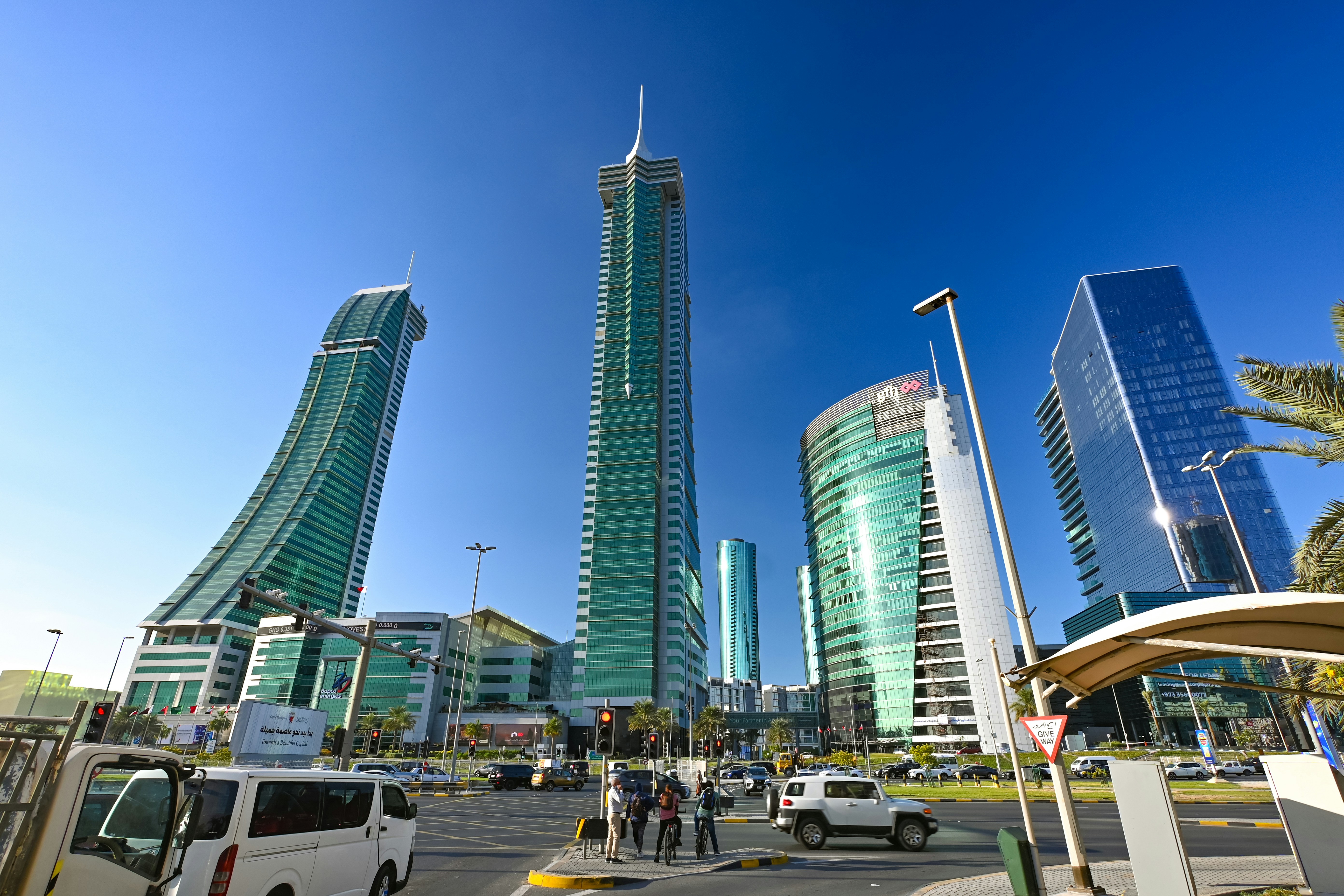
TL;DR: Is Bahrain Safe for Travellers?
Bahrain is generally safe for visitors, with low levels of violent crime, reliable infrastructure, and welcoming hospitality, but travellers should monitor regional developments and follow their government’s latest advice. The most practical precautions are modest dress, careful taxi and payment checks, avoiding political demonstrations, and saving Bahrain emergency numbers before departure.
Petty theft can occur in busy souqs and markets, while serious violence against tourists is uncommon. Singapore’s Ministry of Foreign Affairs currently advises Singaporeans travelling to or residing in Bahrain to remain vigilant, monitor local news, and follow local-authority instructions. Check your own government’s advisory shortly before departure because regional security conditions can change quickly.
For a smoother trip to Bahrain, keep digital copies of your passport and insurance policy, carry a little Bahraini cash, and use a dependable data connection. Hello’s eSIM plans cover 200+ countries and can be activated before departure, helping you access maps, ride-hailing, translation, and emergency information as soon as you land.
Bahrain Travel Safety, Local Laws, and Emergency Numbers
Bahrain travel safety is strongest when visitors treat local laws and customs seriously: avoid demonstrations, do not photograph sensitive government or military sites, and remember that public behaviour is regulated more conservatively than in many Western countries.
Bahrain’s main emergency number is 999 for police, ambulance, and fire services; Singapore’s Ministry of Foreign Affairs also lists 112 as an emergency contact. Traffic Police can be reached at 199, the Criminal Investigations Directorate at 992, and the Coast Guard at 994. Save these numbers offline and ask your hotel to call if language or location details become difficult.
| Situation | Number | Practical use |
|---|---|---|
| Police, ambulance, fire | 999 | Main emergency number |
| Emergency services | 112 | Alternative emergency contact |
| Traffic Police | 199 | Road collisions and traffic incidents |
| Criminal Investigations Directorate | 992 | Serious criminal matters |
| Coast Guard | 994 | Coastal and maritime emergencies |
Dress modestly at religious sites and government buildings, avoid swearing or confrontational behaviour, and ask before photographing people. Alcohol is available in licensed venues, but public drunkenness, drink-driving, and drug offences can carry severe penalties. Keep passports secure but accessible, and never hand over an original document unnecessarily.
Common Bahrain Scams and How to Avoid Them
Bahrain scams are usually opportunistic rather than sophisticated, so a few habits—agreeing prices first, using traceable payments, and verifying bookings—can prevent most problems without making the trip stressful.
Taxi overcharging is the most common concern for visitors, particularly when a fare is not agreed clearly. Use a licensed taxi or reputable ride-hailing service, confirm the destination on your phone, and ask whether the meter is operating before leaving. At markets such as Manama Souq, compare prices at several shops, clarify whether a price is per item or package, and do not feel pressured to buy.
Be cautious with unsolicited investment offers, fake accommodation listings, romance approaches, and messages claiming to represent a bank, hotel, immigration office, or government department. Never share a one-time password, card PIN, banking login, or passport scan through an unexpected message. Singapore’s ScamShield guidance stresses that government officials will not ask you to transfer money or disclose bank login details by phone; Singaporeans can call the 24/7 ScamShield Helpline at 1799 if uncertain.
Useful habits include:
- Photograph receipts and booking confirmations.
- Use ATMs inside banks or shopping centres.
- Check card totals before approving payment.
- Keep a small amount of cash separate from your wallet.
- Track shared meals, taxis, and tours in Hello’s expense-splitting tool, which supports multiple currencies and automatic exchange-rate conversion.
Health Advice, Vaccinations, Water, and Travel Insurance for Bahrain
Most healthy visitors can enjoy Bahrain safely with routine preparation, but arrange a medical review before travel, protect yourself from heat, and buy insurance that covers treatment and emergency evacuation rather than relying on a standard card benefit.
Bahrain’s Ministry of Health recommends consulting a doctor around six weeks before departure, or as soon as possible, to review destination risks and vaccinations. Ensure routine protection against measles, tetanus, diphtheria, pertussis, polio, influenza, and COVID-19 is current; hepatitis A may be recommended depending on your itinerary and personal risk. A clinician should advise on pregnancy, chronic conditions, prescription medicines, and any tailored vaccines.
Drink sealed bottled water or confirmed treated water, and be cautious with ice if its source is unclear. Food hygiene is generally good in established restaurants, but wash hands, choose busy venues with high turnover, and carry oral rehydration salts. Bahrain’s hot climate makes sun protection, frequent water breaks, loose clothing, and avoiding strenuous midday activity especially important.
Swim only in designated areas, follow lifeguard flags, wear a life jacket for boating, and never dive into shallow water. Travel insurance should cover overseas medical expenses, hospitalisation, cancellation, baggage loss, personal liability, and medical evacuation. Check exclusions for pre-existing conditions, water sports, alcohol-related incidents, and regional-security disruptions.
Solo Female Traveller and LGBTQ+ Safety in Bahrain
Solo women generally travel comfortably in Bahrain’s hotels, malls, cafés, and waterfront areas, while LGBTQ+ visitors should take a discreet approach because conservative social expectations and legal uncertainty make public visibility riskier.
Women can drive and travel independently, but practical precautions still help: use licensed taxis or ride-hailing, share your route with someone at home, choose accommodation with a staffed reception, and avoid isolated beaches or poorly lit areas late at night. Harassment and unwanted attention can occur, especially after dark; move to a busy public place and contact hotel security or police if behaviour escalates.
Wear clothing that covers shoulders and knees when visiting villages, religious sites, government buildings, and traditional neighbourhoods. Swimwear is appropriate at private hotel pools and designated beaches, not in ordinary public spaces. Avoid public displays of affection, including between opposite-sex couples, because intimate or suggestive conduct can attract police attention.
Bahrain does not recognise same-sex marriage or partnerships, and official travel guidance warns that social acceptance is limited and anti-discrimination protections are absent. Same-sex relationships should remain private, especially online and in public venues. Avoid public affection, sexual discussions with strangers, and sharing sensitive images or posts that could be interpreted as violating local laws. Carry discreet copies of essential documents and know your embassy contact details.
Singapore Embassy Support, Connectivity, and Budget Planning
Singaporean travellers should register their trip where advised and keep the Singapore diplomatic mission’s contact details available, while all visitors should maintain a reliable way to access maps, translation, bookings, and emergency guidance.
Singapore’s Ministry of Foreign Affairs provides Bahrain-specific travel advisories and consular assistance information through its official website. Before departure, save the current Singapore Embassy in Manama address and after-hours contact details from that page, since diplomatic arrangements and telephone numbers can change. The embassy cannot override Bahraini law, but it can provide guidance after arrest, hospitalisation, loss of a passport, or a serious emergency.
A local data connection is particularly useful for checking road closures, contacting your hotel, translating Arabic signs, and ordering transport. An eSIM from Hello for Bahrain can be purchased and activated before departure, so your phone is connected on arrival without searching for a shop. Hello also combines trip planning, AI receipt scanning in different languages and currencies, voice expense entry, bank-statement import, automatic categorisation, and budget tracking in its iOS and Android app.
Before flying, email your itinerary to a trusted contact, store your insurer’s 24-hour assistance number, and keep paper and digital copies of your passport, visa, prescriptions, and bookings. A short daily check of official advisories is worthwhile during periods of regional tension.
Common Questions About Bahrain Travel Safety
The short answer to the most common questions is that Bahrain is usually straightforward for tourists, provided you respect local customs, use ordinary urban precautions, and check current regional advisories before travelling.
Is Bahrain safe for tourists? Generally yes. Violent crime against visitors is uncommon, but petty theft, traffic incidents, and occasional harassment remain possible. Avoid protests and politically sensitive gatherings.
What are Bahrain’s emergency numbers? Call 999 for police, ambulance, or fire. 112 is also listed as an emergency contact; Traffic Police is 199, CID is 992, and Coast Guard is 994.
Can I drink tap water in Bahrain? Use sealed bottled water or confirmed treated water, particularly if you have a sensitive stomach. Avoid ice when the water source is uncertain.
Are Bahrain scams common? Serious tourist scams are not widespread, but taxi overcharging, inflated market prices, fake listings, and phishing messages can occur. Confirm costs before committing and never share banking codes.
Is Bahrain safe for solo female travellers? Many women travel independently without problems, especially in busy modern areas. Use licensed transport, dress respectfully, and avoid isolated places after dark.
Is Bahrain safe for LGBTQ+ travellers? Exercise considerable discretion. Public displays of same-sex affection and visible LGBTQ+ activism may create legal or social risk, and protections are limited.
Do I need travel insurance? Yes. Choose comprehensive cover for medical treatment, evacuation, cancellation, baggage, liability, and relevant activities.
Explore These Destinations
Stay Connected
Ready for Bahrain?
eSIM data, expense splitting, budget tracking, and more. Everything you need for a smooth trip in one app.
Related Articles
Bahrain Currency & Money Guide: Exchange, Cards, and Tips
Currency exchange, credit card acceptance, ATM tips, tipping culture, and money-saving advice for Bahrain.
24 July 2026
Bahrain Visa & Entry Requirements for Singapore Passport Holders
Visa requirements, passport validity, customs allowances, and entry tips for Singapore citizens travelling to Bahrain.
6 July 2026
eSIM for Bahrain: Best Plans, Coverage, and Setup Tips
Everything you need to know about using eSIM in Bahrain. Best data plans, network coverage, and setup instructions.
27 June 2026