Aruba Safety Guide: Tips for a Safe Trip
Safety tips, health advisories, emergency contacts, common scams, and travel insurance advice for Aruba.
By Hello Travel Team
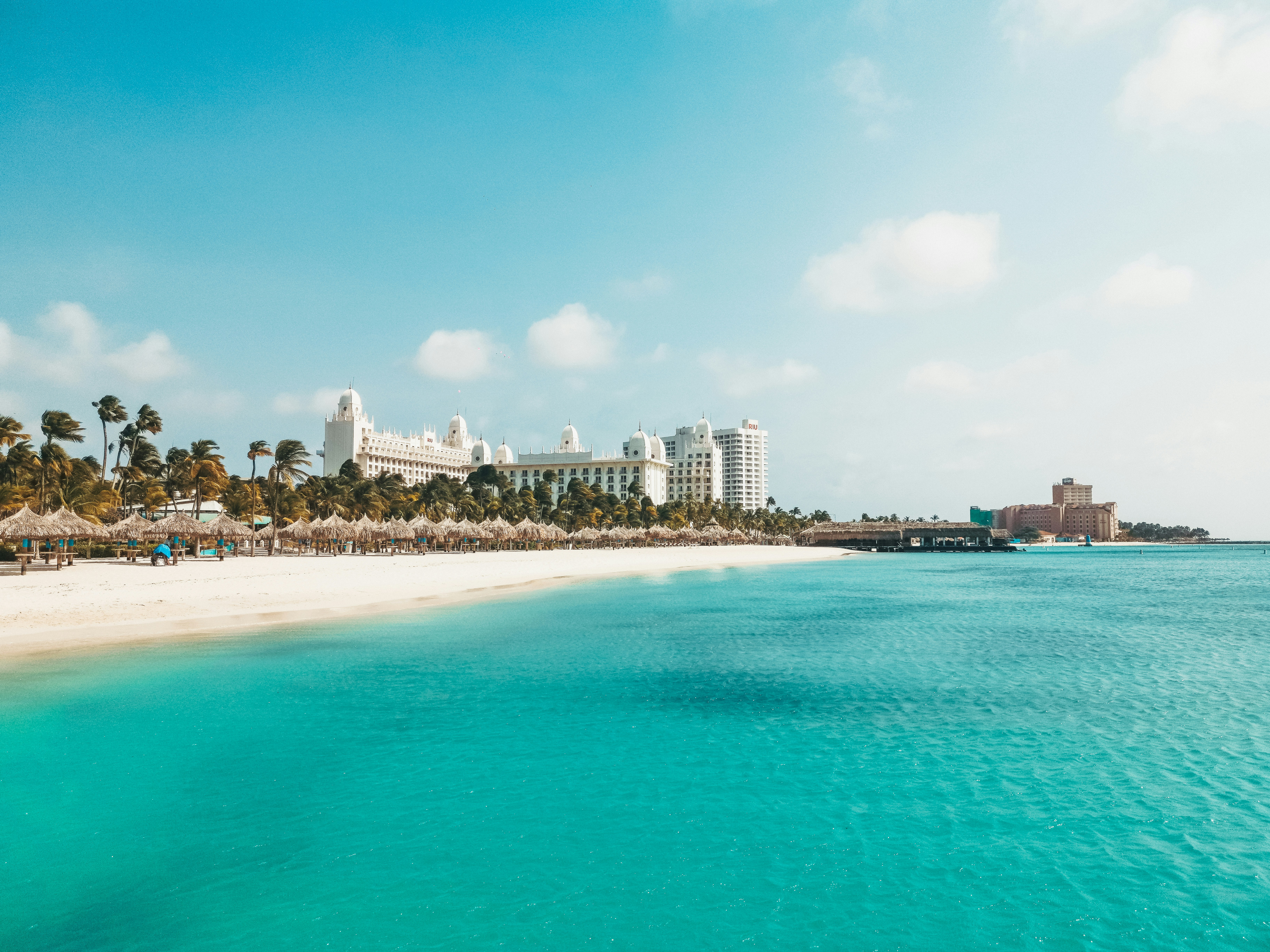
TL;DR: Is Aruba Safe for Tourists?
Yes—Aruba is generally considered one of the safest Caribbean destinations for visitors, with the main risks being petty theft, strong sun, dehydration, and water hazards rather than serious violent crime. If you use normal travel precautions, keep valuables secure, and follow beach and road safety advice, an Aruba trip is usually very straightforward and low-stress.
Aruba Travel Safety: What to Expect on the Island
Aruba is safe for most travelers, but smart habits still matter. Visitor-focused crime is described as rare and isolated, while petty theft such as unattended bags, phones, or items left in rental cars is the most practical concern for tourists. Popular resort areas like Palm Beach and Eagle Beach are commonly recommended bases because they have more foot traffic, better lighting, and easier access to services.
A helpful way to think about Aruba travel safety is that the island is not usually dangerous in the “headline” sense, but it does reward common sense. Don’t leave valuables on the beach while swimming, avoid poorly lit remote areas at night, and use licensed transport or reputable tour operators. For connectivity, many travelers like to set up an Hello eSIM before arrival so they can access maps, rides, reservations, and emergency info immediately after landing. If you want mobile data ready on day one, you can plan ahead with Hello eSIM for Aruba.
Aruba Emergency Numbers, Police Contact, and Embassy Help
The main emergency number in Aruba is 911, and travelers should save it before they leave the airport. According to Aruba travel guidance, 911 is used for ambulance and fire services, while police can also be reached at 100; the coastguard number is 913. In a medical issue, road accident, or beach emergency, call first and then alert your hotel or tour operator so they can help coordinate transport or language support.
If you hold a Singapore passport and need consular help, note that Singapore does not maintain a resident embassy in Aruba; assistance would typically be handled through Singapore’s non-resident diplomatic network or the nearest relevant mission in the region. Because embassy arrangements can change, check with Singapore’s Ministry of Foreign Affairs before departure for the latest contact details and emergency support routes.
| Situation | Best action |
|---|---|
| Police issue | Call 100 or 911 |
| Ambulance | Call 911 |
| Fire | Call 911 |
| Coastguard / marine emergency | Call 913 |
| Lost passport | Contact your hotel, local police, and your embassy/consular support |
Keep a photo of your passport, travel insurance details, and booking confirmations in your phone and cloud storage in case your documents are lost or stolen.
Common Aruba Scams and How to Avoid Them
Aruba scams are usually low-level, not elaborate, and most can be avoided by confirming prices and not leaving items unattended. The most common tourist issue is petty opportunistic theft, especially on beaches and in parked vehicles, rather than sophisticated scams targeting visitors. Taxi overcharging can also happen if the fare is not confirmed in advance, so ask for the price before the ride starts and use licensed taxis whenever possible.
A second area to watch is activity and rental upselling. If someone offers a “special deal” for a tour, jet ski, or car rental, make sure the operator is licensed, the cancellation terms are clear, and any liability coverage is written down. For self-drive travelers, never leave bags, cameras, or shopping visible inside the car, even for a short stop.
Practical anti-scam habits:
- Confirm the price before getting into a taxi.
- Keep cash, cards, and ID in separate places.
- Use hotel safes for passports and spare electronics.
- Take photos of rental car condition before driving off.
- Avoid street bargains that feel unusually cheap or pushy.
If you split costs with friends during the trip, Hello’s budget tools can make it easier to track who paid for taxis, dinners, and excursions without losing receipts in multiple currencies.
Health Advisories, Sun Safety, Water Safety, and Recommended Vaccinations
The biggest health risks in Aruba are sun exposure, dehydration, and marine safety mistakes—not tropical disease outbreaks. Travelers should prioritize hydration, shade, and sunscreen because Aruba’s climate is hot and the midday sun is intense, especially if you are spending long hours on beaches or boat trips. Reef-safe sunscreen, a hat, sunglasses, and a refillable water bottle are simple essentials, and you should reapply sunscreen after swimming.
Canadian travel guidance also recommends standard travel hygiene: wash hands regularly, avoid swallowing water while bathing or swimming, use insect repellent, and take sensible food precautions such as choosing properly cooked food. For many travelers, routine vaccinations should be up to date before departure, including measles, tetanus, and routine childhood immunizations; some travelers may also discuss hepatitis A, hepatitis B, and typhoid with a travel clinic depending on their itinerary and risk profile. Because medical advice depends on health history and trip style, it is best to check a travel medicine provider 4–6 weeks before leaving.
Water safety matters as well. On Aruba’s beaches, conditions can change quickly, and travelers should swim in designated areas, respect warnings, and be cautious of stronger currents away from calm western beaches. If you plan jet skiing, boating, or other water sports, consider travel insurance that covers activity-related injuries and remember to stay connected with an Hello eSIM so you can message your hotel or emergency contacts if plans change.
Solo Female Traveller Safety, LGBTQ+ Travel Safety, and Nighttime Tips
Solo travelers, including solo women and LGBTQ+ visitors, usually find Aruba welcoming, but the usual nighttime and situational awareness rules still apply. Aruba is broadly considered a comfortable Caribbean destination for independent travel, with the most common advice being to avoid isolated areas after dark, choose well-reviewed accommodation, and use licensed transport at night.
For solo female travellers, the most useful habits are practical rather than restrictive: share your itinerary with someone at home, keep your phone charged, and avoid walking alone in unfamiliar areas late at night. Stick to busy resort zones, carry only what you need for the evening, and trust your instincts if a place feels too quiet or overly insistent.
For LGBTQ+ travelers, Aruba is generally more relaxed than many travelers expect, especially in resort areas and among international visitors. Public displays of affection may still draw attention in quieter neighborhoods, so the safest approach is to stay aware of local norms while using the same discretion you would anywhere else. In short, Aruba is not a place where LGBTQ+ travelers usually need to be highly cautious, but respectful public behavior is still wise.
If you are out late, save emergency numbers in advance and consider using Hello’s trip tools to keep your plans, budget, and contact details in one place so you are not searching across multiple apps when you need them most.
Travel Insurance for Aruba: What It Should Cover Before You Go
Good travel insurance is one of the simplest ways to reduce risk in Aruba, especially if you plan to drive, snorkel, or book water activities. Canadian travel guidance specifically notes the importance of insurance when renting motorboats, jet skis, and vehicles, and it is smart to get clear written information about personal liability before agreeing to any activity. That advice is especially relevant in Aruba, where many visitors rent cars to explore beyond the resort strip.
A strong policy for Aruba should ideally include:
- Emergency medical care and hospitalization.
- Medical evacuation or repatriation.
- Coverage for rental vehicles or activity-related liability.
- Theft or loss of baggage and electronics.
- Trip interruption or cancellation.
If you are comparing plans, look at the fine print on water sports and deductible amounts, not just the headline price. For a typical short Caribbean trip, travelers often pay roughly US$20–US$60+ per person for basic-to-mid-range coverage depending on age, trip length, and activity level in 2026; active travelers usually pay more. Keep a digital copy of the policy in your phone, and make sure someone at home knows how to access it.
Before you fly, confirm your arrival-day connectivity with Hello eSIM for Aruba so your insurance app, maps, and emergency contacts are available the moment you land.
Explore These Destinations
Stay Connected
Ready for Aruba?
eSIM data, expense splitting, budget tracking, and more. Everything you need for a smooth trip in one app.
Related Articles
Aruba Currency & Money Guide: Exchange, Cards, and Tips
Currency exchange, credit card acceptance, ATM tips, tipping culture, and money-saving advice for Aruba.
24 July 2026
Aruba Visa & Entry Requirements for Singapore Passport Holders
Visa requirements, passport validity, customs allowances, and entry tips for Singapore citizens travelling to Aruba.
6 July 2026
eSIM for Aruba: Best Plans, Coverage, and Setup Tips
Everything you need to know about using eSIM in Aruba. Best data plans, network coverage, and setup instructions.
27 June 2026