Albania Food Guide: Must-Try Dishes, Prices, and Tips
Best local dishes, street food, restaurant prices, dietary options, and food safety tips for Albania.
By Hello Travel Team
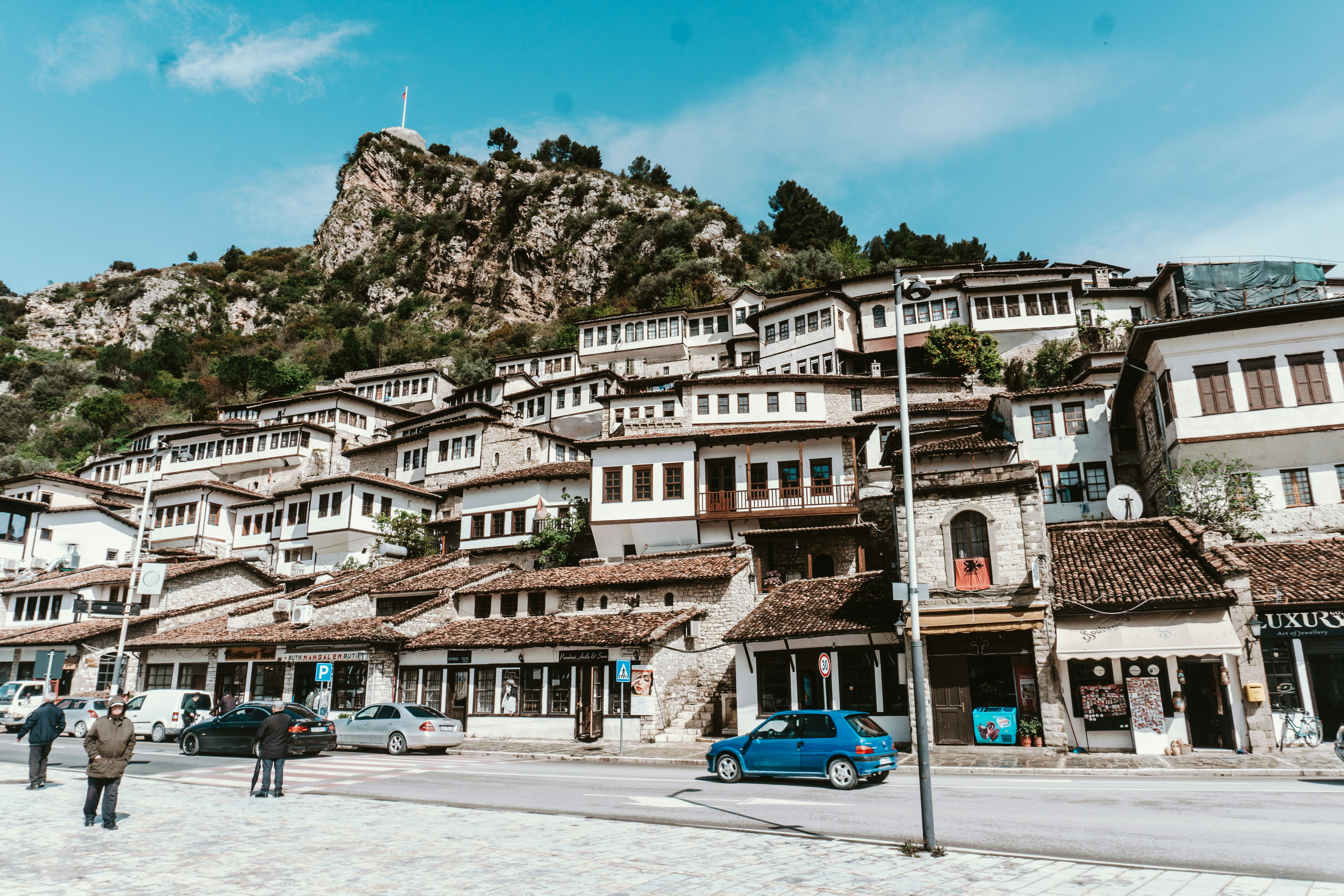
TL;DR: What to Eat in Albania and How Much It Costs
Albania’s food scene is a budget-friendly mix of Mediterranean, Balkan, and Ottoman flavors, with hearty meat grills, fresh seafood, and flaky pastries starting from just $2–3 per meal in 2026. You can eat well on €15–25 per day, especially if you mix street food with local tavernas.
Albania is an underrated food destination where simple, home-style dishes shine: think slow-cooked stews, grilled meats, and fresh salads drenched in olive oil. A classic byrek (flaky pastry) costs around 80–150 ALL (€0.70–1.30 / $0.80–1.50) from bakeries in Tirana, while a filling tavë kosi (baked lamb or chicken with yogurt) in a local restaurant can be as low as 600–900 ALL (€5–8 / $5.50–8.50) in 2026.
According to the Albanian National Institute of Statistics, food and non-alcoholic beverages account for roughly 35–40% of household spending, which helps explain why local, affordable eateries are everywhere. Tourism is also booming: the Ministry of Tourism reported over 10 million foreign arrivals in 2023, and many are coming for the beaches and the food. That influx has fueled a growing restaurant scene in hotspots like Sarandë and the Albanian Riviera.
If you want to keep an eye on your food budget, the Hello app’s AI receipt scanning (in any language or currency) makes it easy to track daily restaurant and street food costs. Combine that with an eSIM from Hello so you stay connected for translations, reviews, and reservations while you eat your way around Albania.
Albania Must-Try Food: Classic Dishes You Shouldn’t Miss
Albania’s must-try food is all about slow-cooked meats, flaky pastries, and fresh Mediterranean ingredients, with most traditional dishes costing between $4–10 in 2026 at local tavernas. If you love simple, flavorful cooking, Albania’s national dishes are extremely rewarding and budget-friendly.
Start with tavë kosi, often called Albania’s national dish: lamb or chicken baked in a tangy yogurt and egg sauce until it’s golden on top. In Tirana or Berat, expect to pay 600–900 ALL (€5–8 / $5.50–8.50) in a mid-range restaurant. Another essential is byrek, a flaky pastry filled with cheese, spinach, or meat; grab it for breakfast or a snack, typically 80–150 ALL (€0.70–1.30 / $0.80–1.50) from local bakeries.
Along the coast, especially in Vlorë and Sarandë, fresh seafood is a highlight: grilled fish, octopus, or mixed seafood platters cost about 1,000–2,000 ALL (€9–17 / $10–18) in 2026, still cheaper than many neighboring Mediterranean countries according to regional price comparisons published by Eurostat.
For meat lovers, qofte (grilled meatballs) and kebabë (skewers) are staples, served with bread, salad, and sometimes yogurt. In local grill houses, a plate runs 500–800 ALL (€4–7 / $4.50–7.50). Finish with trilece (a Balkan version of tres leches cake) or bakllava, often under 300 ALL (€2.50 / $2.70) per slice. Use the Hello app’s expense tracking and AI categorization to log these must-try Albanian foods so you can see exactly how much you’re spending on culinary highlights.
Albania Street Food vs Restaurant Dining: Prices and What to Expect
Street food in Albania is one of the cheapest and tastiest ways to eat, with snacks from $1–3 and full meals from $4–8, while sit-down restaurants typically range $8–20 per person in 2026 depending on location and style. Mixing both is the best way to stretch your food budget.
In cities like Tirana, Shkodër, and Korçë, street food is everywhere: bakeries, grill stands, and small fast-food style shops called “fast food” or “snack bar.” A byrek or simit (sesame bread ring) costs under 150 ALL, while a souvlaki-style gyro or doner usually runs 200–350 ALL (€1.80–3.10 / $2–3.30). Coffee culture is strong too; an espresso averages 100–150 ALL (€1–1.30) according to local hospitality surveys.
Restaurants span from simple “taverna” style spots to modern bistros. A typical mid-range meal (starter, main, soft drink) in Tirana costs around 1,000–1,800 ALL (€9–16 / $10–17) in 2026, aligning with cost-of-living data from major travel budgeting platforms. In coastal towns during peak summer, expect a 10–20% price bump, especially in touristy areas of the Albanian Riviera.
Here’s a quick comparison of Albania street food vs restaurant costs:
| Type | Typical Price (ALL) | Typical Price (USD, 2026) | Notes |
|---|---|---|---|
| Byrek (street) | 80–150 | $0.80–1.50 | Bakery or snack bar |
| Gyro / Doner (street) | 200–350 | $2–3.30 | Filling on-the-go meal |
| Café meal (light) | 500–900 | $4.50–8.50 | Salad, sandwich, drink |
| Taverna main dish | 600–1,200 | $5.50–11 | Traditional Albanian dishes |
| Seafood restaurant plate | 1,000–2,000 | $10–18 | Grilled fish or mixed platter |
If you’re splitting bills with friends, Hello’s expense splitting feature can automatically convert between ALL, EUR, and your home currency, so everyone pays their fair share whether you’re grabbing street food in Tirana or dining by the sea in Sarandë.
Dietary Needs in Albania: Vegetarian, Vegan, Halal, and Gluten-Free Options
Vegetarian and halal-friendly options are increasingly available in Albania’s main cities, but vegan and gluten-free travellers should plan ahead, especially outside Tirana. With some preparation and key phrases, you can still enjoy Albania’s food scene while keeping your diet on track.
Albanian cuisine is naturally meat-forward, but there are plenty of vegetarian dishes like byrek me spinaq (spinach pie), fasule (bean stew), grilled vegetables, and saladë fshati (village salad with tomatoes, cucumbers, onions, and feta-like cheese). In Tirana, you’ll now find dedicated vegetarian-friendly cafés and international restaurants; menu prices typically range 600–1,200 ALL (€5–11 / $5.50–11) for mains in 2026.
Vegan travellers will need to be more selective. Many dishes include cheese or yogurt, but you can ask for “pa djathë” (without cheese) or “pa kos” (without yogurt). Look for hummus, grilled veggies, simple tomato-based pasta, and salads. Apps like HappyCow list a growing number of vegan-friendly spots in Tirana and Durrës.
For halal food, Albania’s majority-Muslim heritage means you’ll find halal-friendly grills and Turkish-style eateries, especially in central Tirana, Elbasan, and Shkodër. However, not every restaurant is certified; ask about pork and alcohol use if this is important for you. Some establishments display “Halal” signs, and local mosques can often point you to trusted places.
Gluten-free options are less formalized: many dishes are naturally gluten-free (grilled meats, salads, rice-based dishes), but cross-contamination is common in small kitchens. Learn basic phrases like “jam alergjik ndaj glutenit” (I’m allergic to gluten) and use Hello’s note-taking or voice expense entry to log safe go-to dishes and restaurants you discover.
Food Safety, Hygiene, and Drinking Water Tips in Albania
Food safety in Albania is generally good in cities and established restaurants, but it’s wise to be cautious with tap water, raw salads, and street food in very rural areas. Basic precautions—like choosing busy places and checking hygiene—will help you avoid most stomach issues.
Urban areas such as Tirana, Durrës, and Vlorë have improved food safety standards significantly over the past decade, supported by EU-aligned regulations and inspections referenced by the European Food Safety Authority. Tap water quality varies by region: in many cities locals drink it, but travellers often prefer bottled water, which costs around 60–100 ALL (€0.50–0.90 / $0.55–1) for a 1.5L bottle in 2026.
When it comes to street food, look for stalls with high turnover, clean work surfaces, and food kept covered. Freshly fried or grilled items are usually safer than pre-prepared foods left sitting out. In hot summer months on the coast, be extra careful with dairy-based pastries and cream desserts.
Here are quick food safety tips for Albania:
- Eat at busy places where locals queue; high turnover means fresher food.
- Avoid salads washed in tap water if you have a sensitive stomach; opt for cooked vegetables.
- Check that seafood smells fresh and is well-cooked, especially in smaller beach towns.
- Use hand sanitizer before meals, especially after handling cash in markets.
If you do get sick, pharmacies (“farmaci”) are widely available, and staff often speak some English. Use an eSIM from Hello to stay online and quickly search nearby clinics or pharmacies, translate labels, or message your accommodation for help if you’re not feeling well.
How Much to Budget for Food in Albania (With Real 2026 Prices)
Most travellers can eat well in Albania on $15–25 per day by mixing street food, bakeries, and casual restaurants, while those aiming for more seafood and wine should budget $25–40 per day in 2026. Albania remains one of Europe’s best-value food destinations.
Cost-of-living aggregators and regional price comparisons confirm that Albania’s restaurant prices are significantly lower than the EU average, especially compared with nearby Greece or Italy-adjacent coastal regions. In Tirana, a budget food day might look like:
- Breakfast: Byrek and coffee – 200–250 ALL (~$2)
- Lunch: Street gyro and soda – 300–400 ALL ($2.50–3.50)
- Afternoon coffee and pastry – 200 ALL ($1.80)
- Dinner: Taverna meal with soft drink – 800–1,200 ALL ($7–11)
That’s roughly 1,500–2,000 ALL (€13–17 / $14–18) for a full day of local food in 2026.
Mid-range travellers choosing nicer cafés and seafood dinners might spend:
- Café breakfast – 300–500 ALL ($2.70–4.50)
- Sit-down lunch – 700–1,000 ALL ($6–9)
- Coffee and dessert – 300–400 ALL ($2.70–3.50)
- Seafood dinner with wine – 1,200–2,000 ALL ($11–18)
Expect 2,500–3,500 ALL (€22–31 / $23–32) per day in this case.
To keep all this organized, the Hello app’s AI receipt scanning and multi-currency budget tracking let you snap photos of restaurant bills in Albanian lek, categorize them automatically, and see how your daily food spending compares to your overall Albania trip budget. That way you can adjust in real time—maybe one more seafood dinner in Sarandë, or an extra pastry run in Gjirokastër.
Staying Connected for Food Finds: Delivery Apps, Maps, and Hello eSIM
Having mobile data in Albania makes it much easier to find the best local food, use delivery apps, and navigate to hidden tavernas—especially in cities like Tirana and Sarandë. A Hello eSIM keeps you connected from the moment you land, without hunting for a local SIM or Wi‑Fi.
Food delivery apps are growing but not as ubiquitous as in some Western European countries. Tirana leads the way with services that partner with local restaurants and cafés, mainly focused on central neighborhoods where many expats and students live. Delivery fees are usually modest (often under 150–250 ALL, about $1.50–2.50), and minimum order amounts apply, particularly in the evenings.
For most travellers, the bigger win is using maps and reviews to discover authentic local spots—like family-run tavernas in Berat’s old town or seaside grills along the Albanian Riviera. Many smaller places rely on Google Maps and social media for visibility rather than dedicated websites, so staying online helps you compare menus, check opening hours, and find directions.
Hello’s eSIM data plans for Albania (and 200+ countries) can be bought and activated before your trip via the app, so you arrive connected at destinations like Albania with instant mobile data. Plans start from 5GB, with live pricing updated in the app, and you can track how much data you’ve used while you’re scrolling through restaurant reviews.
You can also use Hello’s trip planning and budget features to save favorite restaurants, attach expenses to specific days, and split shared food costs with friends—no need to debate who owes what after that big seafood feast in Vlorë.
Common Questions About Food, Tipping, and Customs in Albania
Tipping around 5–10% in Albanian restaurants is appreciated but not strictly required, and most travellers find local food safe and affordable when they follow basic common-sense rules. Knowing a few customs and phrases will make your Albania food experience smoother and more enjoyable.
Q: Is Albanian food spicy?
A: Albanian food is generally mild, with flavors driven by herbs, olive oil, and garlic rather than chili. You might find some spicy condiments in grill houses, but heat levels are usually modest compared with cuisines like Turkey or Morocco.
Q: Do I need to tip in restaurants?
A: Tipping is not mandatory, but it’s customary to round up the bill or leave 5–10% in sit-down restaurants and cafés if service was good. In very local places, people often just round to the nearest convenient amount.
Q: Can I drink the tap water?
A: Tap water quality varies by region. Locals may drink it in some cities, but travellers often stick to bottled water, especially in older buildings or rural areas. Bottled water is inexpensive and widely available.
Q: Are card payments widely accepted?
A: In Tirana and major towns, many mid-range and higher-end restaurants accept cards, but smaller eateries and street food stands are often cash-only. Albania uses the lek (ALL), so keep some small bills handy.
Q: How can I keep track of food spending?
A: Use the Hello app’s AI receipt scanning or voice expense entry to log every coffee, byrek, or dinner, and set a daily budget so you don’t overshoot. Multi-currency features automatically convert ALL into your home currency, making it easy to see what your Albanian food adventures really cost.
Explore These Destinations
Stay Connected
Make the most of Albania
From eSIM connectivity to expense tracking, Hello is the all-in-one companion that keeps your trip stress-free.
Related Articles
Albania Currency & Money Guide: Exchange, Cards, and Tips
Currency exchange, credit card acceptance, ATM tips, tipping culture, and money-saving advice for Albania.
23 July 2026
Albania Safety Guide: Tips for a Safe Trip
Safety tips, health advisories, emergency contacts, common scams, and travel insurance advice for Albania.
15 July 2026
Albania Visa & Entry Requirements for Singapore Passport Holders
Visa requirements, passport validity, customs allowances, and entry tips for Singapore citizens travelling to Albania.
6 July 2026