Albania Safety Guide: Tips for a Safe Trip
Safety tips, health advisories, emergency contacts, common scams, and travel insurance advice for Albania.
By Hello Travel Team
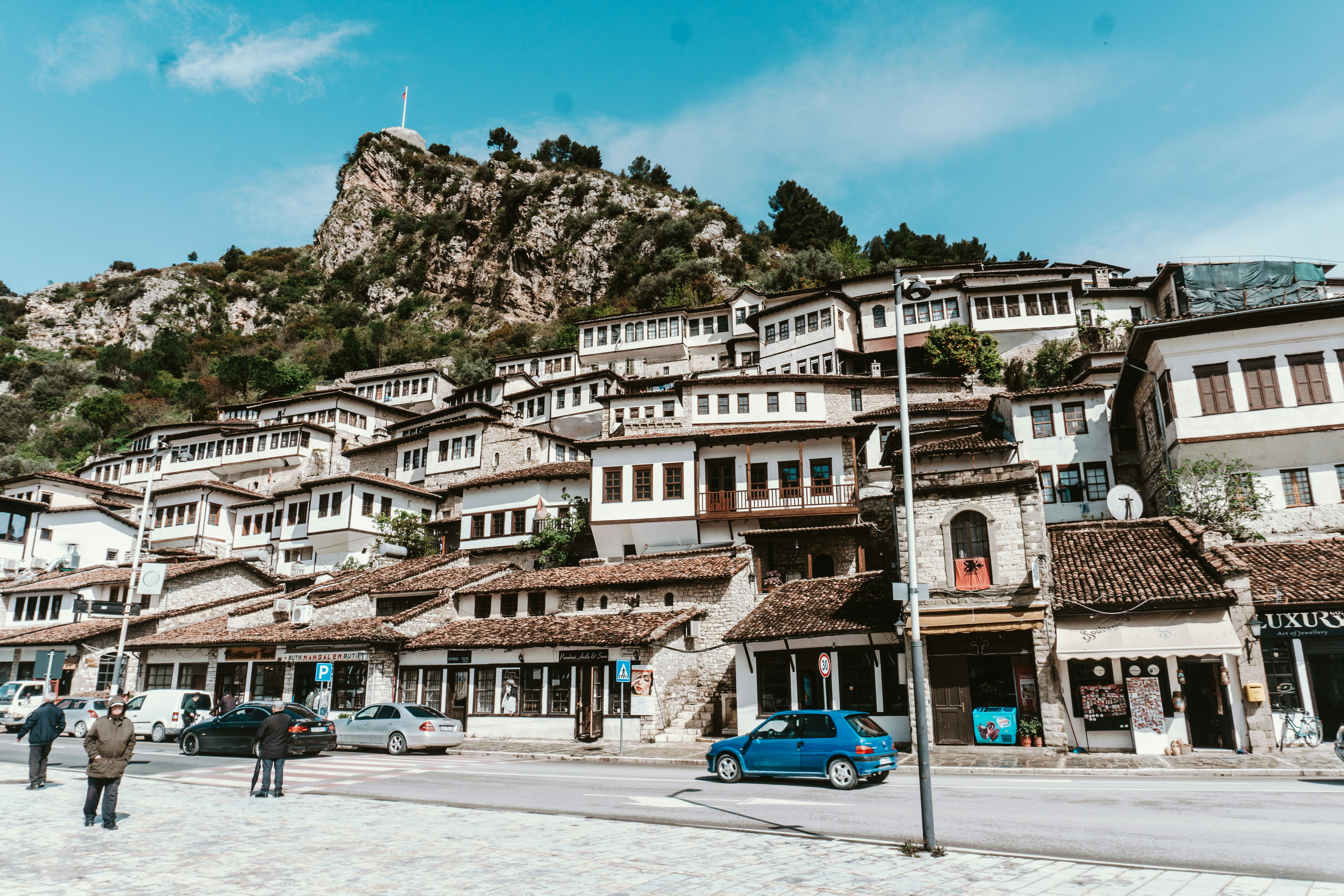
TL;DR: Is Albania Safe to Visit Right Now?
Albania is generally safe for tourists, with low violent crime and most issues limited to petty theft and road safety; it currently holds a Level 2 “exercise increased caution” advisory from the US State Department, similar to France or Italy, meaning regular awareness—not fear—is appropriate.
For most visitors, Albania travel safety feels comparable to other European destinations: friendly locals, welcoming guesthouses, and lively seaside towns where problems are rare and usually minor. According to recent data cited by multiple travel safety guides, Albania’s homicide rate is around 1.2–1.4 per 100,000 people, lower than the US and Turkey, and crime against tourists is overwhelmingly non‑violent (think pickpocketing in busier areas rather than muggings).
You should still take sensible precautions: keep valuables secured, be cautious on mountain roads at night, and use licensed taxis or ride‑hailing apps around Tirana and the coast. Save 112 (the EU‑wide emergency number) and the dedicated police, ambulance, and fire numbers in your phone before you land.
To stay connected and use maps, translation, and ride‑hailing safely on the go, many travellers pick up an eSIM from Hello before departure, arriving with data already active. Combined with solid travel insurance and basic street smarts, this is usually all you need for a safe, relaxed Albania trip.
Overall Albania Travel Safety: How Safe Is Albania in 2026?
Albania is considered safe for tourists in 2026, with low violent crime and a US State Department Level 2 advisory (“exercise increased caution”) largely due to organized crime that rarely involves visitors rather than any widespread threat to travellers.
Most reputable safety guides agree that crime targeting tourists is low and largely limited to opportunistic theft in crowded places, unlicensed taxi overcharging, and occasionally pushy touts at transport hubs. The UK Foreign, Commonwealth & Development Office notes that crime against foreigners is rare and advises “normal precautions,” in line with other European destinations.
To put numbers in perspective, recent analyses of Albanian statistics report that intentional homicides dropped to around the mid‑30s nationally in a year, equating to roughly 1.2–1.4 per 100,000 people, one of the lower rates in Europe and significantly lower than countries like the United States. At the same time, Albania’s total criminal offences are hovering near a 10‑year low, which supports the general perception of a calm, low‑risk environment in tourist areas.
The biggest genuine risk for visitors is usually road safety, not crime: fast driving, variable road surfaces, and limited street lighting in rural or mountain areas. As a rule of thumb, treat Albania like any medium‑size European country: use common sense with bags and valuables, check taxi prices, and avoid drunk driving or late‑night mountain roads, and you’re unlikely to encounter serious issues.
Emergency Numbers in Albania and Singapore Embassy Contacts
Albania uses the EU‑wide 112 emergency number for police, ambulance, and fire, backed by specific lines (129, 127, 128) that still operate in many areas—save all of them in your phone before you arrive.
Here are the key Albania emergency numbers you should know:
- 112 – General emergency (police, fire, medical); widely used across Albania, with English‑speaking operators more likely in Tirana and larger cities.
- 129 – Police; this includes Tourist Police in major hotspots like Tirana and popular coastal areas.
- 127 – Ambulance / medical emergencies; response can be slower outside the capital.
- 128 – Fire brigade.
If you’re travelling from Singapore, note that Singapore does not have an embassy in Albania. The nearest representation is typically through Singapore’s missions in regional hubs such as Rome (Italy) or Geneva (Switzerland), which often cover Balkan countries. Check Singapore’s Ministry of Foreign Affairs website before your trip for the latest accreditation and emergency contact details; they usually provide a 24‑hour duty officer phone line that Singaporeans can call from abroad.
Always store the following in your phone and on paper:
- Your accommodation’s 24‑hour front desk or host number.
- Local tour operator numbers (if you’re hiking or taking excursions).
- Travel insurer emergency assistance line.
A practical routine on day one: connect to data (for example via a Hello eSIM for Albania from Hello eSIM for Japan style plans), test calling 112, and drop a message with your itinerary and contact details to a trusted friend or family member at home.
Health, Water Safety, and Recommended Vaccinations for Albania
Health risks in Albania are generally moderate, with no special vaccines legally required for entry, but travellers are advised to update routine immunizations and consider hepatitis A/B and tetanus boosters, and to treat tap water cautiously outside major cities.
Albania’s healthcare system is improving but still uneven, especially outside Tirana. Public hospitals can be crowded, and equipment may be basic; many visitors and expatriates prefer private clinics in the capital for non‑urgent care, where a GP consultation might cost €30–50 in 2026. For serious incidents or complex surgery, medical evacuation to another European country is sometimes recommended by insurers, which is one reason comprehensive travel insurance matters.
Regarding water safety, tap water in Tirana and some larger cities is often used by locals, but most safety guides advise tourists to drink bottled water and avoid ice in very rural or older establishments if you have a sensitive stomach. A 1.5L bottle costs about 50–70 lek (around €0.40–0.60 in 2026) in supermarkets.
Vaccination‑wise, standard schedules (MMR, polio, diphtheria) plus hepatitis A are commonly recommended for Albania, as you may occasionally encounter less‑regulated food hygiene or untreated water in remote areas. If you’ll be hiking or spending time in caves or farms, some travellers also ask their doctor about rabies and tetanus updates.
Practical tips:
- Pack a small personal medical kit: painkillers, rehydration salts, anti‑diarrhoeal tablets, bandages.
- Confirm your travel insurance covers medical evacuation from Albania.
- Use maps on your phone (kept online with a Hello eSIM) to locate nearby pharmacies and clinics quickly.
Common Scams in Albania and How to Avoid Them
Most tourists in Albania never experience serious scams, but minor issues like taxi overcharging, inflated bills, and pickpocketing in busy spots do occur—knowing the patterns and prices is the easiest way to stay safe and stress‑free.
Albania doesn’t have widespread or dangerous tourist scams compared with some large European capitals, but you’ll still want to watch for a few Albania scams that show up repeatedly:
- Taxi overcharging at Tirana Airport and major bus stations: Unofficial drivers may quote several times the normal fare.
- Meter “malfunctions” in city taxis: Drivers claim the meter is broken and demand a flat fee well above the going rate.
- Restaurant bill padding in very touristy strips: Extra items appear on the check or “service” is added twice.
- Pickpocketing on crowded buses, in markets, and near nightlife areas, especially around Blloku in Tirana.
Typical fair prices in 2026:
- Tirana Airport → city centre in an official taxi: around 1,500–2,000 lek (€13–17).
- Short city rides in Tirana: usually 300–600 lek (€2.50–5).
Use this simple safety table when dealing with taxis:
| Situation | Safe Practice | Risk Level |
|---|---|---|
| Airport arrival | Use official taxi desk or app‑booked cab | Low |
| Street pickup | Check that the taxi has a licence and working meter | Medium |
| Unmarked car offer | Decline and walk to a taxi rank | High |
To avoid scams:
- Use ride‑hailing apps or official taxi ranks; avoid random drivers approaching you.
- Always ask for a printed or itemised bill in restaurants.
- Keep wallets and phones in front pockets or zipped bags in crowded areas.
Staying online via a Hello eSIM for Albania helps—your phone lets you check real‑time map routes, confirm prices, translate menus, and quickly research whether a situation looks normal.
Solo Female and LGBTQ+ Traveller Safety in Albania
Solo female and LGBTQ+ travellers generally find Albania safe and welcoming, with low street crime in tourist areas, though conservative social attitudes outside Tirana mean discretion and situational awareness are still wise, especially regarding public displays of affection.
For solo female travellers, Albania’s main concerns are practical rather than sinister: some overfriendly attention in bars, occasional catcalling in more traditional neighbourhoods, and road safety on intercity buses or late‑night taxis. Violent attacks against foreign women are very rare according to safety overviews and government advisories, and many women report feeling more comfortable here than in some large Western European cities.
Tips for solo female visitors:
- Choose centrally located accommodation in Tirana, Sarandë, or Berat, with good reviews and 24‑hour reception.
- Avoid poorly lit streets late at night, especially in unfamiliar suburbs.
- Sit near other women or families on buses and shared minibuses (furgons).
For LGBTQ+ travellers, Albania is slowly liberalizing, particularly in Tirana, which hosts small Pride events and has a handful of LGBTQ‑friendly bars and NGOs. However, much of the country remains socially conservative, and open same‑sex affection may attract stares or rude comments, especially in rural areas.
Practical LGBTQ+ tips:
- Feel free to travel with your partner; most hotels will accommodate you without issue if you book as a couple.
- Keep public affection low‑key outside Tirana and major coastal towns.
- Connect with local organizations online for updates on events and safe spaces.
In both cases, having mobile data via a Hello eSIM lets you share your live location with trusted friends, use translation to de‑escalate misunderstandings, and rapidly look up safe nightlife and community venues.
Travel Insurance, Connectivity, and Budget Safety for Albania
Reliable travel insurance and always‑on connectivity are your two biggest safety upgrades in Albania, covering medical emergencies, road mishaps, and trip disruptions while keeping you online for maps, cashless payments, and quick contact with help if something goes wrong.
Most experienced travellers to Albania strongly recommend comprehensive travel insurance that includes:
- Emergency medical coverage of at least €100,000.
- Medical evacuation to another European country if needed.
- Trip interruption and baggage loss protection.
Given that Albania’s public healthcare can be basic outside Tirana and private clinics or evacuation can be costly, a single serious incident could easily exceed €5,000–10,000 in medical and logistical costs in 2026. Insurance premiums for a one‑week Europe trip from many countries are often in the €25–60 range for standard coverage, which is small compared with potential bills.
Staying connected also improves safety. With Hello’s eSIM plans, you can buy and activate data for Albania before you fly, arrive with mobile internet already working, and use your phone for:
- Live navigation and offline‑friendly mapping in unfamiliar neighbourhoods.
- Instant translation when talking to police, doctors, or drivers.
- Quick access to emergency contacts and embassy information.
Beyond safety, the Hello app helps keep your finances under control: AI receipt scanning, multi‑currency tracking with automatic exchange rates, and expense splitting with friends mean fewer money disputes and clearer budgets—important when you’re dealing with cash payments and mixed currencies across the Balkans.
For destination‑specific planning (from safe areas to seasonal tips), you can also check the dedicated Albania page while building your itinerary.
Common Questions About Albania Safety, Scams, and Emergencies
Albania is generally safe, with rare violent crime against tourists; most real risks involve petty theft and road safety, and you can handle emergencies by dialing 112 or the dedicated police (129), ambulance (127), and fire (128) numbers stored in your phone.
Q: Is Albania safe for tourists?
Yes. Multiple independent safety guides and government advisories describe Albania as a low‑risk destination, with the US State Department listing it as Level 2 (“exercise increased caution”) mainly due to internal organized crime rather than tourist‑focused issues. Violent crime against foreigners is described as very rare.
Q: What are the main risks for visitors?
The key concerns are:
- Road safety – fast or unpredictable driving and poor lighting in rural areas.
- Petty theft – pickpocketing in busy spots and nightlife districts.
- Minor scams – taxi overcharging and inflated bills in very touristy strips.
Q: Which emergency numbers should I know?
- 112 – any emergency (police, fire, medical).
- 129 – police.
- 127 – ambulance.
- 128 – fire.
Q: Is Albania safe for solo female travellers?
Generally, yes. Solo women report feeling comfortable in Tirana and coastal towns with normal city‑level precautions: avoiding dark, empty streets late at night, watching drinks in bars, and choosing reputable accommodation.
Q: Do I need travel insurance?
Strongly yes. Albania’s healthcare is improving but uneven; travel insurance with medical evacuation and emergency assistance is one of the most important safety tools you can bring.
Q: How can Hello help me stay safe?
Hello’s eSIM keeps you online for maps, emergency calls, and translation, while the app’s budget and expense‑splitting tools reduce stress around money—so you can focus on enjoying Albania’s mountains, beaches, and historic towns instead of worrying about logistics.
Explore These Destinations
Stay Connected
Ready for Albania?
eSIM data, expense splitting, budget tracking, and more. Everything you need for a smooth trip in one app.
Related Articles
Albania Currency & Money Guide: Exchange, Cards, and Tips
Currency exchange, credit card acceptance, ATM tips, tipping culture, and money-saving advice for Albania.
23 July 2026
Albania Visa & Entry Requirements for Singapore Passport Holders
Visa requirements, passport validity, customs allowances, and entry tips for Singapore citizens travelling to Albania.
6 July 2026
eSIM for Albania: Best Plans, Coverage, and Setup Tips
Everything you need to know about using eSIM in Albania. Best data plans, network coverage, and setup instructions.
27 June 2026