Albania Cultural Guide: Etiquette, Customs, and Tips
Essential do's and don'ts, greeting customs, dress codes, local phrases, and cultural tips for Albania.
By Hello Travel Team
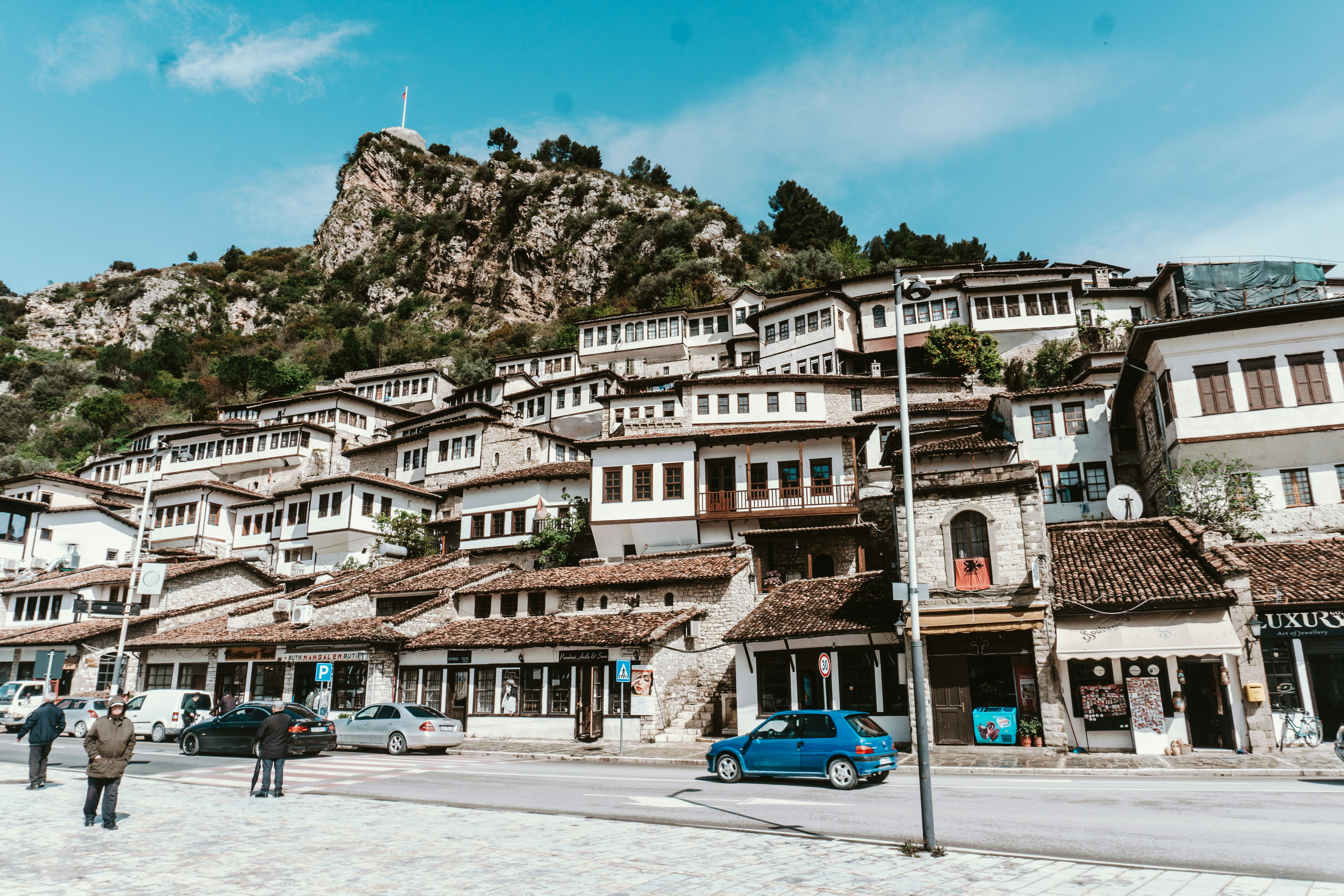
TL;DR: Essential Albania cultural dos and don’ts for travellers
Albania culture is warm, proud, and deeply hospitable, but travellers should learn key etiquette: greet people politely, dress modestly in villages and religious sites, ask before taking photos, and understand the local rhythm of coffee, family, and faith. These basics will make your trip smoother and more respectful.
Think of Albania as a place where hospitality, honor, and community are central. Guests are treated generously, but visitors are expected to show politeness, avoid loud public arguments, and respect elders and family traditions. A simple “Faleminderit” (thank you) or “Tungjatjeta” (hello) goes a long way.
Key dos include: greeting shopkeepers, tipping 5–10% in restaurants, carrying a scarf or shawl for religious sites, and learning a few Albanian phrases even though many younger people speak some English or Italian. Common don’ts: don’t talk loudly about politics or Kosovo unless invited, don’t assume everyone is Muslim, and don’t refuse offered coffee too bluntly.
Practical note for 2026: Albania’s tourism has been growing fast, with over 10 million foreign arrivals in 2023 according to the Albanian Institute of Statistics, so locals are increasingly used to visitors—but still appreciate cultural awareness. Using the Hello app for budget tracking and expense splitting with friends can help you navigate everyday costs, from coffee to intercity buses, without money stress.
Albania culture basics: hospitality, social norms, and everyday etiquette
Albania etiquette is rooted in hospitality and respect, so the main cultural rule is simple: be polite, accept kindness gracefully, and show genuine interest in local life. A friendly attitude matters more than perfect Albanian, but a few phrases and basic manners make a big difference.
Albanians are famously hospitable; being invited for coffee or rakia (local brandy) is common, especially outside Tirana. Refusing outright can feel rude, so if you’re busy, soften it: “Faleminderit, por jam i zënë sot” (Thank you, but I’m busy today). Guests are often offered food even if the household is modest; try a little of everything and compliment the cooking.
Everyday etiquette tips:
- Greeting: Say hello when entering small shops or cafés, and goodbye when leaving.
- Volume: Keep voices moderate in public; loud behavior can be seen as disrespectful.
- Respect for elders: Offer your seat on buses and let older people speak first.
According to the World Bank, Albania’s urbanization has risen above 60%, but traditional customs remain strong in rural areas, where dress is more conservative and visits may involve extended family. In cities, style and norms feel more Mediterranean, but public displays of affection are still more discreet than in parts of Western Europe.
To navigate prices, note that a coffee in Tirana averages around €1–1.50 in 2026, while a casual restaurant meal is typically €8–15 per person, making Albania one of Europe’s more affordable destinations and easier to enjoy on a modest budget.
Greetings, body language, and useful Albanian phrases for travellers
Albanian greeting customs are warm but not overly formal: a simple hello, a handshake, and eye contact are usually enough, while close friends may embrace or kiss on both cheeks. Learning a handful of Albanian phrases shows respect and instantly improves local interactions.
In Albania, a firm but not crushing handshake is standard in both social and business settings. Among friends and family, men often greet with a hug or shoulder pat; women may kiss on both cheeks. When meeting elders, stand up, shake hands, and use respectful forms like “Zoti” (Mr.) or “Zonja” (Mrs.). Avoid overly strong or aggressive eye contact, which can feel confrontational.
Hand gestures can be confusing: nodding and shaking the head for yes/no generally follow European patterns, but some older Albanians may use a subtle upward tilt of the head to mean “no.” When in doubt, ask: “Po apo jo?” (Yes or no?).
Handy phrases for travellers:
- Hello: “Tungjatjeta” or simply “Pershendetje”
- Good morning: “Mirëmëngjes”
- Thank you: “Faleminderit”
- Please: “Ju lutem”
- Excuse me / sorry: “Më falni”
- How much is this?: “Sa kushton?”
You’ll hear English more often in Tirana, Saranda, and Shkodër, especially among younger people, but it’s not universal in smaller towns. A phrasebook or offline translation in the Hello app can be handy, especially when splitting costs in multi-currency situations or logging cash payments in lek using AI receipt scanning.
Dress codes and photography rules in Albania’s cities, villages, and religious sites
Albania dress codes are relaxed in cities and beaches but more conservative in villages and religious sites, where covering shoulders and knees is expected. Photography is widely accepted in tourist areas, but you should always ask before shooting people, private property, or sensitive locations.
In Tirana and coastal areas like Saranda and Vlora, casual European clothing is the norm; shorts and sleeveless tops are fine in summer, especially along the Riviera. However, in more traditional towns such as Gjirokastër or Kruja, and in highland villages in the Albanian Alps, modest dress is appreciated—think longer shorts or trousers, and covered shoulders when visiting families or local events.
For mosques, churches, and monasteries, follow standard religious etiquette:
- Wear long trousers or skirts and tops that cover shoulders and chest.
- Remove hats; in some mosques, women may be asked to cover hair with a scarf.
- Speak quietly and avoid phone calls inside.
Photography rules are generally relaxed, but taking photos of military or police facilities is discouraged and can attract attention. Always ask permission before photographing people, especially children or older villagers, and be tactful when capturing religious ceremonies.
Many sites, like the Et’hem Bey Mosque in Tirana or the Orthodox churches of Berat, may restrict flash photography or pictures during services; follow posted signs and local guidance. Entry fees for heritage sites are usually modest (often €3–7 in 2026), making it easy to visit multiple locations. Use your phone’s offline maps and a Hello eSIM for Albania to avoid roaming charges while exploring and sharing photos responsibly.
Business etiquette, meetings, and professional customs in Albania
Business etiquette in Albania blends local warmth with European professionalism: punctuality, respectful greetings, and smart clothing matter, while relationships and trust often outweigh purely transactional approaches. Foreign visitors should be formal at first, then adapt as they sense the tone of the relationship.
For business meetings, arrive on time but expect a flexible schedule; coffee chats can be as important as formal agendas. Address people with titles and surnames initially—“Zoti” plus surname for men, “Zonja/Zonjushë” for women—until invited to use first names. Exchanging business cards is common, and having Albanian on one side is appreciated though not required.
Dress codes lean toward business casual in tech and tourism, and more formal in government or finance. A blazer, shirt, and trousers for men, and a modest dress or blouse and trousers for women, work well across contexts. Public disagreements or confrontational criticism are generally avoided; if you must challenge an idea, do it privately and respectfully.
Building rapport matters: sharing a coffee, asking about family, and showing familiarity with Albania’s recent economic growth can help. According to the International Trade Centre, Albania’s GDP has grown steadily over the past decade and foreign investment has increased, making personal networks and trust significant in business deals.
For budgeting, a mid-range business lunch in Tirana is about €15–25 per person in 2026, and taxis within the city typically cost €5–10. The Hello app’s budget tracking and AI receipt scanning can help you keep work-trip expenses organized in multiple currencies, which is useful if your company reimburses in euros while you pay locally in lek.
Albania holidays, gift-giving customs, and timing your trip
Albania customs around holidays blend religious and national traditions, so travellers should expect some closures and festivities on major dates like Independence Day, Bajram, and Orthodox and Catholic Christmas. Gift-giving is modest but meaningful, focusing on thoughtfulness rather than high cost.
Key public holidays that can affect travel plans include:
- Independence Day: 28 November, celebrating independence from the Ottoman Empire.
- Liberation Day: 29 November, marking the end of WWII in Albania.
- New Year’s Day: 1–2 January, widely celebrated with family gatherings.
With a mixed religious landscape—Muslim, Orthodox, and Catholic communities—Albania also observes Islamic holidays like Eid al-Fitr (Bajram) and Eid al-Adha, as well as Christmas on 25 December and Orthodox Christmas on 7 January. On these days, government offices and some shops may close or reduce hours, though tourist areas, cafés, and restaurants usually stay active. According to Albania’s National Tourism Agency, visitor numbers have surged around festive seasons as travellers seek local celebrations and cultural events.
Gift-giving etiquette is simple: if invited to someone’s home, bring sweets, fruit, or a small bottle of wine; flowers are appropriate but avoid white carnations, which can be associated with funerals. Gifts are often opened immediately and praised. Exchanging expensive gifts isn’t expected; generosity is measured more by sincerity.
When planning, remember that summer (June–September) is peak season along the Riviera, with higher prices and busier beaches. In 2026, expect mid-range hotels in Saranda to start around €60–120 per night. Use Hello’s trip planning and expense-splitting features to control shared costs on group trips, especially when you’re booking accommodation and transport across different dates and currencies.
Common Questions: practical Albania dos and don’ts for visitors
Albania dos and don’ts boil down to this: greet people warmly, dress modestly in villages and religious sites, be careful with sensitive topics, and follow local cues around hospitality and photography. If you stay respectful and curious, most Albanians will happily help you navigate their culture.
Is Albania safe for travellers? Albania is generally considered safe for tourists, with crime rates lower than many Western European countries, according to Eurostat comparisons. As always, use common sense: watch valuables in crowded buses, avoid poorly lit areas at night, and follow local advice.
How much cash should I carry? Card payments are increasingly common in Tirana and major coastal towns, but cash (lek) is still king in smaller places. In 2026, carrying the equivalent of €20–50 in lek for daily expenses covers coffee, snacks, and local buses. Bank statement import and multi-currency tracking in the Hello app can keep these cash expenses organized.
Is tipping expected? Yes, but modestly. Round up taxi fares, leave small change at cafés, and tip 5–10% in restaurants if service isn’t already included.
Any cultural taboos? Avoid insulting Albania’s history or national heroes, don’t mock religious practices, and be cautious when discussing politics or Kosovo. Also, don’t photograph people in prayer or at cemeteries without explicit permission.
How do I stay connected? Urban areas have good 4G coverage and expanding 5G, according to regional telecom reports. For easy roaming-free data across Albania and nearby destinations like Albania and beyond, an eSIM from Hello lets you arrive connected, book transport, and share expenses without hunting for local SIM shops.
Explore These Destinations
Stay Connected
Make the most of Albania
From eSIM connectivity to expense tracking, Hello is the all-in-one companion that keeps your trip stress-free.
Related Articles
Albania Currency & Money Guide: Exchange, Cards, and Tips
Currency exchange, credit card acceptance, ATM tips, tipping culture, and money-saving advice for Albania.
23 July 2026
Albania Safety Guide: Tips for a Safe Trip
Safety tips, health advisories, emergency contacts, common scams, and travel insurance advice for Albania.
15 July 2026
Albania Visa & Entry Requirements for Singapore Passport Holders
Visa requirements, passport validity, customs allowances, and entry tips for Singapore citizens travelling to Albania.
6 July 2026