Afghanistan Cultural Guide: Etiquette, Customs, and Tips
Essential do's and don'ts, greeting customs, dress codes, local phrases, and cultural tips for Afghanistan.
By Hello Travel Team
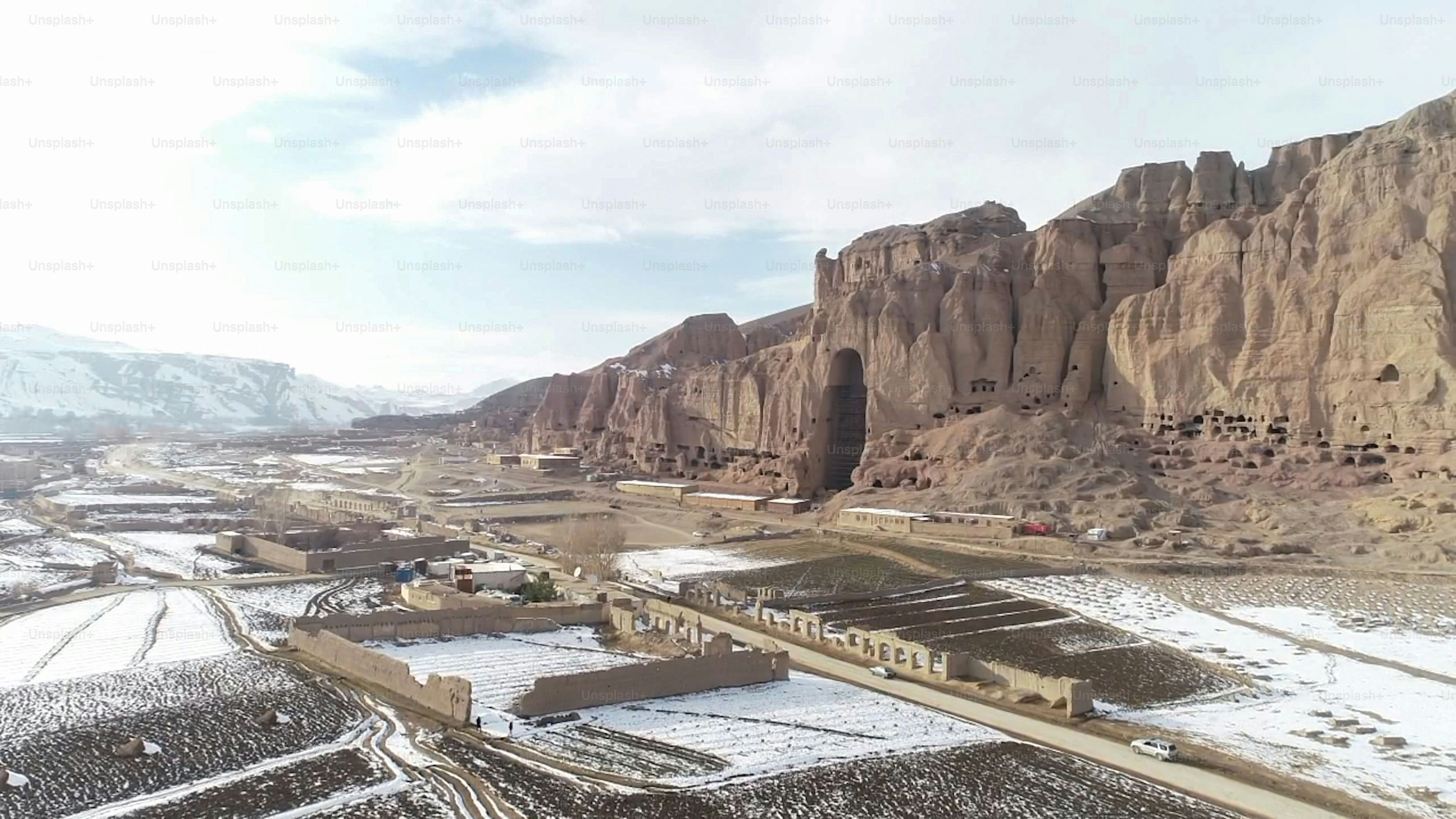
TL;DR: Essential Afghanistan Etiquette, Customs, and Cultural Dos and Don’ts
Afghanistan culture is deeply rooted in Islam, strong family ties, and hospitality, so respectful dress, conservative behavior, and learning a few local phrases go a long way for travellers. The key dos and don’ts are: dress modestly, greet politely, ask permission before photos, and avoid political or religious debates.
Afghanistan remains a complex and often sensitive destination, but if you’re visiting for work, humanitarian projects, or family reasons, understanding Afghanistan etiquette is as important as your visa or security briefing. Everyday life is guided by Islamic values, tribal traditions, and Pashtunwali (a customary code emphasizing honor, hospitality, and respect), and visitors are judged more by their manners than their passport.
In practice, this means conservative clothing, gender-sensitive behavior, and patience with slower processes and frequent tea breaks. Handshakes are common between men, but physical contact between unrelated men and women is generally avoided. Public displays of affection are inappropriate, and loud criticism of local customs or religion can quickly cause offense.
When it comes to logistics, connectivity and budgeting are still challenges. Many visitors rely on offline maps, pre-loaded information, and careful cash planning. Using tools like the Hello app for trip planning and budget tracking helps you manage variable costs such as taxis (often $3–$7 per ride in urban areas in 2026, depending on distance), meals, and local guides. With the right cultural awareness and practical prep, you can focus on meaningful interactions rather than worrying about unintentional faux pas.
Core Afghanistan Culture: Values, Social Norms, and Everyday Etiquette
Afghanistan culture centers on religion, honor, and hospitality, so the most important etiquette rule is to behave modestly, show respect to elders, and accept offers of tea and food whenever possible. Understanding these core values will make every interaction smoother and safer.
Islam is central to daily life, and around 99% of Afghans are Muslim, predominantly Sunni, according to United Nations and World Bank demographic data from the mid-2020s. Prayer times, Ramadan fasting, and mosque activities shape schedules, business hours, and social gatherings, so travellers should expect slower days during religious periods and be patient when meetings pause for prayer.
Honor and reputation (often expressed through Pashtunwali among Pashtun communities) influence social behavior: keeping your word, avoiding public confrontation, and showing respect to elders are non‑negotiables. A simple way to demonstrate respect is to greet the oldest person first, stand when elders enter, and avoid interrupting them.
Hospitality is both a duty and a joy. Guests are often offered tea (chai), sweets, or a full meal, and refusing outright can be seen as rude. If you’re full or tired, say you’ll just have a small amount rather than declining completely.
For travellers, everyday etiquette can be summarized as:
- Speak calmly and politely, avoiding swearing or sarcasm.
- Dress modestly and avoid revealing clothing.
- Keep political opinions to yourself unless you’re in a trusted, private setting.
- Accept tea and snacks graciously, offering thanks and a few kind words about the host’s home or family.
Greeting Customs and Local Phrases: How to Say Hello in Afghanistan
The most important greeting etiquette in Afghanistan is to start with “Salaam alaikum” (peace be upon you), follow up with respectful questions about family and health, and avoid physical contact with the opposite gender unless they clearly initiate it. Learn a few Dari and Pashto phrases and you’ll be welcomed warmly.
Afghans value polite, deliberate greetings over rushed introductions. In more formal settings, people often place a hand over the heart while saying hello; men usually shake hands with other men, but many women prefer a verbal greeting only. As a visitor, let locals lead: if a woman doesn’t extend her hand, simply nod, say “Salaam alaikum,” and smile.
Dari (a variety of Persian) and Pashto are the main languages, and even basic phrases show respect:
-
Dari:
- “Salaam alaikum” – Peace be upon you (hello)
- “Tashakur” – Thank you
- “Lotfan” – Please
- “Bakhshesh” – Excuse me / sorry
-
Pashto:
- “Salaamona” – Greetings
- “Manana” – Thank you
- “Mehrbani” – Please
Small talk often includes questions like “How is your family?” or “Are you well?” It’s polite to respond positively even if you’re tired or stressed.
For travellers juggling local phrases, logistics, and expenses, the Hello app can simplify things in the background: you can log cash tips, taxi fares, and meal costs in multiple currencies, then split expenses with friends later without worrying about exchange rates. Voice expense entry is especially handy when you’re focused on conversation rather than your phone.
Dress Codes in Afghanistan: What to Wear, Especially at Religious Sites
The key dress rule in Afghanistan is simple: when in doubt, be more modest. Wear loose, long clothing that covers arms and legs, and add a headscarf for women and conservative attire for men when visiting mosques, shrines, or rural areas.
Afghanistan customs around dress are shaped by religious conservatism and local community norms. In many urban areas, foreign men can get by with long trousers, a long‑sleeved shirt, and closed shoes. Shorts, sleeveless tops, and tight clothing for men are inappropriate in almost all settings.
For women, expectations are stricter and can vary by region and current regulations. As a baseline for cultural sensitivity, plan to wear:
- Long, loose trousers or a long skirt.
- Long‑sleeved tunic that covers the hips.
- A scarf to cover your hair whenever needed.
When visiting mosques or religious shrines, both men and women should remove shoes before entering, avoid flashy colors or tight outfits, and keep voices low. Photography inside is often discouraged or forbidden; look for signs and follow the lead of your local host or guide.
To make planning easier, consider packing a “respect kit”: one lightweight scarf, one long tunic, and slip‑on shoes for quick removal at religious sites. In 2026, basic local clothing items like scarves or long tunics can often be bought in markets for the equivalent of $5–$15, and purchasing locally can help you blend in better.
A comparison of typical expectations can help:
| Traveller type | Urban streets | Religious sites |
|---|---|---|
| Men | Long pants, long sleeves, closed shoes | Long pants, long sleeves, no shorts or tight shirts |
| Women | Long, loose clothes, hair covering often expected | Full coverage including hair, very modest and loose clothing |
Photography, Business Etiquette, and Gift-Giving Customs in Afghanistan
The most important Afghanistan etiquette rule for photography and business is to always ask permission first—whether snapping people or negotiating a contract—and to approach gifts as symbolic gestures rather than expensive offerings. Respect and patience matter more than perfect language.
Photography can be sensitive, especially around government buildings, military checkpoints, and religious sites. As a general rule, avoid photographing security infrastructure, official buildings, or people in uniform to prevent misunderstandings. When photographing people, ask clearly and wait for a verbal yes or at least a warm nod; some women, in particular, may decline, and that decision should be respected without question.
Business etiquette is rooted in relationships. Meetings often start with tea and small talk rather than immediate agenda items, and decisions may take time. It’s polite to:
- Address senior people first.
- Be on time, but expect delays.
- Avoid hard “no” answers; instead, use softer phrasing like “It may be difficult.”
Written contracts are useful but trust is built through repeated visits and keeping promises. Bringing a small gift from your home country (such as quality chocolate, a book about your city, or a tasteful souvenir worth $10–$25) can be a thoughtful way to show respect, particularly when visiting a home or meeting an elder.
Gift‑giving etiquette:
- Present gifts with both hands.
- Avoid alcohol or items with nudity.
- Don’t expect gifts to be opened immediately; it’s common to open them later.
For budgeting, the Hello app’s AI receipt scanning and multi‑currency tracking can be invaluable when you’re paying for translators, drivers, or business lunches, which may range from $7–$15 per person in urban areas in 2026, depending on venue and security arrangements.
Local Holidays, Travel Timing, and Connectivity Tips for Afghanistan
The most important timing tip for Afghanistan is to plan around Islamic holidays—especially Ramadan and Eid—because business hours, transport, and availability of services can change dramatically, and having reliable connectivity and offline planning tools becomes essential.
Afghanistan follows the Islamic lunar calendar, so major holidays shift each year. Ramadan (a month of fasting from dawn to sunset) affects restaurant hours, work schedules, and daytime energy levels; travellers should avoid eating or drinking in public during fasting hours out of respect. Eid al‑Fitr (celebrating the end of Ramadan) and Eid al‑Adha (the Feast of Sacrifice) are major family holidays, with many businesses closing for several days.
These holidays can be rewarding times to visit if you’re invited to family celebrations, but they also mean reduced transport options and fewer open shops. International organizations and NGOs often operate on reduced hours, and getting appointments during Eid can be difficult. Building some flexibility into your itinerary—and having local contacts who can advise you—is crucial.
Connectivity remains patchy in many regions, and mobile networks can be overloaded or unavailable. Having offline copies of maps, contacts, and key documents is essential, but it also helps to arrive with data ready to go so you’re not hunting for a SIM card on arrival. An eSIM from Hello for Afghanistan lets you activate data before departure, then manage usage on the Hello app as you move between cities or regions. Plans start from 5GB with live pricing, so you can choose what fits your mission or trip budget and track spending in the same place.
Common Questions About Afghanistan Etiquette, Customs, and Dos and Don’ts
The most common questions about Afghanistan etiquette focus on safety, dress codes, gender interactions, and photography, and the short answer is: be conservative, ask permission, follow your local hosts’ lead, and prioritize respect over trying to “stand out” as a foreigner.
Q: Is it safe to travel to Afghanistan as a tourist in 2026?
A: Many governments, including the US and UK, advise against non‑essential travel to Afghanistan due to security risks, according to their official travel advisory pages in 2025–2026. If you travel, it’s typically for work, humanitarian missions, or family reasons, with careful security planning.
Q: What are the biggest cultural dos and don’ts in Afghanistan?
A: Do dress modestly, greet with “Salaam alaikum,” accept tea, and show respect to elders. Don’t discuss politics or religion loudly in public, don’t photograph security sites, and don’t engage in public displays of affection.
Q: How much should I budget for daily expenses in Afghanistan?
A: Costs vary widely by city and security arrangements, but a rough estimate for basic local-style living in 2026 might be $15–$30 per day for food and local transport, rising significantly if you rely on private drivers, secure compounds, or international‑standard housing.
Q: Can I use cards, or should I rely on cash?
A: Cash remains dominant, and reliable card acceptance is limited mostly to certain hotels or offices. Tracking cash spending can be tricky, so many travellers use tools like the Hello app’s AI receipt scanning, voice expense entry, and bank statement import to keep a clear record.
Q: How do I stay connected?
A: Coverage varies by region and security conditions. Activating a Hello eSIM for Afghanistan before arrival lets you land with mobile data ready, while also giving you a single place to monitor usage and avoid unexpected charges.
Explore These Destinations
Stay Connected
🌍 eSIM Plans for Afghanistan
Make the most of Afghanistan
From eSIM connectivity to expense tracking, Hello is the all-in-one companion that keeps your trip stress-free.
Related Articles
Afghanistan Currency & Money Guide: Exchange, Cards, and Tips
Currency exchange, credit card acceptance, ATM tips, tipping culture, and money-saving advice for Afghanistan.
23 July 2026
Afghanistan Safety Guide: Tips for a Safe Trip
Safety tips, health advisories, emergency contacts, common scams, and travel insurance advice for Afghanistan.
15 July 2026
Afghanistan Visa & Entry Requirements for Singapore Passport Holders
Visa requirements, passport validity, customs allowances, and entry tips for Singapore citizens travelling to Afghanistan.
6 July 2026