Taiwan Safety Guide: Tips for a Safe Trip
Safety tips, health advisories, emergency contacts, common scams, and travel insurance advice for Taiwan.
By Hello Travel Team
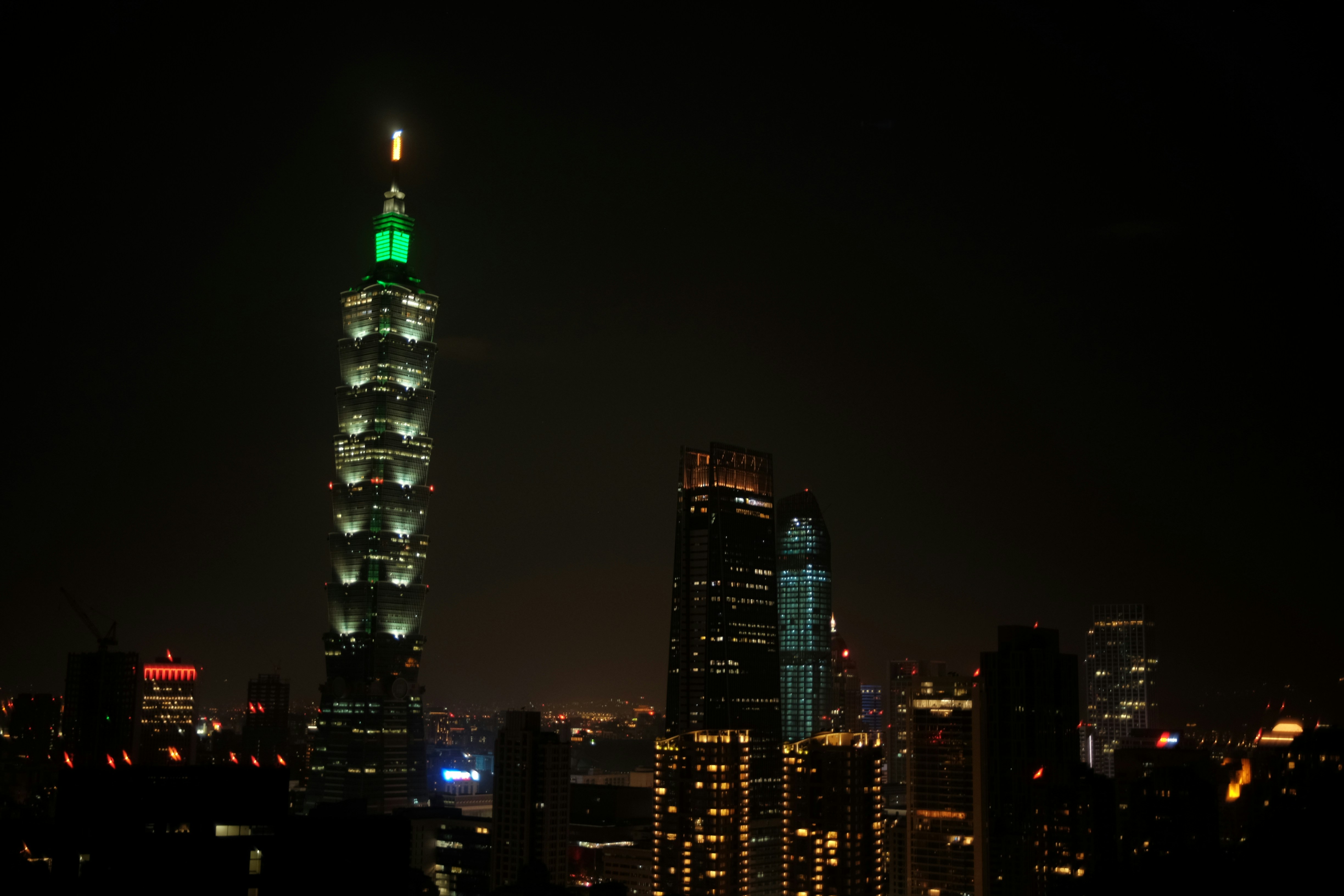
TL;DR: Is Taiwan Safe for Travellers?
Yes—Taiwan is generally a safe destination for tourists, including solo and LGBTQ+ travellers, with low levels of violent crime and reliable public transport. The main everyday risks are traffic, earthquakes and typhoons, petty theft, digital fraud, and occasional scams rather than targeted violence. Singapore’s Ministry of Foreign Affairs advises travellers to remain alert because petty crime and scams involving foreigners do occur.
For a smoother trip, keep valuables secure in night markets and on crowded MRT trains, cross roads carefully, avoid sending money to strangers, and save Taiwan’s emergency numbers: 110 for police and 119 for ambulance or fire services. Singapore citizens can contact the Taipei Representative Office in Singapore at +65 6500 0100 for consular and entry-related queries. Before departure, arrange travel insurance covering medical treatment, evacuation, cancellations, earthquakes and typhoons, and consider Hello’s eSIM for Taiwan so you can access maps, translation and emergency contacts immediately after landing.
Taiwan Travel Safety: Crime, Transport and Natural Hazards
Taiwan travel safety is strong overall, but sensible precautions matter because the most likely problems are traffic incidents, weather disruption, petty theft and fraud—not violent crime. Taipei and other major cities are well served by MRT systems, trains, convenience stores and late-opening businesses, while tourist areas are usually busy and easy to navigate.
Take particular care around roads: scooters are common, some vehicles turn through pedestrian crossings, and drivers may not always stop as expected. Wait for the walk signal, look both ways, and stand well back from road edges. Wear a seat belt in taxis and buses, and use licensed taxis or reputable ride-hailing services.
Taiwan experiences earthquakes and typhoons. Check the Central Weather Administration before hiking or travelling between cities, follow transport cancellations, and avoid mountain roads, rivers and coastal areas during severe weather. After an earthquake, expect aftershocks and follow hotel or local-authority instructions. In 2025, Taiwan’s police statistics recorded more than 579,000 criminal offences, including a large rise in reported fraud; the figure reflects domestic reports across the population and does not mean tourists face equivalent personal risk, but it reinforces the need for scam awareness.
Taiwan Scams: Common Tricks and How to Avoid Them
The safest response to Taiwan scams is simple: do not transfer money, share passwords or hand over passport details because of an unsolicited call, message or social-media contact. Report suspicious activity through Taiwan’s 165 Anti-Fraud Hotline, and call 110 if you feel threatened or a crime has occurred.
Common approaches include fake bank, police or customs calls claiming that your account or parcel is connected to illegal activity; investment groups promising guaranteed returns; romance scams; and messages requesting urgent payment through a link. Authorities have specifically warned about social-media investment and romance fraud targeting foreigners. Treat “exclusive” opportunities, guaranteed profits and demands for secrecy as warning signs.
Other practical risks include inflated taxi fares, unofficial tour sellers, counterfeit tickets and distraction theft in crowded locations such as Shilin Night Market, Ximending, Raohe Street Night Market and busy MRT platforms. Confirm prices before accepting a service, use official ticket counters, keep your phone and wallet in zipped pockets, and avoid displaying large amounts of cash. If a card or phone is lost, contact your bank and mobile provider immediately, then make a police report for insurance purposes.
Taiwan Emergency Numbers, Embassy Help and Staying Connected
Save Taiwan’s emergency contacts before your flight: 110 reaches police, 119 reaches ambulance and fire services, and 165 handles suspected fraud; English-language help is also available through Taiwan’s 24-hour International Community Service Hotline at 0800 024 111. Singapore citizens needing consular guidance should contact the Taipei Representative Office in Singapore at +65 6500 0100 or sgp@mofa.gov.tw.
When calling, state your location clearly using a hotel name, MRT station, landmark or dropped map pin. Ask hotel staff, station personnel or a nearby convenience-store employee to help if language becomes difficult. Keep your passport copy, insurance policy number, emergency contacts and medication list in both cloud storage and offline form.
Mobile data makes these steps much easier. An eSIM from Hello can be purchased and activated before departure, helping you arrive connected for maps, translation, transport apps and emergency calls where supported. The Hello app also combines trip planning with expense splitting and budget tracking, useful when travelling with friends or managing Taiwan dollars across hotels, rail tickets and meals. Download important maps and booking confirmations before leaving Wi-Fi, and carry a small power bank on long day trips.
Taiwan Health Advice: Vaccinations, Water and Outdoor Safety
Most visitors do not need special vaccines to enter Taiwan, but travellers should be up to date with routine immunisations and discuss personal recommendations with a doctor four to six weeks before departure. Singapore’s Ministry of Foreign Affairs states that pre-departure PCR testing and vaccination requirements are not generally required for entry; health advice can change, so check official guidance before flying.
Routine protection commonly includes measles, tetanus, diphtheria, pertussis, polio, influenza and COVID-19 vaccination where appropriate. Canada’s travel-health guidance recommends hepatitis B vaccination for all travellers. Depending on your itinerary, a clinician may also discuss hepatitis A, Japanese encephalitis or rabies, particularly for extended rural stays, animal contact or outdoor travel.
Tap water in cities is treated, but many visitors prefer bottled or filtered water. Avoid swallowing water from streams, lakes and canals, especially after heavy rain or flooding. On beaches, follow warning flags and lifeguard advice; never swim near river mouths during strong currents. Carry sunscreen, insect repellent, oral rehydration salts and any prescription medicines in original packaging. Seek medical care promptly for heat illness, serious diarrhoea, injuries or suspected dengue.
Solo Female and LGBTQ+ Travel Safety in Taiwan
Taiwan is generally welcoming for solo female and LGBTQ+ travellers, but ordinary precautions still apply: choose licensed transport, tell someone your plans, stay in well-reviewed accommodation, and trust your instincts if a situation feels uncomfortable. Taipei, Taichung, Tainan and Kaohsiung have active nightlife and busy public spaces, yet harassment or drink spiking can occur anywhere.
For solo women, keep drinks in sight, avoid accepting rides from strangers, and use a hotel taxi or established ride-hailing option late at night. Share your accommodation and day-trip itinerary with a trusted contact, especially before hiking in areas such as Yangmingshan, Taroko-region trails or remote east-coast routes. On crowded trains and at night markets, wear a cross-body bag in front.
Taiwan is widely regarded as one of Asia’s more LGBTQ+-friendly destinations, and same-sex marriage has been legal since 2019. Taipei’s Pride events and LGBTQ+ venues are generally welcoming, but public displays of affection may still attract attention in conservative or rural settings. Use the same nightlife precautions as any traveller, check venue reviews, and contact police on 110 if threatened. Travel insurance should cover medical treatment without excluding your identity, activities or pre-existing conditions.
Common Questions About Taiwan Travel Safety and Insurance
The short answer is that Taiwan is suitable for most travellers, provided they prepare for traffic, severe weather, scams and medical costs rather than assuming safety means zero risk. These answers cover the questions visitors most often ask before booking.
Is Taiwan safe at night? Major districts are usually active and well lit, but avoid deserted alleys, keep valuables secure and use licensed transport after drinking.
What should I do if I am scammed? Stop communicating and do not send more money. Call 165 for suspected fraud, 110 for police assistance, contact your bank, and request a written report for your insurer.
Does travel insurance cover Taiwan? A good policy should cover overseas medical expenses, emergency evacuation, hospital deposits, trip cancellation, baggage loss and delays caused by earthquakes or typhoons. Check exclusions for hiking, scooters, alcohol-related incidents and pre-existing conditions. Coverage limits of at least US$100,000 for medical expenses are a practical benchmark, while evacuation limits should be substantially higher for remote mountain travel.
How much emergency cash is sensible? Carry roughly NT$2,000–5,000 in small notes for transport, food and short-term disruption, while keeping the remainder secure. Save your insurer’s 24-hour assistance number offline, and confirm whether you must obtain approval before non-emergency treatment.
Explore These Destinations
Stay Connected
Ready for Taiwan?
eSIM data, expense splitting, budget tracking, and more. Everything you need for a smooth trip in one app.
Related Articles
Taiwan Visa & Entry Requirements for Singapore Passport Holders
Visa requirements, passport validity, customs allowances, and entry tips for Singapore citizens travelling to Taiwan.
13 July 2026
eSIM for Taiwan: Best Plans, Coverage, and Setup Tips
Everything you need to know about using eSIM in Taiwan. Best data plans, network coverage, and setup instructions.
4 July 2026
Taiwan in 10 Days: The Ultimate Travel Itinerary
A comprehensive 10-day itinerary for Taiwan covering top attractions, hidden gems, daily costs, and transport between cities.
24 June 2026