Palestine, State of Visa & Entry Requirements for Singapore Passport Holders
Visa requirements, passport validity, customs allowances, and entry tips for Singapore citizens travelling to Palestine, State of.
By Hello Travel Team
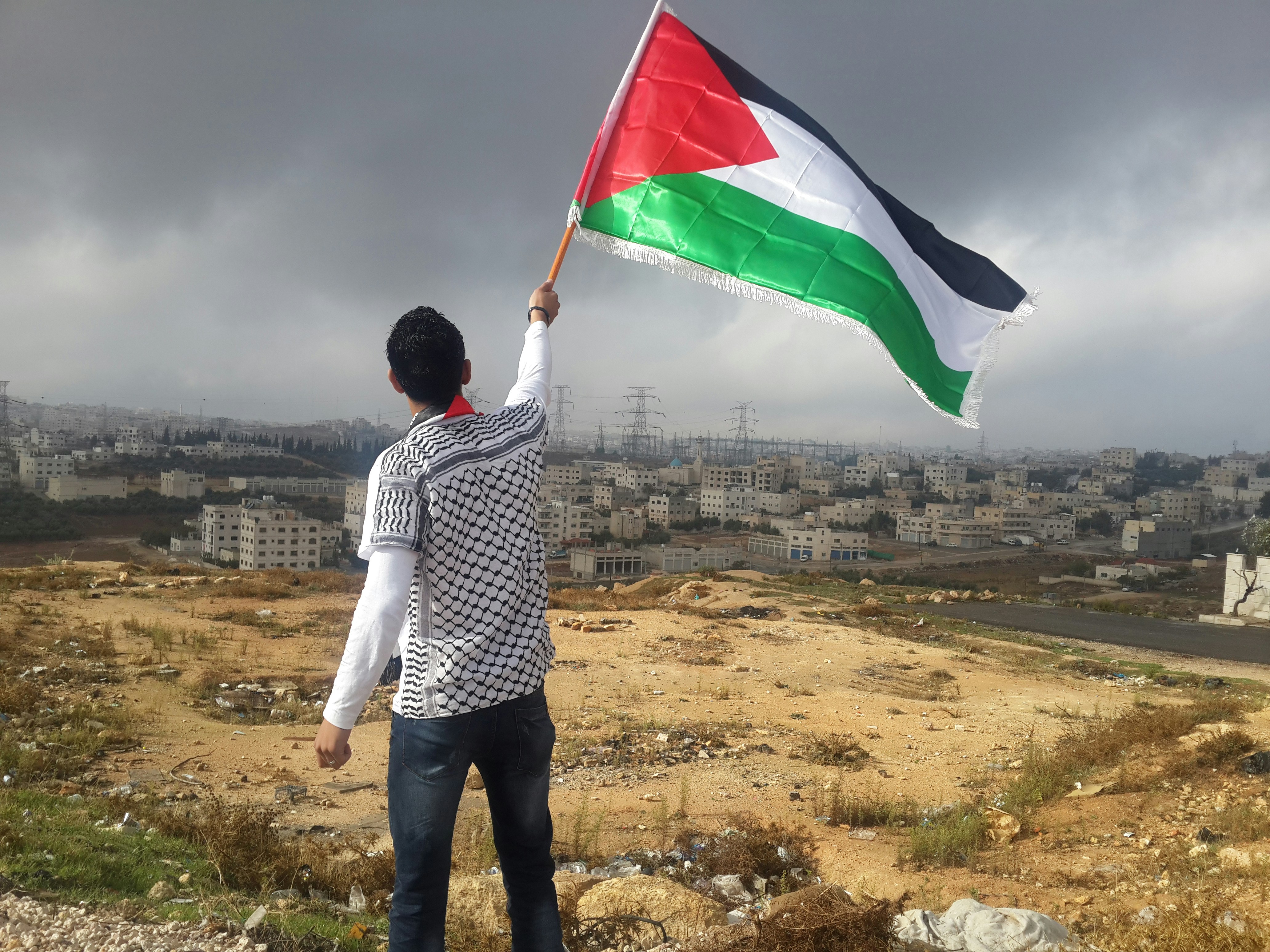
TL;DR: Palestine, State of visa & entry requirements for Singaporeans
Singapore passport holders do not need a separate Palestine, State of visa, but you do need to meet Israel’s entry rules because Israel controls access to the West Bank and Gaza. According to the UK Foreign Office, visitors generally get up to 3 months on arrival, with ETA rules expected from 2025.
In practice, travelling to Palestine (State of) as a Singaporean means complying with Israeli immigration requirements at Ben Gurion Airport or land borders, then using that permission to enter Palestinian-administered areas such as Bethlehem, Hebron, Ramallah and Jericho. According to the UK Foreign, Commonwealth & Development Office (FCDO), passports must be valid at least 90 days beyond arrival, and entry is controlled solely by Israeli authorities.
This guide explains Palestine, State of visa requirements for Singapore passport holders, passport validity rules, customs and duty-free allowances when entering via Israel, as well as health and vaccination advice and practical entry tips. You’ll also find answers to common questions like “do I need a visa for Palestine, State of?”, plus connectivity advice using Hello’s eSIM and budgeting tools to make your trip smoother and more connected.
Do Singaporeans need a visa for Palestine, State of?
Singapore passport holders do not need a dedicated Palestine, State of visa, but you must meet Israeli entry rules, as Israel controls all access into and out of Palestinian territories, including the West Bank and Gaza, according to the UK Foreign Office’s Palestine travel advice.
Palestine is a recognised state by many countries, but borders, airspace and main land crossings are controlled by Israel. As of early advice published by the UK FCDO, most foreign tourists can visit Israel and Palestine without a pre-arranged visa for short trips, receiving permission to stay for up to 3 months on arrival as tourists. This permission is issued by Israeli border control and is what effectively allows you to enter Palestinian-administered areas for tourism.
From 1 January 2025, the UK FCDO notes that visitors to Israel will need an Electronic Travel Authorisation (ETA) before arrival, valid for two years and allowing stays of up to 90 days per visit, with a fee of 25 Israeli shekels. While this announcement is UK-focused, it signals how Israel is formalising its pre-arrival screening; Singaporeans should check the Israel Population and Immigration Authority website and Singapore’s Ministry of Foreign Affairs advisories to confirm if similar ETA rules will apply to them.
Because Israel does not recognise a separate Palestinian border for incoming tourists, there is currently no separate Palestine visa-free or visa-on-arrival scheme for Singaporeans. For practical purposes, treat your trip as entry into Israel first, then onward travel to Palestinian cities like Bethlehem or Ramallah via Israeli checkpoints and roads.
Passport validity and entry documents for Palestine via Israel
Your Singapore passport should be valid for at least six months when travelling to Palestine, State of, even though Israel officially requires only 90 days of validity beyond arrival, according to UK FCDO entry requirement guidance for Israel and Palestine.
The UK government’s travel advice for Palestine explains that to enter Israel or Palestine, your passport must have an expiry date at least 90 days after you arrive, and that entry is controlled entirely by the Israeli authorities, who will issue either an entry stamp or an entry card at Ben Gurion Airport instead of stamping the passport itself. You must keep this entry card with your passport while in Israel/Palestine, as it serves as proof of legal entry when crossing checkpoints into Palestinian-controlled areas.
Although 90 days’ validity is the minimum cited by the FCDO, many airlines and immigration authorities globally prefer 6+ months passport validity at the time of travel. As Singapore citizens are used to visa-free access to over 190 destinations, it can be easy to overlook these nuances, but carriers can legally refuse boarding if they believe destination rules are not met, even if you’re technically above the minimum.
To avoid issues, ensure:
- Your Singapore passport has at least 6 months validity on the day you land in Tel Aviv or at a land border.
- You have a return or onward ticket within 90 days.
- You keep your Israeli entry card safe, as you may be asked to show it when moving between Israel and cities such as Bethlehem, Jericho or Nablus.
Always check the latest requirements on the Israel Population and Immigration Authority’s official site and Singapore’s Ministry of Foreign Affairs before departure, as rules can change with little notice.
Customs, duty‑free allowances and money tips for Singaporeans entering Palestine via Israel
When visiting Palestine, State of as a Singaporean, you will clear Israeli customs first, so your duty-free allowances and restricted items are governed by Israeli regulations, not a separate Palestinian customs regime, according to the UK FCDO’s guidance that Israel controls all entry to Palestine.
While specific numerical allowances are periodically updated by Israeli customs authorities, typical duty-free rules resemble those of many Mediterranean destinations: limited quantities of alcohol and tobacco, and caps on the value of goods you can bring in without paying duty. As a reference, Israel has historically allowed around 1 litre of spirits and a defined number of cigarettes or cigars for personal use, with goods above a certain monetary threshold subject to tax. Travellers should always confirm the latest figures on official Israeli customs channels before flying.
Once inside Israel and the West Bank, you’ll find three main currencies in circulation: Israeli shekels (ILS), Jordanian dinar (JOD) and US dollars (USD). In Palestinian cities like Bethlehem and Ramallah, shekels are widely accepted for daily spending, while USD and JOD may be used for larger transactions or hotel bills. In 2026, a typical casual meal in Bethlehem might cost ₪30–50 (roughly US$8–14), while a mid-range hotel room in Ramallah could be US$70–120 per night, depending on season.
To track costs across currencies and avoid confusion, the Hello app’s multi-currency expense tracking and automatic exchange rate updates are particularly useful. You can scan receipts in Arabic, Hebrew or English, split group expenses with friends, and see your trip budget in Singapore dollars, shekels and US dollars side by side, helping you stick to your planned spend without manual spreadsheets.
Health, safety and vaccination considerations for visiting Palestine, State of
Travellers to Palestine, State of should follow the same health and vaccination guidance used for Israel and Palestine together, including routine vaccines and region‑specific recommendations, as advised by TravelHealthPro’s separate guides for Israel and Palestine cited by the UK FCDO.
The UK FCDO entry advice recommends checking your needed vaccinations and certificates at least 8 weeks before travel, using TravelHealthPro’s Israel and Palestine health pages. Typical advice for visitors to the region includes ensuring you are up to date on routine vaccines (such as measles, mumps, rubella, tetanus and diphtheria), and considering hepatitis A, hepatitis B and typhoid depending on your planned activities and length of stay.
Tap water quality can vary between Israeli cities and Palestinian areas. In many parts of Israel, tap water is treated and generally safe to drink, but some travellers prefer bottled water. In parts of the West Bank and Gaza, infrastructure challenges mean bottled water or filtered supplies are strongly recommended. A 1.5L bottle of water in Bethlehem or Ramallah in 2026 typically costs around ₪3–5, while a simple street snack (like falafel pita) may be ₪8–15, making everyday hydration and food quite affordable.
Security conditions in the region can change quickly, including border closures or movement restrictions into areas such as Hebron or Nablus. Before departure, Singaporeans should monitor advisories from Singapore’s Ministry of Foreign Affairs and check the UK FCDO Palestine travel advice for updated risk assessments. Comprehensive travel insurance that covers medical care, trip disruption and political incidents is highly recommended; international hospitals and private clinics in Jerusalem and Tel Aviv are well equipped, but you may need to pay upfront and claim later.
Building your itinerary around safer, commonly visited destinations such as Bethlehem, Jericho and Ramallah, and using reputable local guides, can help minimise risk while still offering rich cultural experiences.
Practical entry tips, routes and connectivity for Singaporeans travelling to Palestine, State of
The easiest way for Singaporeans to reach Palestine, State of is to fly into Tel Aviv’s Ben Gurion Airport, clear Israeli immigration, then travel by road to West Bank cities like Bethlehem and Ramallah, as all entry to Palestinian territories is controlled by Israel according to UK FCDO guidance.
Most travellers from Singapore will either connect via major hubs like Turkey, Qatar or United Arab Emirates to Tel Aviv. From Ben Gurion, shared shuttles to Jerusalem typically cost around US$15–25 per person in 2026, while a private taxi may be US$80–120 depending on time of day. From Jerusalem, it’s about 30 minutes by taxi or bus to Bethlehem (roughly 10–15 km), with costs in the ₪15–40 range for local transport.
Movement into Palestinian areas involves crossing checkpoints operated by Israeli authorities. As a Singaporean tourist, you’ll normally show your passport and Israeli entry card, then pass through with minimal delay, though queues can lengthen at peak times or during heightened security. It is wise to allow buffer time if you have fixed bookings, such as day tours in Bethlehem or business meetings in Ramallah.
Staying connected makes navigation and safety easier, especially when crossing checkpoints or coordinating with local guides. Hello’s eSIM data plans for Palestine, State of let you buy and activate an eSIM before departure, so you land already connected and can use maps, messaging and translation apps immediately. You can explore Hello eSIM for Palestine, State of to see current 5GB+ data options and live pricing.
Once on the ground, you can use the Hello app’s trip planning and budget tracking to organise your days (for example, allocating a daily transport budget of ₪60–80 and activity budget of US$40–60), helping you make the most of your time in places like Bethlehem’s Old City, Jericho’s archaeological sites or Ramallah’s cafes without overspending.
Common Questions: Palestine, State of visa & entry requirements for Singapore passport holders
Singapore passport holders visiting Palestine, State of usually do not need a separate Palestinian visa; instead, their ability to enter depends on meeting Israeli entry requirements, which currently grant tourist stays of up to around 3 months according to UK FCDO travel advice.
Here are answers to common search‑style questions:
Do I need a visa for Palestine, State of as a Singaporean?
In practice, no separate Palestine, State of visa is issued for tourists. You enter via Israel, and Israeli immigration decides your permission to stay. For most tourists, this is issued on arrival and allows them to visit Palestinian cities in the West Bank. Always check with Israel’s Population and Immigration Authority for the latest rules.
Is Palestine, State of visa‑free for Singapore passport holders?
The concept of "visa-free" here is tied to Israel’s policy, not a standalone Palestinian regime. According to UK government travel advice, tourists can visit Israel without a pre-arranged visa and stay up to 3 months, but Israel is introducing an Electronic Travel Authorisation (ETA) system from 1 January 2025 for some nationalities. Singaporeans should confirm whether ETA applies to them before travelling.
What passport validity is required to enter Palestine?
The UK FCDO notes that to enter Israel or Palestine, your passport must be valid at least 90 days beyond arrival. However, many airlines and border authorities prefer 6+ months validity, so Singaporeans should plan for six months to avoid any boarding or entry issues.
Can I travel directly to Gaza or other high‑risk areas?
Entry to Gaza is heavily restricted and often impossible for ordinary tourists due to security and political conditions. The UK FCDO and other foreign ministries typically advise against all travel to Gaza. Singaporeans should avoid attempting to enter high‑risk zones and follow official advisories closely.
How should I handle expenses and connectivity in Palestine, State of?
With multiple currencies (ILS, USD, JOD) and dynamic conditions, using the Hello app’s multi-currency expense tracking and expense splitting makes it easier to manage group trips. An eSIM from Hello keeps you online for maps and messaging, helping with logistics from Tel Aviv to Jerusalem and onward to Bethlehem or Ramallah.
| Question | Short Answer | Key Source/Context |
|---|---|---|
| Do I need a visa for Palestine, State of? | No separate Palestinian visa; entry is via Israel’s rules. | UK FCDO Palestine/Israel entry advice |
| Is it visa-free for Singaporeans? | Effectively visa-free via Israel, with stay up to ~3 months, subject to Israeli policy. | UK FCDO guidance |
| Passport validity required? | At least 90 days, but 6+ months recommended for Singapore travellers. | UK FCDO + general airline practice |
| Who controls border entry? | Israeli authorities control entry to Israel, West Bank and Gaza. | UK FCDO Palestine travel advice |
Explore These Destinations
Stay Connected
Ready for Palestine, State of?
eSIM data, expense splitting, budget tracking, and more. Everything you need for a smooth trip in one app.
Related Articles
Palestine, State of Safety Guide: Tips for a Safe Trip
Safety tips, health advisories, emergency contacts, common scams, and travel insurance advice for Palestine, State of.
21 July 2026
eSIM for Palestine, State of: Best Plans, Coverage, and Setup Tips
Everything you need to know about using eSIM in Palestine, State of. Best data plans, network coverage, and setup instructions.
2 July 2026
Palestine, State of in 10 Days: The Ultimate Travel Itinerary
A comprehensive 10-day itinerary for Palestine, State of covering top attractions, hidden gems, daily costs, and transport between cities.
22 June 2026