Latvia Safety Guide: Tips for a Safe Trip
Safety tips, health advisories, emergency contacts, common scams, and travel insurance advice for Latvia.
By Hello Travel Team
TL;DR: Is Latvia Safe for Travellers?
Yes—Latvia is generally a safe destination, especially for visitors who use normal urban-travel precautions, although petty crime, drink spiking, winter hazards and card fraud deserve attention. Riga’s busiest areas, airports, railway stations and Central Market require extra awareness, while rural and coastal trips are usually quiet and straightforward. Singapore’s Ministry of Foreign Affairs advises travellers to guard belongings, keep payment cards in sight and avoid unattended drinks. Latvia’s official emergency number is 112, free from any phone; police can also be reached on 110, while emergency medical services use 113. Save these numbers before departure, arrange travel insurance, and keep offline copies of your passport, policy and accommodation details. Staying connected with Hello eSIM for Latvia can help you access maps, translation, transport apps and emergency information immediately after landing.
Latvia Travel Safety in Riga, Jūrmala and Beyond
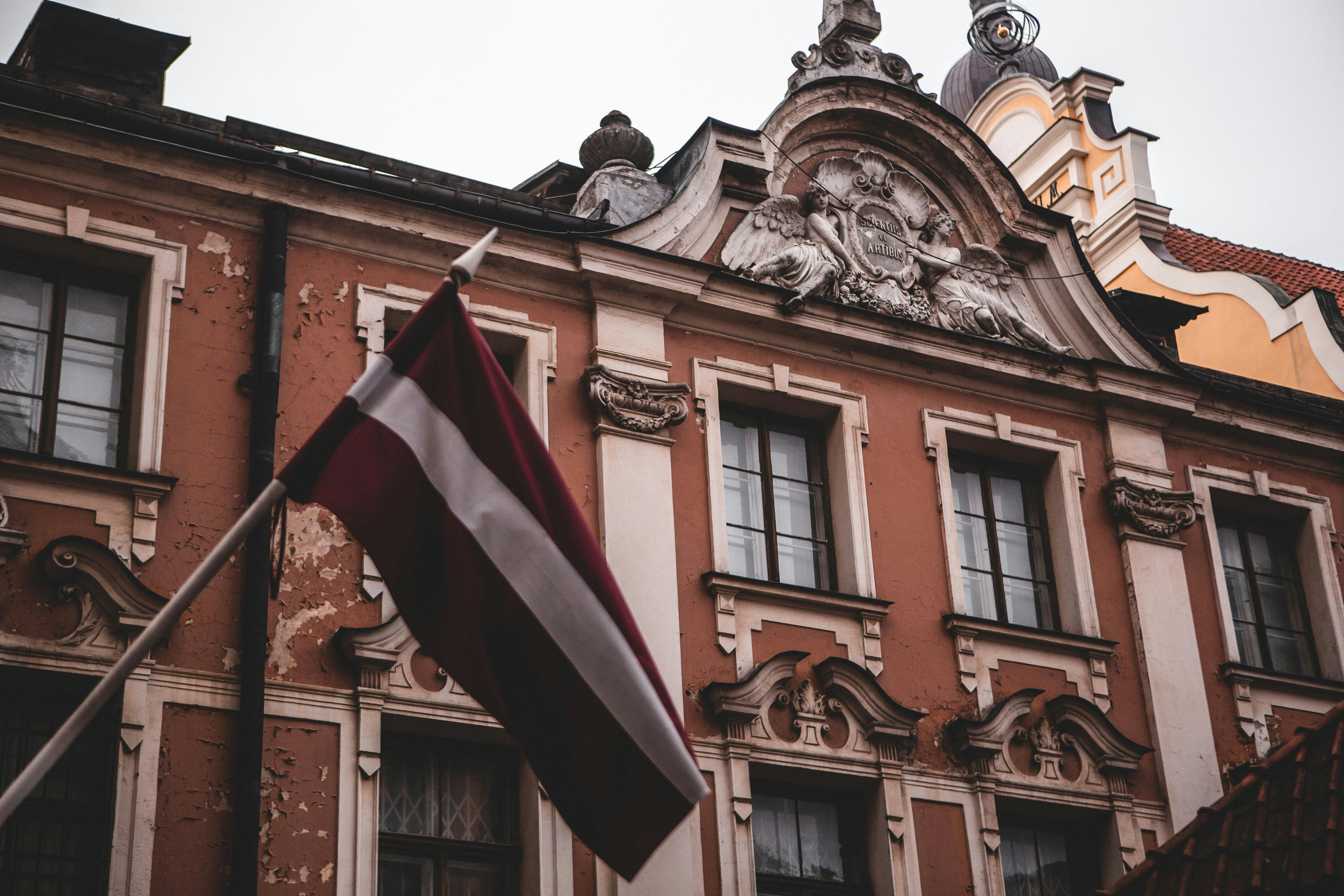
Latvia travel safety is strongest when you treat Riga like any European capital: enjoy its walkable centre, but stay alert around crowds, nightlife and transport hubs. Riga’s Old Town is generally easy to explore during the day, and popular destinations such as Jūrmala, Sigulda and Cēsis are commonly visited without incident. The main risks are opportunistic rather than violent: pickpocketing, bag-snatching, overcharging and theft from unattended vehicles. Singapore’s Ministry of Foreign Affairs specifically highlights airports, train stations and the area around Riga Central Market as places where pickpocketing occurs.
Practical habits make a meaningful difference:
- Carry your phone and wallet in a zipped front pocket in crowded markets, trams and buses.
- Use official taxis or reputable ride-booking apps; confirm the vehicle and fare before entering.
- Keep passports and spare cards in a hotel safe, carrying a photocopy or secure digital copy.
- Avoid displaying large amounts of cash, especially around nightlife venues.
- In winter, check forecasts before travelling outside Riga; temperatures can fall below -25°C, creating risks from ice, wind and exposure.
- Use marked crossings and take extra care after dark, when icy pavements and limited daylight reduce visibility.
Latvia is in the European Union and uses the euro, making card payments convenient, but a small amount of cash remains useful for rural cafés, markets and lockers.
Latvia Scams, Nightlife Risks and How to Avoid Them
The most useful response to Latvia scams is to slow down, verify prices and refuse unsolicited help or drinks when something feels unusually urgent or generous. Common problems include inflated taxi fares, unclear bar bills, card skimming, fake officials and nightlife approaches that lead to expensive venues or disputed charges. Credit-card fraud is reported as a concern, so keep your card visible during payment and inspect ATMs for loose panels or unusual attachments.
Use these safeguards:
- Ask for a menu and prices before ordering in bars, clubs and restaurants.
- Avoid accepting drinks or food from strangers, and never leave your glass unattended; drink spiking is a recognised risk in bars and casinos.
- Count change and check your receipt before leaving.
- Prefer ATMs attached to banks, cover your PIN and decline unsolicited assistance.
- If someone claiming to represent a government agency demands money or bank-login details by phone, end the call and verify through an official channel. Singapore’s MFA warns that government officials will not ask for transfers or banking credentials by phone.
- If your card is retained by an ATM, contact your bank immediately rather than following instructions from a bystander.
For a night out in Riga, travel with a buddy, share your location, keep your own transport money separate and choose a clearly identified taxi. These steps reduce both financial loss and the chance of being stranded.
Latvia Emergency Numbers, Medical Care and Health Advice
In a life-threatening situation in Latvia, call 112 immediately; it is free and can dispatch police, firefighters, rescuers or medical assistance, while 113 connects directly to emergency medical services. Police can also be contacted on 110, and Riga Tourist Police is listed at +371 6718 1818. Latvia’s emergency authorities state that 112 can be called from landlines or mobiles, including phones without a SIM card where network coverage exists.
| Situation | Number | Practical note |
|---|---|---|
| All emergencies | 112 | Police, fire, ambulance and rescue coordination |
| Police | 110 or 112 | Use for urgent crime or immediate danger |
| Emergency medical service | 113 or 112 | Use when minutes matter or life is at risk |
| Riga Tourist Police | +371 6718 1818 | Tourist-related assistance in Riga |
Before travelling, consult a travel clinic about routine vaccinations and destination-specific advice. Ensure routine protection such as measles, tetanus, diphtheria, polio and seasonal influenza is current; recommendations depend on your itinerary, season and medical history. Pack prescription medicines in original packaging and carry a doctor’s letter. Tap water is generally suitable for drinking in Latvia, but use bottled or filtered water if local authorities issue a notice or if a private rural supply looks questionable. Travel insurance should cover medical treatment, emergency evacuation, winter activities and pre-existing conditions.
Solo Female, LGBTQ+ and Outdoor Safety in Latvia
Solo women and LGBTQ+ travellers can visit Latvia successfully, but should use sensible nightlife, transport and personal-security precautions and avoid assuming that every social setting has the same level of acceptance. Riga is the country’s most international city, while smaller towns and rural areas may feel more socially conservative. Keep accommodation details private, meet new people in public places and use official transport after late nights. A charged phone, a portable battery and a trusted contact who knows your plans are especially useful when travelling alone.
LGBTQ+ visitors should research current local events and venue policies, stay alert around intoxicated groups and avoid confrontations if harassment occurs. Pride and LGBTQ+-friendly venues can offer community information, but visibility and comfort vary by neighbourhood and event. If threatened, move toward a staffed public place and call 112 for immediate danger.
Outdoor trips need their own precautions. In Gauja National Park, coastal dunes and forest trails, tell someone your route, download maps for areas with weak reception and wear footwear suited to mud, roots or ice. At Baltic Sea beaches and inland lakes, never assume calm-looking water is risk-free: cold temperatures, currents, sudden weather changes and unsupervised swimming areas can create danger. Swim where lifeguards operate, follow posted warnings and supervise children closely. In winter, stay off frozen lakes unless local authorities clearly confirm that the ice is safe.
Travel Insurance, Connectivity and Budget Planning for Latvia
Travel insurance is strongly recommended for Latvia because a relatively affordable policy can protect against expensive medical care, evacuation, cancellations, theft and winter-related disruption. Choose a policy that covers the full trip duration and countries visited, with medical limits suitable for your circumstances. Check exclusions for alcohol-related incidents, hiking, skiing, rented vehicles and pre-existing conditions. Keep the insurer’s 24-hour assistance number, policy number and claim instructions offline as well as in your email.
A realistic 2026 daily budget might be around €45–€75 for a budget traveller using hostels, public transport and casual meals, or €100–€180 for a comfortable independent trip with a private room, restaurants and paid attractions. A casual meal may cost approximately €8–€15, while a restaurant dinner can be €20–€40 or more depending on location and drinks. Prices vary by season and venue, so track spending rather than relying on estimates.
Hello’s travel companion app can help with multi-currency budgeting, AI receipt scanning in different languages and currencies, voice expense entry, CSV/PDF bank-statement imports, automatic exchange rates, categorisation and expense splitting among friends. Hello eSIM plans cover 200+ countries and can be activated before departure, helping you arrive connected for maps, translation, ride booking and emergency calls. Check current plan pricing and data allowances before purchase, since prices are updated live.
Common Questions About Latvia Travel Safety
Most questions about Latvia travel safety have reassuring answers: serious incidents are not the norm, emergency help is accessible, and the main precautions concern belongings, nightlife, weather and sensible insurance. Keep this quick guide with your itinerary and review official advice shortly before departure.
Is Latvia safe for solo travellers? Generally yes, particularly in central Riga and established tourist destinations. Use normal precautions, avoid isolated streets late at night and share plans when hiking or travelling between towns.
What are Latvia’s emergency numbers? Call 112 for any immediate threat to life, health, safety, property or the environment. Call 110 for police and 113 for emergency medical assistance; 112 remains the simplest number to remember.
Is tap water safe in Latvia? Public tap water is generally suitable for drinking. Use bottled or filtered water if staying somewhere with a private supply or if a local advisory is posted.
What should I do if I lose my passport? Report the loss to police, contact Singapore’s nearest diplomatic mission for consular guidance and notify your insurer. Keep a digital copy of the identification page and travel itinerary.
Is Latvia LGBTQ+ friendly? Riga has LGBTQ+ communities and venues, but attitudes can vary. Stay aware of surroundings, research current local guidance and call 112 if there is immediate danger.
Do I need travel insurance? Yes. Select cover for medical treatment, evacuation, theft, cancellation and activities included in your itinerary.
Explore These Destinations
Stay Connected
Ready for Latvia?
eSIM data, expense splitting, budget tracking, and more. Everything you need for a smooth trip in one app.
Related Articles
Latvia Currency & Money Guide: Exchange, Cards, and Tips
Currency exchange, credit card acceptance, ATM tips, tipping culture, and money-saving advice for Latvia.
28 July 2026
Latvia Visa & Entry Requirements for Singapore Passport Holders
Visa requirements, passport validity, customs allowances, and entry tips for Singapore citizens travelling to Latvia.
10 July 2026
eSIM for Latvia: Best Plans, Coverage, and Setup Tips
Everything you need to know about using eSIM in Latvia. Best data plans, network coverage, and setup instructions.
1 July 2026