Kenya Currency & Money Guide: Exchange, Cards, and Tips
Currency exchange, credit card acceptance, ATM tips, tipping culture, and money-saving advice for Kenya.
By Hello Travel Team
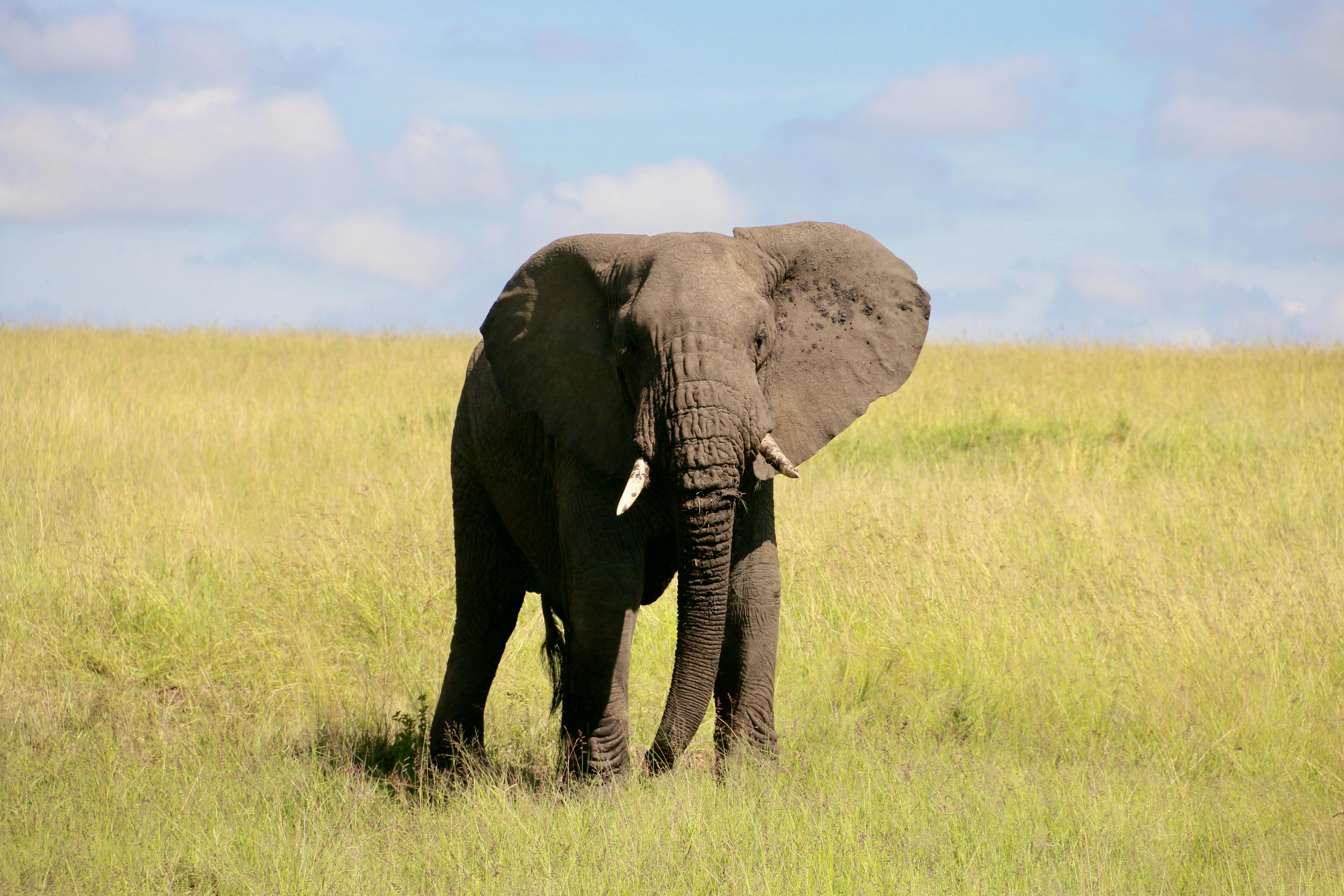
TL;DR: Kenya Currency and Money Tips
Kenya’s official currency is the Kenyan shilling (KES), written as KSh. Carry some cash for markets, small restaurants, transport, tips, and rural areas, but use cards at established hotels, safari lodges, supermarkets, and restaurants. As a recent reference point, 1 Singapore dollar was approximately KSh101 on 11 October 2026, although your bank, card network, or exchange counter may offer a different rate. For a smoother trip to Kenya, withdraw shillings from reputable bank ATMs, keep small notes available, and track spending in the Hello app, which converts expenses automatically across currencies. Hello also supports expense splitting, making it useful when friends share safari transfers, accommodation, or meals.
Kenya Currency and the Current SGD Exchange Rate
The Kenyan shilling is the only official currency in Kenya, and travellers should budget in KES rather than relying on US-dollar prices shown by tour operators or hotels. A recent market reference listed the SGD/KES rate at about KSh101.27 per S$1 on 11 October 2026, with buy and sell prices differing; treat this as an indication, not a guaranteed travel rate. The Central Bank of Kenya publishes indicative exchange rates, while consumer rates include spreads and possible fees.
Notes commonly used in Kenya include KSh50, KSh100, KSh200, KSh500, and KSh1,000. Coins are useful for small purchases, though some vendors may struggle to give change for large notes. Before leaving an exchange counter or ATM, count the cash and check the receipt.
A practical conversion shortcut is to multiply Singapore dollars by 100, then adjust slightly upward or downward. For example, S$20 is roughly KSh2,000 at a rate near KSh100 per Singapore dollar. The Hello app can scan receipts, record expenses in KES, and automatically convert totals into SGD, helping you see the real cost of a safari, meal, or taxi without doing repeated calculations.
Where to Exchange Money and How to Use ATMs Safely
The safest Kenya money strategy is to exchange or withdraw funds through regulated banks, reputable exchange bureaus, and ATMs attached to major Kenyan banks rather than informal street traders. Nairobi’s Jomo Kenyatta International Airport is convenient but may not offer the best rate, so exchange only enough for transport and immediate needs before comparing rates in the city.
Major banks such as Absa Bank Kenya, KCB, Equity Bank, Co-operative Bank, and Standard Chartered generally provide better transparency than unlicensed counters. Kenyan ATMs may charge foreign-card operator fees of approximately KSh200–400 per transaction, in addition to fees from your own bank. The screen should display the local fee before confirmation.
| Method | Best for | Main consideration |
|---|---|---|
| Bank ATM | KSh cash for daily spending | Operator fee and withdrawal limits |
| Licensed exchange bureau | Exchanging USD, EUR, or GBP | Compare the displayed buy rate and commission |
| Airport exchange counter | Arrival-day emergency cash | Convenience may come with a wider spread |
| Hotel or safari lodge | Small emergency exchange | Rates can be less competitive |
| Street exchanger | Not recommended | Higher scam and counterfeit risk |
Choose “charge in KES” when a card terminal or ATM offers currency conversion. Dynamic currency conversion usually uses a poorer exchange rate. Use ATMs inside bank branches or shopping centres, cover the keypad, and avoid accepting help from strangers.
Credit Cards, Contactless Payments, and Mobile Money in Kenya
Cards are widely accepted in Nairobi, Mombasa, upscale restaurants, supermarkets, international hotels, and established safari lodges, but cash remains essential for small vendors, matatus, local cafés, tips, and remote camps. Visa and Mastercard typically have broader acceptance than American Express. Contactless payments are increasingly available in urban businesses, although terminals may still require chip-and-PIN or may go offline in areas with weak connectivity.
Kenya is especially known for M-Pesa, Safaricom’s mobile-money service. Residents commonly use it for shops, taxis, restaurants, bills, and person-to-person payments. Visitors may find mobile-money registration requirements inconvenient, so do not assume an overseas phone number or foreign bank card can use every local payment feature.
WeChat Pay and PayPay are not dependable everyday payment options for most travellers in Kenya. Carry a physical backup card and a modest amount of KES even when a business advertises card acceptance. Before paying, ask whether the price includes a card surcharge and check the amount on the terminal before entering your PIN.
For internet access that keeps banking apps, maps, ride-hailing, and payment confirmations working, consider Hello eSIM for Kenya. Hello’s eSIM plans can be purchased and activated before departure, so travellers can arrive connected instead of searching for a local SIM at the airport.
Kenya Tipping Culture: Safari Guides, Restaurants, and Hotels
Tipping in Kenya is expected in many tourist settings but is not usually mandatory everywhere; a thoughtful tip in KES or US dollars is most useful when service has been personal, attentive, or physically demanding. Always check whether a restaurant has already added a service charge before tipping again.
Common Kenya tipping guidelines include:
- Restaurants: around 10% for good service when no service charge is included.
- Safari guide: approximately US$10–20 per day per group, adjusted for the quality and length of the experience.
- Safari camp staff: approximately US$10–20 per day per group for a communal tip box, depending on the lodge.
- Porter: about KSh200–500 per bag.
- Housekeeping: about KSh100–200 per day.
- Taxi driver: tipping is not generally expected; rounding up is fine.
For a multi-day safari, ask the lodge whether it uses a shared tip box and whether tips are distributed among guides, drivers, kitchen staff, and housekeeping. Keep clean KSh notes or small US-dollar denominations ready because remote camps may not have change. Record shared tips in Hello’s expense splitter so everyone can contribute in their own currency while the app handles the conversion.
Common Kenya Money Scams and Practical Ways to Avoid Them
Most Kenya money scams are avoidable when travellers slow down, verify the recipient, and refuse unsolicited assistance with cards, ATMs, or mobile-money transactions. Keep your wallet, phone, and passport separate, and do not display large amounts of cash in crowded transport hubs or markets.
Watch for these common problems:
- Fake exchange offers: use a licensed bureau, confirm the amount before handing over currency, and count the returned cash yourself.
- ATM assistance scams: cancel the transaction if strangers offer help, and use a machine inside a bank or secure shopping centre.
- M-Pesa reversal tricks: if an unexpected payment arrives, do not send a new transaction back. Ask the sender to request an official reversal.
- Fake paybill numbers: verify the business name shown on the payment confirmation before entering your PIN.
- Card skimming: keep the card in view, use contactless only when comfortable, and enable bank transaction alerts.
- Taxi overcharging: agree on the fare beforehand when a meter is unavailable, or use a reputable ride-hailing service.
Safaricom guidance reported in 2026 highlighted SIM-swap fraud, fake agents, reversal scams, lookalike paybills, and recipient-name mismatches. Never share a PIN, one-time passcode, or banking password, even if someone claims to represent a bank, hotel, or mobile operator.
Kenya Travel Costs and Money-Saving Advice for Different Budgets
A realistic Kenya budget depends heavily on safari costs, but independent travellers can keep daily spending manageable by combining card payments for major purchases with KES cash for local expenses. Prices vary by city, season, accommodation level, and park, so confirm current quotes before booking.
| Travel style | Approximate daily spending per person | What it may cover |
|---|---|---|
| Budget | KSh3,000–7,000 | Hostel or simple room, local meals, public transport |
| Mid-range | KSh8,000–20,000 | Comfortable hotel, restaurants, taxis, paid attractions |
| Safari-focused | US$150–400+ | Park fees, vehicle, guide, lodge, and meals; itinerary-dependent |
Save money by booking park transport and accommodation early, comparing full safari packages rather than adding transfers separately, eating at busy local restaurants, and using refillable water where safe and permitted. Avoid converting money repeatedly at hotels, and withdraw larger sensible amounts to reduce per-transaction ATM fees while keeping emergency cash secured in separate places.
Split accommodation, fuel, guides, and shared meals in the Hello app. Its AI receipt scanning accepts different languages and currencies, while voice entry, bank-statement import, and automatic categorisation reduce the effort of tracking a fast-moving itinerary. Hello is available for iOS and Android, alongside Hello eSIM plans for 200+ countries.
Common Questions About Kenya Money and Payments
Travellers usually need both KES cash and a working card in Kenya: cards handle larger purchases in cities and lodges, while shillings cover transport, small businesses, tips, and rural areas. Prepare two payment methods, notify your bank of travel, and keep a backup card separately from your wallet.
Should I bring Singapore dollars to Kenya? Bring a card for withdrawals and, if carrying cash, favour widely exchanged currencies such as US dollars, euros, or pounds. Singapore dollars may be harder to exchange and can receive less competitive rates. Compare the final KES amount rather than focusing only on advertised commission.
Can I use US dollars in Kenya? Some safari lodges, tour companies, and tourist businesses accept US dollars, but change may be poor and smaller vendors generally prefer KES. Pay in shillings when possible, and use newer, undamaged notes if a business requests dollars.
How much cash should I carry? A backup of around KSh5,000–10,000 is practical for many travellers, though a remote safari or several days without an ATM may require more. Keep only a day’s spending accessible.
Is Kenya expensive for tourists? Nairobi can be affordable for food and transport, but safari packages, park fees, and internal transfers quickly raise the budget. Compare the complete trip price, including meals, conservation fees, vehicle costs, tips, and transfers.
What is the easiest way to track Kenya expenses? Use Hello to record KES purchases, convert them automatically to SGD, scan receipts, and split shared costs across multiple currencies.
Explore These Destinations
Stay Connected
Track your Kenya trip budget
Split expenses with friends, track spending by category, and see real-time currency conversions — all in one app.
Related Articles
Kenya Safety Guide: Tips for a Safe Trip
Safety tips, health advisories, emergency contacts, common scams, and travel insurance advice for Kenya.
19 July 2026
Kenya Visa & Entry Requirements for Singapore Passport Holders
Visa requirements, passport validity, customs allowances, and entry tips for Singapore citizens travelling to Kenya.
10 July 2026
eSIM for Kenya: Best Plans, Coverage, and Setup Tips
Everything you need to know about using eSIM in Kenya. Best data plans, network coverage, and setup instructions.
1 July 2026