Jordan Safety Guide: Tips for a Safe Trip
Safety tips, health advisories, emergency contacts, common scams, and travel insurance advice for Jordan.
By Hello Travel Team
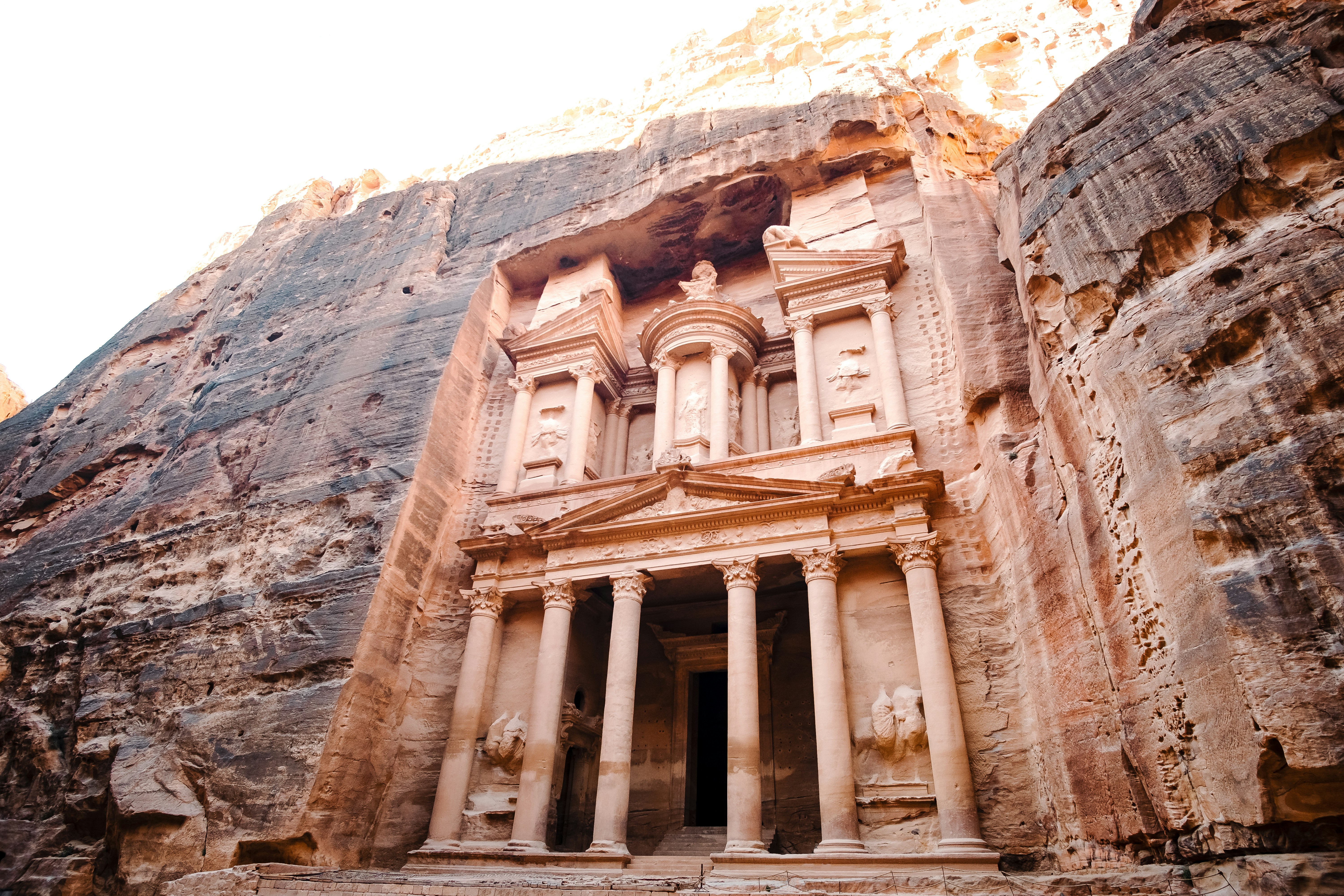
Jordan Safety Guide: Is Jordan Safe to Visit?
TL;DR: Jordan can be a rewarding destination, but the regional security situation changes quickly, so check official advisories immediately before departure and during your trip. Singapore’s Ministry of Foreign Affairs currently advises Singaporeans to defer travel to the region because of escalating Middle East tensions, while tourist areas generally require ordinary precautions against petty crime. Avoid border areas, demonstrations, military sites, and large gatherings; keep flexible travel plans and comprehensive insurance. Jordan’s emergency number for police, ambulance, and fire services is 911, according to Singapore’s Ministry of Foreign Affairs.
For practical planning, save digital and paper copies of your passport, accommodation details, insurance policy, and emergency contacts. Share your itinerary with someone at home, register with your government’s travel-notification service where available, and monitor official alerts rather than relying only on social media. If travelling despite current advisories, consider a shorter itinerary focused on established routes such as Amman, Petra, Wadi Rum, and the Dead Sea, while confirming that your policy covers Jordan and any security-related changes. For maps, bookings, translation, and connected access to alerts, Jordan travellers can use the Hello app and an eSIM from Hello.
Jordan Travel Safety Ratings, Restricted Areas, and Everyday Precautions
Jordan is relatively orderly in major tourist centres, but it should not be treated as risk-free: terrorism, regional spillover, protests, and sudden airspace or border disruptions remain the main concerns. Current government advisories warn that areas bordering Syria and Iraq can become volatile quickly, and travellers should avoid those regions, military and government facilities, energy infrastructure, and demonstrations. Do not photograph security installations, checkpoints, airports, or officials without permission.
In Amman, Petra, Aqaba, and Wadi Rum, use licensed accommodation and reputable tour operators, keep valuables discreet, and avoid walking alone in unfamiliar areas late at night. Traffic is often a more immediate everyday hazard than crime: use seat belts, avoid unlicensed taxis, and be especially cautious when crossing roads. Desert excursions require a registered guide, sufficient water, sun protection, and a confirmed pickup plan because mobile coverage can be uneven.
If an alarm or security warning occurs, follow local instructions, move indoors, stay away from windows, and do not approach debris or unidentified objects. Avoid posting live locations near sensitive sites. Recheck flight, border, and attraction status before travelling to Petra, Wadi Rum, the Dead Sea, or Aqaba, as conditions can affect transport with little notice.
Jordan Scams and How to Avoid Losing Money
Most visitors can avoid Jordan scams by agreeing prices before accepting services, using licensed providers, and keeping payment details private. Common problems include inflated taxi fares, unofficial guides at archaeological sites, overcharging for short rides, “closed attraction” claims followed by a push toward another shop, and pressure to buy souvenirs or accept unwanted help. In markets and tourist zones, friendliness is common, but a firm, polite “la shukran” usually ends a sales conversation.
Before entering a taxi, confirm the destination and whether the meter will be used; for longer journeys, agree on the total fare in writing or through your hotel. At Petra, use authorised guides and verify inclusions such as transport, entry, and waiting time. At Wadi Rum, confirm the camp name, vehicle type, meal plan, and return arrangements before paying a deposit. Keep small Jordanian dinar notes available, check change carefully, and avoid displaying large amounts of cash.
Never hand over your passport as security for an informal rental or purchase. Use ATMs attached to banks, shield your PIN, and review card receipts. Hello’s expense-splitting and budget-tracking tools can record multi-currency spending, scan receipts in different languages, and divide shared taxi, guide, or camp costs automatically—useful when travelling with friends.
Jordan Emergency Numbers and Singapore Consular Assistance
For an immediate emergency anywhere in Jordan, call 911 for police, ambulance, or fire services, then contact your insurer and Singapore’s consular representative if needed. Save the number before arrival and ask your hotel or guide for help explaining your location in Arabic, especially in desert areas where landmarks may be more useful than street addresses.
Singapore’s Honorary Consulate-General in Amman is listed at 248 Mecca Street, Amman 11194, telephone +962-6-551-7414, email consulsg@ctajo.com. Singapore’s Ministry of Foreign Affairs Duty Office provides 24-hour assistance; verify its current overseas number on the official MFA Jordan page before departure because contact procedures can change. A consulate can provide guidance after a lost passport, arrest, hospitalisation, or serious incident, but it cannot pay bills, guarantee release, or replace travel insurance.
Keep these details in your phone, wallet, and offline notes:
- Police, ambulance, and fire: 911
- Singapore Honorary Consulate-General in Amman: +962-6-551-7414
- Accommodation name, address, and phone number
- Travel insurer’s emergency assistance number
- Passport and policy copies stored securely
If your passport is lost, report it to Jordanian police and contact the Singapore mission. Do not transfer money to anyone claiming to be a government official without independently verifying the request.
Jordan Health Advice, Vaccinations, Food, and Water Safety
The safest health strategy is to consult a travel-health professional four to eight weeks before departure, keep routine vaccinations current, and take strict precautions with water, food, heat, and animals. Official travel-health guidance highlights foodborne, waterborne, insect-borne, and respiratory risks, including hepatitis and typhoid; individual recommendations depend on your itinerary, medical history, and departure country. A yellow-fever certificate may be required if arriving from a country with transmission risk.
Drink sealed bottled water or properly boiled water, and check that caps are intact. Travellers with sensitive stomachs should avoid untreated ice, raw salads, undercooked meat, unpasteurised dairy, and food that has been sitting unrefrigerated. Wash hands regularly and carry oral rehydration salts. Heat and dehydration are particular concerns at Petra and Wadi Rum, where shade may be limited; start walks early, wear a hat, and carry more water than you expect to need.
Avoid touching camels unnecessarily and do not consume raw camel milk or undercooked camel products. Use repellent and light, loose clothing in desert areas. Medical treatment and evacuation can be expensive, and travellers may need to pay upfront, so carry insurance details and disclose pre-existing conditions accurately. Seek urgent care for breathing difficulty, severe dehydration, high fever, or suspected heatstroke.
Solo Female and LGBTQ+ Traveller Safety in Jordan
Solo women and LGBTQ+ travellers can visit Jordan with careful planning, but conservative social expectations and legal sensitivities make discretion, local awareness, and reliable accommodation especially important. Dress modestly outside resorts and tourist sites—cover shoulders and knees in towns, religious spaces, and rural areas—and carry a scarf for unexpected visits to conservative places. Public affection may attract attention, and women travelling alone may receive persistent offers of help or conversation; move to a staffed hotel, café, or attraction office if uncomfortable.
Choose established hotels, arrange airport transfers in advance, and use reputable taxi or tour companies. Share daily plans with a trusted contact, avoid isolated hikes or desert travel without a guide, and do not accept rides from strangers. At Petra, begin and end walks during daylight and confirm the return route before entering remote trails. Keep emergency cash, a charged phone, and offline accommodation details.
LGBTQ+ travellers should understand that social attitudes are conservative and public discussion or displays of affection may create unwanted attention. Avoid public displays of affection, take care with dating apps and location sharing, and select accommodation with a strong record of welcoming international guests. Laws and enforcement can be complex, so consult current official advice before departure. These precautions are about reducing avoidable risk, not judging Jordanian people or culture.
Common Questions About Jordan Travel Safety
The short answers are practical: Jordan is not automatically unsafe, but current regional developments mean every traveller should check advisories, buy suitable insurance, and maintain a realistic contingency plan. Conditions can change faster than a guidebook, particularly near borders and during periods of regional tension.
Is Jordan safe for tourists? Major tourist routes can be manageable with normal precautions, but current Singaporean advice recommends deferring travel to the region because of escalating security concerns. Reconsider plans if you cannot accept sudden changes to flights, borders, tours, or accommodation.
What are Jordan’s emergency numbers? Call 911 for police, ambulance, and fire services. Give your hotel name, street, or nearest landmark and ask local staff to assist if language is a problem.
Is tap water safe in Jordan? Quality varies by location and building. Use sealed bottled or boiled water, avoid questionable ice, and carry water during Petra and Wadi Rum visits.
Do I need travel insurance for Jordan? Yes. Choose a policy covering medical treatment, hospitalisation, emergency evacuation, baggage, cancellation, and activities such as hiking, desert tours, and hot-air ballooning if relevant. Check exclusions for government travel advisories, terrorism, civil unrest, and pre-existing conditions; a policy may not cover a trip taken against its terms.
How can I stay connected? Buy and activate a Hello eSIM before departure so maps, translation, hotel contacts, emergency alerts, and insurance assistance remain accessible on arrival. Keep a paper backup because coverage can be limited in remote desert areas.
Explore These Destinations
Stay Connected
Ready for Jordan?
eSIM data, expense splitting, budget tracking, and more. Everything you need for a smooth trip in one app.
Related Articles
Jordan Currency & Money Guide: Exchange, Cards, and Tips
Currency exchange, credit card acceptance, ATM tips, tipping culture, and money-saving advice for Jordan.
27 July 2026
Jordan Visa & Entry Requirements for Singapore Passport Holders
Visa requirements, passport validity, customs allowances, and entry tips for Singapore citizens travelling to Jordan.
10 July 2026
eSIM for Jordan: Best Plans, Coverage, and Setup Tips
Everything you need to know about using eSIM in Jordan. Best data plans, network coverage, and setup instructions.
1 July 2026