Jersey Safety Guide: Tips for a Safe Trip
Safety tips, health advisories, emergency contacts, common scams, and travel insurance advice for Jersey.
By Hello Travel Team
TL;DR: Is Jersey Safe for Travellers?
Jersey is generally a very safe, well-policed island with low crime, good healthcare, and reliable emergency services, making it a stress-free destination for most travellers. You’ll mainly need to watch tides, road safety, and your belongings in busy spots rather than serious crime.
According to Responsible Travel, Jersey is considered a very safe destination with exceptionally low crime rates and a relaxed pace of life, especially compared with many mainland European cities. Emergency services use the familiar 999 and 112 numbers, and English is widely spoken, which helps in any crisis.
Most incidents that affect visitors are minor: lost belongings, minor road accidents on narrow country lanes, or getting cut off by fast-rising tides on the coast rather than violent crime. The island’s compact size, friendly local community, and visible police presence all contribute to a feeling of security, whether you’re in St Helier or exploring rural lanes.
Basic precautions go a long way: keep valuables zipped away in crowds, check tide times before beach walks, and use licensed taxis or recognised bus routes at night. Having travel insurance, a way to stay online (such as a Hello eSIM), and key emergency numbers saved in your phone will cover most contingencies.
In short, if you’re wondering “Is Jersey safe?”, the answer is yes for families, solo travellers, and LGBTQ+ visitors, provided you stay informed and follow standard common sense.
Is Jersey Safe? Crime, Transport & Everyday Risks
Jersey is widely regarded as a very safe island with low crime, making it comfortable for families and solo travellers alike, though you should still take normal city-level precautions with valuables and at night. Most risks here relate more to nature and roads than to crime.
Responsible Travel notes that Jersey is a very safe destination with exceptionally low crime rates, and visitors usually feel secure walking around St Helier and coastal towns during the day and evening. Jersey’s small population (around 103,000 people) and tight-knit community help keep serious crime rare.
That said, you should still:
- Keep bags closed and phones out of easy reach in busy areas like St Helier’s town centre, Liberation Bus Station, and popular beach car parks.
- Use licensed taxis or the bus network after late evenings, especially if you’ve been drinking.
- Avoid walking on unlit country lanes at night; there are many narrow roads and limited pavements.
Road safety is worth attention. The island has a network of Green Lanes with 15 mph speed limits, designed to prioritise walkers and cyclists, but cars do still use them. Always walk facing traffic where there’s no pavement, use lights when cycling, and wear reflective gear after dark.
Overall, Jersey travel safety compares favourably with much of Europe: petty crime happens but is not rampant, and visitors who take standard precautions rarely encounter serious problems.
Emergency Numbers, Hospitals & Staying Connected in Jersey
Jersey uses the familiar 999 and 112 emergency numbers for police, fire, and ambulance, and has a good central hospital in St Helier, so you’ll never be far from help if something goes wrong. Save the key numbers and addresses in your phone before you arrive.
According to the Government of Jersey and local travel guides, you can call 999 or 112 from any phone for immediate help with police, fire, or medical emergencies. Non-urgent police matters can be handled via the States of Jersey Police non-emergency line, and Jersey General Hospital is the main medical facility on the island.
Here is a quick reference:
| Service | Number / Details | Notes |
|---|---|---|
| Emergency (Police/Fire/Amb) | 999 or 112 | Free from any phone |
| Non-Emergency Police | +44 1534 612612 | Minor incidents & advice |
| Jersey General Hospital | +44 1534 442000 | St Helier – main public hospital |
Jersey isn’t part of the UK’s NHS, so visitors typically pay for non-emergency care. Responsible Travel notes GP visits are often around £40 per consultation, and serious cases may require air transfer to the UK, which can be very expensive without insurance.
Reliable connectivity makes emergencies easier to handle. With Hello’s eSIM plans for over 200 countries, you can buy and activate an eSIM before departure, land in Jersey with data already working, and use maps, translation, and emergency calls without hunting for a SIM shop. Check Hello eSIM for Jersey for current data options.
Health, Vaccinations, Tides & Water Safety in Jersey
Health risks in Jersey are generally low, but fast-rising tides, strong currents, and limited NHS coverage mean you should plan ahead for beach safety and medical costs. Visitors should also ensure routine vaccinations are up to date and pack any essential medication.
Responsible Travel highlights that Jersey is not part of Great Britain’s NHS, so you cannot rely on free healthcare beyond emergency stabilization. Emergency treatment at Jersey General Hospital is often free, but follow-up care and GP visits are usually charged, with doctors’ appointments around £40 per visit. Make sure your travel insurance includes medical coverage and potential evacuation to the UK.
There are no special vaccine requirements for Jersey beyond standard UK/Europe schedules, but most travellers are advised to be up to date with tetanus, MMR, and seasonal flu. Those with chronic conditions should carry extra medication and a copy of prescriptions.
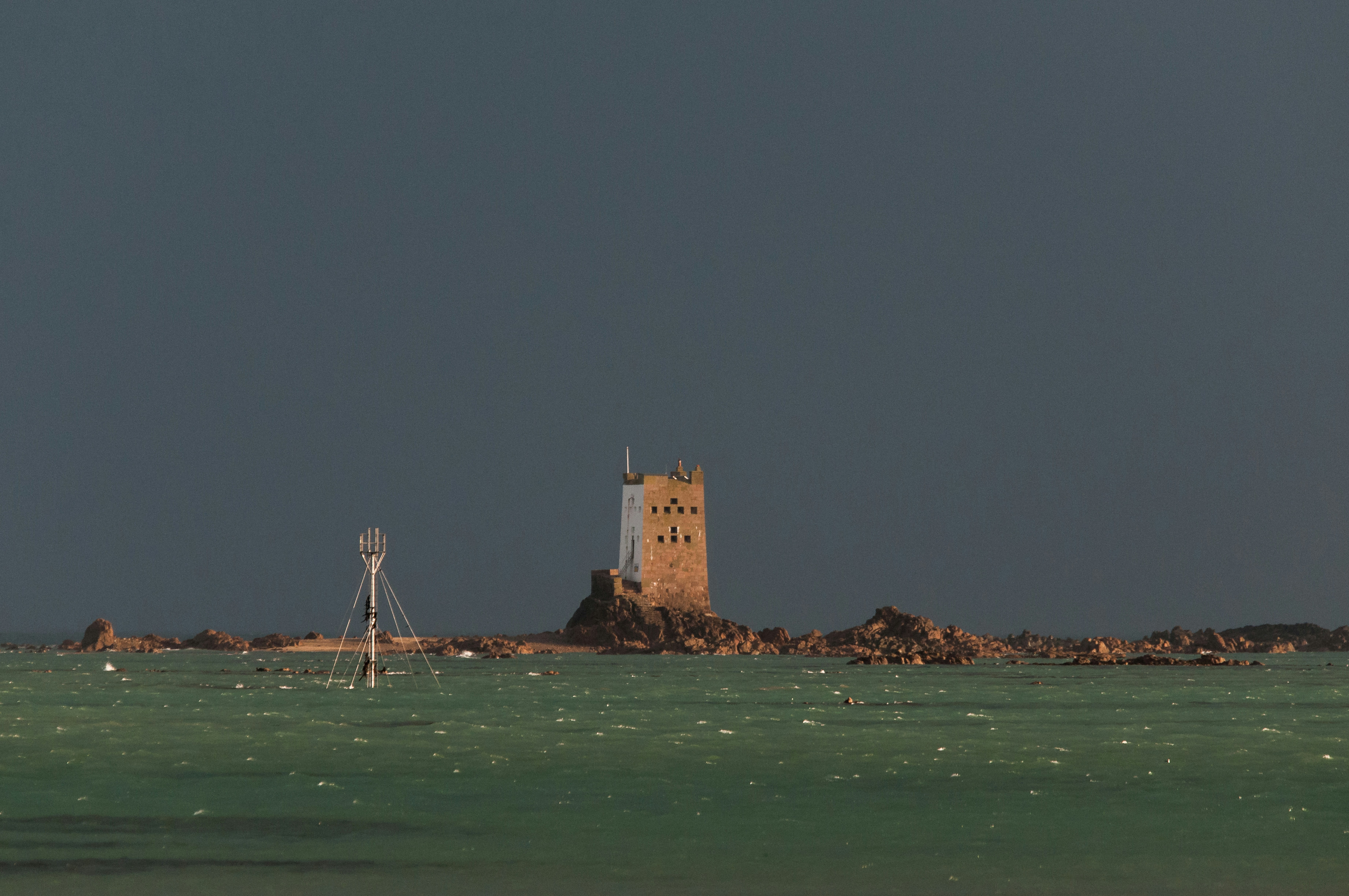
The biggest natural risk is the sea. Jersey has one of the highest tidal ranges in the world, and tides can rise quickly, cutting off sections of beaches and coastal paths. The Government of Jersey and RNLI advise visitors to:
- Always check tide times before walking far out on the sands.
- Prefer beaches with lifeguards, especially in summer.
- Swim between the red and yellow flags where present, and never swim alone.
For water sports, Ports of Jersey recommends checking weather and tide conditions, wearing appropriate flotation aids, and telling someone ashore your plans, especially if you’re kayaking or paddleboarding.
Common Scams, Money Safety & Travel Insurance for Jersey
Scams targeting tourists in Jersey are relatively rare compared with major cities, but you should still watch for overcharging, online rental fraud, and basic pickpocketing in busy areas. Solid travel insurance and smart money habits provide a good safety net.
There is little evidence of organised Jersey scams specifically targeting visitors; most issues are global ones: fake accommodation listings, card skimming, or overcharging taxis. To stay safe:
- Book hotels and apartments through reputable platforms or directly with well-reviewed properties.
- Be cautious of private rental deals that insist on full bank transfer before you’ve verified the listing.
- In bars and events, always keep your drink within sight and don’t leave bags unattended.
Travel insurance is essential in Jersey because, as local guidance notes, it is outside the NHS system, and serious medical issues may require transfer to the UK. Look for a policy that covers:
- At least £1–2 million in medical expenses, including evacuation.
- Trip cancellation and interruption.
- Theft or loss of luggage, passports, and devices.
- Water sports if you plan to surf, kayak, or dive.
For budgeting and tracking costs like insurance, activities, and meals (often £15–25 per person for a mid-range dinner in 2025), the Hello app can help you log expenses in multiple currencies, scan receipts with AI, and split bills with friends automatically using real-time exchange rates.
Solo Female, LGBTQ+ & Minority Traveller Safety in Jersey
Jersey is generally welcoming and low-risk for solo female and LGBTQ+ travellers, with social attitudes similar to the UK, though you should still use standard night-time and alcohol-related precautions. Most visitors from diverse backgrounds report feeling comfortable and accepted.
For solo female travellers, the main concerns are practical rather than cultural: unlit country lanes, quiet bus stops late at night, and beach areas after dark. Sensible steps include:
- Staying in central, well-reviewed accommodation in St Helier or major bays.
- Using licensed taxis or buses after late nights rather than walking long distances.
- Sharing your live location with a trusted contact and keeping your phone charged.
Jersey’s laws and social climate are broadly aligned with the UK, and same-sex relationships are legal and protected. Pride events and LGBTQ+-friendly bars occasionally pop up in St Helier, and open displays of affection usually attract little attention, especially in busier areas. As in many small communities, more conservative attitudes can exist in rural pockets, so some couples prefer lower-key affection in very quiet villages.
Travellers of colour or religious minorities typically experience few safety issues; most locals are used to international visitors and seasonal workers. As always, if you encounter harassment, move to a busy area, enter a shop or bar, and call 999 or 112 if you feel threatened.
Because Jersey is compact and well-connected, keeping mobile data via a Hello eSIM makes it easier to check bus times, order taxis, and navigate safely back to your accommodation at night.
Common Questions About Jersey Travel Safety (Q&A)
Jersey is an exceptionally safe island destination with low crime, reliable emergency services, and high-quality healthcare, so most travellers only need standard common-sense precautions rather than heavy security measures. Here are direct answers to the most common safety questions.
Is Jersey safe for tourists?
Yes. Responsible Travel describes Jersey as a very safe destination with exceptionally low crime rates. Visitors usually feel comfortable walking around St Helier and coastal areas, especially during the day.
What are Jersey’s emergency numbers?
For any emergency (police, fire, ambulance), dial 999 or 112 from any phone. Both numbers are free and widely recognised across Europe.
Do I need special vaccinations to visit Jersey?
No special vaccines are required beyond standard UK/European immunisations. Ensure your routine shots (such as tetanus and MMR) are up to date and consider seasonal flu or COVID boosters based on your doctor’s advice.
Is tap water safe to drink in Jersey?
Yes. Tap water in Jersey is generally safe to drink and regulated, though some rural properties may use private supplies; if in doubt, ask your host. Bottled water in shops usually costs around £1–1.50 for 1.5L in 2025.
Is Jersey safe at night?
In most areas, yes. St Helier has a busy but generally good-natured nightlife scene. Take normal precautions: avoid very dark lanes, stick to main streets, and use licensed taxis or buses after heavy drinking.
How can I keep track of travel costs safely?
Instead of carrying lots of cash, use cards and mobile payments, then track spending in the Hello app, which offers AI receipt scanning, budget tracking, and expense splitting with friends across multiple currencies.
Explore These Destinations
Stay Connected
Ready for Jersey?
eSIM data, expense splitting, budget tracking, and more. Everything you need for a smooth trip in one app.
Related Articles
Jersey Currency & Money Guide: Exchange, Cards, and Tips
Currency exchange, credit card acceptance, ATM tips, tipping culture, and money-saving advice for Jersey.
27 July 2026
Jersey Visa & Entry Requirements for Singapore Passport Holders
Visa requirements, passport validity, customs allowances, and entry tips for Singapore citizens travelling to Jersey.
10 July 2026
eSIM for Jersey: Best Plans, Coverage, and Setup Tips
Everything you need to know about using eSIM in Jersey. Best data plans, network coverage, and setup instructions.
30 June 2026