Isle of Man Cultural Guide: Etiquette, Customs, and Tips
Essential do's and don'ts, greeting customs, dress codes, local phrases, and cultural tips for Isle of Man.
By Hello Travel Team
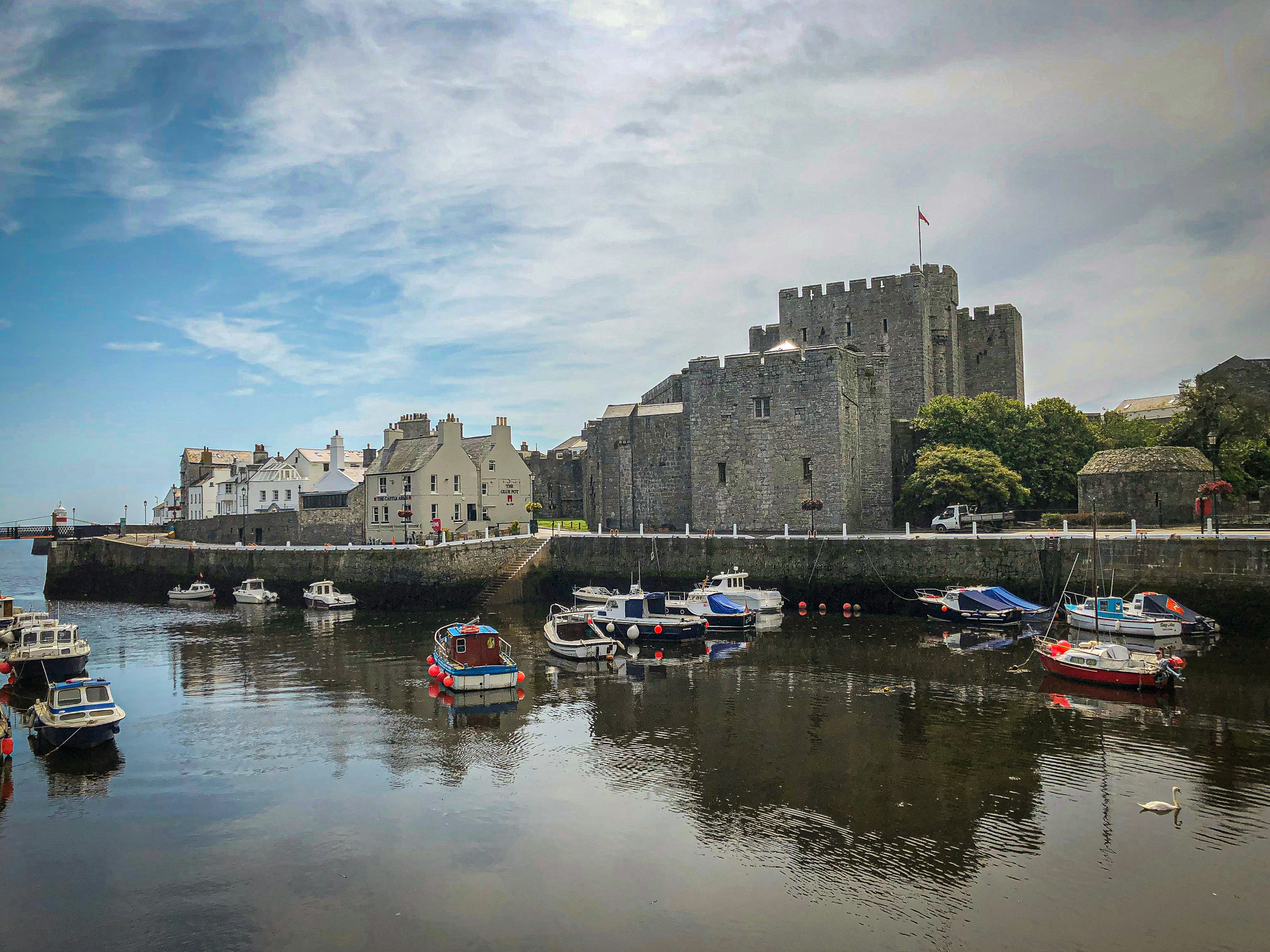
TL;DR: Isle of Man Etiquette and Cultural Essentials
Respect local traditions, greet people warmly, dress modestly in religious or formal settings, and be mindful of the island’s strong sense of community and independence when you talk about politics or Britain. In most situations, polite friendliness and a bit of curiosity about Manx culture will serve you well.
The Isle of Man sits in the Irish Sea between England and Ireland and has its own parliament (Tynwald), laws, and identity, even though it’s a Crown Dependency rather than part of the United Kingdom. According to Visit Isle of Man, the island welcomed around 300,000 visitors in recent pre-pandemic years, with most coming from the UK and Ireland, so locals are used to visitors but still appreciate basic courtesy and an interest in their heritage.
For travellers, the main cultural “dos” are simple: say hello, queue patiently, tip modestly, and show respect at historic sites and in small villages. The key “don’ts” include mocking the Manx language, assuming it’s just like England, or treating rural areas as a theme park. Prices are similar to regional UK costs: a mid-range meal is typically around £15–£25 per person in 2026, and local buses around £2–£4 per ride.
To keep your trip smooth, an eSIM from Hello lets you arrive connected, use maps and bus timetables, and look up opening hours for attractions without hunting for local SIMs. Combined with Hello’s budget tracking, you can stay on top of island costs while focusing on the culture that makes the Isle of Man unique.
Isle of Man Culture Overview: Identity, Community, and Everyday Manners
Isle of Man culture blends Celtic roots, Viking history, and British influences, with a strong sense of independence and community that travellers will notice in everyday life, from how people greet each other to how they talk about local politics and heritage.
The island’s culture is shaped by its unique political status: it has its own parliament, Tynwald, which claims to be the world’s oldest continuous parliament, dating back over 1,000 years. According to Visit Isle of Man and local government sources, residents (often called Manx) value this autonomy and generally appreciate visitors who recognise the island as distinct from England or the wider UK. A good rule of Isle of Man etiquette is to ask questions rather than assume similarities.
Day-to-day customs feel familiar if you’ve travelled in Britain or Ireland: people queue for buses, say “please” and “thank you,” and value punctuality, especially for business meetings and services. Shops, cafés, and pubs are usually friendly, but locals may be reserved at first; a simple “Hi, how’s your day going?” often opens the door to conversation.
Money-wise, the Isle of Man uses Manx and British pounds interchangeably, with prices similar to regional UK standards – expect £3–£4 for a coffee and £20–£30 for a casual dinner for two in 2026. To manage this, Hello’s budget tracking and multi-currency expense splitting can help you stay on top of shared costs if you’re travelling with friends.
Essential Isle of Man Dos and Don’ts for Travellers
The key Isle of Man dos and don’ts are simple: be polite and curious, respect rural land and historic sites, avoid dismissing local identity, and follow common-sense rules around alcohol, noise, and personal space, especially in small villages and coastal towns.
Core dos for visiting the Isle of Man include:
- Do greet shop staff and bus drivers with a friendly “Hiya” or “Morning.”
- Do queue patiently and wait your turn.
- Do respect the Manx flag, Tynwald, and local traditions like the TT races.
- Do ask permission before walking through farm gates or photographing people.
Key don’ts include:
- Don’t call the island “just like England” or joke about it being “in the middle of nowhere.”
- Don’t climb on ancient monuments or walls for photos.
- Don’t be loud or drunk in quiet villages late at night.
- Don’t litter beaches, glens, or coastal paths – locals take pride in a clean environment.
According to Visit Isle of Man, outdoor tourism and events like the TT races bring significant income to the island, and visitor behaviour directly affects local attitudes. In 2026, many rural pubs and village shops rely on seasonal tourists, so supporting them with a drink or snack and a bit of friendly conversation goes a long way.
If you’re planning a road trip or hiking coastal paths, using Hello’s trip planning and budget tools can help you organise petrol costs (around £1.40–£1.60 per litre in 2026) and split expenses fairly among your group.
Greeting Customs, Local Phrases, and Everyday Communication
Greetings on the Isle of Man are informal and friendly, with English widely spoken, a few Manx phrases cherished as cultural touchstones, and politeness expected in shops, pubs, and on public transport.
Most interactions happen in English, often with a Northern English or Irish Sea lilt. You’ll hear simple greetings: “Hiya,” “You alright?” or “Morning.” Handshakes are common in business meetings; among friends, hugs or a quick pat on the back are normal. In more formal contexts, like meeting officials or attending events at Tynwald, use standard British-style politeness: “Good afternoon” and titles where appropriate.
Manx Gaelic (Gaelg) is a revived language, used on road signs, in schools, and by enthusiasts. According to Culture Vannin, thousands of residents have some familiarity with Manx, and the island has seen a growth in Manx-medium education. Using a few phrases shows respect:
- Moghrey mie – Good morning
- Fastyr mie – Good afternoon
- Gura mie ayd – Thank you
Most locals are happy to teach you a word or two if you ask. The Isle of Man customs around conversation favour understatement and humour; complaining loudly, especially about the weather or small-town life, can come across as rude.
Staying connected helps with communication: with a Hello eSIM for Isle of Man, you can message hosts, check bus timetables, and translate signs or menus without hunting for Wi‑Fi, which is especially useful in rural glens and coastal areas with fewer cafés.
Dress Codes, Religious Sites, and Photography Etiquette
Dress codes on the Isle of Man are generally relaxed, but modest clothing is expected in churches and formal settings, and photography etiquette matters at religious sites, private property, and during sensitive events like funerals or memorials.
Day-to-day, casual dress is fine: jeans, trainers, and outdoor wear fit in anywhere from Douglas promenade to coastal paths. However, when visiting churches or attending services, opt for smart-casual attire – covered shoulders, longer skirts or trousers, and closed shoes. The island has a mix of Anglican, Catholic, and other Christian denominations, and while rules are informal, treating these spaces with respect is part of good Isle of Man etiquette.
For photography, follow basic cultural customs:
- Ask before photographing people, especially children or workers.
- Avoid taking photos during religious services unless clearly permitted.
- Be careful with drone use; local regulations and privacy concerns mean you should check rules before flying.
Historic sites like castles, ancient crosses, and rural graveyards are often near active communities. Treat them as both heritage and, in some cases, living religious spaces. According to Visit Isle of Man, heritage tourism is a key draw, and respectful visitor behaviour helps preserve open access.
Here’s a quick comparison of what’s appropriate:
| Situation | Dress Code | Photography Etiquette |
|---|---|---|
| Church service | Smart-casual, modest | No photos during service; ask outside |
| TT race viewing | Casual, practical | Photos fine; follow event rules |
| Rural village pub | Casual, tidy | Ask before close-ups of people |
| Coastal hike | Outdoor gear | Landscape photos fine; avoid private gardens |
Being able to look up church service times or event rules on the go is easier with Hello eSIM, especially when rural phone coverage makes Wi‑Fi less reliable.
Business Etiquette, Holidays, and How Local Events Affect Travel
Business etiquette on the Isle of Man follows British norms—punctuality, politeness, and modest dress—while local holidays and major events, especially the TT races, can significantly affect travel plans, transport availability, and accommodation prices.
For business meetings, arrive on time or a few minutes early, dress in smart-casual or full business attire depending on the sector, and start with a firm handshake and light small talk. Email communication tends to be formal, with clear subject lines and polite greetings. Many businesses are connected to finance, tech, and tourism, so bringing a visiting card and being prepared for hybrid or online meetings is sensible.
Local holidays and events matter for travellers. The TT (Tourist Trophy) motorcycle races, usually held late May to early June, can more than double visitor numbers; according to event statistics and local tourism bodies, TT season attracts tens of thousands of additional visitors each year, driving hotel prices up by 50–100% compared to shoulder seasons. During TT, some roads close or switch to one-way racing formats, and buses may run altered schedules.
Other notable dates include Tynwald Day (usually 5 July), when the island’s parliament meets in open air—a major cultural event—and standard Christmas and Easter holidays when shops may close early or shut entirely.
Here’s how this can impact your plans:
| Period | Impact on Travel | Accommodation & Costs |
|---|---|---|
| TT races (late May–early June) | Road closures, busy ferries/flights | Hotels often 50–100% higher; book months ahead |
| Tynwald Day (early July) | Ceremonial events, some local closures | Moderate demand; central stays fill faster |
| Winter holidays | Limited opening hours | Off-season discounts but fewer services |
Using Hello’s trip planning and expense-tracking features can help you forecast costs (like £100–£200 per night for TT-week hotels in 2026) and split expenses fairly with friends when demand spikes.
Common Questions: Isle of Man Customs, Tipping, and Connectivity
Most common Isle of Man cultural questions centre on tipping, safety, Sunday trading, and how to stay connected on a small island with rural areas and seasonal tourism.
Q: Do I need to tip in restaurants and pubs?
A: Tipping isn’t mandatory, but it’s appreciated. In sit‑down restaurants, 10–12% is standard if service isn’t already included on the bill. In pubs and cafés, rounding up or leaving small change is fine. For taxis, rounding up to the nearest pound is enough.
Q: Is the Isle of Man safe for solo travellers?
A: The island has relatively low crime rates compared with many urban UK areas, and most visitors report feeling safe walking in towns like Douglas or Peel in the evening. Normal precautions apply: keep valuables secure, especially during crowded events like TT.
Q: Are shops and pubs open on Sundays?
A: Yes, most are, although hours can be shorter in smaller towns and villages. Supermarkets tend to open late morning to early evening, while rural pubs may only serve lunch and early dinner.
Q: What about mobile data and staying in touch?
A: Coverage is generally good in and around towns, but rural glens and coastal paths can have weaker signals. Using Hello eSIM means you arrive connected, can check bus times, book last‑minute rooms via Isle of Man travel sites, and message your group without relying on hotel Wi‑Fi.
Q: How expensive is the Isle of Man?
A: Expect broadly UK-level prices: £15–£25 per person for a mid-range dinner in 2026, £2–£4 for local bus rides, and £60–£100 per night for standard hotels outside TT season, according to regional tourism data. With Hello’s AI receipt scanning and multi-currency expense splitting, tracking those costs with friends stays painless.
Explore These Destinations
Stay Connected
Make the most of Isle of Man
From eSIM connectivity to expense tracking, Hello is the all-in-one companion that keeps your trip stress-free.
Related Articles
Isle of Man Currency & Money Guide: Exchange, Cards, and Tips
Currency exchange, credit card acceptance, ATM tips, tipping culture, and money-saving advice for Isle of Man.
27 July 2026
Isle of Man Safety Guide: Tips for a Safe Trip
Safety tips, health advisories, emergency contacts, common scams, and travel insurance advice for Isle of Man.
18 July 2026
Isle of Man Visa & Entry Requirements for Singapore Passport Holders
Visa requirements, passport validity, customs allowances, and entry tips for Singapore citizens travelling to Isle of Man.
9 July 2026