3 Days in Ireland: A Day-by-Day Itinerary
A detailed 3-day itinerary for Ireland with daily activities, costs, neighborhoods, and transport tips.
By Hello Travel Team
This article contains affiliate links. If you book through them, Hello may earn a commission at no additional cost to you. Our editorial recommendations are independent. Learn more.
- 1
Arrival & First Explorations in Central Dublin
- MorningAirport transfer to city centre (bus or express coach)~$10
- Late MorningCheck-in and stroll around St Stephen’s Green & Grafton Street
- Early AfternoonVisit Trinity College & Book of Kells~$20
- AfternoonTour Dublin Castle and nearby museums~$20
- EveningDinner and drinks in Temple Bar~$35
Temple BarTrinity College AreaSt Stephen’s GreenGrafton StreetTake airport express coach or local bus (~$9–12) or taxi (~$30–40) to central Dublin; walk between most central sights.
Budget$95Mid-range$180Luxury$305 - 2
Guinness, Kilmainham & Dublin Nightlife
- MorningBus or tram to Guinness Storehouse in the Liberties~$3
- Late MorningGuinness Storehouse tour and Gravity Bar~$30
- Early AfternoonTaxi or bus to Kilmainham Gaol~$8
- AfternoonGuided visit at Kilmainham Gaol~$16
- Late AfternoonWalk in Phoenix Park
- EveningDinner and traditional music in central pubs~$35
The LibertiesKilmainhamPhoenix ParkTemple BarCapel StreetSmithfieldUse LUAS tram or buses (~$2.50–3 per ride); occasional taxi (~$10–15) for convenience between Guinness and Kilmainham.
Budget$120Mid-range$210Luxury$345 - 3
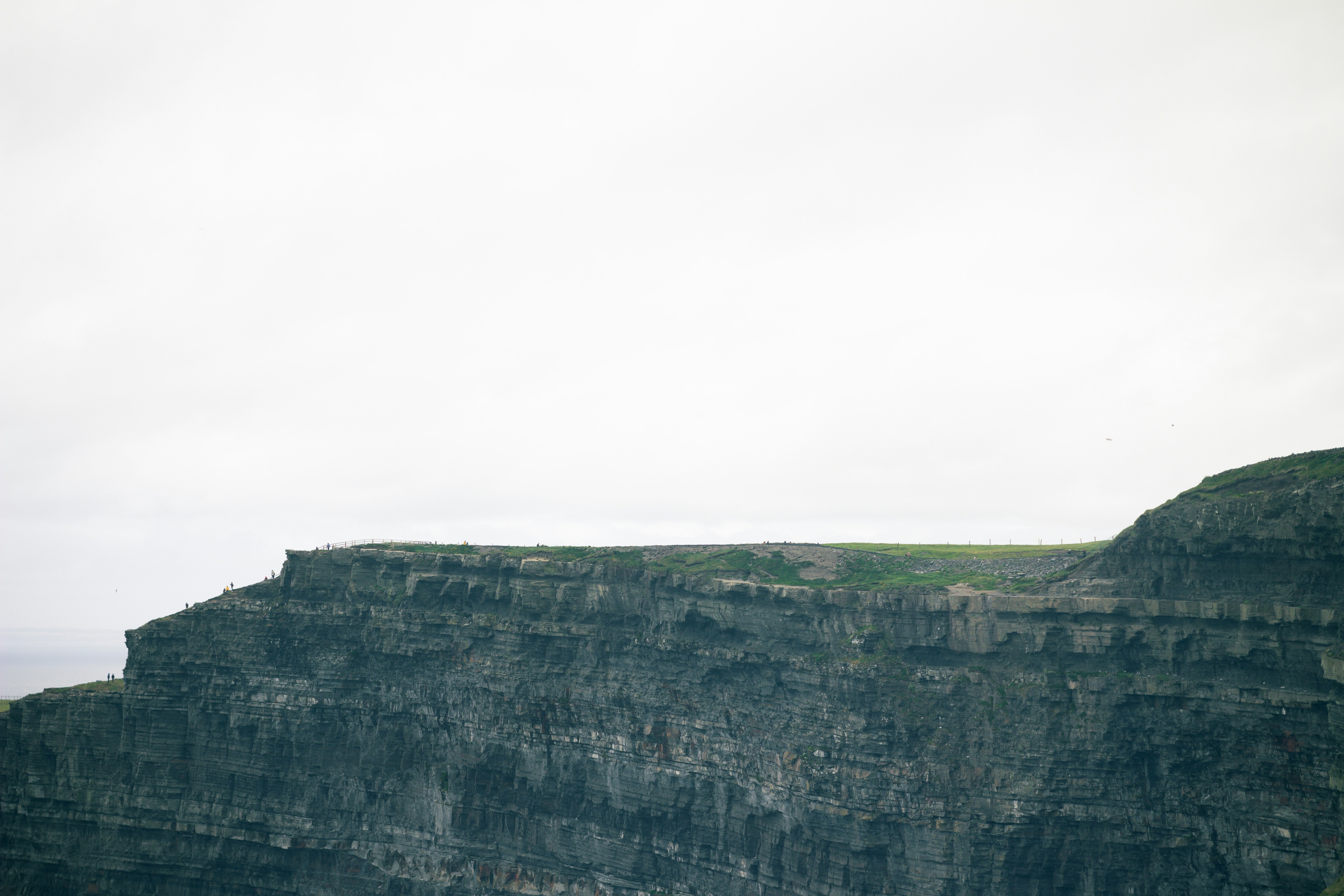
Countryside Day Trip: Cliffs of Moher or Wicklow Mountains
- MorningWalk or short tram ride to tour departure point (O’Connell Street or quay)~$3
- Full DayFull-day coach tour to Cliffs of Moher & Galway OR Wicklow & Glendalough~$90
- EveningEvening farewell dinner back in Dublin~$35
City Centre departure pointsCliffs of Moher regionGalway (optional)Wicklow MountainsGlendaloughJoin an organized coach tour (typically $70–120 including transport); use local tram or walk to the departure point.
Budget$150Mid-range$260Luxury$415
Trip Summary
Trip starter
Turn this 3-day itinerary into a Hello trip
Start with a prefilled trip for Ireland, then add dates, invite friends, track expenses, and pick an eSIM before you land.
Name and destination carried into the app.
Split costs and settle up during the trip.
Choose data for the destination before departure.
TL;DR: Your Perfect 3-Day Ireland Itinerary in Dublin
A 3-day Ireland itinerary is easily doable in Dublin, combining history, nightlife, and day trips with a daily budget from about $80 on a tight budget to $250+ for luxury in 2026. You’ll walk most of the city, use buses or trams occasionally, and track it all in the Hello app.
If you only have three days in Ireland, basing yourself in Dublin gives you the best mix of culture, food, and easy transport while keeping travel time minimal. Dublin Airport handled over 30 million passengers in 2024 according to the Dublin Airport Authority, making it a well-connected starting point for your trip. Ireland welcomed around 9.2 million overseas visitors in 2024 per Fáilte Ireland, so booking ahead—especially in summer—is wise.
Across three days, you’ll explore central neighborhoods like Temple Bar, Trinity College area, St Stephen’s Green, and the Docklands, plus one day trip into the countryside. Expect typical restaurant meals in Dublin to cost about $18–30 per person in 2026, based on current local pricing and tourism board guidance. Use Hello’s budget tracking and expense splitting to stay on top of shared costs, and consider Hello eSIM for Ireland to arrive connected and navigate public transport from the moment you land.
Day 1 Dublin City Highlights: Trinity, Temple Bar & Georgian Streets
Day 1 in Dublin focuses on walkable highlights around Trinity College, Temple Bar, and Georgian-era streets, with typical daily costs ranging from about $80 for budget travelers to $220+ for luxury stays in 2026, depending on where you eat and sleep.
Morning (09:00–12:30): Trinity College & Book of Kells
Arrive in Dublin and drop your bags at your hotel near St Stephen’s Green or Temple Bar for easy walking access. Trinity College’s Book of Kells experience costs roughly $18–22 per adult in 2026 when booked online, and allows you to explore the iconic Old Library afterwards. Stroll down Grafton Street for street music and coffee; expect to pay about $3–4 for a regular coffee.
Afternoon (13:00–17:00): Dublin Castle & City Museums
Walk (10–15 minutes) to Dublin Castle; guided entry is around $15–20. A short walk takes you to the Chester Beatty museum, which is free and great for an indoor cultural stop. For lunch, budget $12–18 for a casual café sandwich and drink, or $25–35 for a sit-down meal.
Evening (18:00–22:00): Temple Bar & River Liffey
Head into Temple Bar for pub atmosphere. A pint of beer usually costs $6–8 in central Dublin in 2026. You can easily walk between Temple Bar, the Ha’penny Bridge, and your hotel. Use the Hello app to log every pub round with AI receipt scanning so you don’t lose track of shared tabs.
Estimated daily budget (2026)
| Tier | Accommodation | Food & Drink | Activities | Transport | Total |
|---|---|---|---|---|---|
| Budget | $40 | $25 | $25 | $5 | ~$95 |
| Mid-range | $90 | $45 | $35 | $10 | ~$180 |
| Luxury | $180+ | $70+ | $40+ | $15 | $305+ |
Day 2 Culture & Nightlife: Guinness Storehouse, Kilmainham & Live Music
Day 2 of your Ireland 3 day itinerary blends iconic Dublin attractions like the Guinness Storehouse and Kilmainham Gaol with traditional music pubs, with daily costs typically around $90 for budget and $230+ for mid-range and luxury travelers in 2026.
Morning (09:00–13:00): Guinness Storehouse
Start in the Liberties area at the Guinness Storehouse, one of Ireland’s most visited paid attractions according to Fáilte Ireland. Standard tickets cost about $28–35 in 2026, including a pint at the Gravity Bar with panoramic city views. Take a local bus or tram from the city centre—expect to pay roughly $2.50–3 per ride with contactless payment.
Afternoon (13:00–17:30): Kilmainham Gaol & Phoenix Park
From Guinness, it’s a short taxi or bus ride (10–15 minutes) to Kilmainham Gaol, an essential stop for understanding Ireland’s struggle for independence. Entry is approximately $14–18 and must often be pre-booked. Afterward, detour to Phoenix Park, one of Europe’s largest urban parks, for a free wander and a possible glimpse of the resident deer. A casual pub lunch in this part of town will likely cost $15–22 per person.
Evening (18:00–23:00): Dinner & Trad Music
Return to central neighborhoods around Temple Bar, Capel Street, or Smithfield for dinner and live traditional music. Budget $25–35 for a main course and drink in 2026. Use Hello’s expense splitting to divide bills in multiple currencies if your group is paying in different cards, with automatic exchange rates.
Estimated daily budget (2026)
| Tier | Accommodation | Food & Drink | Activities | Transport | Total |
|---|---|---|---|---|---|
| Budget | $40 | $30 | $40 | $10 | ~$120 |
| Mid-range | $90 | $55 | $50 | $15 | ~$210 |
| Luxury | $180+ | $80+ | $60+ | $25 | $345+ |
Day 3 Day Trip from Dublin: Cliffs of Moher or Wicklow Mountains
For day 3 of your Ireland travel plan, choose between a full-day tour to the Cliffs of Moher or a shorter escape to the Wicklow Mountains and Glendalough, with day-trip costs averaging $70–130 per person in 2026, depending on tour style and inclusions.
Option 1 (07:30–19:30): Cliffs of Moher & Galway Day Trip
Many visitors use Dublin as a base and book a coach tour to the Cliffs of Moher, often combined with Galway. Full-day tours typically cost $80–120 in 2026, covering transport and entry. It’s a long but rewarding day, with roughly 10–12 hours total and several scenic stops along Ireland’s west coast. Prepare for wind and rain; pack a waterproof jacket and comfortable shoes.
Option 2 (09:00–17:00): Wicklow Mountains & Glendalough
If you prefer a shorter day, tours to Wicklow Mountains National Park and the monastic site of Glendalough start around $55–90 in 2026. Travel time is about 1–1.5 hours each way, leaving space for lakeside walks and exploring ancient ruins. Many tours depart from central Dublin near O’Connell Street or the south city quays.
Meals & logistics
Breakfast in Dublin averages $10–15 in a café. Tours usually stop at a village or service area for lunch, where you should budget $15–25 for a main and drink. In the evening, enjoy a farewell dinner back in central Dublin for $25–40 per person. Track your whole day’s expenses with Hello’s budget tracking, and stay online for maps and meeting points using Hello eSIM for Ireland.
Estimated daily budget (2026)
| Tier | Accommodation | Food & Drink | Activities (Tour) | Transport extras | Total |
|---|---|---|---|---|---|
| Budget | $40 | $30 | $70 | $10 | ~$150 |
| Mid-range | $90 | $55 | $100 | $15 | ~$260 |
| Luxury | $180+ | $80+ | $130+ | $25 | $415+ |
Transport, Connectivity & Neighborhood Guide for Dublin
Dublin is compact enough to walk most of your 3-day itinerary, with buses, trams, and occasional taxis filling the gaps, and you can expect to spend about $5–20 per day on local transport in 2026 while staying connected through an eSIM from Hello.
Airport to city centre
Dublin Airport sits about 10 km north of the city. The Dublin Express and Aircoach services link the airport to downtown in 25–35 minutes, with typical one-way fares around $9–12 in 2026. A taxi costs closer to $30–40 depending on traffic and time of day. Pre-buying Hello eSIM for Ireland lets you use maps and ride apps the moment you land, avoiding roaming charges.
Getting around the city
Central Dublin—Temple Bar, Trinity College, St Stephen’s Green, Grafton Street, and O’Connell Street—is highly walkable. Dublin’s tram (LUAS) and bus network cover longer trips such as to the Guinness Storehouse, Kilmainham Gaol, or Phoenix Park, with single tickets around $2.50–3. Day tickets are available and can be good value if you plan multiple rides.
Best areas to stay
For a short Ireland trip planner, focus on:
- Temple Bar: nightlife, pubs, and central location; often noisier and pricier.
- St Stephen’s Green / Grafton Street: great for shopping, cafés, and a calmer base.
- Docklands / IFSC: modern hotels, good for business and quieter evenings.
Use the Hello app to store booking confirmations in your trip plan and to track transport costs with multi-currency support and automatic exchange rates.
Budget Planning & Daily Cost Breakdown for 3 Days in Ireland
A realistic Ireland 3 day itinerary budget in Dublin ranges from roughly $150 for bare-bones backpacking to $800+ for a luxury long weekend in 2026, covering accommodation, food, activities, and local transport across three days.
Three-day budget overview (per person, 2026)
| Tier | Accommodation (3 nights) | Food & Drink | Activities | Transport | Approx. Total |
|---|---|---|---|---|---|
| Budget | $120 | $75 | $90 | $30 | ~$315 |
| Mid-range | $270 | $150 | $135 | $45 | ~$600 |
| Luxury | $540+ | $210+ | $180+ | $70+ | $1,000+ |
These estimates assume central Dublin hotels, one major paid attraction per day (e.g., Book of Kells, Guinness Storehouse, day trip), and modest nightlife. According to Fáilte Ireland, visitor spending in Dublin skews higher than the rest of the country, so building in a 10–15% cushion is wise for 2026 prices.
How Hello helps with budgeting
The Hello app offers AI receipt scanning in any currency, automatic exchange rates, and expense splitting with friends, which is ideal if one person pays for the Cliffs of Moher tour and others reimburse later. You can log expenses by voice, import bank statements, and categorize spending into transport, food, and activities.
To reduce costs, prioritize free sights like Phoenix Park, Chester Beatty, riverside walks along the Liffey, and window-shopping on Grafton Street, then choose one or two signature experiences such as the Guinness Storehouse or a countryside day trip.
Common Questions About a 3-Day Ireland Itinerary in Dublin (Q&A)
Most travelers can see key Dublin highlights and enjoy one countryside day trip in 3 days, with average spending around $100–200 per day in 2026, depending on travel style, and it’s easy to manage logistics with the Hello app and Hello’s eSIM plans.
Q: Is 3 days in Ireland enough?
A: Three days is enough to explore Dublin thoroughly and take one organized day trip, but you won’t see the entire country. Tourism figures from Fáilte Ireland show many visitors spend 2–4 nights in Dublin before heading elsewhere, making this a common trip length.
Q: How much should I budget per day?
A: For 2026, plan approximately $80–110 per day for budget travel, $180–220 for mid-range, and $250+ for luxury. This includes accommodation, meals, local transport, and at least one paid attraction daily. Use Hello’s budget tracking to keep your Ireland travel plan on target.
Q: Do I need to book tours in advance?
A: Yes, for popular day trips like the Cliffs of Moher and Wicklow Mountains, advance booking is strongly recommended, especially in peak months (June–September) when Ireland’s visitor numbers spike according to national tourism data.
Q: What’s the best way to stay connected?
A: Buying and activating Hello eSIM for Ireland before you fly lets you arrive with data ready, navigate from the airport, and use messaging apps without hunting for local SIM cards. Plans start from 5GB with instant activation and are available via the Hello app and travelwithhello.com.
Q: Which neighborhoods are best for a short stay?
A: For this 3-day Ireland itinerary, pick Temple Bar for nightlife, St Stephen’s Green/Grafton Street for shopping and cafés, or Docklands for newer hotels and quieter evenings, all within easy reach of major sights.
Explore These Destinations
Stay Connected
Book this trip
Compare options on trusted travel sites
Plan stays for this trip
Continue to a reviewed booking partner to check current property details and terms.

Make the most of Ireland
From eSIM connectivity to expense tracking, Hello is the all-in-one companion that keeps your trip stress-free.
Related Articles
Ireland Currency & Money Guide: Exchange, Cards, and Tips
Currency exchange, credit card acceptance, ATM tips, tipping culture, and money-saving advice for Ireland.
27 July 2026
Ireland Safety Guide: Tips for a Safe Trip
Safety tips, health advisories, emergency contacts, common scams, and travel insurance advice for Ireland.
18 July 2026
Ireland Visa & Entry Requirements for Singapore Passport Holders
Visa requirements, passport validity, customs allowances, and entry tips for Singapore citizens travelling to Ireland.
9 July 2026