Iceland Travel Budget Guide: Daily Costs and Money Tips
How much does it cost to travel in Iceland? Daily budget breakdowns for budget, mid-range, and luxury travellers.
By Hello Travel Team
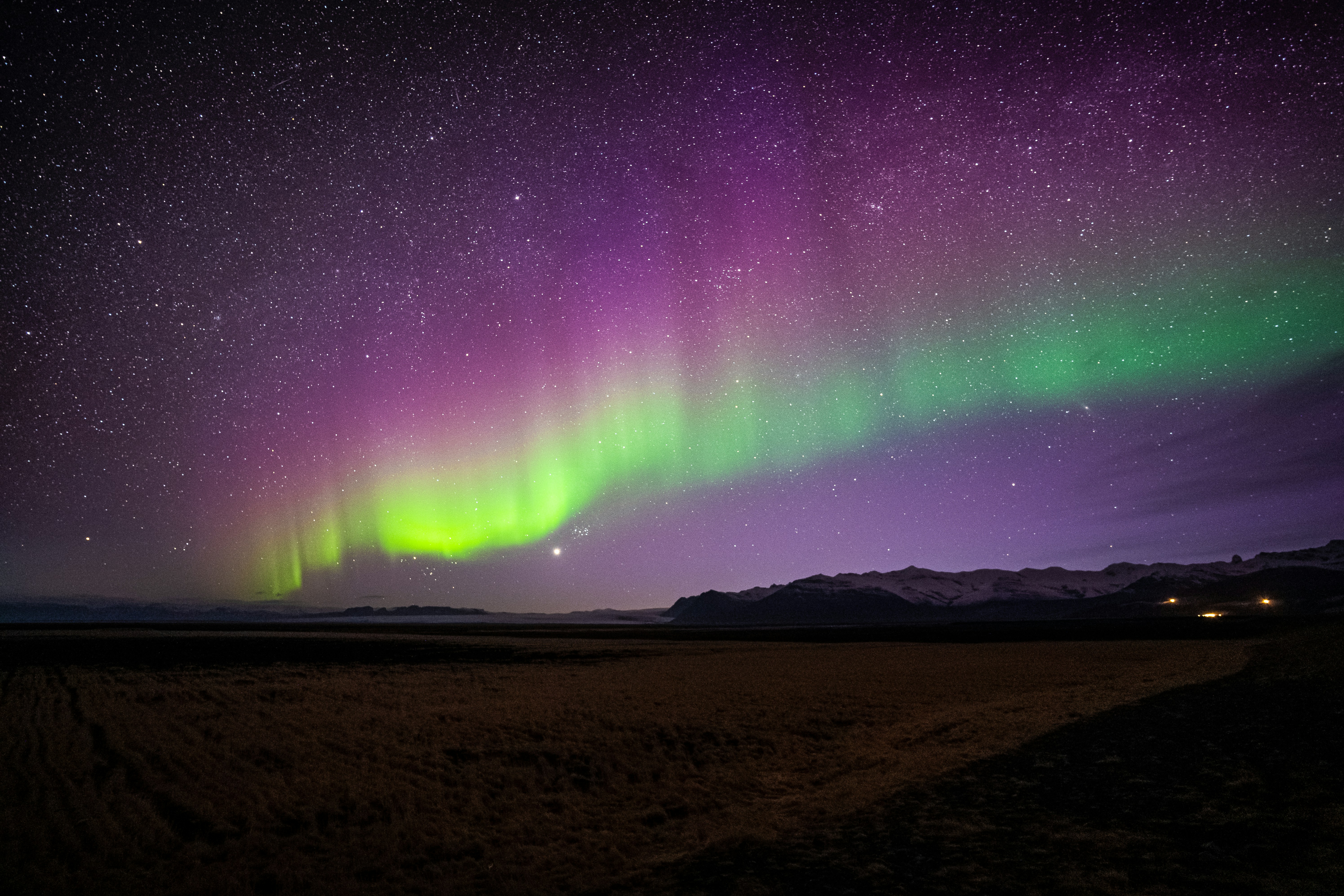
Iceland Travel Budget Guide: TL;DR
A realistic Iceland travel budget is about ISK 20,000–30,000 ($145–215) per person per day for hostels, supermarket meals, public transport and free sights; ISK 45,000–70,000 ($325–505) for mid-range hotels, restaurant meals and one paid activity; or ISK 80,000–120,000+ ($580–870+) for luxury travel. These estimates exclude international flights but include typical accommodation, food, local transport and activities. Iceland is expensive, yet careful planning can make a week manageable. A budget traveller can save by visiting supermarkets such as Bónus or Krónan, using Reykjavík buses, booking accommodation with kitchens and choosing free natural attractions. Couples should also divide rental-car, fuel and parking costs, while allowing for Iceland’s 2026 road-usage charge of approximately ISK 6.95 per kilometre or a rental-company daily equivalent. Track changing exchange rates and shared expenses in the Hello app, which supports multi-currency budgets, receipt scanning and expense splitting.
Iceland Daily Expenses by Travel Style
The short answer is that most visitors should plan for ISK 25,000–50,000 per person per day, while luxury travellers can easily exceed ISK 80,000 once premium hotels, restaurants and excursions are included. The table below gives practical 2026 planning figures before international flights.
| Travel style | Daily budget per person | Typical inclusions |
|---|---|---|
| Budget | ISK 20,000–30,000 ($145–215) | Hostel bed, groceries, one inexpensive meal, free sights |
| Mid-range | ISK 45,000–70,000 ($325–505) | Shared hotel room, cafés, restaurant meals, one paid activity |
| Luxury | ISK 80,000–120,000+ ($580–870+) | Upscale hotel, frequent dining out, private tours or spa visits |
Recent Iceland budget estimates place a hostel-based trip with self-catering at roughly ISK 20,000–30,000 daily, while a mid-range hotel-and-restaurant itinerary commonly reaches ISK 45,000–70,000. A seven-day budget trip therefore costs around ISK 140,000–210,000 per person excluding flights, and a mid-range trip around ISK 315,000–490,000. Add more during June–August, when accommodation, car hire and tours are most competitive. Shoulder seasons can reduce rates, but winter driving and limited daylight require extra planning.
Accommodation, Food and Transport Costs in Iceland
Accommodation, eating out and car hire are usually the biggest parts of an Iceland trip cost, so choosing where to sleep and how to move around matters more than saving a few krona on coffee. In 2026, a hostel dorm generally costs about ISK 6,000–8,000 per night, while a mid-range double room often costs ISK 28,000–48,000. A comfortable hotel or countryside lodge can exceed ISK 50,000 nightly in summer.
Food prices rise quickly when every meal is eaten out. Budget about ISK 4,500–7,000 daily for supermarket food, bakery items and a hot dog; a café lunch commonly costs ISK 2,000–3,000; and a mid-range restaurant main is often ISK 3,500–6,500. A three-course dinner with drinks may reach $60–90 per person. Tap water is safe and excellent, so refill a bottle rather than buying drinks.
Reykjavík’s Strætó buses work well for city sightseeing, but a rental car is useful for the Golden Circle, South Coast and Ring Road. Basic 2WD rental prices can range from ISK 8,000–18,000 daily before fuel, parking and the 2026 road-use charge. Split these costs between two or four travellers, and check whether gravel protection, insurance and additional drivers are included.
Free and Paid Attractions: Planning an Iceland Activities Budget
Iceland’s most memorable landscapes are often free to access, but lagoons, guided tours and specialist excursions can add ISK 10,000–40,000 per person to a single day. Þingvellir National Park, the Geysir geothermal area, Gullfoss waterfall, Seljalandsfoss and Skógafoss are central to popular self-drive routes; account for fuel, parking and occasional service charges rather than admission fees. The Golden Circle is therefore much cheaper independently than as a guided excursion, although a tour can be worthwhile without a car.
Typical activity costs include:
- Geothermal lagoon entry: approximately ISK 11,990–14,000 before transport, depending on the venue and package.
- Small-group Golden Circle tour: roughly ISK 17,000–18,000 per person.
- Northern Lights tour: commonly ISK 10,000–18,000, with no guaranteed sighting.
- Glacier walk, snowmobile trip or whale-watching tour: often ISK 15,000–35,000.
Reserve popular lagoons and seasonal tours early, especially between June and August. For a budget itinerary, alternate paid experiences with free hikes, black-sand beaches, waterfalls and scenic viewpoints. Never enter closed areas for a photograph: weather, volcanic activity, surf and unstable ground can change quickly. A sensible activity allowance is ISK 10,000–20,000 per day for mid-range travellers and more for private or adventure-based trips.
How to Save Money on an Iceland Trip
The most effective Iceland money-saving strategy is to reduce fixed costs: travel in the shoulder season, share a car, cook regularly and build an itinerary around free nature rather than daily tours. A few practical choices can reduce an Iceland daily budget by thousands of krona without making the trip feel restrictive.
- Shop at Bónus, Krónan or Nettó, and buy breakfast, snacks and picnic lunches before leaving Reykjavík.
- Choose guesthouses or hostels with kitchens; even cooking one meal daily can save ISK 3,000–6,000 per person.
- Fill your bottle from the tap and avoid convenience-store drinks at petrol stations.
- Compare the total rental-car price, including insurance, fuel, parking, gravel-road fees and the 2026 road-use charge.
- Share a vehicle with trusted companions, but choose a car suited to the route and never take a 2WD vehicle onto F-roads.
- Book accommodation outside central Reykjavík or stay near a planned overnight stop instead of returning to the capital every night.
- Use public pools, which are often considerably cheaper than premium lagoons and offer an authentic local experience.
The Hello app can help keep the plan realistic by scanning receipts in different currencies, importing bank statements, categorising spending with AI and splitting shared car, accommodation and grocery costs automatically.
Common Questions About Iceland Travel Cost
The clearest answer to common Iceland budget questions is that a seven-day trip usually costs ISK 140,000–840,000 per person before flights, depending on accommodation, transport, dining and activities. Prices vary sharply by season and whether a rental car is shared.
How much does a one-week Iceland trip cost? Budget travellers should expect around ISK 140,000–210,000 per person; mid-range travellers around ISK 315,000–490,000; and luxury travellers at least ISK 560,000, with premium tours and hotels pushing the total higher.
Is Iceland expensive for food? Yes. Plan approximately ISK 2,000–3,000 for a café lunch, ISK 3,500–6,500 for a restaurant main and ISK 4,500–7,000 daily when relying mostly on supermarket food.
How much cash should I carry? Very little. Cards and contactless payments are widely accepted, including for small purchases, but keep a small emergency amount of Icelandic króna and a backup payment card.
Is tipping expected in Iceland? No fixed tipping culture applies. Service is generally included, though rounding up or leaving a small tip for exceptional service is appreciated rather than required.
Should I rent a car in Iceland? It depends on the route. Reykjavík and nearby attractions can be visited without one, while the South Coast, Westfjords and Ring Road are more flexible by car. Check weather and road conditions daily, particularly outside summer.
Managing Money and Staying Connected in Iceland
A smooth Iceland budget depends on recording expenses as they happen and having reliable data for maps, weather warnings, road conditions and reservations. Before departure, set a daily ceiling in Icelandic króna, separate fixed bookings from flexible spending and keep a buffer of at least 10–15% for weather delays, fuel changes, parking, replacement gear or an unexpected hotel night.
Hello’s app combines travel planning, budget tracking and expense splitting, making it useful for couples and groups sharing a vehicle or accommodation. AI receipt scanning recognises different languages and currencies, voice entry records purchases quickly, and automatic exchange rates keep a trip total understandable while moving between Icelandic króna and your home currency.
For navigation and practical logistics, arrange an eSIM for Iceland from Hello before departure. Hello eSIM plans provide mobile data with instant activation, so travellers can arrive connected for maps, translation, digital tickets, weather alerts and checking Iceland’s road conditions. Download important reservations and offline maps as a backup, especially before driving through remote areas where coverage can vary.
For destination planning, use the Iceland travel guide to match your route with the season, daylight and driving conditions. The best budget is not simply the lowest number: it is an amount that leaves room for safety, flexibility and one or two experiences you will remember long after the trip.
Explore These Destinations
Stay Connected
Track your Iceland trip budget
Split expenses with friends, track spending by category, and see real-time currency conversions — all in one app.
Related Articles
Iceland Currency & Money Guide: Exchange, Cards, and Tips
Currency exchange, credit card acceptance, ATM tips, tipping culture, and money-saving advice for Iceland.
27 July 2026
Iceland Safety Guide: Tips for a Safe Trip
Safety tips, health advisories, emergency contacts, common scams, and travel insurance advice for Iceland.
18 July 2026
Iceland Visa & Entry Requirements for Singapore Passport Holders
Visa requirements, passport validity, customs allowances, and entry tips for Singapore citizens travelling to Iceland.
9 July 2026