Guam Safety Guide: Tips for a Safe Trip
Safety tips, health advisories, emergency contacts, common scams, and travel insurance advice for Guam.
By Hello Travel Team
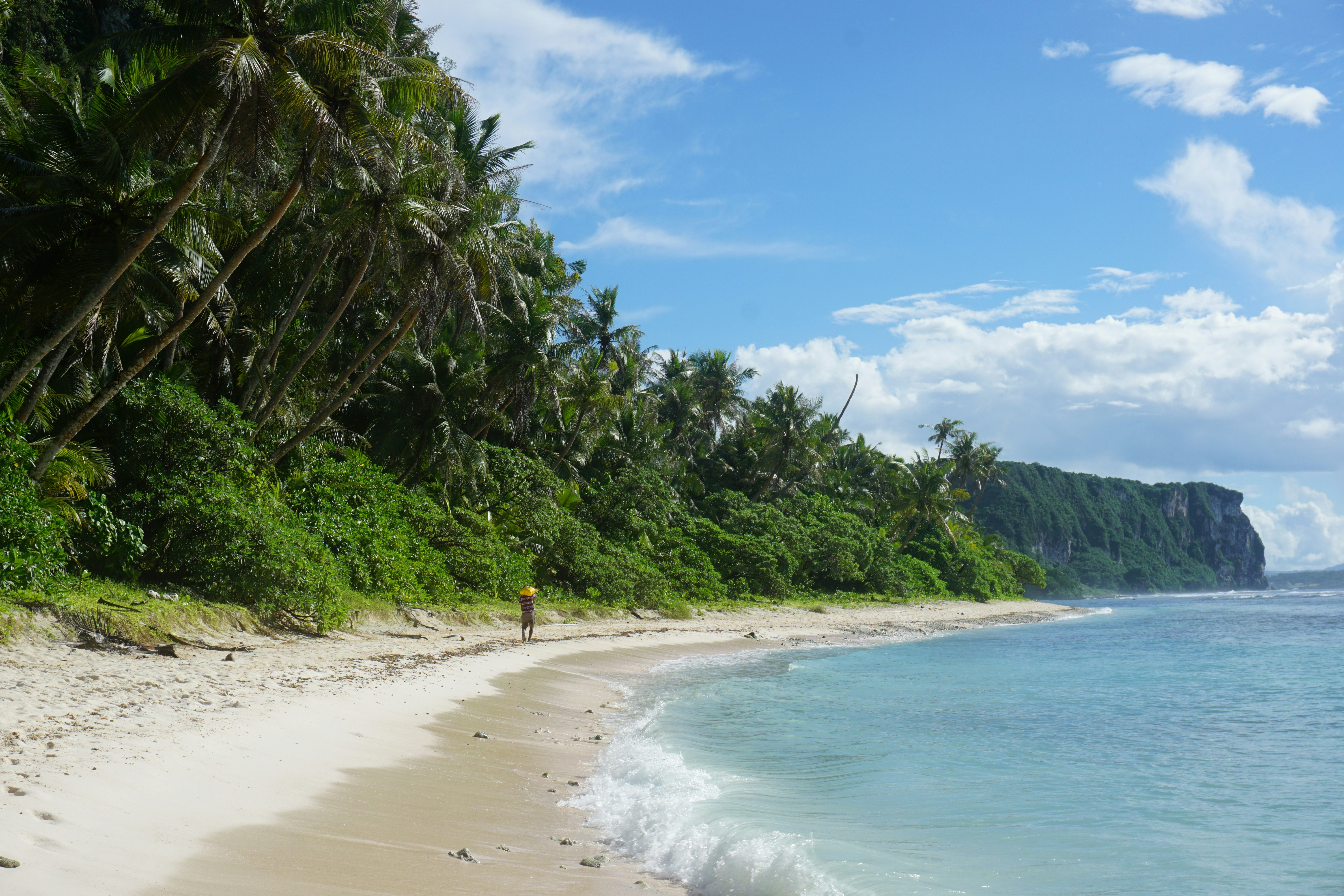
TL;DR: Is Guam Safe for Travelers?
Guam is generally safe and welcoming for tourists, with low rates of violent crime in resort areas, reliable emergency services via 911, and friendly local communities, especially around Tumon and Hagatña. Most visitors experience a trouble‑free trip by taking normal urban precautions and respecting local customs.
Guam is a U.S. territory in the Western Pacific, popular with visitors from Japan, Korea, and the U.S. thanks to its beaches, shopping, and laid‑back island atmosphere. The Guam Visitors Bureau reports hundreds of thousands of arrivals annually, with the vast majority of trips incident‑free. Tourist zones like Tumon Bay are well‑patrolled, and hotels maintain security staff around the clock.
That said, petty theft, drunk driving, and ocean‑related accidents do occur, especially at night or around bars and beach parks. Travelers should keep valuables secure, avoid leaving belongings on the sand, and take rip currents seriously. Health-wise, Guam follows U.S. standards, with modern hospitals and clinics, but there are tropical risks like mosquitoes and occasional dengue cases noted by public health advisories.
With basic precautions—staying aware at night, swimming only at lifeguarded beaches, and having travel insurance—Guam travel safety is comparable to many U.S. destinations. Using tools like Hello’s eSIM to stay connected and access maps, emergency information, and expense tracking makes it even easier to navigate the island confidently.
Guam Travel Safety Basics: Crime, Areas, and Getting Around
For most tourists, Guam is safe if you stick to well‑known areas, avoid heavy drinking, and treat it like any mid‑size U.S. city in terms of street smarts. Violent crime against visitors is rare; the main issues reported are petty theft and drunk‑related incidents near nightlife spots.
Resort districts such as Tumon Bay, central Hagatña, and the shopping hubs around Micronesia Mall are the most popular bases for visitors. These areas are busy, well‑lit, and regularly patrolled. As a rule of thumb:
- Keep bags zipped and close to you in crowded shopping centers.
- Leave passports and excess cash in hotel safes.
- Avoid walking alone down poorly lit back streets after midnight.
According to local safety campaigns highlighted in Guam newspapers, drunk driving and pedestrian accidents are recurring concerns, especially on weekends. Road safety advice mirrors U.S. guidance: always wear seatbelts, avoid driving at night if unfamiliar with the roads, and watch for pedestrians along shoulders and medians.
A simple comparison of risk levels:
| Aspect | Typical Tourist Zones (Tumon, Hagatña) | Isolated Beaches / Backroads |
|---|---|---|
| Violent crime risk | Low | Low–moderate (if isolated) |
| Petty theft | Moderate (crowds, beach bags) | Low–moderate |
| Road safety challenges | Moderate traffic, easy navigation | Poor lighting, faster speeds |
Using navigation apps and staying connected with a Hello eSIM for Guam helps avoid wrong turns or ending up on unlit roads after dark.
Emergency Numbers and Consular Help: Who to Call in Guam
If you face an emergency in Guam, dial 911 for police, fire, or ambulance services anywhere on the island. Guam’s emergency system has been upgraded in recent years to improve response times, and 911 is the single number for all major incidents.
Key emergency contacts commonly referenced in local guides include:
| Service | Number |
|---|---|
| Emergency (Police, Fire, Ambulance) | 911 |
| Guam Police Department (Non‑Emergency) | +1 (671) 472‑8911 |
| Guam Memorial Hospital (main public ER) | +1 (671) 647‑2330 |
| Coast Guard Search & Rescue (maritime) | +1 (671) 355‑4824 |
In case of crime (robbery, theft, assault), local advice from Guam community safety campaigns is to call 911 immediately, ask witnesses to stay, avoid touching the scene, and write down details of what you saw. For non‑emergency follow‑ups, the Guam Police Department can be reached at their 472‑8911 line.
Guam does not host a large network of foreign embassies itself. Singaporean travelers should note that the nearest Singapore mission is the Embassy of the Republic of Singapore in Washington, D.C., and consular assistance is typically handled remotely or via partner missions in the region. Always register your trip with Singapore’s Ministry of Foreign Affairs and keep their emergency consular contacts saved.
A practical tip: store 911, your hotel front desk, and any airline/insurance emergency numbers in your phone before arrival. Staying connected with an eSIM from Hello means you can place VOIP calls, check maps, and pull up policy details even if you’re away from Wi‑Fi.
Health Advisories, Vaccinations, and Water Safety in Guam
Guam’s health standards follow U.S. regulations, so routine vaccines, good food hygiene, and mosquito protection are usually all most travelers need. According to the U.S. CDC traveler view on Guam, visitors should be up‑to‑date on routine shots (MMR, tetanus, influenza) and consider hepatitis A and B depending on activities.
Health agencies recommend standard tropical precautions: wash hands frequently, use hand sanitizer with at least 60% alcohol if soap isn’t available, and follow the rule of “boil it, cook it, peel it, or leave it” for street food or rural eateries. Canadian travel advisories for Guam also emphasize avoiding undercooked meat and minimizing contact with stray animals to reduce infection risk.
Mosquito‑borne illnesses like dengue occasionally appear in Pacific islands, so wear light‑colored, loose clothing made from tightly woven fabrics, apply approved insect repellent on exposed skin, and consider sleeping under netting if you’re in basic accommodation or camping.
Tap water in main resort areas is generally treated to U.S. standards, but many travelers still prefer bottled water for drinking, especially if they have sensitive stomachs. Budget around $1–2 per 500ml bottle in 2026 from convenience stores.
Ocean safety is equally important. Lifeguarded beaches like parts of Tumon are safer, but strong currents and sudden drop‑offs exist elsewhere. Follow posted warnings, avoid swimming alone, and never mix alcohol with water activities.
If you fall sick, Guam Memorial Hospital and private clinics offer modern care, though visits can be costly without insurance. Travel insurance with medical coverage is strongly recommended to avoid high out‑of‑pocket bills.
Scams, Local Etiquette, and Staying Connected Safely in Guam
Most visitors will find Guam scams relatively limited compared with major Asian cities, but basic caution around money, taxis, and unsolicited offers is still wise. Common issues tend to be overcharging or informal “fixer” services rather than sophisticated fraud.
Examples to watch for:
- Informal tour offers at beaches or malls that promise cheap island drives or snorkeling without clear pricing or licensing.
- Timeshare or vacation club pitches with high‑pressure sales tactics and free‑gift promises that lock you into long presentations.
- Occasional overcharging on taxis or informal lifts when prices aren’t agreed in advance.
Simple protections:
- Book tours through your hotel, established operators, or online platforms.
- Confirm taxi rates before rides; many visitors prefer rental cars from reputable companies.
- Avoid handing over your passport for any "collateral" arrangement.
Guam locals are generally warm and hospitable, shaped by Chamorro culture’s emphasis on respect and family. Dress modestly when visiting villages, churches, or local events, and ask before photographing people.
Staying connected plays a big role in avoiding scams—maps, translation, and quick access to reviews help you spot red flags. Hello’s eSIM plans for Guam let you arrive with instant mobile data for navigation and online bookings, and you can explore more options via Hello eSIM for Guam. With data available on arrival, you’re less reliant on random "helpers" for directions or reservations.
Solo Female and LGBTQ+ Travelers: Is Guam Safe and Welcoming?
For most visitors, Guam is reasonably safe for solo female and LGBTQ+ travelers, especially in tourist areas and mainstream hotels, as long as typical nighttime and social media precautions are observed. Street harassment is less intense than in many big cities, though alcohol‑related behavior around bars can occur.
Solo female travelers usually feel comfortable walking around Tumon’s main strip, shopping centers, and hotel zones by day. At night, stick to well‑lit streets and trusted bars, avoid accepting drinks from strangers, and use licensed taxis or hotel‑arranged transport. Sharing live location with a friend and saving 911 as a speed dial adds peace of mind.
Guam is part of the U.S., and same‑sex relationships are legal; local society is a mix of Catholic heritage and island hospitality. LGBTQ+ travelers generally report friendly treatment in large hotels and tourist businesses, though public displays of affection may attract attention in more traditional areas. As with many destinations, discretion in rural villages and religious sites is advised.
A practical comparison for personal safety:
| Traveler Type | Daytime in Tourist Zones | Late Night Near Bars |
|---|---|---|
| Solo female | Comfortable, low risk | Use taxis, stay in groups |
| LGBTQ+ couples | Generally accepted | Avoid confrontations, choose LGBTQ‑friendly venues |
Hello’s expense splitting and budget tracking features help solo travelers and groups keep a clear record of nights out, shared taxis, and tours. AI receipt scanning and multi‑currency support mean you can monitor spending patterns and avoid financial stress that might push you into risky situations or overly cheap, unsafe options.
Common Questions on Guam Safety, Insurance, and Connectivity
Most travelers want to know whether Guam is safe, what insurance they need, and how to get help quickly if something goes wrong. Overall, Guam offers reliable emergency services, U.S.‑standard healthcare, and a friendly tourist environment, but insurance and connectivity still matter.
Q: Is Guam safe for tourists?
Yes. Tourist areas like Tumon and Hagatña have low violent crime rates and are heavily frequented by families and tour groups. Apply standard precautions—watch valuables, avoid excessive drinking, and heed ocean safety signs.
Q: What travel insurance do I need for Guam?
Choose a policy with medical coverage, emergency evacuation, trip cancellation, and coverage for rental cars if you plan to drive. U.S.‑standard hospital care can be expensive; a single ER visit can easily exceed $500–1,000 in 2026, so insurance protects your budget.
Q: Are there specific health risks?
Health advisories highlight routine vaccination, mosquito precautions, and food hygiene. CDC traveler views for Guam emphasize hand‑washing, safe water, and staying away from stray animals or caves where animal waste accumulates.
Q: What are Guam’s emergency numbers?
Dial 911 for police, fire, and ambulance. For non‑emergency police assistance, use +1 (671) 472‑8911.
Q: How can I stay connected in Guam?
Most visitors rely on mobile data for maps, translation, and contacting friends. An eSIM from Hello lets you buy data plans (from 5GB) before departure, activate instantly on arrival, and track shared trip expenses in the same app.
Q: Is Guam safe at night?
Resort strips remain lively and generally safe, but avoid drunk crowds, dark backroads, and deserted beaches. Use hotel bars, stick to main streets, and take taxis or rides with trusted drivers.
Explore These Destinations
Stay Connected
Ready for Guam?
eSIM data, expense splitting, budget tracking, and more. Everything you need for a smooth trip in one app.
Related Articles
Guam Currency & Money Guide: Exchange, Cards, and Tips
Currency exchange, credit card acceptance, ATM tips, tipping culture, and money-saving advice for Guam.
26 July 2026
Guam Visa & Entry Requirements for Singapore Passport Holders
Visa requirements, passport validity, customs allowances, and entry tips for Singapore citizens travelling to Guam.
9 July 2026
eSIM for Guam: Best Plans, Coverage, and Setup Tips
Everything you need to know about using eSIM in Guam. Best data plans, network coverage, and setup instructions.
30 June 2026