Guadeloupe Cultural Guide: Etiquette, Customs, and Tips
Essential do's and don'ts, greeting customs, dress codes, local phrases, and cultural tips for Guadeloupe.
By Hello Travel Team
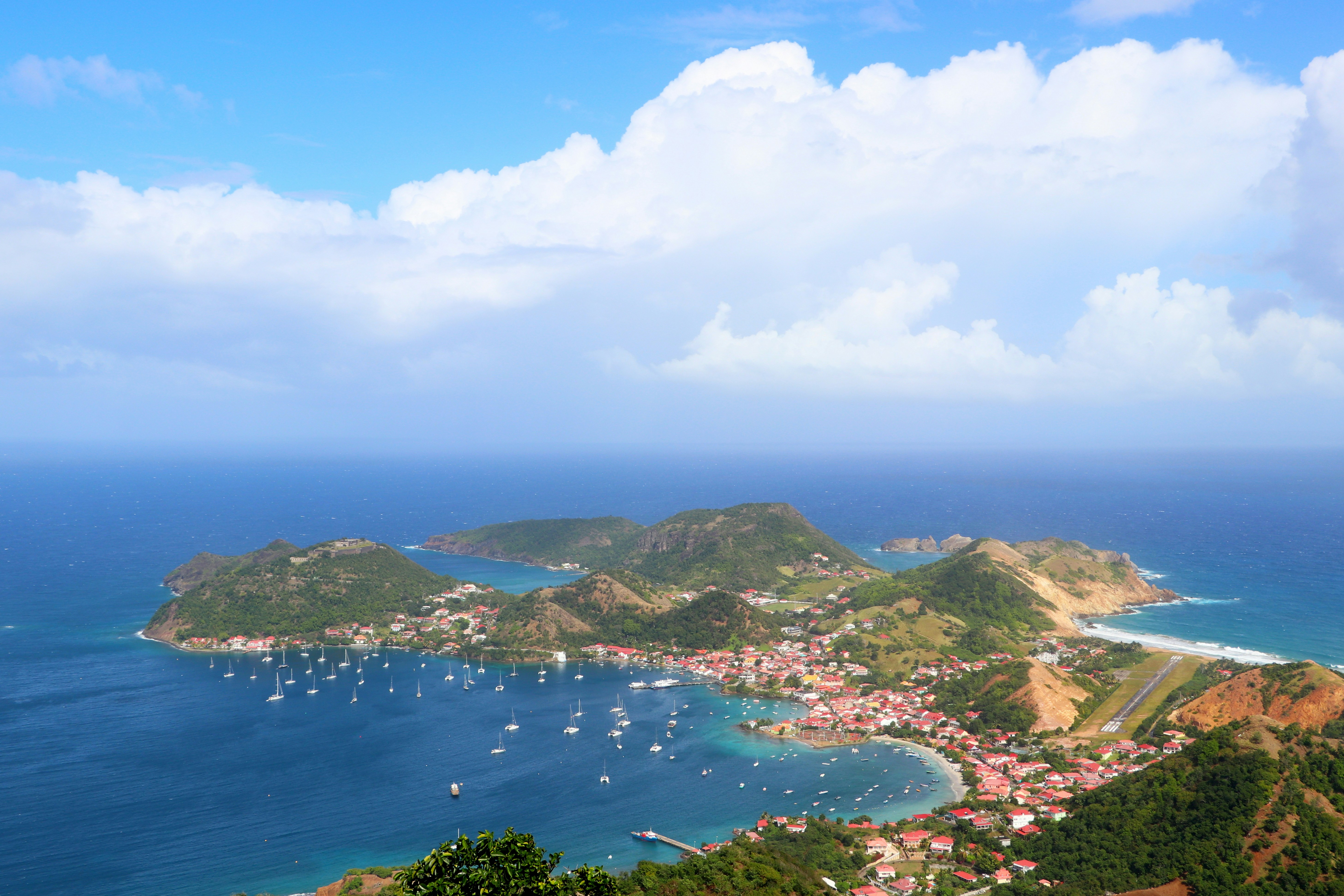
TL;DR: Guadeloupe etiquette, customs, and cultural dos and don’ts
Guadeloupe culture blends French Caribbean elegance with Creole warmth, so polite greetings, modest dress, and respect for local rhythms will take you far. Learn a few French phrases, avoid loud or rushed behavior, and follow local guidance in religious sites, markets, and beaches.
Guadeloupe is an overseas region of France in the Caribbean, so visitors encounter a mix of French administration, Creole traditions, and island-style hospitality. Daily life is slower-paced than mainland France, and relationships matter more than rigid schedules. As a traveler, focusing on respect, patience, and curiosity about Guadeloupe customs will help you connect meaningfully with locals.
Key Guadeloupe etiquette includes greeting shopkeepers and staff with a friendly “Bonjour” or “Bonsoir” before asking for anything, dressing neatly in town and modestly in churches, and keeping noise levels low in residential areas, especially at night. Tipping is appreciated but not mandatory, since service charge is often built into restaurant prices. In 2025, the Guadeloupe tourism office reported a steady annual increase in international visitors, reflecting the island’s growing popularity as a cultural destination.
For practical travel planning, be aware that public holidays, religious festivals, and Carnival season can affect opening hours and transportation. Booking accommodation and car rentals in advance is wise during peak periods. Staying connected with a Hello eSIM for Guadeloupe lets you check ferry schedules, restaurant hours, and local events in real time while controlling your budget with Hello’s expense tracking features.
Greetings, basic phrases, and polite communication in Guadeloupe culture
The most important rule of Guadeloupe etiquette is to greet people warmly with “Bonjour” or “Bonsoir” before any request or conversation. Skipping this simple step can be perceived as rude, especially in small shops, markets, and local restaurants.
French is the official language in Guadeloupe, and most locals expect basic politeness in French even if you’re not fluent. A few essential phrases go a long way:
- Bonjour / Bonsoir – Good morning / Good evening
- S’il vous plaît – Please
- Merci / Merci beaucoup – Thank you / Thank you very much
- Excusez-moi – Excuse me
- Parlez-vous anglais ? – Do you speak English?
You’ll also hear Guadeloupean Creole (Kwéyòl), especially among locals. Learning a couple of words, like “Bonjou” (hello) or “Mèsi” (thank you), shows genuine interest in Guadeloupe customs.
Conversation style is generally friendly but not overly direct; interrupting, speaking very loudly, or complaining aggressively is frowned upon. Locals appreciate travelers who take time to listen, show curiosity about traditions, and avoid comparing Guadeloupe unfavorably to other destinations.
If you’re meeting someone for the first time, a handshake is standard, while friends and family often greet with light cheek kisses (la bise), usually two. As a visitor, follow the other person’s lead. For arranging meetups, restaurant reservations, or tours, using a Hello eSIM for Guadeloupe keeps messaging apps and calls working smoothly without worrying about roaming fees.
Dress codes, religious sites, and beach etiquette in Guadeloupe
In Guadeloupe, casual but neat clothing is fine almost everywhere, but modest dress is expected in churches, religious sites, and during certain ceremonies. Swimwear belongs on the beach or by the pool, not in town centers, shops, or restaurants.
Around Pointe-à-Pitre, Le Gosier, and Basse-Terre, you’ll see people dressed in light, practical clothing: sundresses, linen shirts, shorts, and sandals. However, entering a church like the Cathédrale Saint-Pierre et Saint-Paul or attending mass calls for more conservative attire: shoulders covered, longer skirts or trousers, and closed-toe shoes if possible. Removing hats inside religious buildings is an important sign of respect.
On beaches such as Sainte-Anne and Plage de Grande Anse, standard swimwear is acceptable, but topless sunbathing is not widely practiced and may make locals uncomfortable. Nude or clothing-optional beaches are not part of mainstream Guadeloupe customs, so it’s best to keep beachwear conventional.
For dining in mid-range restaurants, a smart-casual dress code is appreciated: collared shirts, dresses, or neat outfits rather than beach shorts and flip-flops. In 2026, typical main courses at a sit-down restaurant in tourist areas range from €18–€28 ($20–$30), and dressing appropriately helps ensure good service and comfortable interactions.
If you plan to visit multiple islands or religious sites in one day, pack a light scarf or shawl to cover shoulders and a pair of longer shorts or a simple skirt. This makes it easy to respect local expectations without feeling overdressed in the Caribbean heat.
Photography, privacy, and respectful behavior in public spaces
Guadeloupe is visually stunning, but responsible photography means asking permission before photographing people, being discreet in religious contexts, and avoiding sensitive sites like military areas or government buildings without clear approval.
Street scenes, markets, and beaches are popular photo subjects, and most vendors won’t mind you photographing their colorful stalls if you ask first and ideally make a small purchase. Pointing a camera directly at someone’s face without consent is considered intrusive, especially for children, elderly people, and worshippers.
Inside churches or during religious processions, photography may be restricted or discouraged. Look for signage at the entrance, and if in doubt, ask a staff member or observe what locals are doing. Flash photography during services is always inappropriate. On cultural events days—like processions during Easter or All Saints’ Day—focus on experiencing the moment rather than documenting every detail.
Drones are regulated across French territories, including Guadeloupe. You generally need to respect no-fly zones near airports, urban centers, and nature reserves, and avoid flying over crowds. As of 2025, French civil aviation rules require hobby pilots to stay below 120 meters and maintain line of sight.
Respectful behavior in public also means keeping music volume moderate on beaches, not smoking in non-smoking areas, and avoiding littering—fines for littering in protected natural areas can reach €150 in 2026. Using your phone with a Hello eSIM to check local rules for national parks and viewpoints helps you stay informed before you start snapping photos or launching a drone.
Business etiquette, tipping norms, and money matters in Guadeloupe
Business etiquette in Guadeloupe follows French norms: punctuality, polite formal greetings, and clear communication are key, while tipping in restaurants and cafes is appreciated but not strictly required because service is often included.
If you’re visiting Guadeloupe for work—meeting local partners, attending a conference, or visiting government offices—expect a formal tone initially. Use titles (Monsieur, Madame) plus surnames until invited to switch to first names. Business attire is lighter than in Paris due to the climate but still smart: dress shirts, lightweight blazers, and modest dresses or skirts.
Meetings typically start on time, though daily life outside the business context can feel more relaxed. Being late without warning is poor etiquette, so message or call if you’re delayed. A simple follow-up email in French or English summarizing discussions shows professionalism.
Guadeloupe uses the euro (€), and card payments are widely accepted in cities and tourist areas. However, carry some cash for small bakeries, roadside fruit stands, and local markets. In 2026, a typical espresso at a café costs around €1.50–€2, and a casual lunch plate (like colombo chicken or grilled fish with sides) ranges from €12–€18.
Tipping: leaving 5–10% in restaurants with table service is customary when you’re happy with the experience, even though prices include service. Rounding up small taxi fares and bar tabs is common. To track shared expenses—such as business dinners, car rentals, or coworking passes—Hello’s expense splitting and multi-currency tracking help you divide costs fairly across colleagues or friends.
Local holidays, festivals, and Guadeloupe dos and don’ts for smooth travel
The biggest Guadeloupe dos and don’ts revolve around respecting local holidays and festivals: plan ahead for Carnival, public holidays, and religious events, as opening hours and transport can change dramatically across the islands.
Guadeloupe observes French national holidays like Bastille Day (14 July) and Armistice Day (11 November), plus local celebrations and Christian feast days. Many businesses close or operate limited hours on major holidays, and public offices are shut. According to French tourism data for overseas regions, visitor numbers rise sharply around winter, with February Carnival drawing thousands of travelers each year.
Carnival in Guadeloupe typically runs from early January to Ash Wednesday, with peak parades on Sundays and major processions in towns like Basse-Terre and Pointe-à-Pitre. During these weeks, you’ll encounter road closures, noisy festivities late into the night, and adjusted ferry or bus schedules. Hotels and rental cars can sell out months in advance, and prices may increase by 20–30% compared to low season.
Key dos:
- Do arrive early for parades and events to secure safe, comfortable viewing spots.
- Do respect barriers and instructions from organizers and police.
- Do carry cash and a charged phone, as ATMs and transport can be busy.
Key don’ts:
- Don’t push through crowds aggressively or block performers’ routes.
- Don’t treat religious processions as purely entertainment; maintain quiet respect.
- Don’t assume shops will be open—always check holiday hours.
With an eSIM from Hello, you can monitor local news, maps, and event times on the go, avoiding surprises and adjusting your Guadeloupe itinerary smoothly when the island shifts into festival mode.
Common questions about Guadeloupe etiquette, customs, and safety
Most common Guadeloupe etiquette questions focus on safety, tipping, language, and how formal local culture feels; the answers are reassuring—Guadeloupe is welcoming, relatively safe, and easier to navigate if you respect French-Caribbean manners and basic local customs.
Is Guadeloupe safe for tourists?
Guadeloupe is generally safe for visitors, especially in main tourist areas like Le Gosier, Sainte-Anne, and Deshaies. As in many destinations, petty theft can occur, so use normal precautions: avoid leaving valuables on the beach, lock your rental car, and be cautious at night in less busy areas. French crime statistics for overseas departments show that tourist-focused crime is lower than in many large European cities.
Do I need to speak French?
You’ll manage with basic English in hotels and tourist businesses, but French is dominant in Guadeloupe culture. Learning key phrases and using translation apps makes daily interactions smoother and friendlier. Locals appreciate effort more than perfection.
Is tipping mandatory?
No, but leaving a small tip (5–10%) in restaurants, rounding up taxi fares, or adding €1–€2 for excellent service is a common courtesy.
Can I drink tap water?
Tap water in Guadeloupe is generally safe in urban areas, as the islands follow French public health standards, though some rural zones may experience short disruptions. Many travelers prefer bottled water on day trips.
How can I manage my budget?
In 2026, expect mid-range hotels from €90–€150 per night and car rentals from about €40–€60 per day. Using Hello’s budget tracking and AI-powered receipt scanning helps you monitor spending on ferries, fuel, and restaurants while staying connected with a Hello eSIM for Guadeloupe and checking live prices on the go.
Explore These Destinations
Stay Connected
Make the most of Guadeloupe
From eSIM connectivity to expense tracking, Hello is the all-in-one companion that keeps your trip stress-free.
Related Articles
Guadeloupe Currency & Money Guide: Exchange, Cards, and Tips
Currency exchange, credit card acceptance, ATM tips, tipping culture, and money-saving advice for Guadeloupe.
26 July 2026
Guadeloupe Safety Guide: Tips for a Safe Trip
Safety tips, health advisories, emergency contacts, common scams, and travel insurance advice for Guadeloupe.
18 July 2026
Guadeloupe Visa & Entry Requirements for Singapore Passport Holders
Visa requirements, passport validity, customs allowances, and entry tips for Singapore citizens travelling to Guadeloupe.
9 July 2026