Grenada Cultural Guide: Etiquette, Customs, and Tips
Essential do's and don'ts, greeting customs, dress codes, local phrases, and cultural tips for Grenada.
By Hello Travel Team
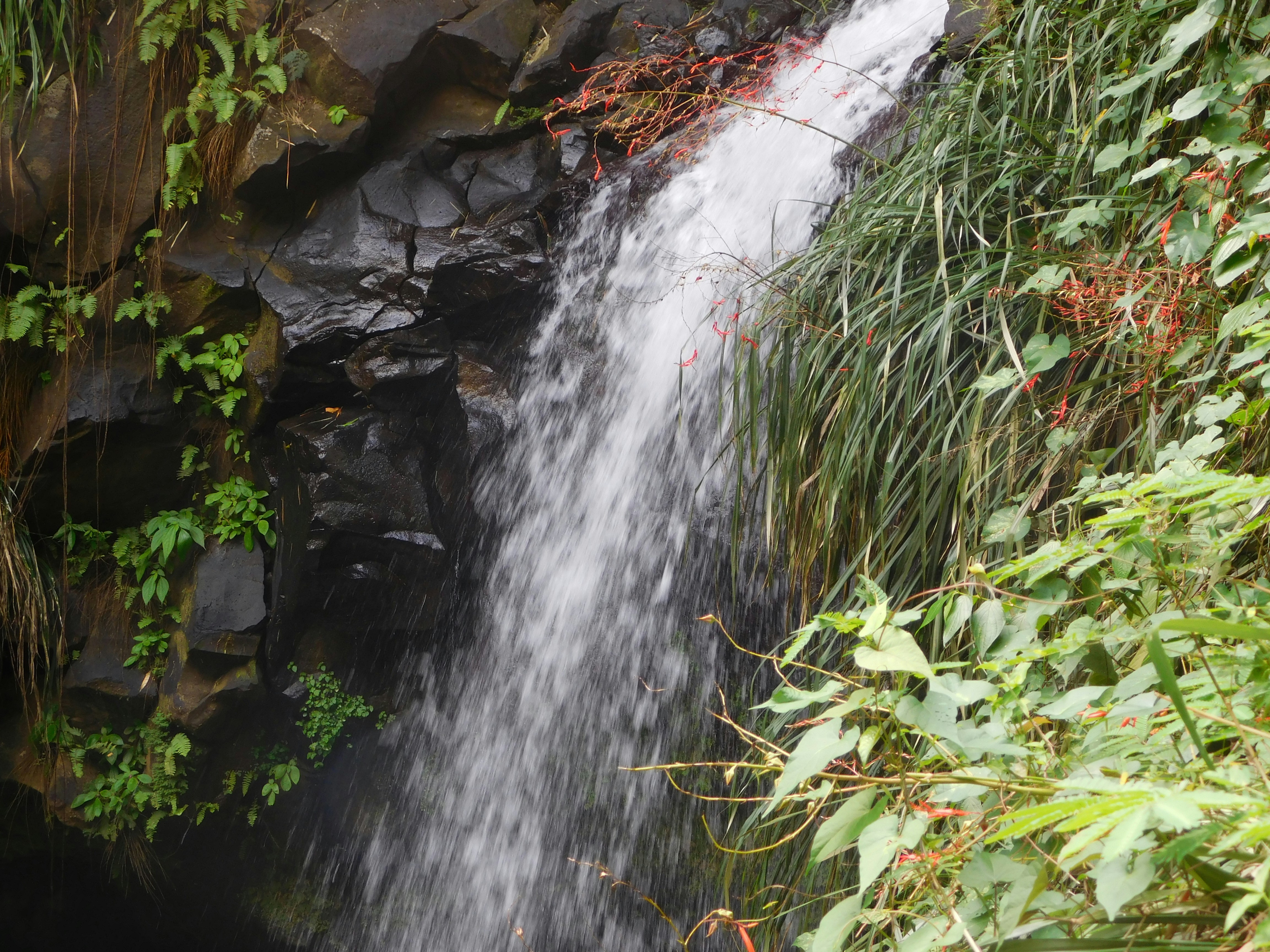
TL;DR: Grenada Cultural Guide for First-Time Visitors
Grenada culture is warm, welcoming, and proudly local, with etiquette shaped by respect, conversation, and a relaxed Caribbean pace. The main Grenada dos and donts are simple: greet people politely, dress modestly for churches and villages, ask before taking photos, and be patient if plans move a little slower than expected.
For most travellers, the biggest cultural tip is to arrive with curiosity and humility. A friendly “good morning” goes a long way, especially in shops, guesthouses, and smaller communities. If you are using Hello eSIM for Grenada, you can stay connected for maps, translations, and ride-hailing without depending on hotel Wi‑Fi, which is especially useful when exploring between St. George’s, Grand Anse, and the northern parishes.
Grenada Etiquette: Greetings, Respect, and Everyday Manners
The most important rule of Grenada etiquette is to greet people before getting into business. In shops, taxis, guesthouses, and offices, a simple “good morning,” “good afternoon,” or “good night” is considered polite and often expected before asking a question.
A smile and light conversation are normal, especially in more informal settings. Grenadians tend to value courtesy over speed, so brusque behaviour can come across as rude even if you do not mean it that way. Use titles such as Mr., Mrs., or Ms. when addressing someone formally, particularly in business or official settings.
A few useful local phrases can help:
- “Good morning/afternoon/night” — standard polite greeting
- “How yuh do?” — friendly local version of “How are you?”
- “Thank you” — always appreciated, especially after receiving directions or help
- “Please” — use it often; it softens requests and is well received
If you are chatting with locals about Grenada culture, avoid comparing it dismissively with other Caribbean destinations. People are usually happy to share recommendations about food, festivals, and beaches, but they appreciate respectful curiosity rather than assumptions.
Grenada Customs and Dos and Don’ts for Travellers
The easiest way to avoid awkward moments is to follow a few practical Grenada customs: greet first, dress neatly, tip modestly, and do not assume everyone is on island time the same way you are. Politeness matters more than formality, but basic respect is non-negotiable in public life.
Here is a useful comparison of common dos and donts in Grenada:
| Do | Don’t |
|---|---|
| Greet people before starting a conversation | Walk up and immediately ask a question |
| Dress neatly in towns and villages | Wear beachwear away from the beach or pool |
| Ask before photographing people | Assume photos are okay in markets or outside churches |
| Be patient in service settings | Show frustration if things take a little longer |
| Use your right hand for handshakes and giving items when possible | Hand over money or gifts carelessly |
A practical example: if you are buying fruit at a roadside stall, a quick “good afternoon” and a smile will usually earn a friendlier exchange than rushing straight into prices. In casual restaurants, modest tipping is appreciated if service is good, but it is not usually aggressive or expected in the same way as in some larger tourist markets. If you are travelling with friends, Hello’s expense splitting and budget tracking tools can make shared meals, taxis, and entry fees much easier to manage.
Dress Codes in Grenada: Beaches, Towns, and Religious Sites
The safest rule for Grenada dress codes is to dress casually but not carelessly, and to cover shoulders and knees when visiting churches or government buildings. Beachwear belongs on the beach, not in supermarkets, cafés, or town centres.
At the beach, swimsuits are normal, but once you head into St. George’s or local villages, add a cover-up, shirt, or sundress. For religious sites such as churches, keep clothing modest: avoid very short shorts, crop tops, sheer outfits, and anything too revealing. If you attend a service, quieter colours and neat clothing are a respectful choice.
For business meetings, smart-casual clothing is usually enough, though a blazer or collared shirt is a safe option. Comfortable sandals are common, but if you are attending a formal event or church service, closed-toe shoes may be more appropriate.
A good travel rule is to plan for one outfit that works across settings: lightweight trousers or a midi dress, a breathable top that covers shoulders, and a light layer for air-conditioned spaces or evening events. In Grenada’s warm climate, practical fabrics matter. According to local tourism guidance and common Caribbean visitor etiquette, dressing respectfully is one of the simplest ways to show cultural awareness.
Photography Rules, Local Holidays, and Business Etiquette in Grenada
The safest approach to photography in Grenada is to ask first, especially when photographing people, vendors, ceremonies, or anything inside a church. Public scenery is generally fine, but private moments, markets, and religious spaces deserve extra caution.
Business etiquette is straightforward: arrive on time, be polite, and keep meetings calm and unhurried. Handshakes are common in formal introductions, and business cards may still be exchanged in professional settings. If a conversation starts with small talk, that is normal rather than inefficient. Grenada business culture often values trust and rapport before speed.
A few holidays can affect travel plans, government opening hours, or transport:
- Carnival: usually in August, with major road activity and celebrations in St. George’s
- Independence Day: February 7
- Spicemas-related events: can influence traffic, closures, and nightlife schedules
- Christmas and Easter: expect family time, quieter business hours, and changed ferry or shop schedules
If you are planning around busy periods, book transport and accommodation early. According to Grenada’s tourism patterns, festival weeks can be significantly busier than regular shoulder-season travel, so same-day flexibility may be limited. A mobile connection from Hello eSIM for Grenada is useful here for checking opening hours, traffic, and last-minute schedule changes while you move around the island.
Common Questions About Grenada Culture, Etiquette, and Local Phrases
Grenada etiquette is friendly and easy to learn: be polite, greet people, dress modestly in formal or religious settings, and ask before photographing anyone. Most visitors find that a little courtesy quickly leads to warmer conversations and better local advice.
Do I need to tip in Grenada? Tipping is appreciated for good service, but it is usually moderate rather than rigid. In restaurants, taxi rides, and guided experiences, small gratuities are common when service has been helpful.
What are the most important Grenada dos and donts? Do greet people, ask permission before taking photos, and dress respectfully in town or at churches. Don’t speak abruptly, wear only swimwear outside the beach, or assume everyone wants to move at a fast pace.
Is it okay to use local slang? Yes, if you use it naturally and respectfully. A simple “How yuh do?” can sound friendly, but it is better to listen first than to overdo it.
What should I know before visiting during festival season? Expect busier roads, louder nightlife, and higher demand for rooms and taxis. Book ahead if you are travelling around Carnival or other major celebrations, and leave extra time for getting around.
What is the best way to stay connected while exploring? If you want maps, messaging, and quick translation support without hunting for Wi‑Fi, an eSIM from Hello is a practical option for Grenada travel.
Practical Grenada Culture Tips for a Smoother Trip
The most useful Grenada cultural tip is to slow down just enough to notice how locals interact, because that is where the best etiquette lessons happen. Pay attention to greetings, dress, timing, and tone, and you will usually fit in comfortably.
For travellers, the real advantage of understanding Grenada customs is that everyday moments become easier: ordering lunch in St. George’s, asking for directions to Grand Anse, entering a church, or joining a festival crowd. A respectful approach also opens the door to better recommendations, whether you are looking for local food, music, or less obvious viewpoints.
Budget-wise, it helps to keep some cash available for small purchases and local transport, even if you rely on cards for larger expenses. If you are travelling with companions, Hello’s expense splitting and multi-currency budget tracking can simplify shared taxis, beach lunches, and excursion costs. And if you need reliable data for navigation or last-minute plans, Hello’s eSIM connectivity gives you instant access when you arrive, which is particularly handy if your schedule includes more than one parish or a packed festival day.
In short: treat Grenada as a place where courtesy matters, keep your outfit and camera use context-aware, and you will find that the island’s friendliness is one of its biggest cultural strengths.
Explore These Destinations
Stay Connected
Make the most of Grenada
From eSIM connectivity to expense tracking, Hello is the all-in-one companion that keeps your trip stress-free.
Related Articles
Grenada Currency & Money Guide: Exchange, Cards, and Tips
Currency exchange, credit card acceptance, ATM tips, tipping culture, and money-saving advice for Grenada.
26 July 2026
Grenada Safety Guide: Tips for a Safe Trip
Safety tips, health advisories, emergency contacts, common scams, and travel insurance advice for Grenada.
18 July 2026
Grenada Visa & Entry Requirements for Singapore Passport Holders
Visa requirements, passport validity, customs allowances, and entry tips for Singapore citizens travelling to Grenada.
9 July 2026