First-Time Solo Travel: A Complete Guide for Beginners
Essential tips for your first solo trip. Safety, budgeting, meeting people, staying connected, and choosing the right destination.
By Hello Travel Team
TL;DR: The Essential Solo Travel Tips for Your First Trip
The best first solo trip combines a manageable destination, a realistic budget, secure accommodation, flexible planning, and reliable communication. Start with three to five days in a well-connected city such as Japan, Portugal, or Thailand, share your itinerary with someone at home, and plan only the first day in detail. Solo travel for beginners becomes far easier when you prioritise safety, local transport, and enough financial and emotional space for unexpected changes.
A practical 2026 starter budget is approximately $70–$150 per day in affordable destinations and $120–$250 in higher-cost cities, excluding international flights. Reserve your first night before departure, carry two payment methods, learn a few local phrases, and keep emergency information offline. Hello’s travel companion app can also support your trip with budget tracking, multi-currency expenses, planning tools, and an eSIM for staying connected.
How to Choose the Best Destination for a First Solo Trip
Choose a first solo destination with reliable public transport, straightforward entry requirements, abundant accommodation, and activities that are easy to enjoy alone. A compact city is usually better than a remote itinerary because you can reach your hotel quickly, ask for help easily, and adjust plans without expensive transfers.
| Destination | Why it suits beginners | Typical daily budget in 2026* |
|---|---|---|
| Japan | Excellent trains, orderly cities, solo-friendly restaurants | $100–$220 |
| Thailand | Social hostels, affordable food, established tourist routes | $50–$120 |
| Portugal | Walkable cities, strong tourist infrastructure, mild logistics | $90–$180 |
*Estimates include a budget room or hostel bed, local meals, transport, and one paid activity; prices vary by season and city. Japan remains a particularly popular choice: JNTO recorded 36.87 million foreign visitors in 2024 and 42.68 million in 2025. In Tokyo, expect roughly $8–$15 for a casual meal, while a Bangkok street-food meal may cost $2–$5 in 2026. Research neighbourhoods rather than only countries, check seasonal weather, and avoid changing hotels every night on your first trip.
First Solo Trip Planning: Safety, Accommodation, and Transport
The safest first solo trip is one where someone knows your plan, your accommodation is reviewed and central, and you have a simple arrival strategy before landing. Send a trusted contact your flight details, hotel address, travel insurance policy, and a check-in schedule; use a shared itinerary rather than posting your live location publicly.
Book the first two nights in a well-reviewed hotel, guesthouse, or hostel near a major station or established neighbourhood. Confirm late-arrival procedures and save the address in the local language. At the airport, use official taxis, licensed ride services, airport trains, or clearly marked buses, and ignore unsolicited transport offers. For example, a first-time visitor to Tokyo can take a train into the city and use station staff for route assistance; in Bangkok, check whether your accommodation recommends an official airport transfer.
Use a cross-body bag, keep your passport secured, and carry only the cash you need for the day. Learn the local emergency number before leaving home, and save your embassy details offline. Avoid impaired decisions, isolated streets late at night, and sharing room numbers with strangers. Solo travel does not require constant caution, but it does reward routines that reduce avoidable uncertainty.
Solo Travel Budgeting: Daily Costs, Money, and Unexpected Expenses
Build your solo travel budget around accommodation, food, transport, activities, connectivity, insurance, and a 15–20% emergency buffer. Travelling alone usually costs more per person because you cannot split a private room or taxi, so choose central hostels, guesthouses, public transport, and free walking routes when they make sense.
A realistic mid-range example for Bangkok in 2026 might be $35 for a private room or quality hostel, $15 for meals, $8 for local transport, $20 for activities, and $5 for connectivity, producing a daily total near $83 before flights and insurance. A Tokyo example could reach $160–$220 per day because accommodation and attractions cost more. Always check whether card payments are common: Japan is increasingly cashless, but smaller restaurants and rural businesses may still prefer cash; Thailand commonly accepts cards in hotels and malls, while markets and street vendors often require cash.
Hello’s budget tracker supports multi-currency expenses with automatic exchange rates, AI categorisation, receipt scanning in different languages and currencies, voice expense entry, and bank-statement imports from CSV or PDF. Record purchases immediately instead of reconstructing them later, and keep a separate emergency card in a different place from your wallet.
How to Meet People While Travelling Alone Without Losing Independence
The easiest way to meet people on a solo trip is to choose structured, low-pressure activities such as walking tours, cooking classes, hostel events, language exchanges, or small-group day trips. You can be social without turning your entire itinerary over to new acquaintances.
Stay in a hostel with private rooms or quiet hours if you want both privacy and conversation. Join a communal breakfast, ask a simple question about local food, or book a group activity for your first full day. In Kyoto, a small cooking class can introduce you to local ingredients and other travellers; in Chiang Mai, an organised market or temple tour offers a social setting without requiring nightlife. Respect local customs: in Japan, keep voices low on trains, queue carefully, and avoid eating while walking in crowded areas; in Thailand, dress modestly when visiting temples and cover shoulders and knees.
Use sensible boundaries. Meet new people in public places, do not disclose your accommodation details, keep control of your drinks and valuables, and leave whenever you feel uncomfortable. A good solo itinerary alternates connection and solitude: perhaps a group tour in the morning, independent sightseeing in the afternoon, and a familiar restaurant near your accommodation in the evening.
Staying Connected on a Solo Trip with Hello eSIM
Reliable mobile data makes solo travel safer because you can navigate, translate, contact accommodation, access transport information, and call for help without depending on public Wi-Fi. Buy and activate an eSIM from Hello before departure so your phone can connect soon after landing, while keeping your primary number available for calls or verification where supported.
Hello offers eSIM plans in more than 200 countries, with instant activation and plans starting from 5GB; prices are updated live. For example, a traveller spending ten days in Japan can compare a Hello plan with their expected map, messaging, translation, and social-media use before choosing the data allowance. See Hello eSIM for Japan before departure, check that your phone is unlocked and eSIM-compatible, and install the plan while connected to Wi-Fi.
Download offline maps, boarding passes, hotel addresses, translation packs, and emergency contacts before flying. Keep data roaming disabled on your primary SIM if your carrier charges international roaming, and label the Hello line clearly in your phone settings. Connectivity is especially useful when arriving after dark, navigating a large station, or explaining an address to a driver. Hello is available through travelwithhello.com and the App Store or Google Play.
Common Questions About Solo Travel for Beginners
Most first-time solo travellers need only a short, well-connected itinerary, a safety plan, and enough flexibility to change course when something feels wrong. You do not need to be naturally outgoing or highly experienced; preparation creates confidence, while small independent decisions build it during the trip.
Is solo travel safe for beginners? It can be, provided you research current local guidance, choose reputable accommodation, protect valuables, and tell someone your plans. Conditions differ by destination, so check government travel advice before departure.
How long should a first solo trip be? Three to seven days is a useful starting point. It is long enough to develop a routine but short enough to manage if you feel homesick or overwhelmed.
Should I stay in a hostel? A hostel is useful for meeting people and saving money, but a private room in a central guesthouse may suit travellers who value sleep and privacy.
What should I do if I feel lonely? Contact someone at home, join a daytime activity, eat at a counter-service restaurant, or spend time in a familiar public place. Loneliness is common and usually temporary.
Do I need travel insurance? Insurance is strongly advisable for medical treatment, cancellations, baggage problems, and emergency assistance. Read exclusions before purchasing, especially for activities such as motorbike riding or diving.
Your all-in-one travel companion
eSIM data, expense splitting, budget tracking, and more. Everything you need for a smooth trip in one app.
Related Articles
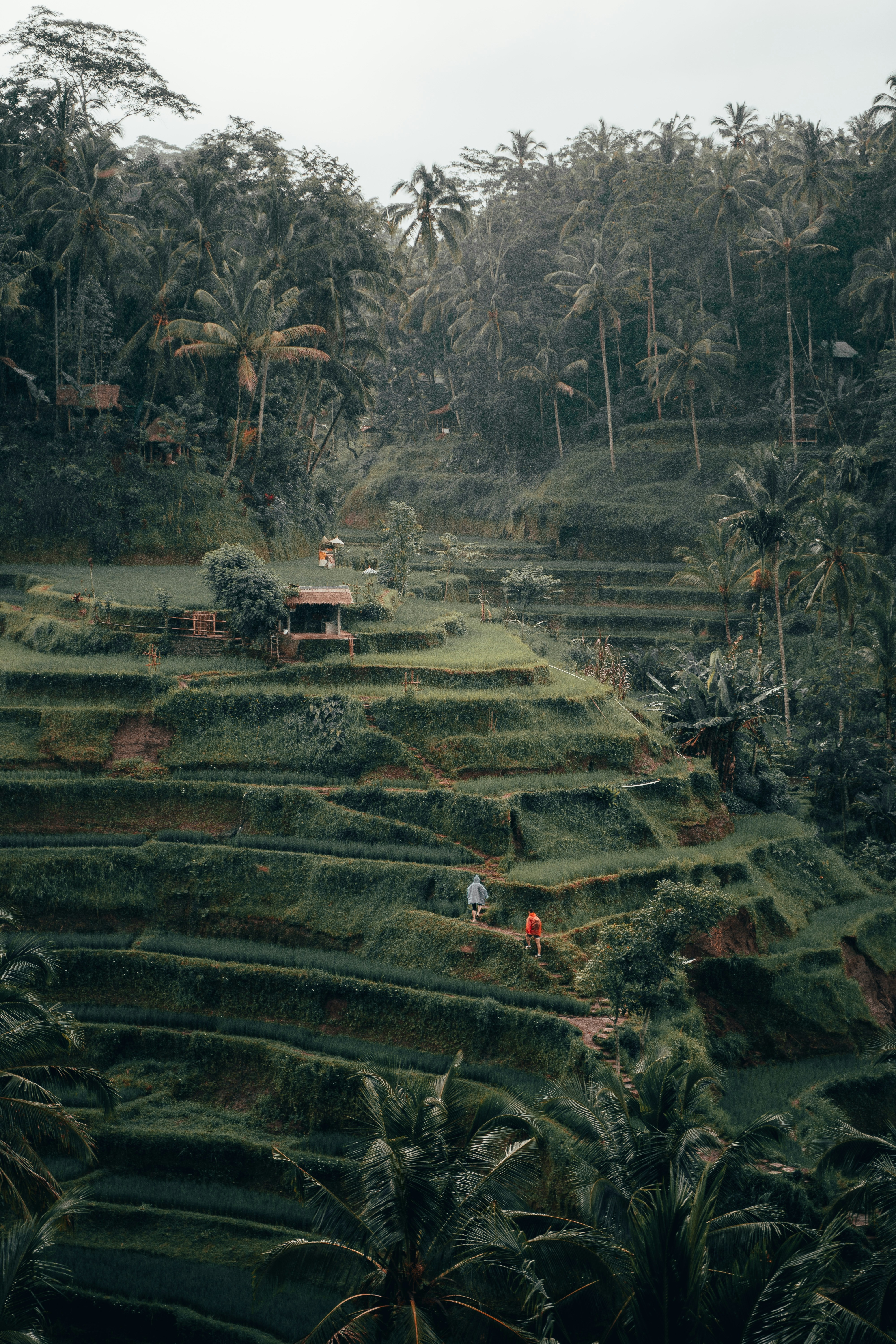
Best Time to Visit Bali: Weather, Crowds, and Prices by Month
Month-by-month guide to visiting Bali. Dry season vs wet season, festival dates, and when to find the best deals.
6 July 2026
How to Split Travel Expenses with Friends (Without the Drama)
Best practices for splitting costs on group trips. From accommodation and meals to activities. Tools and strategies that actually work.
25 June 2026
How Much Data Do You Need for Travel? A Practical Guide
Calculate how much mobile data you need while travelling. Usage estimates for maps, messaging, social media, and video calls.
25 June 2026