China in 5 Days: The Perfect Extended Itinerary
A detailed 5-day itinerary for China with daily activities, costs, neighborhoods, and transport tips for an extended stay.
By Hello Travel Team
This article contains affiliate links. If you book through them, Hello may earn a commission at no additional cost to you. Our editorial recommendations are independent. Learn more.
- 1
Arrival in Beijing & Hutong Evening
- MorningAirport Express to Dongzhimen~$4
- AfternoonCheck-in in Dongcheng or Chaoyang
- AfternoonNanluoguxiang or Shichahai walk~$5
- EveningPeking duck dinner~$28
DongchengChaoyangShichahaiNanluoguxiangTake the Airport Express (~¥25/$4) or a taxi depending on arrival time and luggage.
Budget$55Mid-range$125Luxury$320 - 2
Forbidden City & Mutianyu Great Wall
- MorningForbidden City~$8
- Late morningJingshan Park~$1
- AfternoonTransfer to Mutianyu Great Wall~$25
- AfternoonCable car or toboggan~$18
- EveningDinner near Wangfujing or Guijie~$20
DongchengWangfujingMutianyuUse a pre-booked transfer or tour for the Great Wall; public transit is cheaper but much slower.
Budget$95Mid-range$185Luxury$420 - 3
Temple of Heaven, Markets & Local Beijing
- MorningTemple of Heaven~$6
- AfternoonPanjiayuan or Wangfujing stop~$8
- AfternoonMuseum, tea house, or Sanlitun stroll~$10
- EveningLocal dinner~$18
Temple of HeavenPanjiayuanWangfujingSanlitunUse the subway for central Beijing and taxis for short cross-district hops.
Budget$70Mid-range$130Luxury$260 - 4
Art Districts, Lakeside Beijing, or Transfer Buffer
- MorningLate brunch in Qianmen~$12
- Afternoon798 Art District~$10
- EveningShichahai sunset walk~$5
- EveningCocktails or hotpot~$22
Qianmen798 Art DistrictShichahaiCombine subway and short taxi rides; this day is flexible if you want a slower pace or a transfer.
Budget$65Mid-range$145Luxury$330 - 5
Final Breakfast, Last Walk, and Departure
- MorningBreakfast near hotel~$8
- MorningLast hutong or market stop~$5
- AfternoonAirport transfer~$15
DongchengChaoyangLeave extra time for traffic and airport security; airport express or taxi are the simplest options.
Budget$40Mid-range$80Luxury$180
Trip Summary
Trip starter
Turn this 5-day itinerary into a Hello trip
Start with a prefilled trip for China, then add dates, invite friends, track expenses, and pick an eSIM before you land.
Name and destination carried into the app.
Split costs and settle up during the trip.
Choose data for the destination before departure.
TL;DR: China in 5 Days Works Best as a Beijing-Focused Trip
A China 5 day itinerary is best used as a fast, rewarding deep dive into Beijing, where you can combine imperial history, hutong neighborhoods, and one Great Wall day without wasting time on too many transfers. If you want a balanced China travel plan, this 5-day route gives you the strongest first-time snapshot of China in one city plus an iconic day trip, with optional add-ons if you arrive early or leave late. The most practical base is Dongcheng or Chaoyang, and you’ll save time by using the subway, airport express, and pre-booked attraction tickets.
Day 1 China Itinerary: Arrive in Beijing, Explore Hutongs, and Eat Your First Peking Duck
Day 1 is about easing in with central Beijing sights, a hutong walk, and a classic dinner near your hotel. Start in the morning with airport arrival and take the Airport Express to Dongzhimen for about ¥25; that’s usually the fastest way into the city, according to local transport guides. If you’re staying in Dongcheng, you’ll be close to the Forbidden City, Jingshan Park, and older neighborhood lanes; Chaoyang is better if you want more modern hotels and easier airport access. In the afternoon, walk through Nanluoguxiang or Shichahai for your first look at Beijing’s traditional alley life, then slow down with coffee or tea before dinner. For evening, book a Peking duck meal in advance; many good places charge roughly ¥150–300 per person in 2026, depending on the restaurant. If you’re tracking shared costs with friends, the Hello app is useful for splitting taxi, dinner, and hotel expenses across currencies, while Hello eSIM keeps maps and ride apps working as soon as you land. The China page and Hello eSIM for China are helpful before departure. Morning street food, like jianbing, usually costs ¥8–15; keep cashless payment ready because mobile payments are common in Beijing.
Day 2 China 5 Day Trip: The Forbidden City, Jingshan Park, and a Great Wall Afternoon
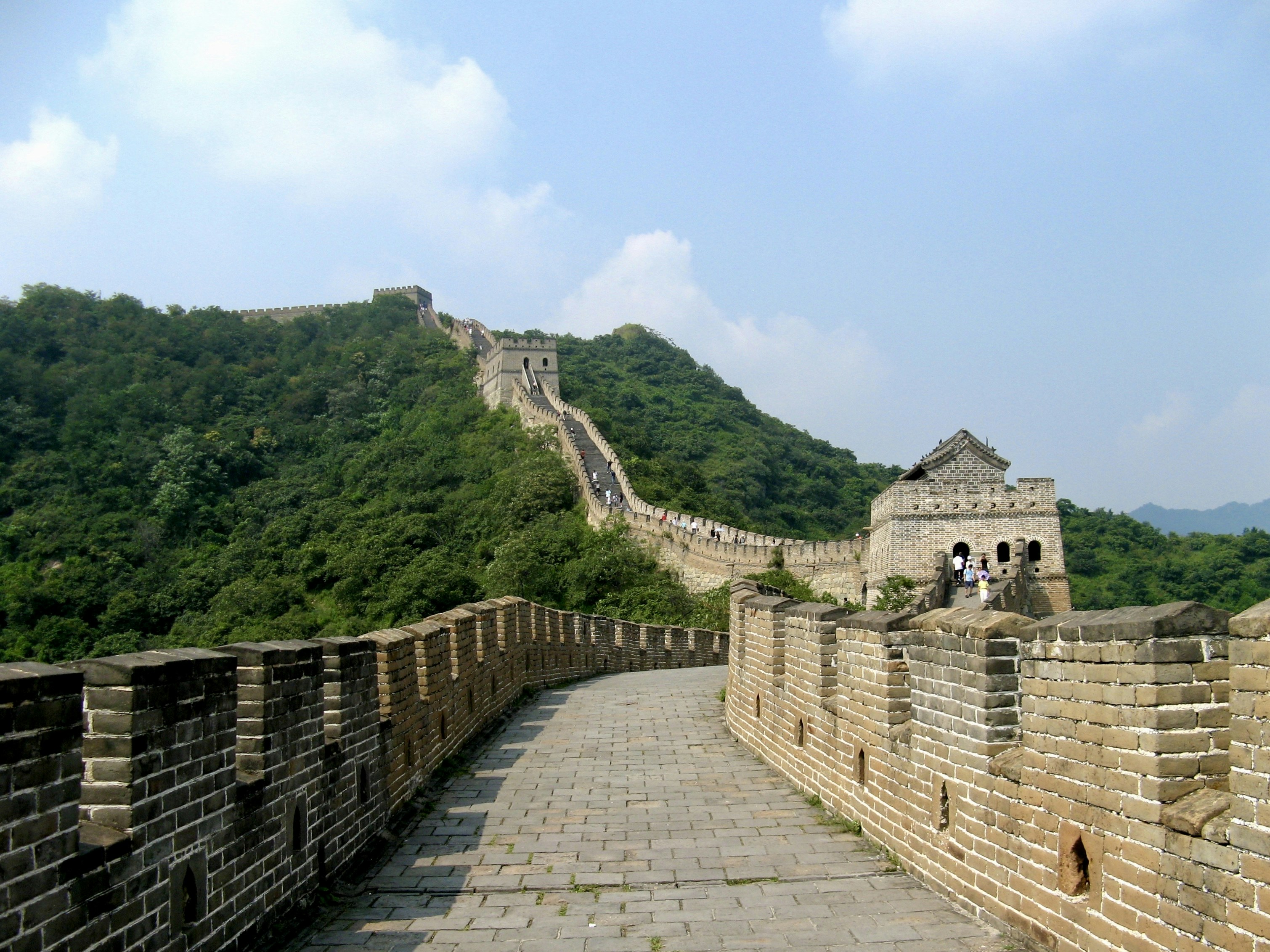
Day 2 is the classic Beijing highlight day: imperial architecture in the morning and the Great Wall in the afternoon. Start early at the Forbidden City; ticket demand is high, so booking ahead is essential, and most visitors spend about 2.5–3 hours inside. After that, walk up to Jingshan Park for the panoramic roofline view over the palace complex, then have lunch nearby in Dongcheng or around Wangfujing for around ¥40–80 if you keep it simple. In the afternoon, head to the Mutianyu Great Wall section, which is widely favored for first-time visitors because it’s scenic and usually less hectic than the busiest sections; transport by private car or tour transfer often costs ¥300–700 total depending on group size, while a combination of public bus and shuttle is cheaper but slower. On site, cable car or chairlift tickets commonly add ¥100–120 each way, and the toboggan ride is an extra thrill if you want it. For dinner, return to the city and try a noodle shop or hotpot spot in Wangfujing or Guijie. A realistic daily budget in 2026 is budget: $70–110, mid-range: $140–230, luxury: $300+, especially once Great Wall transport is included. If you’re using Hello to track costs, this is the day when expense categorization and receipt scanning save the most time.
Day 3 China Travel Plan: Temple of Heaven, a Local Market, and High-Speed Travel Tips
Day 3 balances sightseeing with a slower, more local side of Beijing before you add a second city or an extra neighborhood. Begin in the morning at the Temple of Heaven, where the ceremonial grounds are most enjoyable before the crowds and heat build up; plan about 2 hours for the park, halls, and surrounding gardens. From there, take a short taxi or subway ride to a market such as Panjiayuan Antique Market if it’s a weekend, or a food street like Wangfujing if you prefer snacks and easy browsing; subway rides are usually just a few yuan, while taxis across central Beijing are still affordable for short hops. In the afternoon, choose between a museum stop, a relaxed tea house, or shopping in Sanlitun if you want a more modern Beijing contrast. For your evening meal, budget around ¥60–150 for casual dining or ¥200+ for a polished restaurant. If you’re following a strict China itinerary, this is a good day to regroup, do laundry, or prepare for a departure tomorrow. The main practical tip is to keep your phone connected for navigation, train tickets, and translation; Hello eSIM is especially handy here because it activates before you arrive, so you can land with data already working. Daily budget planning typically lands at budget: $55–90, mid-range: $120–180, luxury: $220–400.
Day 4 China Itinerary: Optional Transfer Day or Chengdu/Shanghai Add-On Logic
Day 4 is best used as a transfer buffer or a second-city extension if you want a more ambitious 5-day China travel plan. For a pure Beijing trip, keep the pace light with a late brunch in Qianmen, a relaxed afternoon in 798 Art District, and an evening walk along Shichahai for sunset and lake views. If you prefer to widen your itinerary, Beijing’s high-speed rail network makes a side trip possible, but within only five days most travelers should avoid adding too many cities because transfers eat into sightseeing time. A high-speed train in China is often the best way to connect major hubs when time matters, but for this itinerary, it makes more sense to spend the day on one city’s neighborhoods rather than rushing elsewhere. Lunch in 798 or Qianmen typically runs ¥40–100, while café stops and entrance fees vary widely by venue. For evening, consider Mongolian hotpot, Beijing-style zhajiang noodles, or a rooftop cocktail if you want a more modern finish. This day is also ideal for checking trip spend in the Hello app: the budget tracker, AI receipt scanning, and multi-currency support make it easy to see whether your Beijing budget is still on target. If you’re comparing hotel areas, Dongcheng is strongest for heritage access, while Chaoyang works better for nightlife and smoother logistics.
Day 5 Common Questions for a China 5 Day Itinerary
Most travelers want to know whether 5 days is enough for China, and the answer is yes if you focus on one region like Beijing. Below are the questions that come up most often when planning a China 5 day itinerary, especially for first-time visitors who want a trip that feels full but not rushed.
| Question | Practical answer |
|---|---|
| Is 5 days enough for China? | Yes, if you focus on one city or one city plus a day trip; Beijing is the easiest choice for first-timers. |
| What is the best neighborhood to stay in? | Dongcheng for history and walkability, Chaoyang for modern hotels and transport convenience. |
| How much should I budget per day? | Roughly $55–110 on a budget, $120–230 mid-range, and $300+ for luxury days with private transport. |
| What transport should I use? | Subway for central sightseeing, taxis for short late-night hops, and pre-booked transfers for the Great Wall. |
| Do I need mobile data? | Yes, especially for maps, rides, translation, and tickets; Hello eSIM is the simplest way to arrive connected. |
A smart final-day plan is breakfast near your hotel, a last look at a hutong or market, and then airport transfer based on your flight time. If you’re traveling with friends, the Hello app can split shared meals and rides automatically, which is especially useful when one person pays for transport or tickets and others reimburse later. For a smooth exit, leave extra time for traffic, security, and the metro or airport express, especially if you’re departing from Beijing Capital Airport or Daxing.
Explore These Destinations
Stay Connected
Book this trip
Compare options on trusted travel sites
Plan stays for this trip
Continue to a reviewed booking partner to check current property details and terms.

Make the most of China
From eSIM connectivity to expense tracking, Hello is the all-in-one companion that keeps your trip stress-free.
Related Articles
China Currency & Money Guide: Exchange, Cards, and Tips
Currency exchange, credit card acceptance, ATM tips, tipping culture, and money-saving advice for China.
25 July 2026
China Safety Guide: Tips for a Safe Trip
Safety tips, health advisories, emergency contacts, common scams, and travel insurance advice for China.
16 July 2026
China Visa & Entry Requirements for Singapore Passport Holders
Visa requirements, passport validity, customs allowances, and entry tips for Singapore citizens travelling to China.
7 July 2026