3 Days in China: A Day-by-Day Itinerary
A detailed 3-day itinerary for China with daily activities, costs, neighborhoods, and transport tips.
By Hello Travel Team
This article contains affiliate links. If you book through them, Hello may earn a commission at no additional cost to you. Our editorial recommendations are independent. Learn more.
- 1
Arrival & Forbidden City and Hutong Explorations
- MorningAirport Express train to central Beijing~$4
- MorningMetro to Tiananmen Square and Forbidden City visit~$10
- AfternoonJingshan Park viewpoint~$2
- AfternoonWangfujing snack street and shopping~$10
- EveningTaxi to Drum Tower hutongs~$5
- EveningPeking duck dinner~$20
Dongcheng (Tiananmen & Forbidden City)WangfujingDrum Tower & Nanluoguxiang hutongsUse the Airport Express (~$4) into the city, then metro (about $1 per ride) and taxis (~$4–$6 per hop) between Dongcheng, Wangfujing, and the Drum Tower hutongs.
Budget$50Mid-range$120Luxury$270 - 2
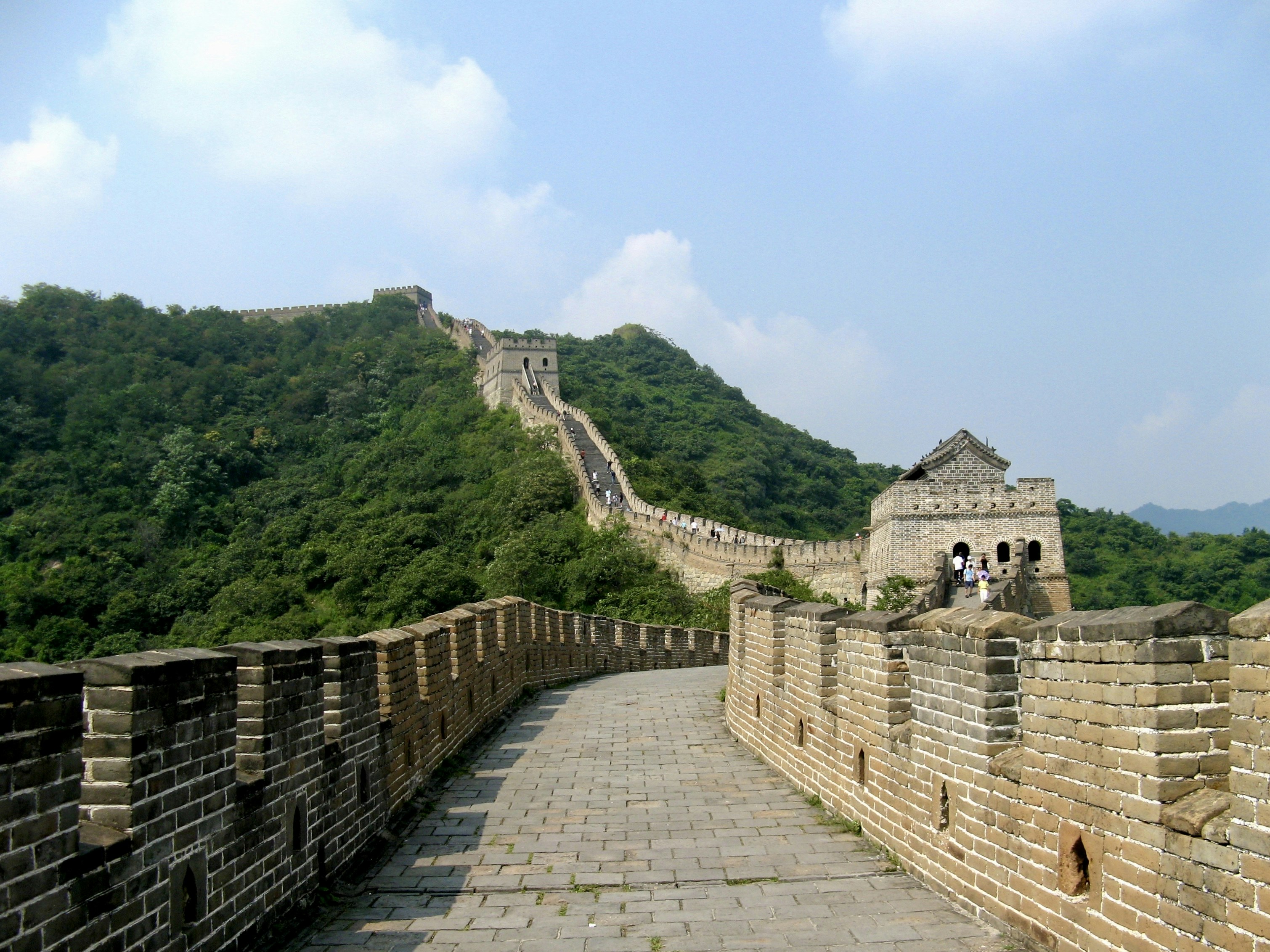
Great Wall Day Trip from Beijing
- MorningTransfer from Beijing to Mutianyu Great Wall (group tour or bus)~$20
- MorningMutianyu Great Wall entry ticket~$8
- AfternoonCable car or chairlift and toboggan (optional)~$18
- AfternoonLunch near the Great Wall~$12
- AfternoonReturn transport to Beijing~$20
- EveningHotpot dinner in central Beijing~$18
Mutianyu (Great Wall area)Chaoyang or Dongcheng (central Beijing dinner)Choose between public buses (cheapest), a group tour coach, or private driver from central Beijing; expect $20–$40 total transport depending on comfort level and whether you book a tour.
Budget$60Mid-range$130Luxury$280 - 3
Temple of Heaven, Summer Palace & 798 Art District
- MorningMetro to Temple of Heaven and park visit~$6
- MorningTemple of Heaven entry~$6
- AfternoonMetro to Summer Palace~$2
- AfternoonSummer Palace entry and boat ride~$12
- AfternoonLunch near Summer Palace~$10
- EveningTaxi to 798 Art District~$8
- EveningCafe stop and dinner in 798 or Sanlitun~$20
Temple of Heaven Park areaHaidian (Summer Palace)798 Art DistrictSanlitunRely on the metro for Temple of Heaven and Summer Palace (around $1 per ride), then take a taxi ($6–$9) to 798 Art District; finish with either taxi or metro back to your hotel.
Budget$40Mid-range$110Luxury$260
Trip Summary
Trip starter
Turn this 3-day itinerary into a Hello trip
Start with a prefilled trip for China, then add dates, invite friends, track expenses, and pick an eSIM before you land.
Name and destination carried into the app.
Split costs and settle up during the trip.
Choose data for the destination before departure.
TL;DR: A Perfect 3-Day China Itinerary in Beijing
A compact 3 days in China is best spent in Beijing, combining the Forbidden City, Great Wall, hutong alleys, and modern art districts, with daily budgets from about $50 (budget) to $270 (luxury) in 2026 and easy metro, taxi, and Hello-powered eSIM connectivity.
This China 3 day itinerary focuses on Beijing, the capital and one of the country’s top city destinations, welcoming millions of international visitors each year; according to China’s Ministry of Culture and Tourism, inbound tourism rebounded strongly through 2024 and 2025. You’ll get a mix of imperial history, local hutong life, and contemporary culture, all within a short break.
Each day is laid out with morning, afternoon, and evening activities, suggested neighborhoods, meal ideas, and realistic transport options with prices in 2026 (like $0.70–$1.20 per metro ride and $4–$8 for most taxi hops). A China travel plan at this level keeps logistics simple while still feeling immersive.
To keep your China itinerary on track, the Hello app is handy for planning and budget tracking, with features like multi-currency expense logging and AI receipt scanning so you always know what you’ve spent in yuan. Pair that with a Hello eSIM for China so you arrive already connected and ready to navigate, translate menus, and hail rides.
Day 1 Beijing Itinerary: Tiananmen, Forbidden City & Hutong Evenings
Day 1 in Beijing is all about orienting yourself, visiting Tiananmen Square and the Forbidden City, then wandering hutong alleys near the Drum Tower, with daily costs typically $50 (budget), $120 (mid-range), or $270 (luxury) including meals and transport in 2026.
Morning (08:00–12:00): Tiananmen Square & Forbidden City
Start early at Tiananmen Square (free, but ID check common), then enter the Forbidden City (Palace Museum). Tickets are about 60–70 CNY in 2026 (roughly $8–$10), pre-bookable online. Plan 2–3 hours to explore key halls and courtyards. From central Beijing hotels, the metro to Tiananmen East/West stations costs around 4 CNY ($0.60).
Afternoon (13:00–17:00): Jingshan Park & Wangfujing
Walk north to Jingshan Park (entry ~10 CNY / $1.50) for panoramic views over the Forbidden City. Grab lunch nearby: a simple local meal (noodles, dumplings) averages 30–50 CNY ($4–$7) in 2026. Head to Wangfujing for shopping and snacks; metro rides here are again about 4–6 CNY.
Evening (18:00–21:30): Hutongs & Peking Duck
Take a taxi or DiDi to the Drum Tower/Nanluoguxiang area (~25–35 CNY / $4–$5 from Wangfujing) and wander hutongs at sunset. A classic Peking duck dinner ranges from 120 CNY at a casual spot to 300+ CNY ($17–$40) at famous restaurants.
For day one of your China trip planner, use the Hello app’s voice expense entry and AI categorization to log tickets, meals, and taxis in yuan, keeping your China travel plan on budget without manual spreadsheets.
Day 2 China 3 Day Itinerary: Great Wall Adventure from Beijing
Day 2 of your China 3 day itinerary is your Great Wall day trip, most efficiently done from Beijing to Mutianyu or Badaling, with typical total costs from about $60 (budget buses) to $200+ (private driver or tour) per person in 2026.
Morning (07:00–12:00): Transfer to Mutianyu
Mutianyu is popular for first-time visitors: slightly less crowded than Badaling, good facilities, and panoramic views. Entry tickets are around 40–50 CNY ($6–$7) in 2026, with optional cable car or chairlift at roughly 100–120 CNY ($14–$17) return. You can:
- Take a public bus combo for ~40–60 CNY ($6–$8) total one-way.
- Join a group tour from central Beijing, often 350–500 CNY ($50–$70) including transport and entry.
Afternoon (12:00–16:00): Hiking & Views
Spend 2–3 hours hiking along the restored wall sections. Bring water and snacks; onsite food is slightly pricier (a basic meal 50–80 CNY / $7–$11). According to several China tourism boards, the Great Wall around Beijing receives tens of millions of visitors annually, so visiting early or on weekdays cuts crowding.
Evening (17:00–21:00): Return & Hotpot Dinner
Return to Beijing by late afternoon. Traffic can make the drive 1.5–2 hours. End your day with a warming Chinese hotpot meal: expect 80–150 CNY per person ($11–$21) for mid-range restaurants in 2026.
If you’re splitting a Great Wall tour cost with friends, Hello’s expense splitting feature handles multi-currency conversions automatically, which is perfect when some of your group budgets in USD and others in EUR but pay locally in CNY.
Day 3 Beijing City Plan: Temple of Heaven, Summer Palace & Modern Art
Day 3 balances traditional culture and modern creativity, combining the Temple of Heaven, Summer Palace, and Beijing’s 798 Art District, with daily spending often around $40–$100 depending on where you eat and how you move around the city.
Morning (08:00–12:00): Temple of Heaven & Park Life
Start at the Temple of Heaven (entry ~30–40 CNY / $4–$6). The surrounding park is famous for morning exercises, tai chi, and local music groups. According to Beijing municipal tourism data, this is one of the city’s most visited heritage parks, ideal for observing everyday local life.
Afternoon (13:00–17:00): Summer Palace
Take the metro to Beigongmen station (~4–6 CNY) for the Summer Palace. Entry tickets are generally 45–60 CNY ($6–$9) in 2026, with optional boat rides on Kunming Lake adding 30–50 CNY ($4–$7). Plan 2–3 hours for lakeside walks and hill views. A casual lunch nearby—noodles, stir-fries and tea—runs about 40–70 CNY ($6–$10).
Evening (17:30–21:30): 798 Art District & Modern Beijing
Head to 798 Art District by taxi (about 40–60 CNY / $6–$9 from Summer Palace). Explore galleries, street art, and design stores. Coffee or craft cocktails will be closer to international prices: expect 40–70 CNY for specialty drinks ($6–$10). Finish with dinner in Sanlitun or 798, budgeting 80–150 CNY ($11–$21) per person.
Use the Hello app’s budget tracking to compare your planned China itinerary costs with real spending, using automatic exchange rates from CNY to your home currency so you know if you’re under or over your daily target.
Transport, Connectivity and Daily Budget Planning in Beijing
A practical China travel plan in Beijing relies on the metro, taxis, and a Hello eSIM, with most visitors spending roughly $50–$100 per day on transport, food, and sights, depending on comfort level and how many paid attractions you include.
Metro & Buses
Beijing’s metro is fast and affordable: rides usually cost 3–7 CNY ($0.40–$1.00) based on distance in 2026. Buses are even cheaper but slower and less tourist-friendly if you don’t read Chinese. For direct airport access, the Airport Express train to downtown is around 25 CNY ($3.50). Having maps and translation apps always on via a Hello eSIM for China helps you navigate and read station names.
Taxis & Ride-Hailing
Taxis start around 13 CNY ($1.80) plus distance, so typical city rides land between 25–60 CNY ($4–$9). Ride-hailing apps can be similar or slightly cheaper. Always keep hotel addresses in Chinese characters on your phone for drivers.
Meal & Sight Budgets
In 2026, budget travelers can keep food costs at 80–120 CNY per day ($11–$17) using local eateries and street food, while mid-range diners might spend 150–250 CNY ($21–$35) including coffee and desserts.
The Hello app’s AI receipt scanning and bank statement import (CSV/PDF) make it easy to aggregate what you’ve spent on metro cards, taxis, and meals, turning your rough China trip planner into a precise record you can review after the trip.
Comparing Budget Levels for Your 3-Day Beijing Trip
For a 3-day China itinerary in Beijing, most travellers spend about $150 on a budget, $350 mid-range, or $800 for a luxury stay, covering accommodation, food, local transport, and core attractions in 2026.
Here’s a simple comparison of typical per-day budgets for this China travel plan:
| Tier | Daily Budget (USD, 2026) | Accommodation | Meals & Snacks | Transport & Sights |
|---|---|---|---|---|
| Budget | $50 | Hostel/basic guesthouse | Street food, small local eateries | Metro, occasional taxi, main paid sights |
| Mid-range | $120 | 3–4 star hotel | Mix of local & mid-range restaurants | Metro + taxis, all major sights, some extras |
| Luxury | $270 | 5-star hotel / boutique | Upscale restaurants, bars, cafes | Private drivers, tours, premium experiences |
Across three days, that roughly totals $150, $360, and $810 respectively. China’s national tourism statistics have highlighted Beijing and Shanghai as leading destinations for international visitors, with spending varying heavily by style of travel.
If you’re travelling with friends and sharing hotel rooms or private drivers, Hello’s expense splitting with automatic exchange rates ensures everyone pays their fair share in their own currency without awkward calculations, a big plus when group costs stack up across multiple days.
Common Questions About a 3-Day China Itinerary in Beijing
Three days in Beijing is enough for a highlights-focused China itinerary, covering key sites like the Forbidden City and Great Wall while giving you a taste of hutong culture and modern neighborhoods if you plan your time and budget carefully.
Is 3 days enough for Beijing?
Yes, 3 days is enough for a solid overview: day 1 for central sights, day 2 for the Great Wall, and day 3 for parks and modern districts. You won’t see everything, but this China 3 day itinerary hits the essentials.
How much should I budget per day in 2026?
Plan around $50 per day if you stay in hostels and eat simply, $100–$130 for comfortable mid-range travel, and $250+ for luxury hotels and private tours. These figures include food, local transport, and usual entry fees.
Do I need cash, or is mobile payment okay?
Cards and mobile payments are increasingly accepted, but having some cash (CNY) is still useful, especially in smaller shops or older hutongs. With a Hello eSIM, you can access your banking apps and QR payments more reliably.
How do I keep track of my spending?
Instead of manual notes, use the Hello app’s multi-currency tracking—log spending in CNY, let the app convert to your home currency, and see if your China trip planner matches reality.
Where can I learn more about travelling in China?
Check the dedicated China destination page on travelwithhello.com for practical tips, updated data plans, and more route ideas before finalizing your China travel plan.
Explore These Destinations
Stay Connected
Book this trip
Compare options on trusted travel sites
Plan stays for this trip
Continue to a reviewed booking partner to check current property details and terms.

Make the most of China
From eSIM connectivity to expense tracking, Hello is the all-in-one companion that keeps your trip stress-free.
Related Articles
China Currency & Money Guide: Exchange, Cards, and Tips
Currency exchange, credit card acceptance, ATM tips, tipping culture, and money-saving advice for China.
25 July 2026
China Safety Guide: Tips for a Safe Trip
Safety tips, health advisories, emergency contacts, common scams, and travel insurance advice for China.
16 July 2026
China Visa & Entry Requirements for Singapore Passport Holders
Visa requirements, passport validity, customs allowances, and entry tips for Singapore citizens travelling to China.
7 July 2026