Getting Around Burkina Faso: Transport Guide for Travellers
Airport transfers, public transport, ride-hailing apps, inter-city travel, and driving tips for Burkina Faso.
By Hello Travel Team
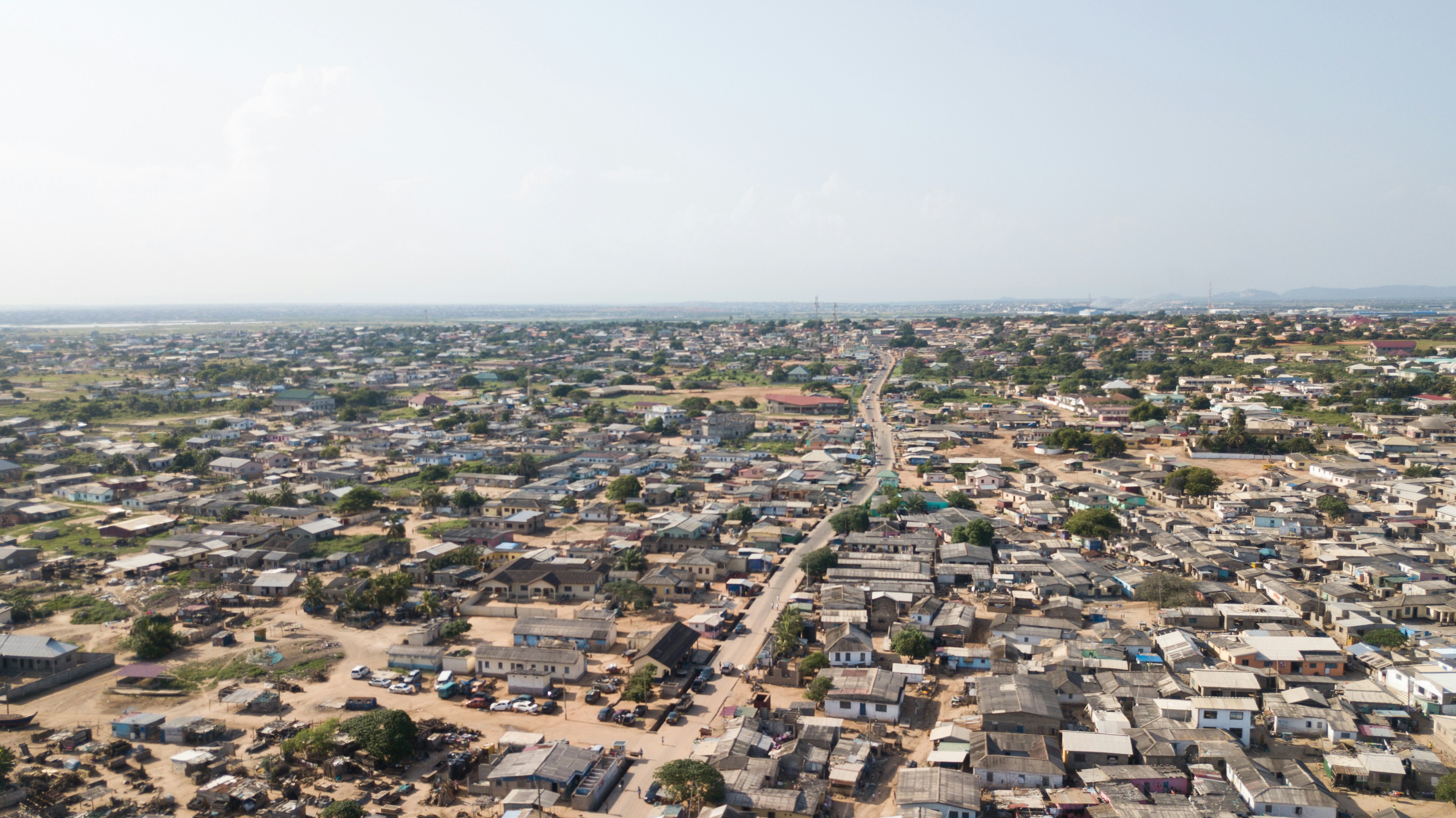
TL;DR: How to Get Around Burkina Faso in 2026
Getting around Burkina Faso in 2026 is affordable but informal: expect cash-based, negotiable fares, limited apps, and a mix of buses, moto-taxis, and shared cars, with Ouagadougou as the main hub. Plan ahead, keep small CFA notes handy, and arrive with mobile data for maps and messaging.
Most travellers base themselves in Ouagadougou or Bobo-Dioulasso, then move around by a combination of airport taxis, urban buses, moto-taxis, and intercity coaches. Airport transfers from Ouagadougou International Airport to the city centre typically cost 4,000–10,000 CFA (about $6–$16 USD in 2026) depending on bargaining and whether you book via your hotel, according to recent traveller-focused transport guides.
Urban public transport is centred on SOTRACO buses in Ouagadougou, where single rides run roughly 200–500 CFA (around $0.30–$0.80 in 2026) and routes cover most main districts. Moto-taxis and informal taxis fill the gaps, with short rides in cities commonly 500–1,000 CFA and cross-town trips 2,000–4,000 CFA.
There is no metro system and train services are limited, so inter-city travel is mostly by bus and shared taxis, with longer routes from Ouagadougou to regional towns usually costing 5,000–15,000 CFA depending on distance and comfort level. Because ride-hailing apps are still emerging, having mobile data via a Hello eSIM for Burkina Faso makes it much easier to use maps, contact drivers, and coordinate shared rides with friends.
If you plan to drive, bring an International Driving Permit, expect checkpoints, and allow extra time: roads between major cities are generally paved, but night driving is discouraged due to poor lighting and livestock on the road.
Burkina Faso Airport Transfers: From Ouagadougou Airport to the City
Airport transfers in Burkina Faso are straightforward and inexpensive: from Ouagadougou Airport to the city centre, a negotiated taxi fare of 4,000–7,000 CFA ($6–$11 in 2026) is considered fair, while pre-arranged hotel pickups can run 10,000–15,000 CFA ($16–$24) per car.
Ouagadougou International Airport (OUA) sits only about 5 km from the city centre, so you’ll be in town within 10–20 minutes under normal traffic. Taxis are unmetered, and drivers typically start with a high price when they see foreign travellers. Recent 2026 airport transfer guides put typical taxi fares to central Ouagadougou in the 3,000–5,000 CFA range for experienced negotiators, with 5,000–8,000 CFA to areas like Ouaga 2000 or Zone du Bois.
Most mid-range and higher-end guesthouses in Ouagadougou and Bobo-Dioulasso can arrange a private airport pickup, quoting around 10,000–15,000 CFA per car in 2026. That’s the simplest option if you’re arriving late at night or with heavy luggage, and you get a fixed price in advance.
Here’s a quick comparison to help you choose:
| Option | Typical Price (2026) | Pros | Cons | | Taxi from rank | 4,000–7,000 CFA | Cheapest if you bargain; flexible | Requires negotiation; cash only | | Hotel-arranged car | 10,000–15,000 CFA | Fixed price; safer; driver waits for you | More expensive; must pre-book | | Pre-booked transfer service | ~20–35 EUR equivalent | Price locked, often English-speaking driver | Higher cost; usually booked online |
Whichever you choose, confirm the total price before you get in, pay in cash (CFA), and keep small notes ready. Having mobile data via a Hello eSIM makes it easy to check map distances and ensure the route looks reasonable.
Burkina Faso Public Transport: Buses, Moto-Taxis, and Everyday Travel
Public transport in Burkina Faso is dominated by buses and moto-taxis, with Ouagadougou’s SOTRACO network offering the most structured service: expect single tickets around 200–500 CFA ($0.30–$0.80 in 2026) for standard routes and higher fares for longer intercommunal lines.
Burkina Faso does not have metro systems like Japan or Thailand; instead, urban mobility relies on surface transport. In Ouagadougou, the state-backed operator SOTRACO runs green buses over a network of around 460 km with roughly 18 lines, including intercommunal routes to nearby towns such as Ziniaré and Koubri, according to recent transport ministry updates. A ticket for routes like Ouaga–Pabré is quoted at 500 CFA, and similar suburban trips sit in the 300–700 CFA band.
Day passes are not common; most locals pay per ride in cash. For students, subscription passes are managed online through national education platforms, but these are usually not relevant to short-stay visitors.
Moto-taxis fill gaps where buses don’t reach. They’re popular for quick urban trips, typically 300–1,000 CFA per ride depending on distance, with helmets sometimes provided but not always enforced. For travellers, moto-taxis are best for short hops in daylight when traffic is heavy, as they weave through congestion.
Here’s a simple overview of everyday transport options:
| Mode | Typical Fare (2026) | Best For | Key Tips | | SOTRACO bus | 200–500 CFA | Budget travel across city | Carry small change; ask locals for route numbers | | Moto-taxi | 300–1,000 CFA | Short, fast trips | Agree price before riding; wear a helmet if available | | City taxi | 2,000–4,000 CFA | Cross-town journeys | No meter; negotiate; pay in cash |
For planning routes, locals often rely on word-of-mouth rather than timetables; using the Hello app with an eSIM from Hello gives you maps and translation tools to ask for directions and track your bus or moto route.
Ride-Hailing Apps, Taxis, and Staying Connected on the Road
Ride-hailing apps are still limited in Burkina Faso in 2026, so most travellers rely on street taxis, moto-taxis, and informal ride arrangements, making mobile data crucial for maps, messaging drivers, and coordinating meetups.
Unlike major African capitals with established platforms, Ouagadougou and Bobo-Dioulasso currently have a more informal system where you either call a trusted driver, ask your hotel to arrange a car, or hail taxis and moto-taxis from the street. Some local apps and WhatsApp-based driver networks exist, but global brands such as Grab, Bolt, and Uber are either absent or only in very early, localized testing.
Because you won’t always be able to tap a button to order a ride, you’ll often:
- Ask your guesthouse or restaurant to call a driver they know.
- Use WhatsApp or phone calls to reach a driver contact.
- Negotiate a price at the roadside taxi stand.
In all these scenarios, having mobile data is what makes your life easier—especially for checking real-time traffic, sharing your live location, and ensuring you’re heading to the right neighbourhood. An eSIM from Hello lets you arrive in Burkina Faso already connected, with plans starting from 5GB and instant activation, so you can open maps and messaging as soon as you land.
The Hello app also helps if you’re sharing rides with friends: its expense splitting feature tracks multi-currency costs and automatically converts CFA into your home currency, which is handy when you’re paying cash for taxis and sorting out who owes what at the end of the day.
Inter-City Travel in Burkina Faso: Buses, Shared Taxis, and Routes
Inter-city travel in Burkina Faso relies on coaches, minibuses, and shared taxis, with typical fares between major cities ranging from 5,000–15,000 CFA ($8–$24 in 2026) depending on distance, vehicle quality, and demand.
Ouagadougou acts as the main hub for long-distance travel, with bus companies and shared taxi stations clustered around key transport yards. While detailed national tariff tables vary, regional data from West Africa shows that intercity bus prices often sit between 3,000–10,000 CFA for medium-length routes, and 10,000–15,000 CFA or more for very long journeys approaching a full day of driving.
In practice, you’ll find:
- Standard intercity buses: older vehicles, but cheap, departing at fixed times.
- Comfort or VIP coaches: slightly higher fares, more legroom and sometimes air conditioning.
- Shared taxis (known locally as bush taxis): faster but more cramped, leaving when full.
Example fares you might encounter in 2026 include roughly 6,000–8,000 CFA from Ouagadougou to Bobo-Dioulasso and 3,000–5,000 CFA for shorter regional hops, based on typical West African pricing bands.
To compare options, think in terms of cost versus comfort:
| Mode | Typical Fare (2026) | Comfort Level | Notes | | Standard bus | 3,000–8,000 CFA | Basic | Slower, can be crowded; buy tickets early | | VIP/comfort coach | 8,000–15,000 CFA | Higher | AC more likely; reserved seats possible | | Shared taxi | 4,000–12,000 CFA | Variable | Leaves when full; faster but cramped |
Buy tickets a day in advance for popular routes, especially before weekends or holidays. Burkina Faso welcomed over 600,000 international and regional visitors in mid-2020s estimates, and peak travel periods can sell out quickly. Keep cash ready, and photograph your ticket for easy tracking in the Hello app’s budget tools.
Driving and Car Rental in Burkina Faso: Safety, Permits, and Practical Tips
Driving in Burkina Faso is possible for visitors with an International Driving Permit plus your home licence, but conditions are challenging, and most travellers opt for drivers or taxis rather than self-drive rentals in 2026.
Major intercity roads between Ouagadougou and larger towns are generally paved, but you’ll still encounter potholes, speed bumps, livestock on the road, and occasional checkpoints. Night driving is strongly discouraged due to limited street lighting, unpredictably parked vehicles, and pedestrians along the roadside.
If you do decide to rent a car, expect:
- Daily rental rates around 25,000–45,000 CFA ($40–$70 in 2026) for basic vehicles.
- Extra charges for 4x4s, which are recommended if you’re heading onto rough rural tracks.
- Common practice to rent with a driver, which can add 10,000–20,000 CFA per day but greatly reduces stress.
Fuel prices fluctuate, but mid-2020s data from West Africa shows petrol often in the 750–1,000 CFA per litre range (around $1.20–$1.60). Always carry some cash for fuel in smaller towns where card payments may not be accepted.
Key driving tips:
- Carry your passport, International Driving Permit, and insurance documents at all times.
- Respect speed limits, especially near villages and checkpoints.
- Avoid driving after dark; plan journeys to arrive before sunset.
Use offline-friendly maps, but also keep mobile data active through a Hello eSIM so you can reroute around roadworks, get live traffic updates in Ouagadougou, and share your trip details with friends or guesthouse staff for safety.
Common Questions About Getting Around Burkina Faso (2026 Q&A)
Most travellers ask the same core questions about getting around Burkina Faso, and in 2026 the answers centre on cash, negotiation, and planning ahead rather than app-based transport or fixed-price systems.
Q: How much is a taxi from Ouagadougou Airport to the city?
A: A fair negotiated fare to central Ouagadougou is 4,000–7,000 CFA ($6–$11 in 2026). Experienced locals sometimes pay 3,000–5,000 CFA, while hotel-arranged cars usually cost 10,000–15,000 CFA.
Q: Is there a metro or train I can use in Ouagadougou?
A: No metro system exists, and passenger trains are limited. For everyday travel, you’ll use SOTRACO buses, moto-taxis, and regular taxis, with bus tickets around 200–500 CFA per ride.
Q: Are ride-hailing apps like Uber available?
A: Global ride-hailing apps are not widely available as of 2026. You’ll mostly hail taxis from the street, ask your hotel to call a trusted driver, or coordinate rides via phone and WhatsApp.
Q: Is public transport safe for tourists?
A: Buses and moto-taxis are the backbone of local travel. They’re generally safe if you use common sense—keep valuables secure, avoid very late-night rides, and follow local advice about neighbourhoods.
Q: Do I need an International Driving Permit?
A: Yes, you should carry an International Driving Permit plus your national licence if you plan to drive or rent a car, and expect occasional roadside checks.
Q: How can I track my transport spending?
A: The Hello app lets you scan receipts in any language, log cash taxi fares by voice, and automatically convert CFA to your home currency. That’s handy in a country where almost all transport—from buses to moto-taxis—is paid in cash.
If you’d like to stay connected during your trip, you can explore Hello eSIM for Burkina Faso to arrive with data ready for maps, messaging, and ride coordination.
Explore These Destinations
Stay Connected
Stay connected in Burkina Faso
Get an eSIM before you land. Hello gives you instant data in 200+ countries — no SIM swaps, no roaming fees.
Related Articles
Burkina Faso Currency & Money Guide: Exchange, Cards, and Tips
Currency exchange, credit card acceptance, ATM tips, tipping culture, and money-saving advice for Burkina Faso.
25 July 2026
Burkina Faso Safety Guide: Tips for a Safe Trip
Safety tips, health advisories, emergency contacts, common scams, and travel insurance advice for Burkina Faso.
16 July 2026
Burkina Faso Visa & Entry Requirements for Singapore Passport Holders
Visa requirements, passport validity, customs allowances, and entry tips for Singapore citizens travelling to Burkina Faso.
7 July 2026