Benin Travel Budget Guide: Daily Costs and Money Tips
How much does it cost to travel in Benin? Daily budget breakdowns for budget, mid-range, and luxury travellers.
By Hello Travel Team
This article contains affiliate links. If you book through them, Hello may earn a commission at no additional cost to you. Our editorial recommendations are independent. Learn more.
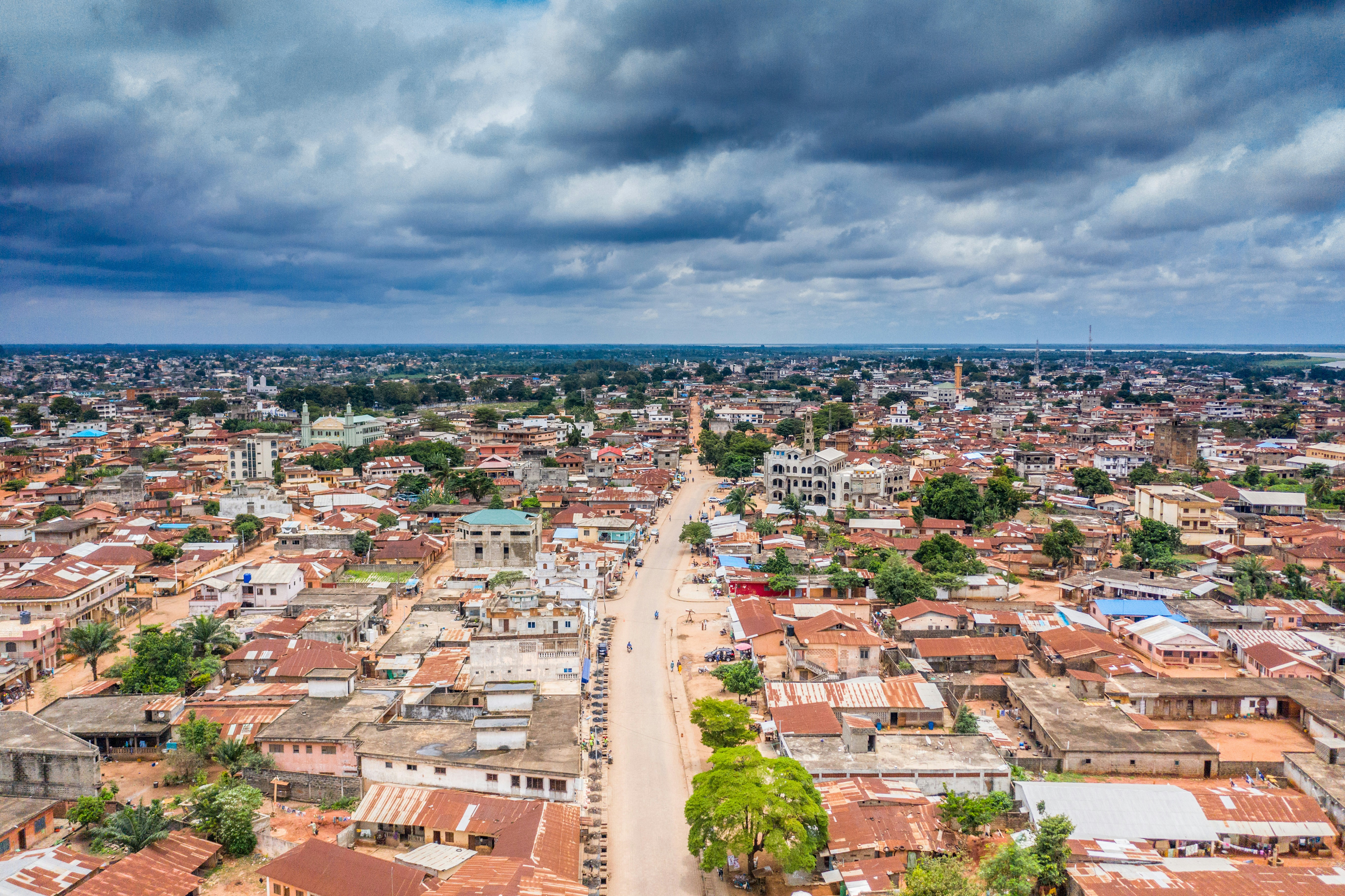
TL;DR: How Much Does a Benin Trip Cost in 2026?
A Benin trip cost can be surprisingly manageable if you travel simply, with budget travellers spending about $18–62 per day, mid-range visitors around $82–210 per day, and luxury travellers $250–730 per day in 2026. A balanced trip usually lands near $75–110 per day, depending on your hotel choice, transport, and how often you book guided activities or private cars. According to travel budget guides for Benin, that daily figure typically covers accommodation, three meals, local transport, and a few modest activities.
Benin Travel Cost Breakdown by Traveller Type
A realistic Benin budget guide starts with the kind of trip you want, because lodging and transport drive most of the price difference. In 2026, a backpacker can keep daily spend low by using guesthouses, street food, and public transport, while a comfort-focused traveller pays much more for air-conditioned rooms, private transfers, and guided excursions.
| Traveller type | Daily budget | Typical inclusions |
|---|---|---|
| Budget | $18–62 | Simple room, local meals, shared transport, low-cost activities |
| Mid-range | $82–210 | Comfortable hotel, mixed local and nicer restaurants, taxis or private transfers |
| Luxury | $250–730 | Upscale hotel, private driver, fine dining, guided experiences |
A useful local reference point is the CFA franc: budget solo travellers can manage around 25,000 CFA ($40) per day, while mid-range travellers often plan 50,000–70,000 CFA ($80–115) daily. If you want a more comfortable pace in places like Cotonou, Ouidah, or Abomey, budget extra for last-minute taxi rides and sightseeing fees.
Daily Expenses in Benin: Hotels, Food, Transport, and Activities
The biggest Benin daily expenses are usually accommodation and transport, while food is often cheaper than first-time visitors expect. Hostel beds or simple guesthouse rooms are commonly quoted around $30–50 per night, basic rooms for two at $50–150, and hotel rooms at $95–460 depending on comfort level and location.
Food can be very affordable if you eat locally. Expect coffee at $2–5, a sandwich at $5–7, dinner for two at $30–50, and a beer at $5–8 in many traveller-focused spots. Local transport is also accessible: shared rides and public transport tickets can start from about $5, while short zemidjan moto-taxi rides are often much cheaper for everyday use. For activities, budget travellers can focus on free or low-cost experiences such as beaches, markets, and historic streets, while mid-range travellers may add museum visits, cultural tours, or day trips.
A practical sample day in Cotonou might be: room $45, meals $20, transport $10, and activities $15, bringing you to about $90 before extras. That is why many travellers find Benin sits in the middle ground: not ultra-cheap, but still good value if you plan well.
How Much Benin Trip Cost for 3, 5, or 7 Days?
Your total how much Benin trip cost question depends on trip length, and the numbers scale quickly once accommodation is included. A short city-and-culture trip can stay modest, while a longer itinerary with guided touring, private transfers, and nicer hotels will raise the bill fast.
| Trip length | Budget | Mid-range | Luxury |
|---|---|---|---|
| 3 days | $54–186 | $246–630 | $750–2,190 |
| 5 days | $90–310 | $410–1,050 | $1,250–3,650 |
| 7 days | $126–434 | $574–1,470 | $1,750–5,110 |
These ranges are simple multiplications of the daily spend bands often cited for Benin travel in 2026. If you are travelling as a couple, some costs become easier to share, especially rooms and taxis, so your per-person total may drop a little. On the other hand, if you want a private driver for trips beyond Cotonou or extra comfort in resort-style stays, your total can jump above the midpoint very quickly. For travellers planning a full week, a sensible everyday target is around $75 per day for a balanced trip, then add more for special tours or nicer dining.
Money Tips for Benin: Cash, Currency, and Staying Connected
The smartest Benin budget guide tip is to carry enough cash for daily life, because many small purchases are easier in CFA francs than by card. In Benin, it helps to break larger notes early, keep smaller bills for taxis and markets, and track spending by category so food, transport, and activities do not blur together. If you are travelling with friends, Hello’s expense splitting and budget tracking tools can make shared hotel, fuel, and restaurant costs much easier to settle.
For connectivity, it is convenient to arrive ready to use maps, ride apps, and bookings without hunting for a local SIM at the airport. A Hello eSIM lets you get connected before you land, which is especially useful if you are managing transport in busy areas like Cotonou or checking opening times for sites in Ouidah and Abomey. You can also compare live plan pricing on the Hello eSIM for Benin page before departure.
A good money habit is to set a daily cap in your app before you start sightseeing. If your target is $100 per day, try to allocate it in advance: $40 lodging, $25 meals, $15 transport, $10 activities, $10 buffer. That simple split makes overspending much easier to spot.
Common Questions About Benin Travel Cost
The most common answer to Benin travel cost questions is that Benin is affordable for careful travellers and comfortably mid-priced for travellers who want more convenience. Here are the questions people ask most when planning a trip.
How much does a budget traveller spend in Benin per day? A budget traveller can usually spend $18–62 per day, with some solo travellers managing around 25,000 CFA ($40) daily when using simple rooms, local meals, and public transport.
Is Benin expensive for mid-range travellers? Not especially, but the comfort level changes the price quickly. A mid-range traveller should plan on roughly $82–210 per day, with many practical itineraries landing near $90–115 per day.
What is the biggest cost in Benin? Accommodation is usually the biggest daily expense, followed by transport if you hire private cars or take frequent taxis.
Can I travel Benin on a week-long budget? Yes. A 7-day budget trip can stay in the $126–434 range depending on style, while a mid-range week is often $574–1,470. The best savings usually come from choosing local food, staying in one city for longer, and booking transport carefully.
Explore These Destinations
Book this trip
Compare options on trusted travel sites
Plan flights for this trip
Continue to a reviewed booking partner to check current routes, fares, and terms.

Track your Benin trip budget
Split expenses with friends, track spending by category, and see real-time currency conversions — all in one app.
Related Articles
Benin Currency & Money Guide: Exchange, Cards, and Tips
Currency exchange, credit card acceptance, ATM tips, tipping culture, and money-saving advice for Benin.
24 July 2026
Benin Safety Guide: Tips for a Safe Trip
Safety tips, health advisories, emergency contacts, common scams, and travel insurance advice for Benin.
16 July 2026
Benin Visa & Entry Requirements for Singapore Passport Holders
Visa requirements, passport validity, customs allowances, and entry tips for Singapore citizens travelling to Benin.
6 July 2026