Getting Around Azerbaijan: Transport Guide for Travellers
Airport transfers, public transport, ride-hailing apps, inter-city travel, and driving tips for Azerbaijan.
By Hello Travel Team
This article contains affiliate links. If you book through them, Hello may earn a commission at no additional cost to you. Our editorial recommendations are independent. Learn more.
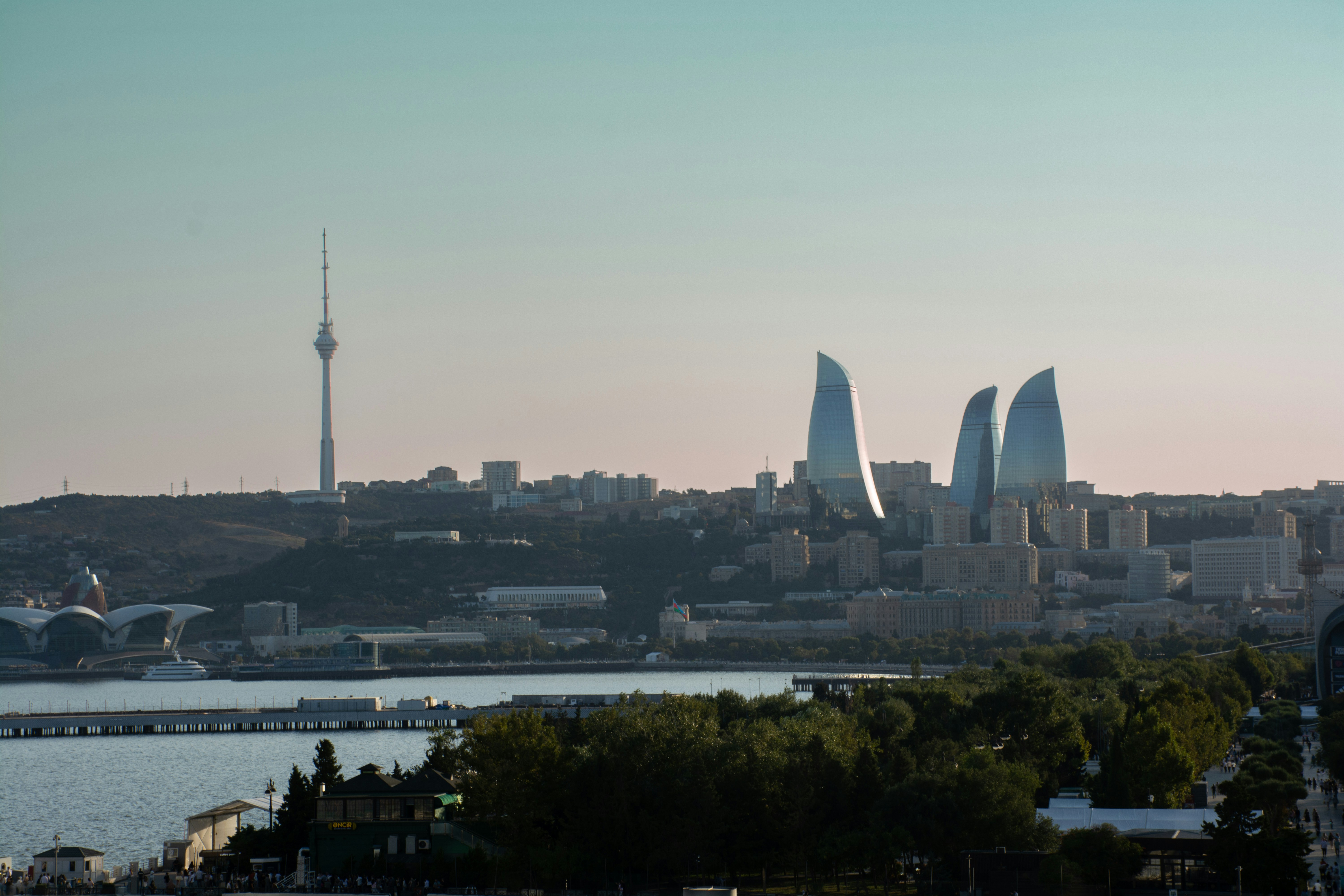
TL;DR: How to get around Azerbaijan as a visitor
Getting around Azerbaijan is straightforward: use the H1 airport bus or taxis from Baku Airport, BakiKart for metro and buses in Baku, ride-hailing apps like Bolt and Uber for flexible trips, and trains or coaches for inter-city travel, with driving as an option for confident road users.
For most visitors, a simple combo works best: H1 Aero Express bus from Baku Airport into the city, Baku Metro and city buses for everyday sightseeing, and ride-hailing apps at night or when you’re short on time. Inter-city buses and trains connect Baku with major cities such as Ganja and Sheki at reasonable prices, and car rental is available if you want maximum freedom.
Staying connected is key, especially for using ride-hailing and navigation apps. An eSIM from Hello lets you arrive in Azerbaijan with mobile data already active, so you can order a Bolt at the airport and follow live directions without hunting for Wi‑Fi.
Overall daily transport costs in Baku are low compared with many European capitals: most local rides cost under $1, airport transfers range from about $1–$20 depending on comfort, and long-distance buses and trains are often under $15–$25 per journey in 2026.
Azerbaijan airport transfers: Baku arrivals, costs, and best options
The easiest way to get from Baku Heydar Aliyev International Airport to the city is the H1 Aero Express bus for budget travellers or a taxi/ride-hail for comfort, with typical 2026 prices ranging from about 1.30 AZN on the bus to 30–35 AZN for official taxis into central Baku.
The H1 Aero Express bus runs 24 hours a day between the airport and central Baku (around 28 May metro station). A single ride paid with a reloadable BakiKart transport card costs about 1.30 AZN (under $1), while a single-use paper card is usually 1.50 AZN. These prices are widely reported by recent airport transfer guides and local transport portals as of mid‑2026.
If you prefer a direct ride, official airport taxis typically charge around 30–35 AZN ($18–20) to central areas such as Fountain Square or the Old City, according to several 2025–2026 airport transport price guides. Ride-hailing services like Bolt or Uber are usually cheaper, with recent estimates putting most airport–city trips in the 15–25 AZN ($9–15) range depending on car category and demand.
For groups or travellers arriving late at night, pre-booked private transfers in a standard sedan generally cost $20–40 USD in 2026, with higher rates for vans or premium cars. Many guides warn that unlicensed taxis can charge 40–60+ AZN, so it’s best to use official taxis or ride-hailing apps.
Using a Hello eSIM for Azerbaijan means you can land with mobile data ready, open your ride-hailing app immediately, and track your driver without needing airport Wi‑Fi or a local SIM.
Azerbaijan public transport: metro, buses, and BakiKart payment
Baku’s public transport system is built around the metro and a dense bus network, both paid using the BakiKart stored-value card, with typical 2025–2026 fares of about 0.60 AZN per metro ride and 0.30 AZN for standard city buses, making daily travel extremely affordable for visitors.
The Baku Metro is the backbone of public transport in the capital, serving key districts and tourist areas. Azerbaijan’s Ministry of Digital Development and Transport approved new fares in late 2025, setting a flat metro fare of 0.60 AZN per ride (60 qepik), regardless of distance. Older sources listed 0.20 AZN per trip, so make sure you check station boards or official notices, but recent updates indicate 0.60 AZN is the current standard.
City buses cover areas not served by the metro, including suburbs and some coastal routes. Local travel sites report typical in-city bus fares of 0.30 AZN for standard routes, and 0.30–0.50 AZN for longer trips to outlying districts and villages. Payment is mostly cashless: you tap your BakiKart at the machine when boarding.
A BakiKart card itself usually costs around 2 AZN to purchase at terminals and vending machines, according to previous announcements by Baku’s transport authorities and news reports. You then top it up with credit as needed at metro stations, bus hubs, and airport machines.
Because signage and announcements are often in Azerbaijani and sometimes Russian, having mobile data helps you double-check routes in navigation apps. An eSIM from Hello lets you use Google Maps or local journey planners without worrying about roaming charges.
Ride-hailing apps and taxis in Azerbaijan: Bolt, Uber, and local cabs
The most convenient way to get around Baku beyond public transport is ride-hailing through Bolt or Uber, backed up by official violet taxis, with typical 2026 city rides costing 3–10 AZN and airport trips 15–25 AZN, depending on time of day, distance, and car type.
In Baku, Bolt is widely used and often recommended by local transfer guides as a cheaper alternative to airport taxis, with airport–city rides commonly cited at 10–25 AZN. Uber also operates in the city, providing similar pricing structures with dynamic fares during peak hours. For short in-city hops, you can expect to pay roughly 3–8 AZN for most central journeys.
Outside Baku, ride-hailing coverage is more limited but still available in some larger cities and tourist hubs. Where apps are less reliable, you’ll likely rely on local taxis. Official Baku taxis, often the well-known violet London-style cabs, historically have a starting fare of around 1 AZN with per‑kilometre charges that decrease over longer distances, though many drivers now prefer app-based pricing or negotiated rates.
Current airport transfer portals differentiate clearly between official taxis (with fixed or metered fares, usually 30–35 AZN to the centre) and unofficial taxis, which can charge 40–60+ AZN, especially to tourists. To avoid inflated prices, it’s best to order via an app or agree a fare before you get in.
Since ride-hailing relies entirely on mobile data, having Hello’s eSIM plans active when you land means you can summon a Bolt or Uber instantly, share your trip with friends, and use the Hello app’s expense splitting to fairly divide transport costs in multiple currencies.
Inter-city travel in Azerbaijan: trains, buses, and when to rent a car
The most practical way to travel between cities in Azerbaijan is by inter-city buses for price and frequency, with trains offering comfortable routes on key corridors and car rental useful for exploring regions like Sheki, Quba, and the Absheron Peninsula at your own pace.
Azerbaijan’s inter-city buses link Baku with major destinations such as Ganja, Sheki, Quba, Lankaran, and the northern borderlands. While specific 2026 prices vary by route and provider, many recent regional reports suggest that typical bus fares between Baku and larger cities are in the 10–25 AZN ($6–15) range for standard coaches. Departures usually run from Baku’s main bus terminals, including the International Bus Station on the outskirts of town.
The rail network, operated by Azerbaijan Railways, offers trains from Baku to cities like Ganja and beyond, plus international services toward Georgia. Economy tickets on domestic routes are generally competitive with buses, often in the 15–30 AZN bracket depending on class and distance, with overnight trains and higher comfort classes costing more.
For travellers keen to explore rural areas, wine regions, or mountain villages, renting a car in Baku or at the airport is popular. Daily rental rates for small cars typically start around 40–60 AZN per day ($25–35) in 2026, increasing for SUVs or automatic transmissions. Fuel prices in Azerbaijan are relatively low compared with Western Europe, keeping road trips affordable.
Driving allows you to visit sites like Gobustan mud volcanoes, Qobustan petroglyphs, and the Caspian Sea coast with full flexibility—but keep in mind that traffic in Baku can be intense and local driving styles assertive, so confident drivers will feel most comfortable behind the wheel.
Driving in Azerbaijan: rental cars, permits, and navigation tips
You can legally drive in Azerbaijan as a visitor using your home-country licence and, ideally, an International Driving Permit, with rental cars widely available in Baku and at the airport; roads are generally good on major routes, though city traffic and rural conditions require extra attention.
Most international visitors rely on car rental companies based in Baku or at Heydar Aliyev International Airport, where you’ll find both global brands and local agencies. As of 2026, small economy cars often start around 40–60 AZN per day, with deposits and insurance additional. Many agencies expect drivers to be at least 21 years old and to have held a licence for a minimum of one year.
Azerbaijan typically recognises foreign driving licences, but many travel advisories still recommend carrying an International Driving Permit (IDP) alongside your home licence, especially if you plan to drive outside main tourist centres or deal with police checkpoints.
Major highways connecting Baku to Ganja, Quba, and the southern coast are generally in good condition, but rural roads can be uneven, unlit at night, and occasionally affected by weather. Inside Baku, traffic can be dense and fast-paced, with roundabouts and lane discipline that may feel chaotic to first-time visitors.
For navigation, most travellers use apps like Google Maps or other GPS tools. Having reliable mobile data is crucial: with a Hello eSIM for Azerbaijan activated before arrival, you can follow turn-by-turn directions, avoid toll roads or congestion, and log fuel and toll expenses directly in the Hello app’s budget tracking features.
Common Questions: getting around Azerbaijan for first-time visitors
First-time visitors usually want to know if Azerbaijan is easy to get around, and the short answer is yes: Baku has cheap, reliable public transport, ride-hailing is widely available, and inter-city travel by bus or train is affordable, with car rental offering extra flexibility for regional exploration.
Q: How much does it cost to get from Baku Airport to the city?
Most recent guides say the H1 airport bus costs about 1.30 AZN on BakiKart or 1.50 AZN with a single-use card, while official taxis run around 30–35 AZN and Bolt/Uber rides average 15–25 AZN depending on demand.
Q: Is Baku public transport safe and easy to use?
Yes. The Baku Metro is generally safe, fast, and inexpensive, with a flat fare of 0.60 AZN per ride approved in late 2025. City buses cost around 0.30 AZN for most routes. Buy a BakiKart (about 2 AZN) and top it up for cashless travel.
Q: Can I rely on ride-hailing apps instead of taxis?
In Baku, you often can. Bolt and Uber cover most central areas and the airport, with typical rides in the 3–10 AZN range for short trips. In smaller towns, traditional taxis may still dominate, so it helps to ask your hotel for typical fares.
Q: Do I need an International Driving Permit to rent a car?
Many rental companies accept foreign licences, but an IDP is strongly recommended by travel advisories. It can simplify interactions at checkpoints and with rental desks, especially outside Baku.
Q: What’s the best way to stay connected for transport apps?
Since airport buses, metro, and ride-hailing are all easier with maps and apps, most visitors use Hello eSIM data plans to stay online and then track expenses for taxis, fuel, and inter-city tickets inside the Hello app.
| Transport Option | Typical Cost (2026) | Best For | Notes |
|---|---|---|---|
| H1 Airport Bus | 1.30–1.50 AZN | Budget travellers | Runs 24/7 between airport and central Baku |
| Official Taxi | 30–35 AZN | Comfort, luggage | Fixed/standard fares from airport to downtown |
| Bolt/Uber Ride | 15–25 AZN (airport) | Flexible, app users | Requires mobile data; cheaper than official taxis |
| Baku Metro Ride | 0.60 AZN | Everyday commuting | Pay with BakiKart; flat fare per journey |
| City Bus Ride | ~0.30 AZN | Short local trips | Cashless payment increasingly standard |
| Inter-city Bus | 10–25 AZN | City-to-city travel | Prices vary by route and class |
| Car Rental (day) | 40–60 AZN | Road trips, regions | Extra cost for insurance, fuel, and deposits |
Explore These Destinations
Stay Connected
Book this trip
Compare options on trusted travel sites
Plan car hire for this trip
Continue to a reviewed booking partner to check current vehicle availability, pickup details, and terms.

Stay connected in Azerbaijan
Get an eSIM before you land. Hello gives you instant data in 200+ countries — no SIM swaps, no roaming fees.
Related Articles
Azerbaijan Currency & Money Guide: Exchange, Cards, and Tips
Currency exchange, credit card acceptance, ATM tips, tipping culture, and money-saving advice for Azerbaijan.
24 July 2026
Azerbaijan Safety Guide: Tips for a Safe Trip
Safety tips, health advisories, emergency contacts, common scams, and travel insurance advice for Azerbaijan.
15 July 2026
Azerbaijan Visa & Entry Requirements for Singapore Passport Holders
Visa requirements, passport validity, customs allowances, and entry tips for Singapore citizens travelling to Azerbaijan.
6 July 2026