Azerbaijan Safety Guide: Tips for a Safe Trip
Safety tips, health advisories, emergency contacts, common scams, and travel insurance advice for Azerbaijan.
By Hello Travel Team
TL;DR: Is Azerbaijan Safe for Travellers?
Yes—Azerbaijan is generally safe for visitors who use normal urban travel precautions, especially in Baku and established tourist areas. The main concerns are road safety, petty theft, inflated taxi or restaurant bills, food- and water-borne illness, and restricted border regions rather than widespread violent crime. Singapore’s Ministry of Foreign Affairs advises against travel to Nagorno-Karabakh and surrounding areas because of ongoing tensions along the Azerbaijan–Armenia border. Keep valuables discreet, use reputable transport, drink sealed bottled water, and purchase comprehensive travel insurance. Save Azerbaijan emergency numbers before departure: police 102, ambulance 103, fire service 101, and the general emergency line 112. For connectivity, an eSIM from Hello can help you access maps, translation tools, ride-hailing apps, and emergency contacts immediately after landing.
Azerbaijan Travel Safety: Main Risks and Areas to Avoid
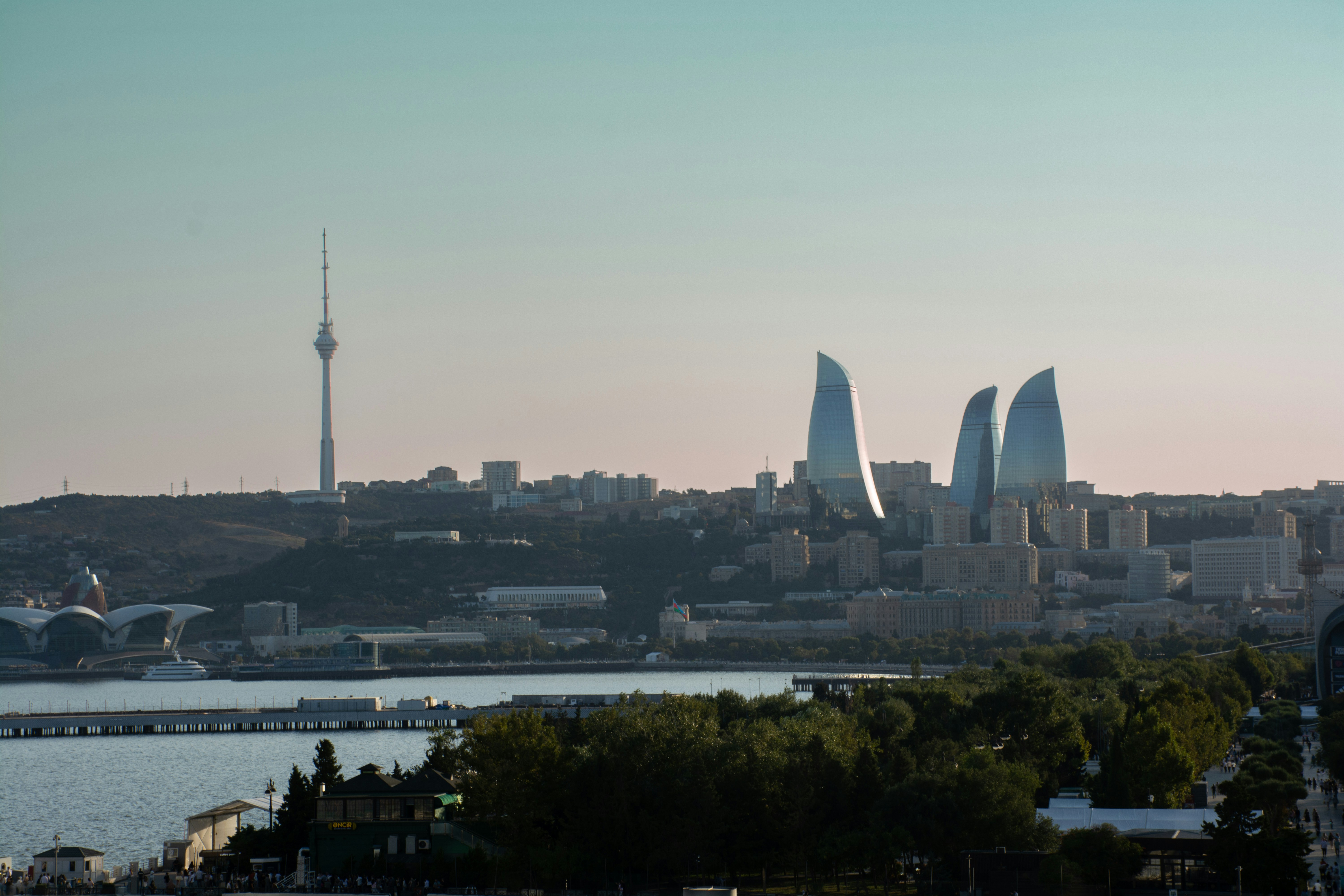
Azerbaijan is usually a manageable destination for tourists, but safety depends on where you travel and how independently you explore. Baku’s central districts, including Icherisheher, Fountain Square, the Boulevard, and the Flame Towers area, are busy, well-served, and generally comfortable for visitors. Exercise extra caution at night in quiet streets, poorly lit areas, and crowded transport hubs, where opportunistic theft can occur. Road safety deserves particular attention: traffic can be fast and unpredictable, while pedestrian crossings are not always respected. Use marked crossings, avoid distracted walking, and consider a reputable taxi app or hotel-arranged car for longer journeys. Do not approach military sites, border installations, government buildings, or demonstrations, and avoid photographing security personnel or infrastructure. The Singapore Ministry of Foreign Affairs specifically advises Singaporeans not to travel to Nagorno-Karabakh and nearby areas because of the unpredictable security situation and border tensions. Outside Baku, mobile coverage, English-language assistance, and medical facilities may be more limited, so share your itinerary and carry offline maps. Azerbaijan travel safety is strongest when plans remain flexible and remote excursions are arranged through established operators.
Azerbaijan Scams, Taxis, Money and Local Customs
The most common Azerbaijan scams affecting visitors involve unclear prices, unofficial taxis, card-payment confusion, and inflated bills—not sophisticated criminal schemes. Agree on taxi fares before entering an unmetered vehicle, or use a reputable ride-hailing service or hotel transfer; never accept unsolicited airport drivers offering a vague “special price.” At restaurants, check the menu prices and review the bill before paying, particularly in tourist-heavy areas around central Baku. Ask whether service charges, bread, tea, or extra dishes are included. Exchange currency only at banks or licensed exchange offices, count Azerbaijani manat yourself, and keep small notes for cafés, buses, and markets. Card payments are common in Baku, but cash remains useful outside major cities. Avoid displaying large amounts of money and keep your passport secured, carrying a photocopy or encrypted digital copy for routine identification. Dress modestly when visiting mosques or conservative communities, remove shoes where requested, and ask permission before photographing people. Hospitality is important in Azerbaijan, but a friendly invitation should not pressure you into buying anything or changing your plans. Hello’s expense tools can scan receipts in different languages and currencies, split costs among friends, and apply automatic exchange-rate conversions—useful when checking a restaurant bill or sharing a driver’s fare.
Azerbaijan Emergency Numbers, Embassy Help and Connectivity
Save Azerbaijan emergency numbers before travelling: dial 102 for police, 103 for ambulance, 101 for fire services, and 112 for the general emergency line. These numbers are listed by Azerbaijan’s government and local telecommunications guidance as free or widely accessible emergency contacts, although language support may vary. If calling, state your location clearly and ask hotel staff, a local host, or a nearby police officer to assist with Azerbaijani or Russian translation. Singapore has no diplomatic representation in Azerbaijan, so Singaporean travellers needing consular assistance should contact the Ministry of Foreign Affairs’ 24-hour Duty Office at +65 6379 8800 or +65 6379 8855. Registering your trip details with Singapore’s MFA is sensible for longer itineraries or regional travel. Before departure, save your accommodation address in Azerbaijani, download offline maps, and keep emergency numbers in both your phone and wallet. An eSIM from Hello provides mobile data for maps, translation, messaging, and online calls as soon as you arrive; activate it before flying so you are not dependent on airport Wi-Fi.
Azerbaijan Health Advice: Vaccinations, Water and Medical Care
The key health precautions in Azerbaijan are staying current on routine vaccinations, choosing safe food and water, and arranging medical cover before travelling. The CDC recommends that international travellers be up to date on routine immunisations, including measles-mumps-rubella, and recommends hepatitis A vaccination for unvaccinated travellers aged one year and older; hepatitis B may also be appropriate depending on age, activities, and medical history. Speak with a travel-health professional at least a month before departure, especially for rural trips, animal contact, or extended stays. Azerbaijan’s tap water is not considered potable for visitors, so drink sealed bottled water or water that has been boiled. Request bottled water specifically in restaurants and be cautious with ice, raw salads, and undercooked food. Wash hands regularly and carry oral rehydration salts and any prescription medicines in original packaging. Medical services are strongest in Baku and more limited in rural areas, so travellers with significant medical needs should identify a suitable clinic before leaving the capital. Avoid swimming near unmonitored waterways, do not swallow untreated water, and use sun protection during summer excursions to Gobustan, the Caspian coast, or the Caucasus.
Solo Female and LGBTQ+ Travel Safety in Azerbaijan
Solo women can travel through Azerbaijan successfully, particularly in Baku, by using visible, well-reviewed accommodation, conservative clothing in religious settings, and trusted transport after dark. Keep hotel and itinerary details private, avoid accepting drinks from strangers, and trust your instincts if a conversation or invitation becomes uncomfortable. Women may encounter unwanted attention, but firm boundaries, moving toward families or staffed businesses, and contacting hotel security usually resolve minor situations. LGBTQ+ travellers should understand that social attitudes are generally conservative, and public displays of affection may attract attention even though private travel is possible. Choose LGBTQ+-friendly international hotels or established tour companies, avoid public arguments about sexuality or politics, and use discretion on dating apps. Do not assume that a profile or invitation is genuine; meet only in public places and tell someone where you are going. Photography and discussion around political, military, or border subjects can create more serious problems than ordinary tourist behaviour, so avoid sensitive locations and topics. For all solo travellers, share live location with a trusted contact, maintain a charged phone, and keep a backup payment method separate from your wallet.
Common Questions About Azerbaijan Travel Safety
Most travellers can enjoy Azerbaijan safely when they avoid restricted border areas, use reliable transport, protect against scams, and prepare for limited services outside Baku. The following answers address common planning questions.
Is Azerbaijan safe for tourists? Generally yes, particularly in Baku and established tourist destinations. Normal precautions still apply: protect valuables, avoid isolated streets late at night, and follow official advice about border regions.
What are the Azerbaijan emergency numbers? Call 102 for police, 103 for ambulance, 101 for fire, or 112 for general emergencies. Save the numbers offline because English-language assistance is not guaranteed.
Is tap water safe in Azerbaijan? Visitors should avoid tap water and use sealed bottled or boiled water. Request bottled water and ask whether restaurant ice was made from treated water.
Are there dangerous areas in Azerbaijan? Avoid Nagorno-Karabakh and surrounding areas identified in current government travel advice, as well as military installations, border zones, and unexploded-ordnance risk areas. Never leave marked roads on remote excursions.
Do I need travel insurance for Azerbaijan? Yes. Choose a policy covering medical treatment, emergency evacuation, trip interruption, baggage loss, and activities such as hiking or skiing if relevant. Keep the insurer’s 24-hour number accessible.
| Situation | Best precaution |
|---|---|
| Taxi or restaurant bill | Confirm the price first and check the final bill |
| Illness | Use bottled water and carry insurance details |
| Remote travel | Use an established operator and share your route |
| Emergency | Call 102, 103, 101, or 112 |
| Border travel | Follow current government advisories and avoid restricted zones |
Explore These Destinations
Stay Connected
Ready for Azerbaijan?
eSIM data, expense splitting, budget tracking, and more. Everything you need for a smooth trip in one app.
Related Articles
Azerbaijan Currency & Money Guide: Exchange, Cards, and Tips
Currency exchange, credit card acceptance, ATM tips, tipping culture, and money-saving advice for Azerbaijan.
24 July 2026
Azerbaijan Visa & Entry Requirements for Singapore Passport Holders
Visa requirements, passport validity, customs allowances, and entry tips for Singapore citizens travelling to Azerbaijan.
6 July 2026
eSIM for Azerbaijan: Best Plans, Coverage, and Setup Tips
Everything you need to know about using eSIM in Azerbaijan. Best data plans, network coverage, and setup instructions.
27 June 2026