Austria Safety Guide: Tips for a Safe Trip
Safety tips, health advisories, emergency contacts, common scams, and travel insurance advice for Austria.
By Hello Travel Team
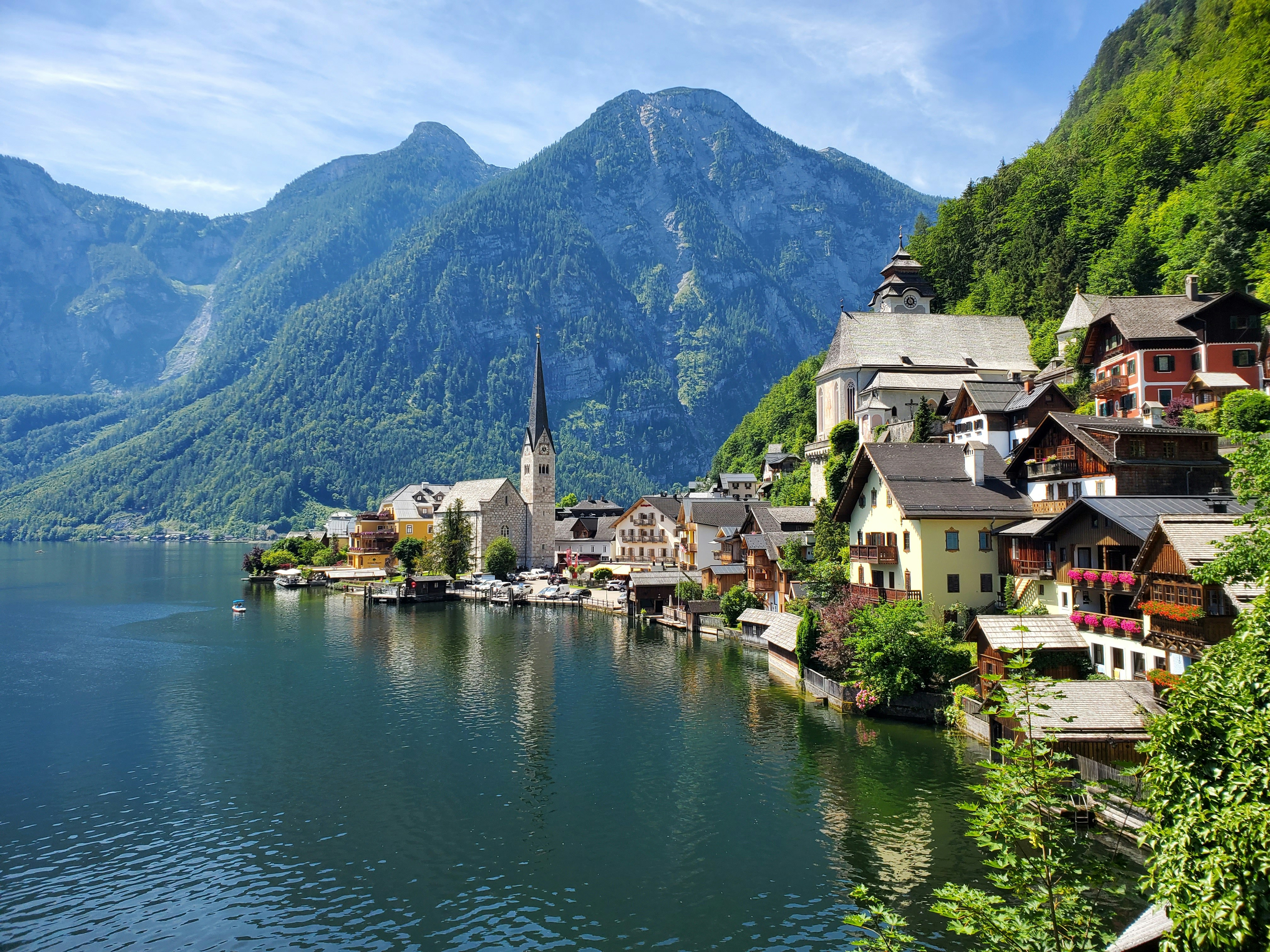
TL;DR: Is Austria Safe for Travellers?
Austria is widely considered one of the safest countries in Europe, with low crime rates and solid healthcare, making it a very safe destination for most travellers when normal precautions are taken. Official advisories consistently rate Austria as low risk, so you can focus on enjoying your trip.
Austria scores highly on global safety rankings and is rated Level 1 (exercise normal precautions) by the U.S. State Department, the lowest risk category for travellers. According to recent 2026 assessments, Austria’s overall travel safety score is classed as “Low risk,” supported by strong governance and very low rates of violent crime.
The main things to watch out for are petty theft in busy areas, winter and mountain conditions if you’re heading into the Alps, and standard urban awareness in big cities like Vienna, Salzburg, and Graz. Emergency services are fast and reliable, tap water is excellent, and public transport is clean and safe.
If you’re wondering “is Austria safe?”, the short answer is yes — very much so. With a bit of common sense, a good travel insurance policy, and reliable connectivity (for example, using a Hello eSIM to stay online), most trips to Austria are smooth, enjoyable, and incident-free.
Overall Austria Travel Safety: Crime, Risks, and How Safe It Really Is
Austria offers very high travel safety, with low crime rates and strong public institutions, making it one of Europe’s safest and most stable destinations for tourists of all ages. Most travellers experience no serious issues beyond routine city awareness.
According to the U.S. State Department, Austria is rated Level 1: Exercise normal precautions, indicating one of the lowest risk categories globally for tourism. A 2026 global safety index gives Austria a travel safety score of around 7.8/10, classed as low risk, with governance scoring especially high and crime remaining relatively modest compared to other countries.
Violent crime against tourists is rare, and Vienna frequently ranks among Europe’s most liveable cities, with violent crime reported at under 0.7 incidents per 100,000 residents in recent assessments. Day-to-day issues tend to be minor: pickpocketing in busy areas, bag snatching in transport hubs, or the occasional overpriced tourist trap in heavily visited spots like central Vienna or around Salzburg’s historic centre.
To maximise your Austria travel safety:
- Keep valuables (passport, extra cash) in your hotel safe rather than on your person.
- Use a money belt or crossbody bag in crowded metros and tram lines.
- Avoid leaving bags on train racks unattended, especially on international routes.
- Stay aware of local weather alerts in Alpine regions, particularly in winter.
Overall, Austria travel safety is excellent, and simple precautions are more than enough for a worry-free trip.
Emergency Numbers, Medical Care, and Singapore Embassy Support
In Austria, emergency services are efficient and easy to reach via universal numbers, making it straightforward to get help for police, medical, or fire incidents anywhere in the country. Knowing these numbers before you arrive is a simple way to boost your safety.
The key emergency contact is 112, the pan-European emergency number, which connects you to the appropriate service (police, ambulance, or fire) and can usually be handled in English in major cities. Austria also maintains specific numbers:
- Police: 133
- Medical emergencies (ambulance): 144
- Fire and rescue: 122
These work nationwide and are particularly important if you’re driving, hiking, or skiing in remote Alpine regions.
Austria’s healthcare system is modern and reliable, with well-equipped hospitals in Vienna, Salzburg, Innsbruck, and Graz. For minor issues, you’ll find pharmacies (Apotheke) clearly marked with a green cross, and many keep limited emergency hours.
If you’re a Singaporean traveller, the nearest diplomatic mission is the Embassy of the Republic of Singapore in Vienna, typically located in the city’s central district. The embassy can assist with lost passports, serious incidents, and consular support; it’s wise to store their contact details and address in your phone and printed travel folder before departure.
To make contacting emergency services easier, ensure your phone works locally. Using an eSIM from Hello lets you arrive with active data, so you can call or use VoIP and map services immediately, without hunting for a local SIM.
| Service | Number | Notes |
|---|---|---|
| General emergency | 112 | EU-wide number, routes to relevant service |
| Police | 133 | City and rural coverage, English often available in Vienna |
| Ambulance | 144 | Medical emergencies, fast response in cities |
| Fire & rescue | 122 | Urban and rural fire services |
Common Scams in Austria and How to Avoid Them
Most travellers in Austria only encounter minor, opportunistic scams and petty theft, typically around busy tourist areas and transport hubs. With basic awareness, you can avoid nearly all issues and enjoy the country’s cities and mountains stress-free.
The most common problem is pickpocketing and bag snatching in crowded spaces: Vienna’s historic centre (Innere Stadt), popular areas around St. Stephen’s Cathedral, main train stations, and trams or metros during rush hour. International trains between Vienna and cities like Budapest or Prague are also known spots for opportunistic theft, particularly when bags are left unattended in overhead racks.
A few typical scenarios to watch for:
- Distraction scams: someone bumps you, asks for directions, or “accidentally” spills something while an accomplice targets your bag.
- Overpriced tourist services: unofficial taxis near stations, or tour offers that don’t match what’s delivered.
- Card skimming or dubious ATMs: rare but possible around high-traffic areas.
Practical tips to stay safe from Austria scams:
- Use crossbody bags with zips and keep them in front of you on public transport.
- Avoid placing phones or wallets in back pockets or outer backpack pockets.
- Keep your passport in your accommodation safe and carry a photocopy or digital copy instead.
- Only use ATMs inside banks or well-lit, reputable locations.
- Check taxi fares in advance or use official taxi ranks and apps.
For extra peace of mind, track expenses and spot suspicious charges with Hello’s budget tools: AI receipt scanning and multi-currency tracking help you quickly notice unfamiliar transactions after a busy day of sightseeing.
Health, Vaccinations, Tap Water, and Seasonal Safety in Austria
Health risks in Austria are low and manageable, with safe tap water, strong public hygiene standards, and no special vaccines required beyond normal routine immunisations for most travellers. Simple precautions are usually all you need to stay healthy.
For visitors from Singapore, Europe, or other regions, standard vaccinations such as tetanus, measles-mumps-rubella (MMR), and seasonal influenza are usually sufficient unless you plan specialised activities. There are no widespread tropical diseases, and Austria does not generally require additional travel-specific vaccines for short-term tourism.
Tap water in Austria is famously excellent; many cities, including Vienna and Salzburg, source drinking water from Alpine springs and mountain reservoirs. Travellers frequently remark that tap water tastes as good as bottled, and local guides often encourage visitors to refill reusable bottles rather than buying single-use plastic. In most regions, tap water is safe to drink everywhere, including mountain huts.
Seasonal health and safety considerations:
- Winter (Nov–Mar): Snow and ice can make streets and mountain paths slippery. In snowy or icy conditions, winter tyres are mandatory for vehicles, and avalanche risks exist in ski areas.
- Summer (Jun–Aug): High-altitude sun exposure and occasional heatwaves in cities like Vienna or Graz. Use sunscreen, stay hydrated, and take breaks in shaded areas.
Medical costs can be higher than in some regions, so carrying comprehensive travel insurance that covers emergency care, evacuation from mountain areas, and winter sports is highly recommended, especially if you’ll ski or snowboard in resorts like Kitzbühel or Zell am See.
Safety for Solo Female and LGBTQ+ Travellers in Austria
Austria is generally very safe for solo female and LGBTQ+ travellers, with progressive laws, reliable public transport, and a culture that is relatively accepting in major cities. Normal urban awareness is still advisable, particularly at night and in crowded nightlife districts.
Solo female travellers often rate Austria highly for comfort and security. Cities like Vienna, Salzburg, and Innsbruck have well-lit streets, efficient trams and metros, and low rates of violent crime. Many women report feeling safe walking in central areas in the evening, though it’s still wise to avoid poorly lit parks after dark, keep an eye on drinks in bars, and pre-plan late-night transport back to your accommodation.
Common solo travel tips:
- Sit near other passengers or closer to the driver on late-night buses or trams.
- Share your live location with a trusted contact via messaging apps.
- Avoid accepting drinks or snacks from strangers in nightlife areas.
Austria is also broadly welcoming to LGBTQ+ travellers, particularly in Vienna and larger cities where pride events and LGBTQ+ venues are visible and well-attended. Legal protections are robust, and public attitudes are generally tolerant, though more rural or conservative areas may be quieter and less visibly open.
For all travellers, reliable connectivity helps you stay in touch and navigate safely. Using a Hello eSIM for Austria (/esim/austria) lets you access maps, translation, and ride-hailing apps from the moment you land, making it easier to avoid unsafe routes, check public transport schedules, and contact friends or emergency services if needed.
Travel Insurance, Budgeting, and Common Safety Questions About Austria
Even in a very safe country like Austria, good travel insurance and smart budgeting are essential safety tools, helping you handle medical issues, theft, or trip disruptions without major stress. Combined with local knowledge, they make a secure trip even smoother.
Typical comprehensive travel insurance for a week in Austria might cost US$40–80 in 2026, depending on age and coverage. Look for policies that include:
- Medical treatment and hospitalisation
- Emergency evacuation (important for Alpine trips)
- Trip cancellation or interruption
- Coverage for theft or loss of personal items
- Winter sports cover if you plan to ski or snowboard
Hello’s budgeting tools can help you keep safety-related costs visible: expense splitting with friends, AI receipt scanning in any currency, and multi-currency tracking with automatic exchange rates let you monitor what you’re spending on transport, activities, and insurance.
Common Questions (Q&A)
Q: Is Austria safe for first-time visitors?
Yes. Austria travel safety is excellent, with low crime rates and reliable transport. First-time visitors usually find it easy to navigate and feel secure.
Q: Are there dangerous areas in Vienna?
No major “no-go” zones, but like any city, be more alert around big stations at night and avoid poorly lit parks after dark.
Q: Is tap water safe to drink in Austria?
Yes. Tap water is generally safe, high-quality, and often sourced from the Alps.
Q: Do I really need travel insurance in such a safe country?
Yes. Safety doesn’t eliminate medical emergencies, accidents, or flight disruptions; insurance is about financial protection, not crime risk.
Q: How can I stay connected for safety?
Use a Hello eSIM to have instant data on arrival, so you can access maps, translation, and emergency contacts without hunting for Wi‑Fi.
Explore These Destinations
Stay Connected
Ready for Austria?
eSIM data, expense splitting, budget tracking, and more. Everything you need for a smooth trip in one app.
Related Articles
Austria Currency & Money Guide: Exchange, Cards, and Tips
Currency exchange, credit card acceptance, ATM tips, tipping culture, and money-saving advice for Austria.
24 July 2026
Austria Visa & Entry Requirements for Singapore Passport Holders
Visa requirements, passport validity, customs allowances, and entry tips for Singapore citizens travelling to Austria.
6 July 2026
eSIM for Austria: Best Plans, Coverage, and Setup Tips
Everything you need to know about using eSIM in Austria. Best data plans, network coverage, and setup instructions.
27 June 2026