Armenia Cultural Guide: Etiquette, Customs, and Tips
Essential do's and don'ts, greeting customs, dress codes, local phrases, and cultural tips for Armenia.
By Hello Travel Team
TL;DR: Armenia Culture, Etiquette, and Essential Dos and Don’ts
Armenia is warm, traditional, and proud of its heritage, so respectful dress, polite greetings, and sensitivity around history and religion go a long way to ensuring a smooth trip. Learn a few local phrases, follow modest dress codes for churches, and avoid controversial political jokes.
Armenia blends ancient Christian traditions, Soviet-era influences, and modern café culture, especially in Yerevan’s Republic Square and Cascade Complex, where locals stroll, drink coffee, and enjoy evening fountains and music. Visitors are usually welcomed warmly, especially if they show genuine interest in Armenian customs, food, and history.
For everyday Armenia etiquette, aim to be modest, punctual, and polite. Stand when elders enter the room, offer a firm but not aggressive handshake, and avoid loud arguments in public. In homes, remove your shoes if you see others doing so, and bring a small gift like sweets or fruit.
Respect around religious sites and genocide memorials is crucial. Armenia was one of the first countries to adopt Christianity in 301 AD, according to Armenian church history, so churches and monasteries—from Geghard to Tatev—are deeply meaningful places, not just sightseeing spots.
Finally, connectivity, cash, and costs are practical considerations. As of 2026, typical mid-range restaurant meals in Yerevan cost about $12–20 per person, per local tourism and travel booking data, and taxis within the city center are often under $5. Using a Hello eSIM helps you navigate, translate signs, and manage expenses with less stress.
Everyday Armenia Etiquette: Greetings, Manners, and Social Norms
Everyday Armenia etiquette centers on warm greetings, respect for elders, and modest behavior in public, so a friendly “Barev” (hello), a firm handshake, and avoiding loud arguments will cover most situations for first-time visitors. Observing how locals behave and copying their tone is a safe strategy.
Greetings are usually direct and sincere. Among acquaintances and in business, a handshake with eye contact is standard; among close friends and family, you’ll see hugs or cheek kisses. Use titles and first names (like “Mr. Aram”) until invited to be more informal, and avoid using people’s first names without any honorific in more formal settings.
Respect for age and family is a core part of Armenia culture. Offer your seat to older people on buses or the metro, let elders speak first at gatherings, and avoid contradicting them loudly in public. If you’re invited into a home, it’s polite to remove your shoes if others do, compliment the host’s cooking, and try everything that’s served.
Public behavior leans conservative compared with many European cities. Excessive public displays of affection, loud drunkenness, or heated political debates in cafes are frowned upon. Dress neatly even for casual outings: jeans and a clean shirt are fine, but overly revealing clothing can draw unwanted attention outside nightlife areas.
In daily interactions, a few basic phrases help: “Barev” (hello), “Shnorhakalutyun” (thank you), “Kneres” (sorry/excuse me), and “Hajoghutyun” (goodbye). Keeping a translation tool and offline maps via an eSIM from Hello ensures you can look up phrases and navigate politely even when signs or menus are only in Armenian or Russian.
Dress Codes, Religious Sites, and Photography Rules in Armenia
Dress codes in Armenia are relaxed in cities but modest at religious sites, so plan to cover shoulders and knees, avoid flashy outfits in churches, and always ask before taking photos of people or during services. When in doubt, dress one step more conservatively than you think you need.
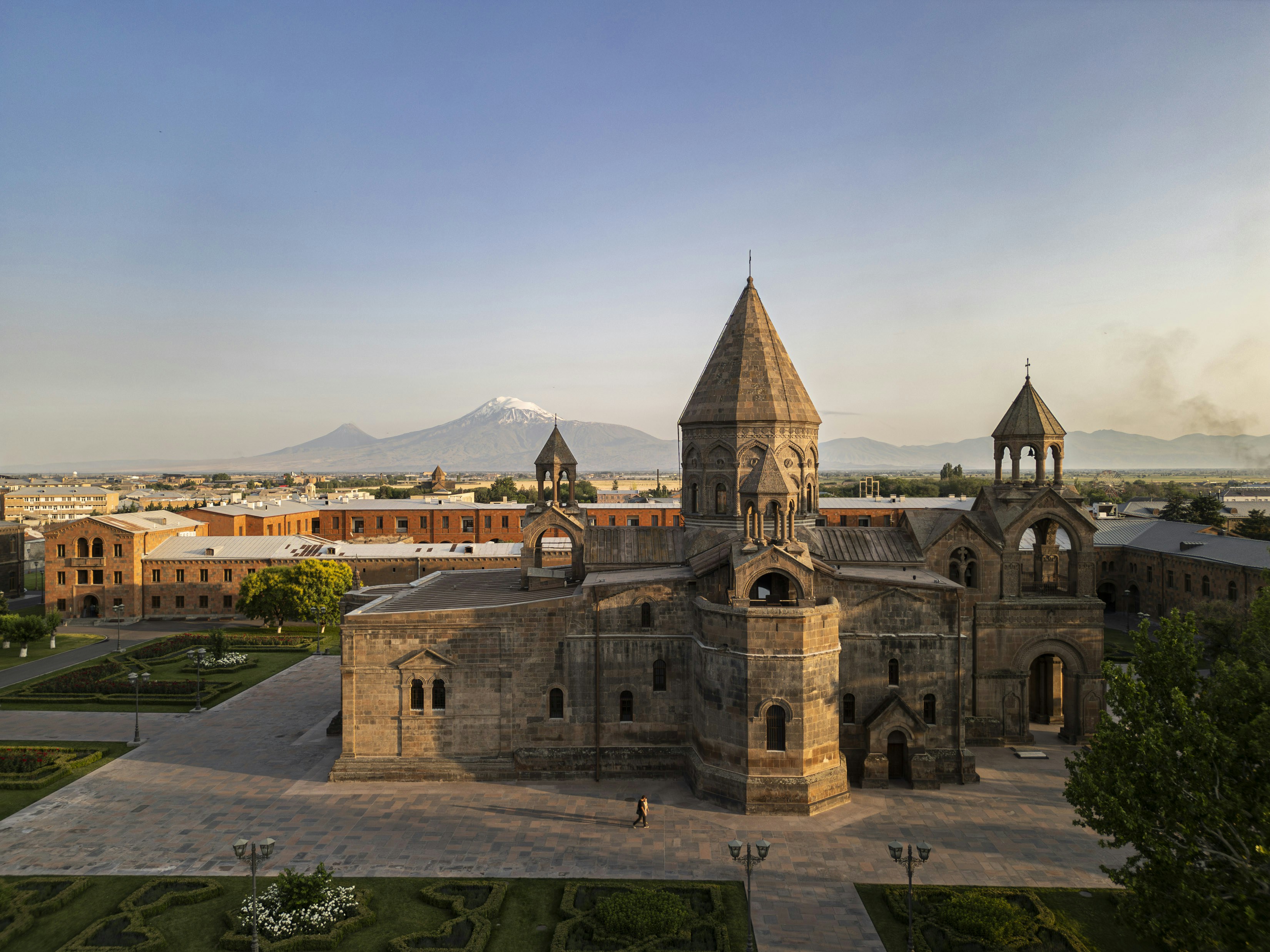
Armenia is deeply connected to its Christian heritage, with thousands of churches and monasteries across the country. When visiting major sites like Etchmiadzin Cathedral, Geghard Monastery, Khor Virap, or Noravank, both men and women should avoid shorts above the knee, sleeveless tops, and low-cut clothing. A simple scarf for women and a light jacket or shirt for men are useful to carry.
Inside churches, stay quiet, turn your phone to silent, and avoid flash photography. Some churches ban photos during services or in specific chapels; follow posted signs or ask a staff member. Tripods and professional gear may require special permits, especially at UNESCO-listed sites.
Outside religious buildings, general street style in Yerevan is similar to other European cities: jeans, dresses, and trainers are common. However, in rural areas and smaller towns, conservative dress is more usual, so very short skirts or tank tops may feel out of place. In winter, temperatures often drop below freezing, so warm layers, boots, and a hat are essential.
Photography etiquette extends beyond churches. Always ask before photographing people, particularly clergy, older villagers, or children. Avoid taking pictures of military facilities or border areas; Armenia’s geopolitical situation makes sensitive sites strictly off-limits, and ignoring signs can lead to fines or questioning by authorities.
Business Etiquette, Money Manners, and Armenia Dos and Don’ts
Business etiquette in Armenia values punctuality, formal dress, and relationship-building, so arrive on time, dress conservatively in offices, and expect meetings to begin with small talk over coffee before diving into details. Showing respect for Armenian history and culture helps build trust quickly.
In business settings, men usually wear suits or at least a collared shirt and blazer, while women opt for modest dresses or tailored trousers and blouses. Handshakes are standard, and you should offer business cards with both hands or the right hand. Hierarchy matters, so address senior people first and defer to their opinions.
When it comes to money manners, tipping in Armenia is common but moderate. In Yerevan, many restaurants add a 10% service charge; if not, locals often leave around 5–10% on top of the bill. As of 2026, a coffee in a central café typically costs $2–4, and a mid-range dinner runs $12–20 per person, according to regional travel spending surveys.
Key Armenia dos and don’ts include:
- Do accept offers of coffee or sweets; declining repeatedly can feel rude.
- Do talk positively about Armenian food, music, and landscapes.
- Don’t joke lightly about the Armenian Genocide or current border tensions.
- Don’t assume everyone speaks English; Russian is still widely used.
For group trips, Hello’s expense-splitting and budget tracking features make it easier to manage shared costs in Armenian dram and other currencies. You can scan receipts with AI, split bills among friends, and let automatic exchange rates handle conversions, so no one is stuck doing complex math after a long business dinner.
Local Holidays, Festivals, and Travel Planning Around Armenia Customs
Local holidays in Armenia can affect opening hours, traffic, and prices, so check major dates like New Year, Easter, and April 24 (Genocide Remembrance Day) when planning your trip, especially if you want quieter sightseeing or uninterrupted business meetings.
The Armenian calendar features several key public holidays. New Year and Christmas celebrations run from December 31 through early January, with Armenian Christmas observed on January 6 by the Apostolic Church. Many families gather at home, and some offices close or work reduced hours. Expect busy restaurants, higher demand for taxis, and lively streets in Yerevan during this period.
Easter, a movable feast typically in March or April, brings church services and family meals. While tourist attractions generally remain open, schedules may shift, and rural areas focus more on home and church life. April 24 is Armenian Genocide Remembrance Day, when many locals visit the Tsitsernakaberd Memorial in Yerevan; some businesses close or operate limited hours, and it’s a solemn, reflective day.
Independence Day (September 21) often features concerts, events, and public gatherings, especially around Republic Square. According to Armenia’s official tourism data, visitor numbers have steadily increased in recent years, with millions of foreign arrivals annually, so booking accommodation around major holidays is wise.
When planning, allow extra time for traffic and crowds around key dates and avoid scheduling lighthearted celebrations or loud parties near memorial sites on April 24. Using Hello’s trip planning and budget tools, plus a Hello eSIM for Armenia, helps you track changing hours, public transport updates, and holiday events in real time without relying on uncertain hotel reception advice.
Gift-Giving, Home Visits, and Hospitality in Armenia Culture
Gift-giving in Armenia is thoughtful but not extravagant, so bring small presents like sweets, wine, or souvenirs when visiting homes, present them with both hands, and compliment the host’s hospitality and cooking generously. Refusing food or drink repeatedly is considered impolite.
Armenian hospitality is famously generous. If you’re invited to someone’s home, it’s a sign of trust and warmth. Arriving a few minutes early or on time is best; being significantly late without explanation can be seen as disrespectful. Remove your shoes if you notice a pile near the door, and follow the host’s lead on where to sit.
Suitable gifts include boxed chocolates, pastries, quality tea or coffee, or a bottle of decent wine. Armenia produces its own brandy and wines, so local products make excellent presents. Avoid overly expensive or flashy gifts that could embarrass the host, and steer clear of items with political symbolism.
During meals, tables are often laden with bread, cheeses, meats, salads, and dolma (stuffed grape leaves). Hosts may insist you eat more; accepting seconds is polite. Toasts are common, especially with wine or brandy, and guests may be invited to toast to friendship and health. Try to participate respectfully but never feel pressured to drink beyond your comfort.
If children are present, small treats like chocolates or stickers are welcomed, but ask parents first. Compliment the home and family, and show interest in Armenian customs and traditions. Keeping track of how much you spend on gifts, dinners, and transport is easier if you use Hello’s multi-currency expense tracking, which converts Armenian dram to your home currency automatically for clearer budgeting.
Common Questions About Armenia Etiquette, Customs, and Dos and Don’ts
Most common questions about Armenia etiquette focus on safety, dress, tipping, and sensitive topics, and the simple rule is: be modest, respectful, and curious, avoiding political jokes and showing care at religious and memorial sites wherever you travel in the country.
Is Armenia safe for tourists?
Yes, Armenia is generally considered safe for travelers, with relatively low violent crime rates compared to many countries in the region, according to regional security assessments in 2025. Use usual city caution: watch your belongings in busy areas and avoid border zones without a guide.
Do people speak English in Armenia?
English is increasingly spoken in Yerevan’s hotels, restaurants, and tourist services, but Russian and Armenian remain the dominant languages. In rural areas, English may be rare, so having basic phrases and a translation app connected via a Hello eSIM is very helpful.
How much should I tip?
In cafés and restaurants, 5–10% is common if service isn’t already included. Many venues add a 10% service charge, in which case leaving small change is sufficient. Taxi drivers don’t always expect tips, but rounding up the fare is appreciated.
What should I avoid talking about?
Avoid dismissive or joking comments about the Armenian Genocide, ongoing regional conflicts, and religion. If locals bring up these topics, listen respectfully and avoid debating sensitive historical points.
Is public transport and connectivity reliable?
Yerevan’s buses and minivans are cheap—often under $0.50 per ride in 2026—but routes can be confusing without Armenian. Using the Hello app with an Armenia destination plan and eSIM connectivity lets you check maps, track spending on transport, and split travel costs with friends in real time.
Explore These Destinations
Stay Connected
Make the most of Armenia
From eSIM connectivity to expense tracking, Hello is the all-in-one companion that keeps your trip stress-free.
Related Articles
Armenia Currency & Money Guide: Exchange, Cards, and Tips
Currency exchange, credit card acceptance, ATM tips, tipping culture, and money-saving advice for Armenia.
24 July 2026
Armenia Safety Guide: Tips for a Safe Trip
Safety tips, health advisories, emergency contacts, common scams, and travel insurance advice for Armenia.
15 July 2026
Armenia Visa & Entry Requirements for Singapore Passport Holders
Visa requirements, passport validity, customs allowances, and entry tips for Singapore citizens travelling to Armenia.
6 July 2026