Argentina Safety Guide: Tips for a Safe Trip
Safety tips, health advisories, emergency contacts, common scams, and travel insurance advice for Argentina.
By Hello Travel Team
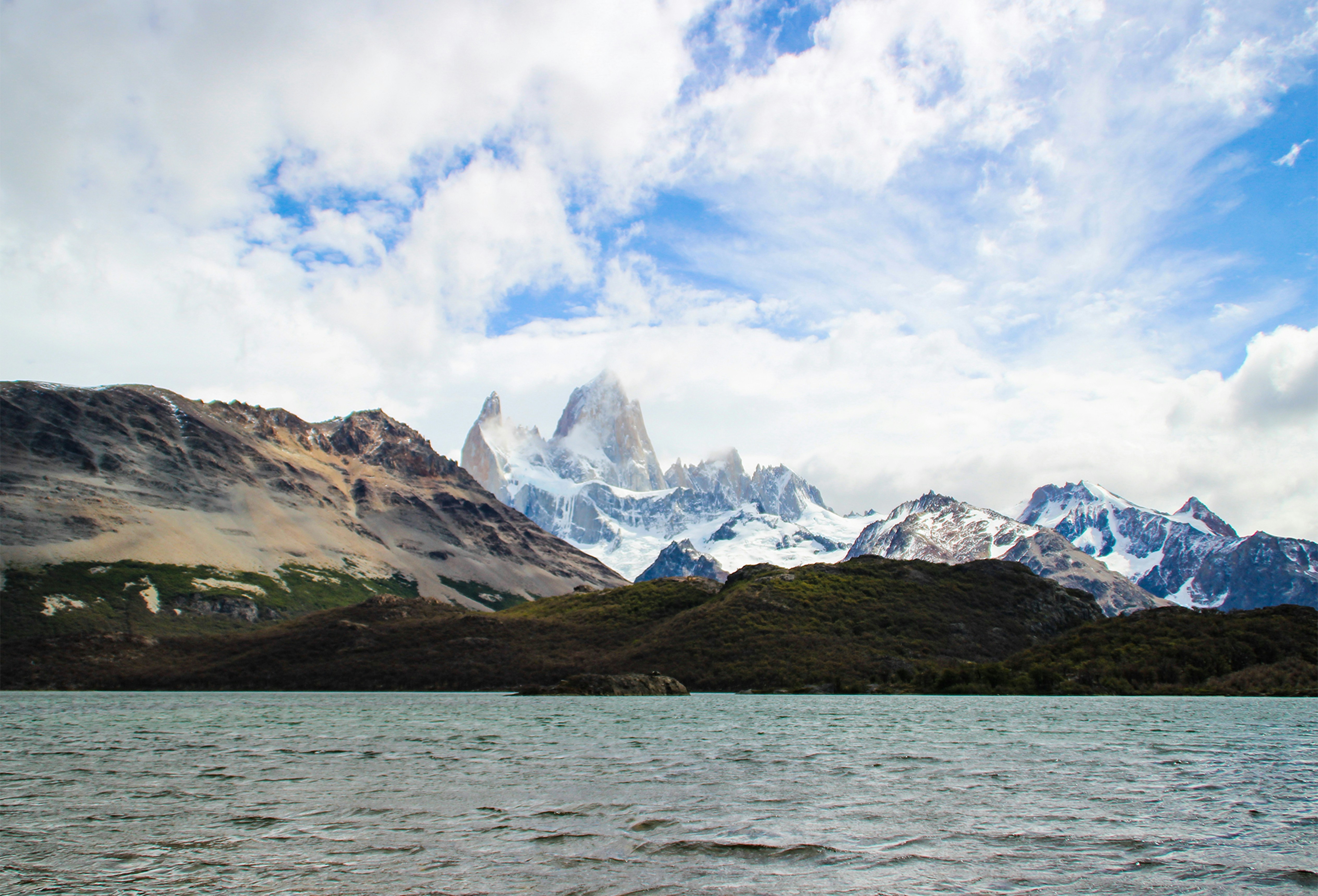
TL;DR: Is Argentina Safe to Travel?
Argentina is generally safe for travellers if you stay alert in big cities, avoid demonstrations, and protect your valuables from petty theft and scams. Most trips are trouble-free, and destinations like Patagonia and Mendoza feel very relaxed when you follow basic street‑smart habits.
Official advisories from countries like Canada, Australia, and the US all describe Argentina as broadly safe for tourism, with the main risks being pickpocketing, phone theft, and occasional protests in cities such as Buenos Aires, Rosario, and Mendoza. Street crime is more common in busy downtown areas, transport hubs, and crowded public transport, but violent crime against tourists remains relatively rare according to multiple security reports.
For most travellers planning an Argentina itinerary, the key is balancing awareness with enjoyment: choose safer neighbourhoods (Palermo, Belgrano, Puerto Madero in Buenos Aires), use trusted taxis or rideshare at night, and avoid political demonstrations around the Congress area and central plazas. With sensible precautions, solo travellers, families, and LGBTQ+ visitors can explore Argentina’s cities, wine regions, and Patagonia safely.
Staying connected also helps: using a Hello eSIM for Argentina means you land with mobile data already working, so you can check maps, call a taxi, or contact emergency services without hunting for Wi‑Fi or a local SIM vendor.
Overall Argentina Travel Safety: Where It’s Safe and What to Watch For
Argentina is considered relatively safe for travel, with most incidents involving petty theft in large cities rather than serious assaults on tourists, so standard urban precautions go a long way to staying safe. Rural and nature destinations are usually calmer, with more environmental than crime‑related risks.
Official sources currently rate Argentina at a low‑to‑moderate risk level for tourists, similar to other popular destinations in the region. The U.S. State Department lists Argentina with standard precautions, and security analysts note that most visitors experience no major safety problems when they stay alert and avoid high‑risk areas in big cities. Argentina’s homicide rate was recorded at about 4.6 per 100,000 people in 2021, significantly lower than many Latin American neighbours, and the country consistently ranks among the more peaceful nations in South America on global indices.
Crime risks are concentrated in urban centres like Buenos Aires, Rosario, and parts of Mendoza. Typical issues include pickpocketing on public transport, phone snatching at intersections, and bag theft in cafes or restaurant terraces. Safer‑feeling neighbourhoods in Buenos Aires include Palermo, Belgrano, and Puerto Madero, while areas around major train stations such as Retiro, Constitución, and Once warrant extra caution, especially after dark.
Outside the cities, your main concerns tend to be natural hazards: remote mountain terrain in Patagonia, altitude in the northwest around Salta and Jujuy, and strong sun and heat at Iguazú Falls. Good planning, layered clothing, and travel insurance that covers hiking and outdoor activities will make these adventures safer and more comfortable.
Emergency Numbers, Tourist Police, and Embassy Contacts in Argentina
Argentina’s key emergency number is 911, with dedicated lines for police, fire, and medical help in major cities, and additional tourist police services in Buenos Aires that assist foreign travellers in multiple languages. Save these numbers in your phone before you land.
Across most of Argentina, dial 911 for general emergencies. In many provinces this connects you to local police, ambulance, or fire services, similar to how 112 works in Europe. Some local numbers still operate alongside 911: for example, 100 is commonly used for fire, and 107 for ambulance/medical emergencies in parts of the country. In Buenos Aires, 911 also offers limited English‑language support.
Buenos Aires has a dedicated Tourist Police unit that focuses on crimes against visitors. Travellers can contact a multilingual tourist police line based in the city for help with theft, scams, or lost documents; it’s especially helpful if you need an official report for your insurer or assistance navigating Spanish‑language bureaucracy.
If you’re a Singapore citizen, there is no resident Singapore embassy in Argentina; the nearest representation is usually through a regional embassy (commonly in Brasília, Brazil) or via honorary consuls. Singaporeans should register their trip through the Ministry of Foreign Affairs’ online system before departure and keep MFA’s emergency contact in their phone. For all nationalities, it’s wise to note your own embassy or consulate’s phone number and address, particularly in Buenos Aires where most diplomatic missions are located.
A practical tip: store these numbers in your phone under clear labels ("Argentina 911", "Tourist Police Buenos Aires", "My Embassy"), and sync them to the Hello app so they’re available even if you lose local notes.
Common Scams and Street‑Smart Tips: How to Avoid Problems in Argentina
Most Argentina scams target distracted tourists with petty theft—like phone snatching, bag grabbing, or card skimming—so the best defence is keeping valuables secure, using trusted payment methods, and staying alert in busy urban areas and transport hubs.
In Buenos Aires, Rosario, and other big cities, phone theft and pickpocketing are the most frequently reported issues. Security advisories highlight bag snatching, especially on cafe terraces or in restaurants where visitors place handbags on chairs, under tables, or out of sight. Simple habits help: keep your bag on your lap or between your feet, never hang it on the back of a chair, and avoid leaving phones or cameras on tables. Many locals wear backpacks on their front in crowded areas, which looks unusual but significantly reduces theft risk.
Common scam patterns include:
- Distraction and spill scams: someone “accidentally” spills a drink or sauce on you while an accomplice grabs your bag or phone during the confusion.
- Fake helpers at ATMs: people offering assistance while watching your PIN or suggesting unnecessary card operations.
- Overcharging taxis: unlicensed cabs quoting inflated fares or taking longer routes from airports.
Use radio taxis, reputable remise services from airport desks, or ride‑hailing apps at night, especially when moving between neighbourhoods. Avoid looking lost in quiet streets; walk confidently to a busy corner before checking your phone. Do not wear flashy jewellery or designer bags in downtown areas—official security reports repeatedly recommend avoiding visible signs of wealth.
If you’re robbed, do not resist. Hand over valuables, move to a safe, busy place (hotel lobby, cafe), and immediately cancel cards and contact the police to file a report. Travel insurance and secure cloud backups for important documents will significantly soften the impact of such incidents.
Health, Vaccinations, and Water Safety: Staying Well in Argentina
Argentina’s health risks are moderate and manageable, with generally safe urban healthcare, variable tap water quality, and region‑specific concerns like yellow fever and altitude—so basic vaccinations, bottled water outside major cities, and sensible pacing will keep most travellers healthy.
Routine travel vaccines (tetanus, measles, hepatitis A/B) are commonly recommended by health authorities for trips to Argentina, particularly if you’ll eat street food or visit rural areas. For Iguazú Falls and parts of the subtropical north (like Misiones, Salta, Jujuy), some travel clinics advise yellow fever vaccination when eligible, due to occasional transmission risk in forested zones. Always check your own country’s travel health site and consult a doctor 4–6 weeks before departure.
In big cities such as Buenos Aires, Córdoba, and Mendoza, tap water is generally considered treated and safe for most visitors, although some travellers prefer bottled water to avoid minor stomach upsets. In rural regions, national parks, and bus stations, bottled water is the safer choice. Budget roughly US$0.80–1.20 per 1.5L bottle in 2026, and keep a refillable bottle for day trips.
Altitude and climate are bigger factors than infectious disease in much of Argentina. The northwest (around Salta and Jujuy) has towns above 2,000–3,000 metres; take it slow, drink plenty of water, avoid heavy alcohol, and consider coca leaf products used locally for mild altitude discomfort if they’re legal in your home country. In Patagonia, fast‑changing weather, strong winds, and cold rain mean layers, waterproof gear, and solid hiking shoes are essential.
Medical care in major cities is good, with private clinics and hospitals offering high‑quality services, though you’ll usually need to pay upfront if you’re not a resident. Travel insurance that covers emergency medical care, evacuation from remote hiking areas, and pre‑existing conditions is strongly recommended.
Solo Female and LGBTQ+ Travel Safety in Argentina
Argentina is one of the more progressive and welcoming countries in Latin America, and both solo female travellers and LGBTQ+ visitors generally report positive experiences when they follow the same city‑smart precautions as any urban destination.
Buenos Aires, Córdoba, Mendoza, and major tourist towns have lively cafe culture and nightlife where women and queer travellers are common and visible. Argentina legalized same‑sex marriage in 2010 and has a reputation for strong LGBTQ+ rights compared with many neighbouring countries. Areas like Palermo and San Telmo in Buenos Aires host openly queer‑friendly bars and events, and many hotels and guesthouses are accustomed to LGBTQ+ guests.
For solo female travellers, the main safety concern is street harassment or unwanted attention rather than serious assault. In practice, many women report that harassment is limited and manageable, especially in touristic neighbourhoods. Sensible habits include avoiding deserted streets at night, using licensed taxis or ride‑hailing apps after dark, and keeping alcohol consumption moderate when bar‑hopping. Trust your instincts: if a street feels too quiet or a situation uncomfortable, change direction or step into a busy cafe.
Argentina has dedicated hotlines and services addressing gender‑based violence, and local campaigns encourage reporting harassment on public transport. Some cities allow SMS or WhatsApp reports of harassment to special numbers, though availability varies. As a visitor, your best line of support is often your accommodation staff, local friends, and your embassy or consulate if a serious incident occurs.
For LGBTQ+ visitors, public displays of affection between same‑sex couples are increasingly common in urban areas, though more conservative attitudes may exist in small towns and rural communities. Dressing similarly to locals and being discreet in very traditional settings can reduce friction, but in most tourist zones Argentina feels notably safer and more accepting than many parts of the region.
Travel Insurance, Connectivity, and Money Safety: Practical Argentina Tips
Good travel insurance and reliable connectivity are your safety net in Argentina, covering medical emergencies, theft, and trip disruptions while keeping you online for maps, taxis, and embassy contact—even when you’re trekking in Patagonia or exploring side streets in Buenos Aires.
Travel insurance should, at minimum, include emergency medical coverage, evacuation, baggage loss/theft, and trip cancellation. Given rising reports of phone and bag theft in urban centres, choose a policy that specifically covers electronics (phones, laptops, cameras) and make sure the single‑item limit is high enough for your main device. Annual multi‑trip policies are often cost‑effective for frequent travellers, but a typical two‑week Argentina policy in 2026 might run around US$60–120, depending on age and coverage level.
Staying connected is part of staying safe. With a Hello eSIM for Argentina (Argentina eSIM), you can buy and activate data before your flight, land already online, and use ride‑hailing apps, offline‑friendly maps, and instant translation without hunting for SIM kiosks at Ezeiza or Aeroparque. Hello’s app‑based expense tracking and budget tools also help you monitor spending in pesos, split costs with friends, and keep an eye out for fraudulent charges after any card incident.
Money‑wise, carry a mix of cards and cash, but split them across different pockets or bags so a single theft doesn’t wipe you out. Avoid storing your cards in mobile wallets that can be accessed if your phone is stolen; instead, lock banking apps with biometrics and keep emergency backup cards in your hotel safe. ATMs attached to banks in busy areas are safer than standalone machines.
Finally, use the Hello app’s receipt‑scanning and multi‑currency tools to keep a clean record of your spending. If you ever need to file an insurance claim after theft or trip disruption, having dates, amounts, and receipts organised will make reimbursement faster and smoother.
Common Questions About Argentina Safety (Q&A)
Most visitors find Argentina safe to travel when they stay alert in big cities, avoid protests, and use common sense with valuables, taxis, and nightlife—so your experience will likely be positive if you follow the local “street‑smart” playbook.
Is Argentina safe right now in 2026?
Yes, for most tourists it is. Official advisories repeatedly state that most visits are trouble‑free, though petty crime has increased in some urban areas. Protests and political demonstrations, particularly around downtown Buenos Aires and the Congress area, can turn tense; they’re best avoided altogether.
Which parts of Argentina feel safest?
Patagonia (Bariloche, El Calafate, El Chaltén), the wine regions around Mendoza, and much of the northwest are generally low‑crime environments. The main risks there are weather, hiking accidents, and remoteness rather than theft or assault.
Is Buenos Aires safe for tourists?
Yes, with caveats. It’s a big city with big‑city problems: pickpockets, phone snatching, and bag theft. Staying in Palermo, Belgrano, or Puerto Madero, using taxis or rideshare at night, and following local advice about which streets to avoid after dark keeps risk low.
How safe is Argentina for solo female travellers?
Many women travel solo in Argentina without major issues. Use standard precautions: avoid isolated areas at night, limit alcohol when alone, stay in well‑reviewed accommodation, and share your location with a trusted contact. Having mobile data via a Hello eSIM makes it easier to call a taxi or get help quickly.
Do I really need travel insurance for Argentina?
Strongly yes. It’s your backup for medical care, theft (especially phones and cameras), and cancellations. Hospital bills, emergency transport, and gear replacement can easily run into thousands of dollars; a policy costing US$60–120 for two weeks in 2026 is a sensible investment.
| Question | Short Answer | Best Tip |
|---|---|---|
| Is Argentina safe? | Generally yes, with city‑smart precautions. | Focus on petty theft prevention in big cities. |
| Are scams common? | Mostly minor, like phone and bag theft. | Keep valuables out of sight and avoid distractions. |
| What’s the emergency number? | 911 across Argentina. | Save 911 and tourist police contacts in your phone. |
| Is water safe to drink? | Usually in big cities; bottled elsewhere. | Use bottled water in rural areas and bus stations. |
| Is Buenos Aires safe at night? | In busy areas with taxis/ride‑hailing, yes. | Avoid quiet streets and unlicensed taxis after dark. |
Explore These Destinations
Stay Connected
Ready for Argentina?
eSIM data, expense splitting, budget tracking, and more. Everything you need for a smooth trip in one app.
Related Articles
Argentina Currency & Money Guide: Exchange, Cards, and Tips
Currency exchange, credit card acceptance, ATM tips, tipping culture, and money-saving advice for Argentina.
24 July 2026
Argentina Visa & Entry Requirements for Singapore Passport Holders
Visa requirements, passport validity, customs allowances, and entry tips for Singapore citizens travelling to Argentina.
6 July 2026
eSIM for Argentina: Best Plans, Coverage, and Setup Tips
Everything you need to know about using eSIM in Argentina. Best data plans, network coverage, and setup instructions.
27 June 2026